
Gossip — History & Facts
The first thing that draws the eye in Gossip is the easy choreography of everyday life, caught in a moment of sunlight and idle talk. A young woman reclines in a chair, knitting in hand, her skirt spilling over the cobbles as a small child tugs at her side. Over the red brick wall, two neighbors lean in, faces bright with conversation, their hands and posture signaling the intimacy of shared news.
The light falls softly, catching the pale blue of the knitter’s blouse and the fresh pink of the potted geraniums, while the shadows under the chair and along the wall suggest the calm enclosure of a private garden. The arrangement of figures—one absorbed in her task, two intent on each other, and a child in motion—creates a gentle tension, as if the whole scene might shift with the next breath or word. Painted in 1885, this work by John William Waterhouse belongs to a world fascinated by the rhythms of domestic life and the quiet drama of ordinary people. In late nineteenth-century Britain, such scenes were cherished for their familiarity and their promise of stability in a rapidly changing society.
Artists like Waterhouse, though best known for myth and legend, often turned to the everyday, capturing the textures of brick, cloth, and garden with the same care given to ancient heroines. Gossip was once offered at Christie’s, a reminder that history has kept few traces of its early journey. Yet the painting’s charm lies in its universality: the language of neighborly exchange, the comfort of small routines, and the way sunlight can make even a brick wall seem full of possibility.
More Artworks by John William Waterhouse
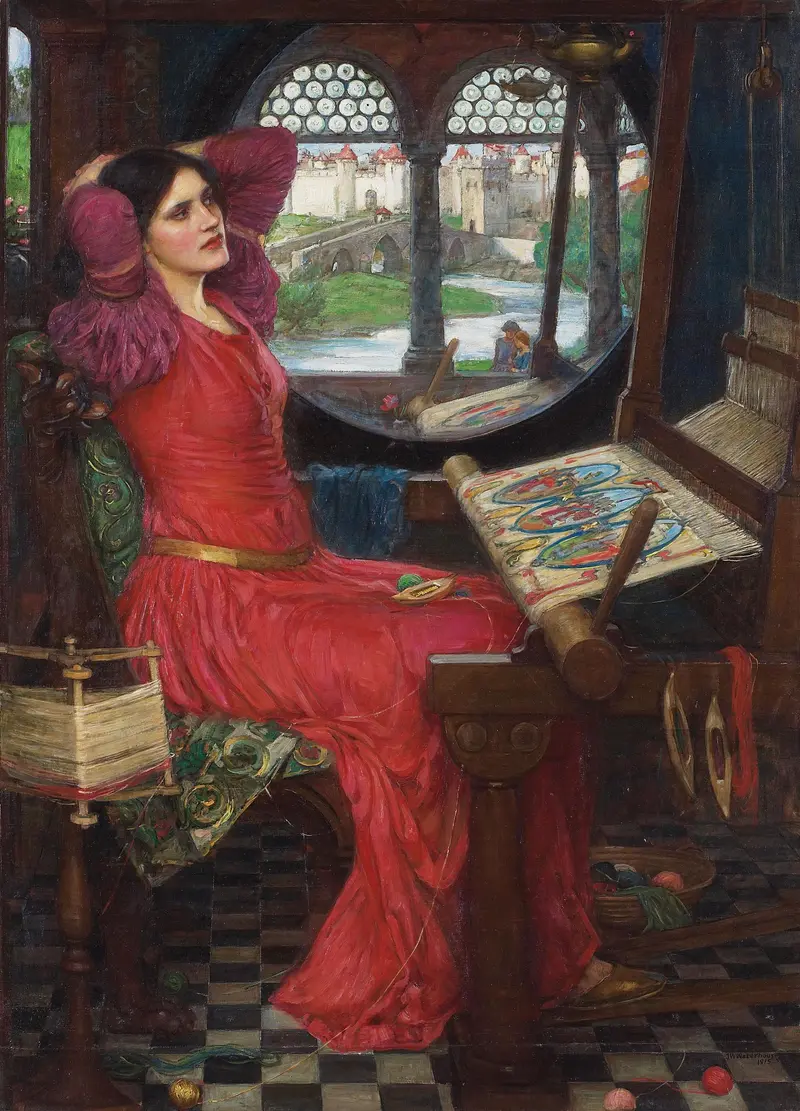
'I Am Half-Sick of Shadows,' Said the Lady of Shalott
John William Waterhouse

The Favourites of the Emperor Honorius, 1883
John William Waterhouse
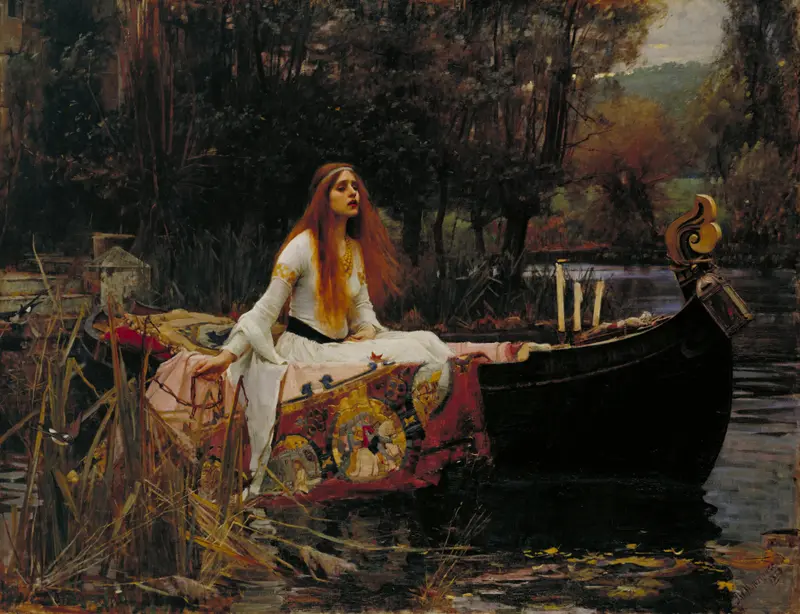
The Lady of Shalott
John William Waterhouse
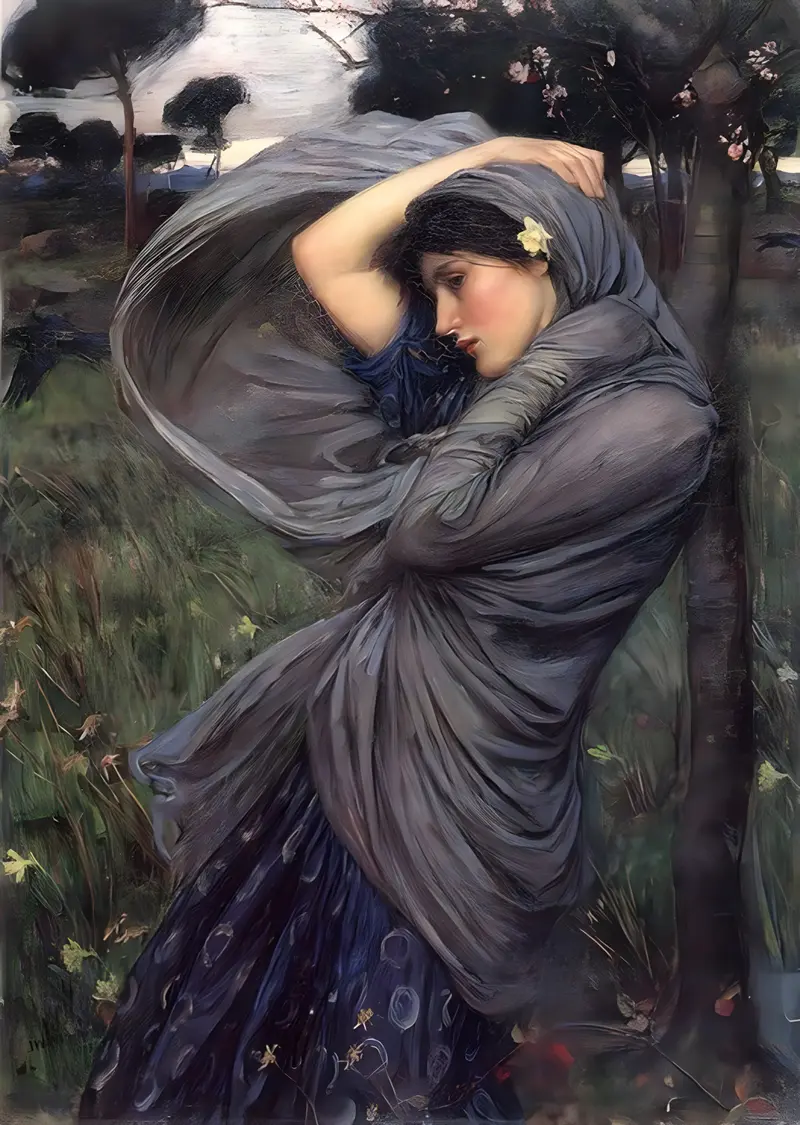
Boreas
John William Waterhouse
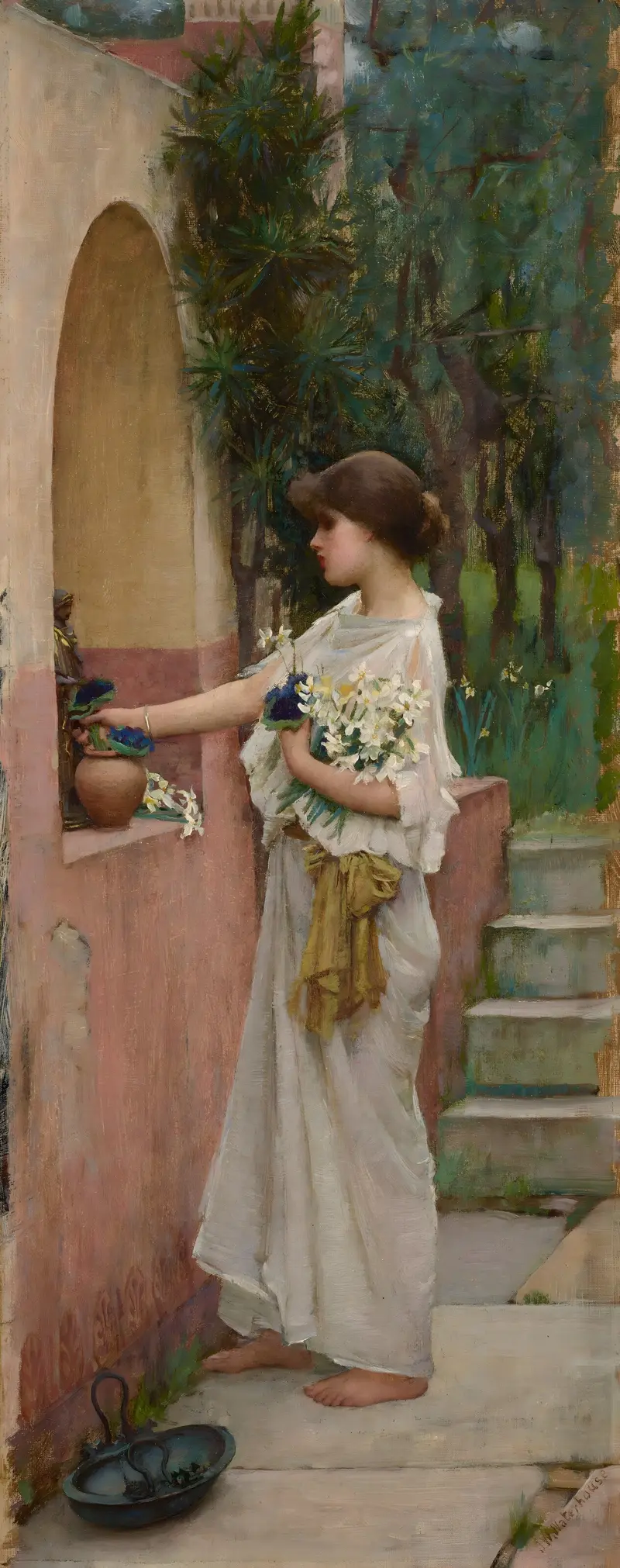
A Roman Offering
John William Waterhouse
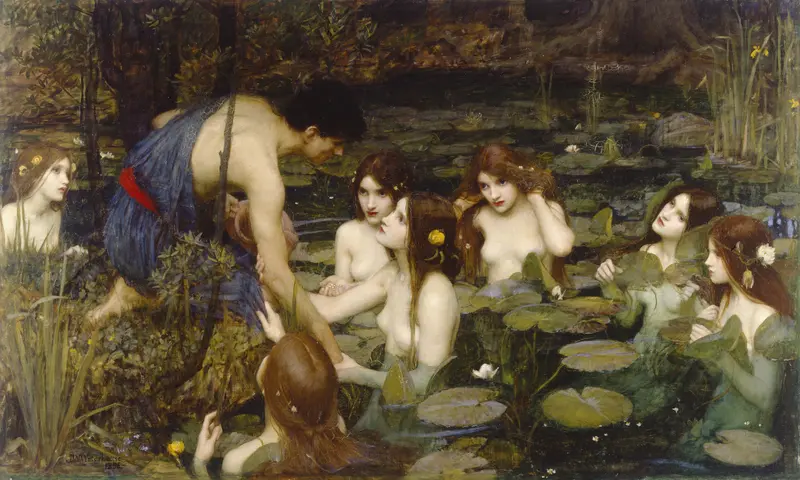
Hylas and the Nymphs
John William Waterhouse
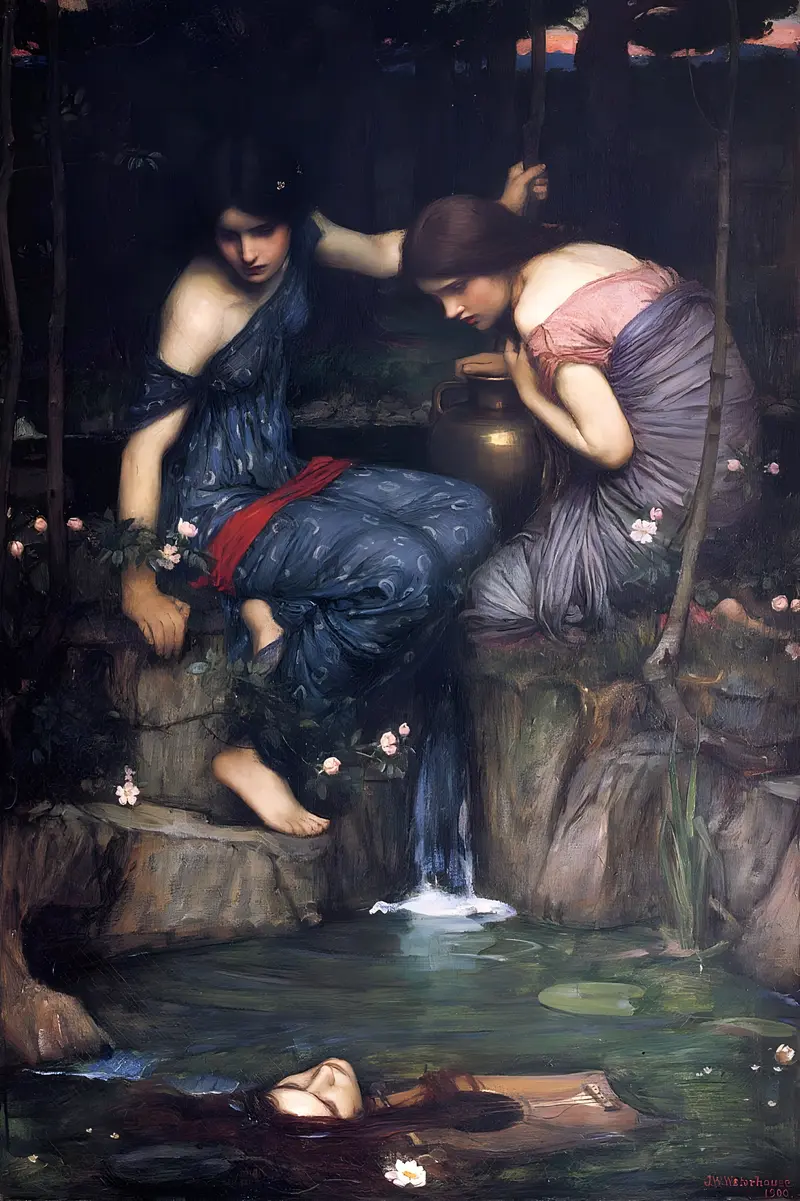
Nymphs Finding the Head of Orpheus
John William Waterhouse
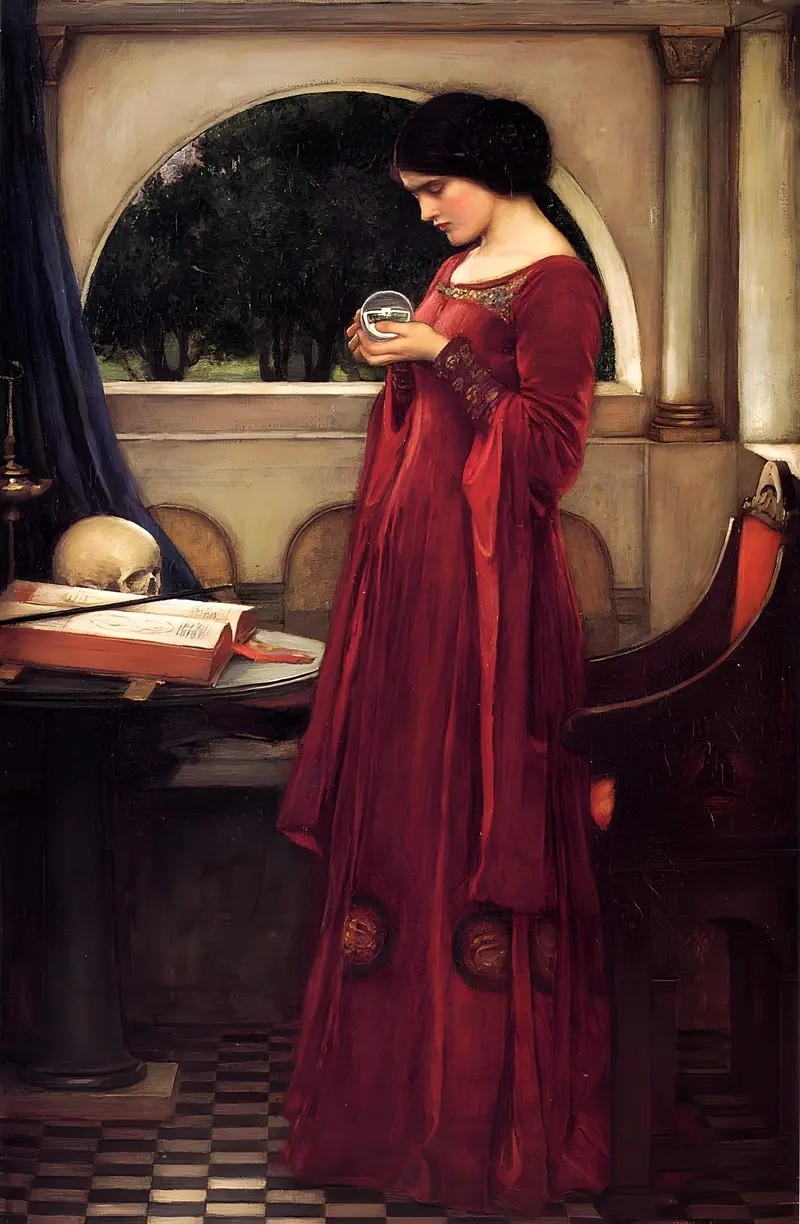
The Crystal Ball
John William Waterhouse
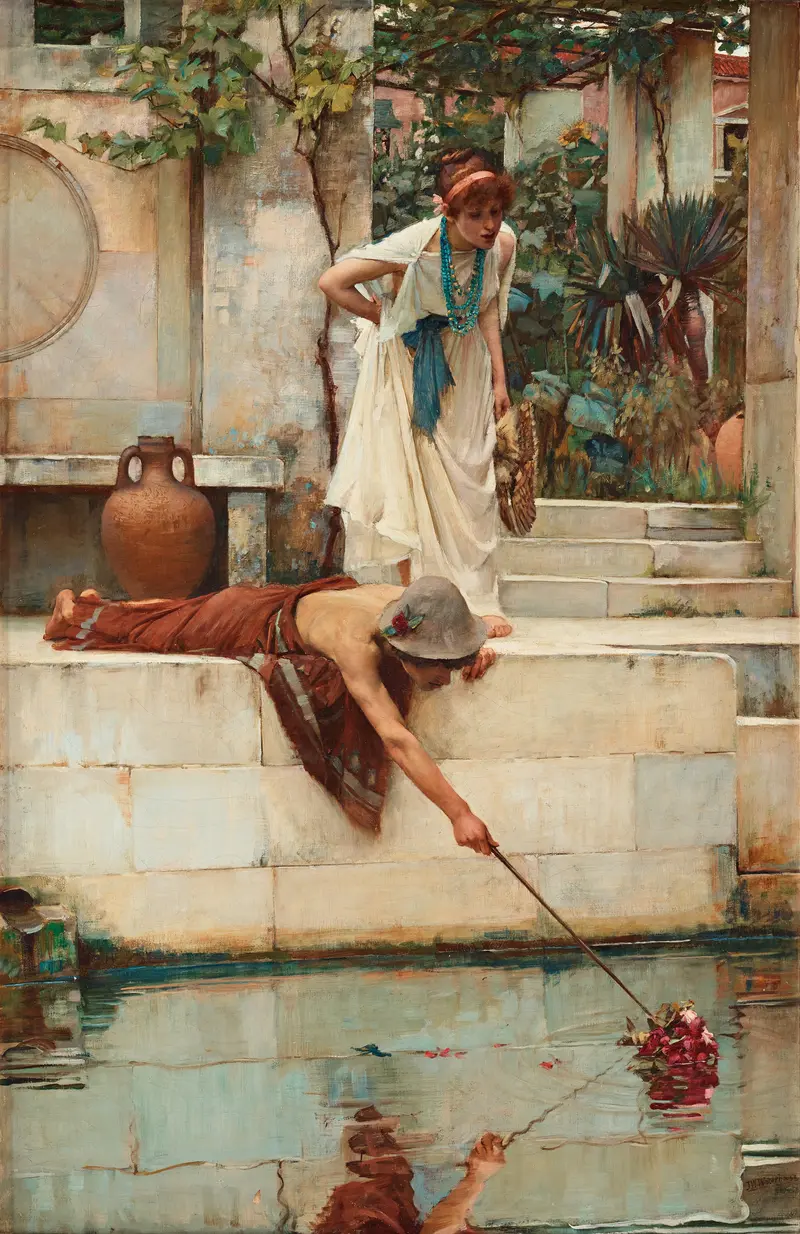
The Rescue
John William Waterhouse
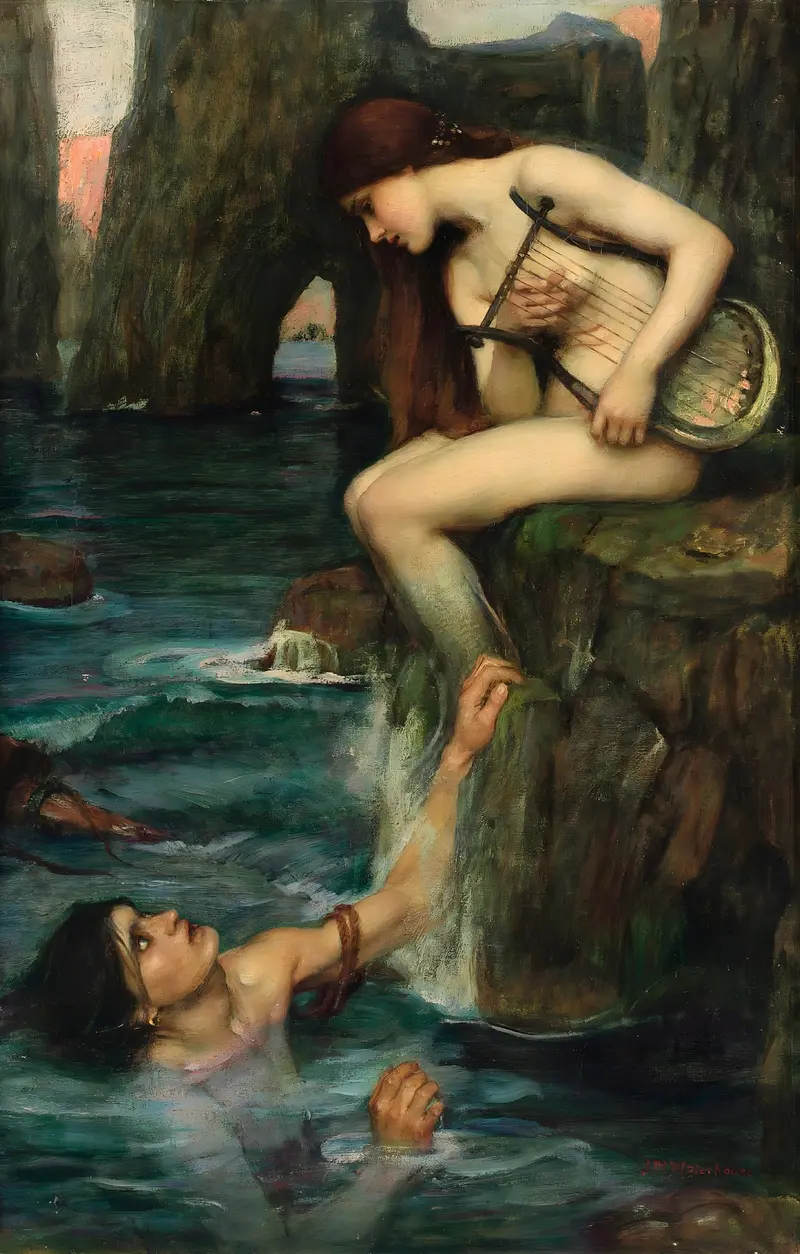
The Siren, 1900
John William Waterhouse
More Genre Scene Art

Banquet of the Officers of the St George Civic Guard
Frans Hals

Rembrandt and Saskia in the Scene of the Prodigal Son
Rembrandt van Rijn

Bal du moulin de la Galette
Pierre-Auguste Renoir

Quadrille at the Moulin Rouge
Henri de Toulouse-Lautrec

A Burial at Ornans
Gustave Courbet

When Will You Marry?
Paul Gauguin