
Hall: St. Augustinus as pater speaking to twelve men — History & Facts
Few works attributed to Raphael are as shrouded in scholarly debate as Hall: St. Augustinus as pater speaking to twelve men. While the painting’s subject is clear, its medium and original location remain uncertain, and its attribution to Raphael has been challenged and defended in equal measure for over a century.
The earliest documentary mention dates to the late 16th century, when an inventory of a Roman cardinal’s collection lists “a Saint Augustine, surrounded by his disciples, by the hand of Raphael.” No preparatory drawings have survived, and the painting’s surface bears no signature, adding to the ongoing mystery. The scene captures a moment of intellectual fervor: Saint Augustine, the great Doctor of the Church, addresses a circle of twelve men—his followers or perhaps the twelve apostles, depending on interpretation. Augustine’s right hand is raised in a gesture of teaching, echoing ancient depictions of philosophers, while the men around him listen intently, some with open books, others with hands poised to write. The play of light focuses on Augustine’s face and hands, underscoring his role as pater, or father-teacher, to his spiritual sons.
The composition recalls the gathering of philosophers in Raphael’s The School of Athens, painted the same year, yet here the atmosphere is more intimate, the figures bound together by a shared search for truth. The journey of Hall: St. Augustinus as pater speaking to twelve men as a physical object is less well documented than many of Raphael’s celebrated works. Some scholars suggest it was commissioned by a religious order in Rome around 1508, possibly as part of a cycle dedicated to the Church Fathers, but no contract or payment record has been found.
Over the centuries, the painting is thought to have passed through several private collections, sometimes attributed to Raphael, sometimes to his workshop. Today, it is rarely exhibited, and its attribution remains a subject of lively debate among art historians, who point to both the strength of its composition and the uncertainty of its provenance as reasons for continued study.
More Artworks by Raphael

Madonna of the Goldfinch
Raphael

Madonna with the Fish
Raphael
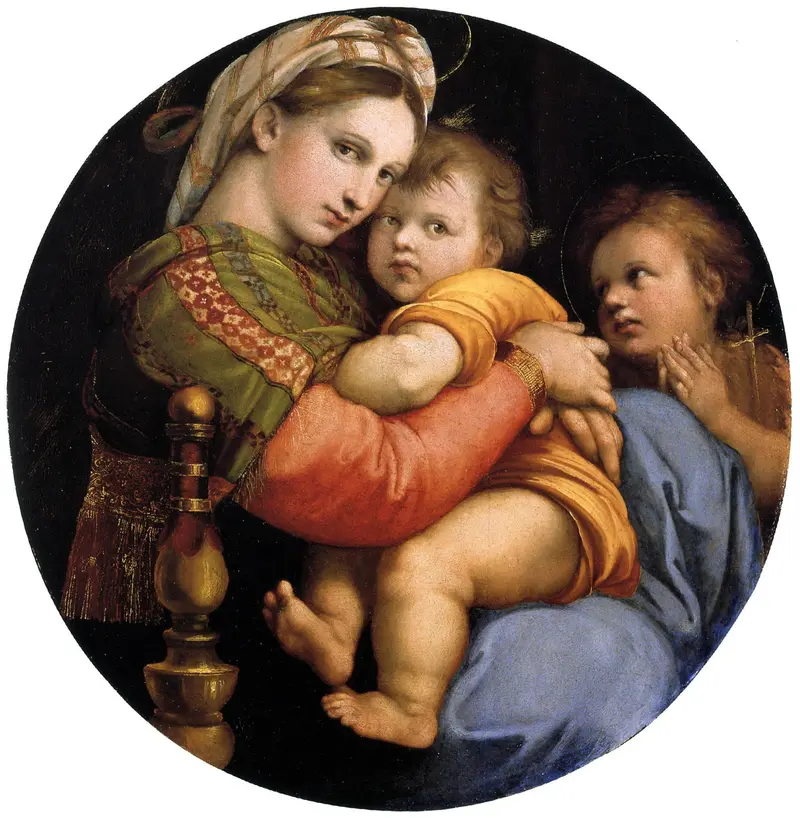
Madonna and Child (Madonna della Seggiola)
Raphael
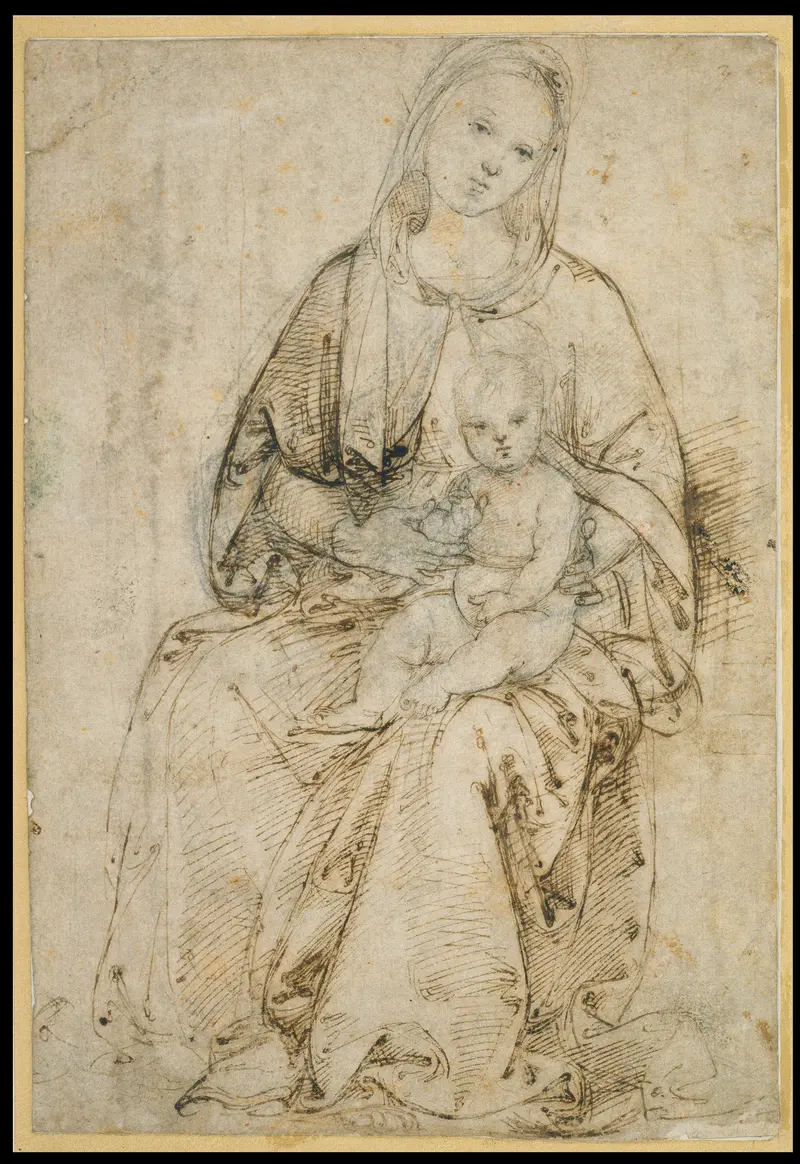
Seated Madonna and Child
Raphael
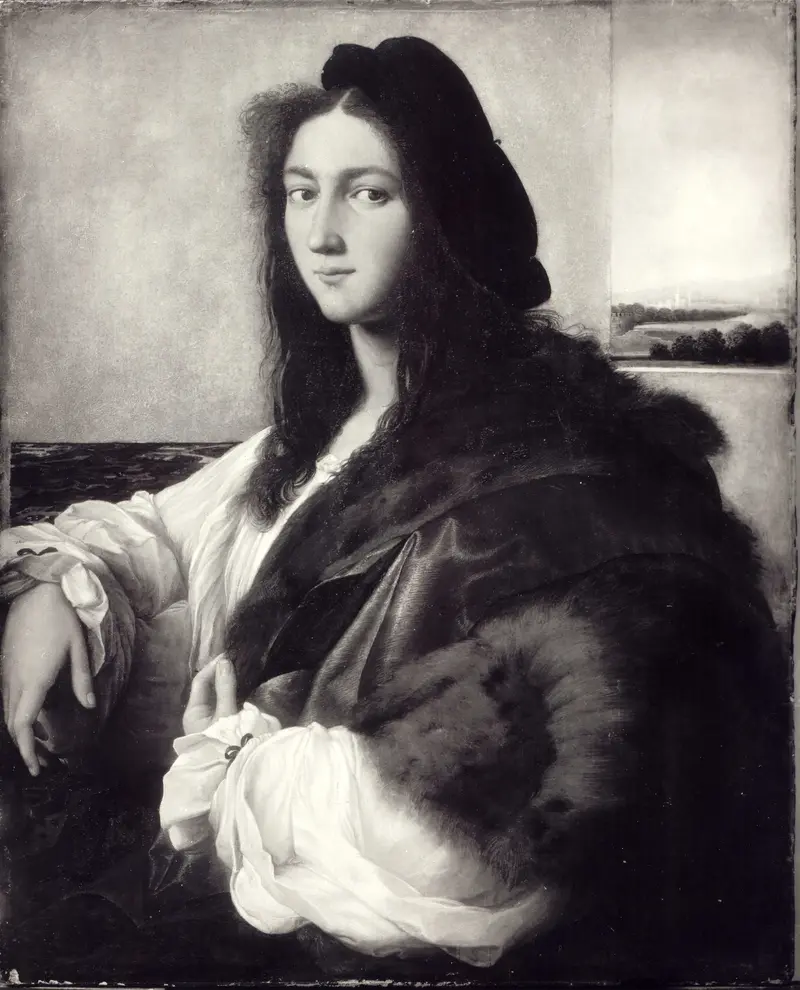
Portrait of a Young Man
Raphael
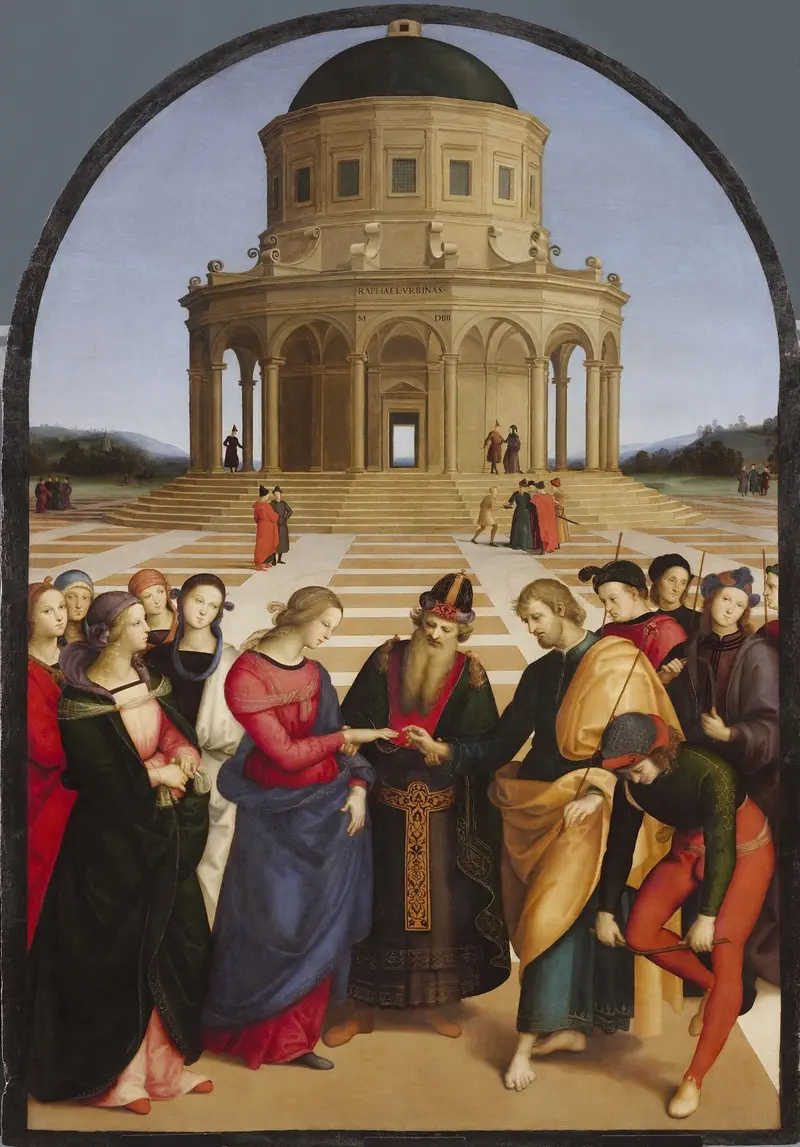
The Marriage of the Virgin
Raphael
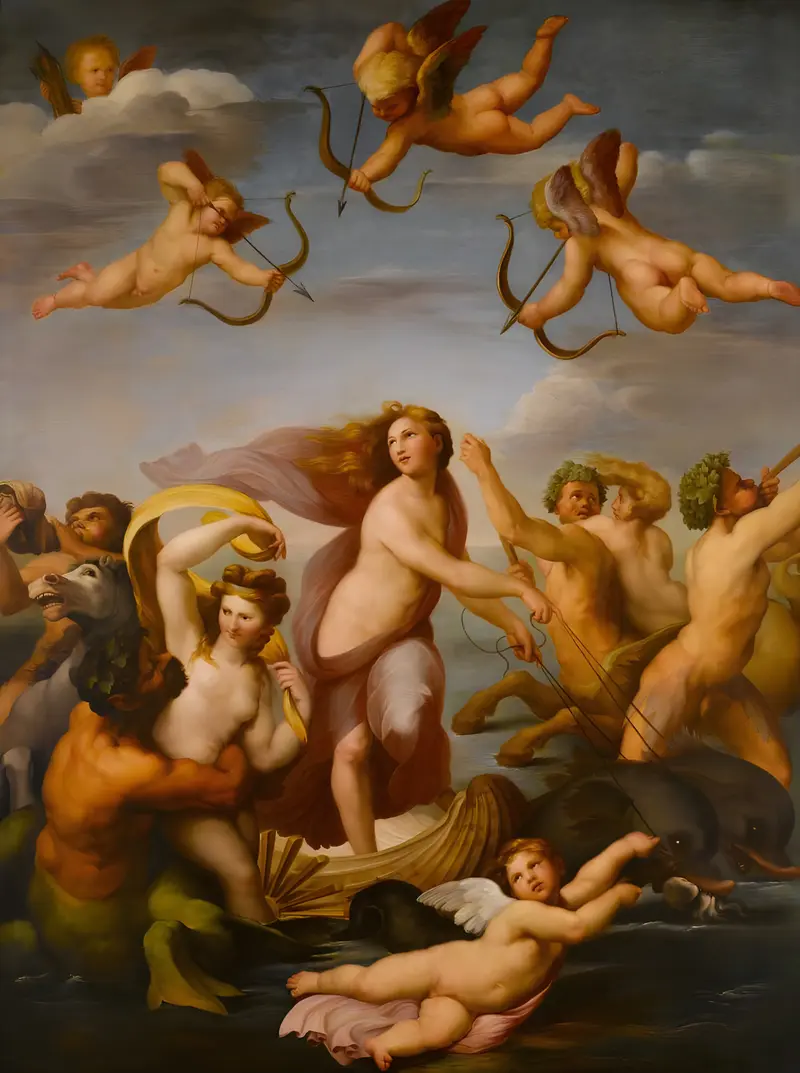
The Triumph of Galatea (copy after Raphael)
Raphael
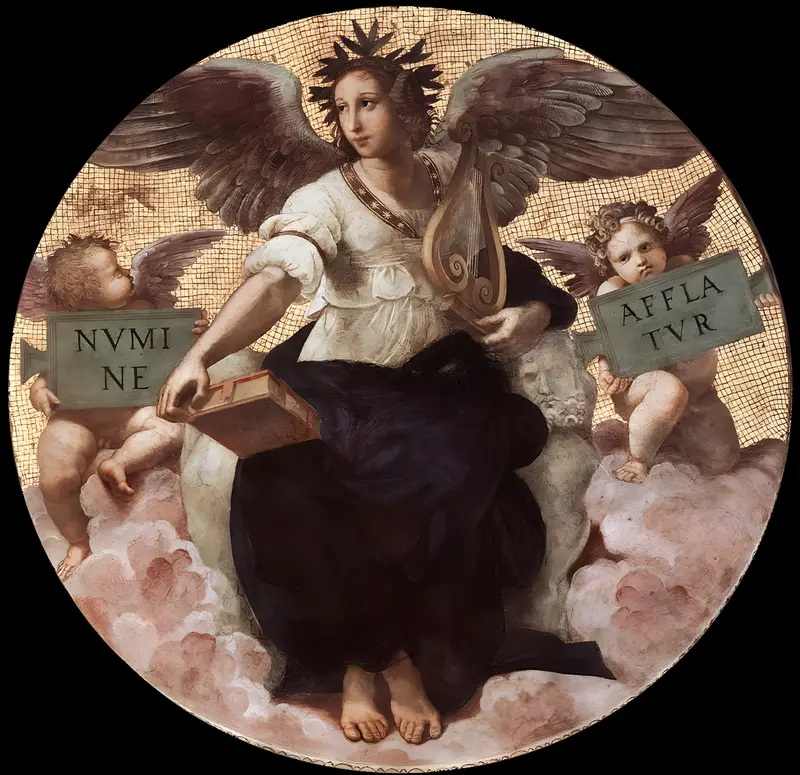
Poetry
Raphael
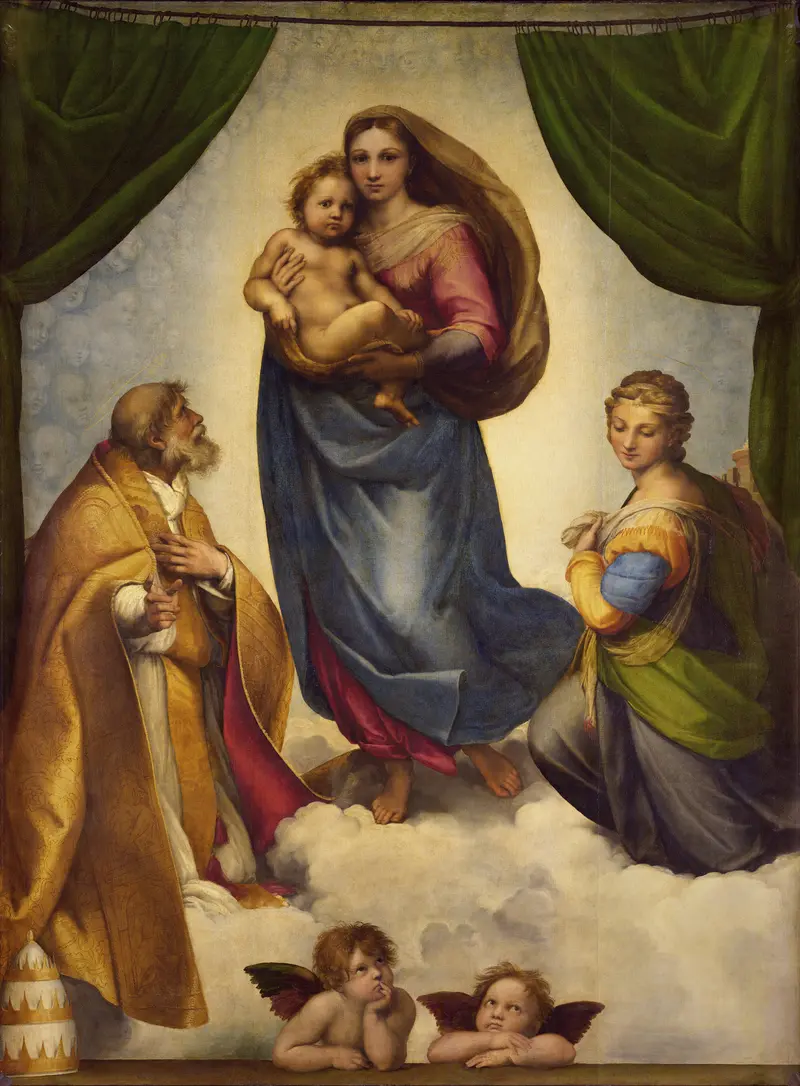
Sistine Madonna
Raphael
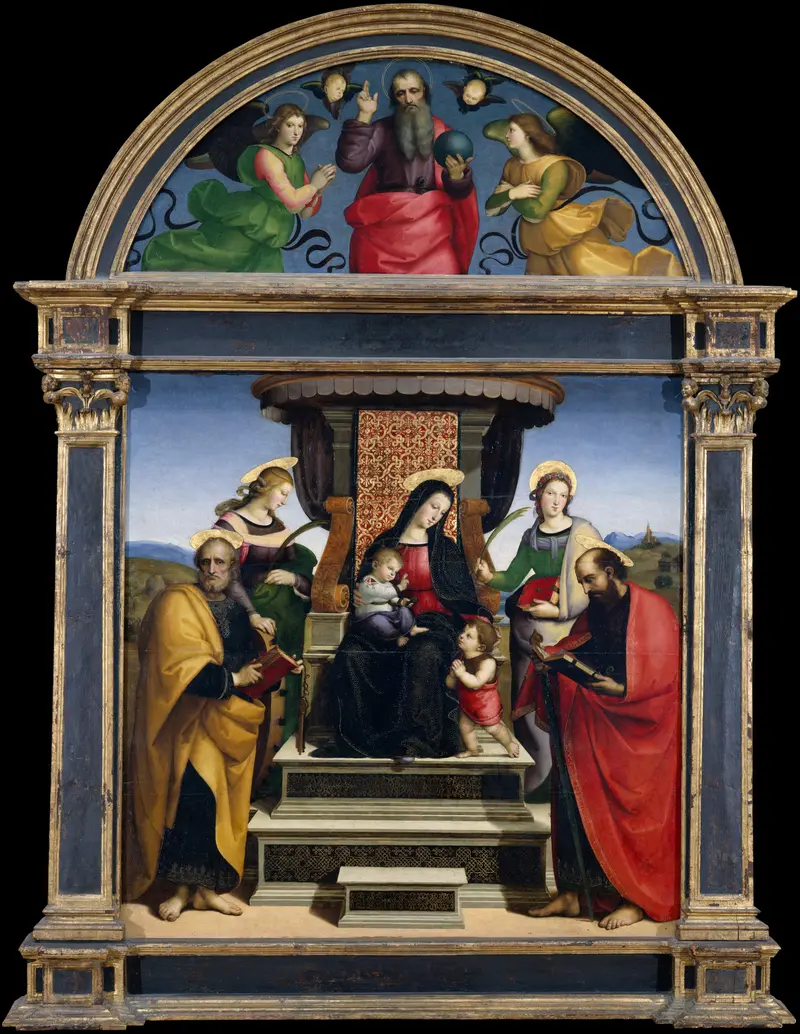
Madonna and Child Enthroned with Saints
Raphael




