
Happy Lovers — History & Facts
When Happy Lovers appeared around 1760, it was quickly recognized as a dazzling example of Jean-Honoré Fragonard’s gift for capturing the spirit of the Rococo age. The painting’s fame spread in part because Fragonard, then still in his twenties, had just returned from Rome, where he had absorbed the lessons of the Old Masters and the antique world. It is said that the theme of young love, rendered with such freshness and immediacy, was so admired that Fragonard painted several versions of the subject; the whereabouts and details of all are still debated by scholars.
This proliferation of “happy lovers” attests to both the popularity of the theme and the artist’s own delight in variations on a mood. At the heart of the painting, a young couple sits entwined beneath a leafy arbor, their faces aglow with shared laughter. The moment Fragonard selects is not one of secret trysts or tragic farewells, but a sunlit pause where affection is open and mutual. The girl’s hand rests lightly on her companion’s shoulder, while his gaze is fixed on her, their intimacy underscored by the lush foliage that frames them, both sheltering and isolating them from the world.
The loose, feathery brushwork—so different from the polished surfaces of Boucher—gives the scene a sense of movement and spontaneity, as if the breeze might shift the leaves or the lovers might burst into laughter at any second. The delicate pinks and golds of their clothing, the play of light on their skin, all reinforce the painting’s mood of youthful delight. The precise early history of this version of Happy Lovers is unclear, as is often the case with Fragonard’s smaller, intimate works, which were frequently created for private patrons or as gifts. Over the centuries, the painting has been attributed to different hands, but consensus now firmly credits it to Fragonard, whose style is unmistakable in the swift, expressive handling of paint.
Today, the work is celebrated as a quintessential example of Rococo’s playful, sensual side, and it remains a favorite in museum collections, offering visitors a glimpse into the pleasures and pastimes of eighteenth-century France. For Fragonard, scenes like this marked the beginning of a career spent exploring the many faces of love and leisure, themes he would return to throughout his life.
More Artworks by Jean-Honoré Fragonard
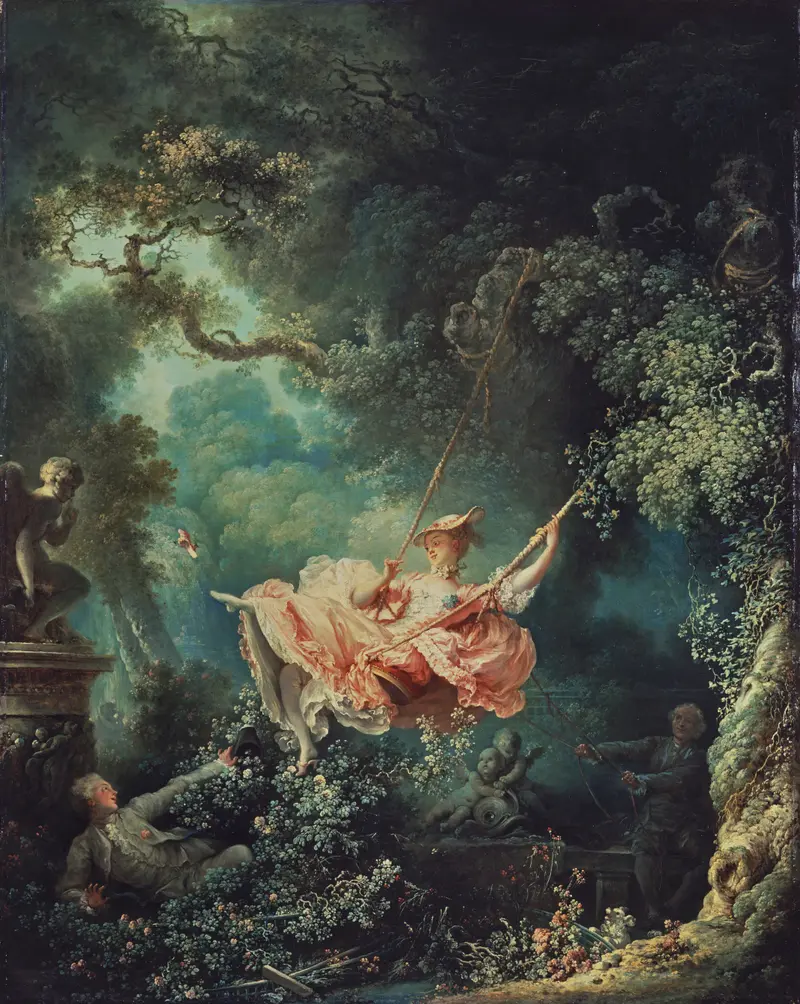
The Swing
Jean-Honoré Fragonard

The Swing
Jean-Honoré Fragonard
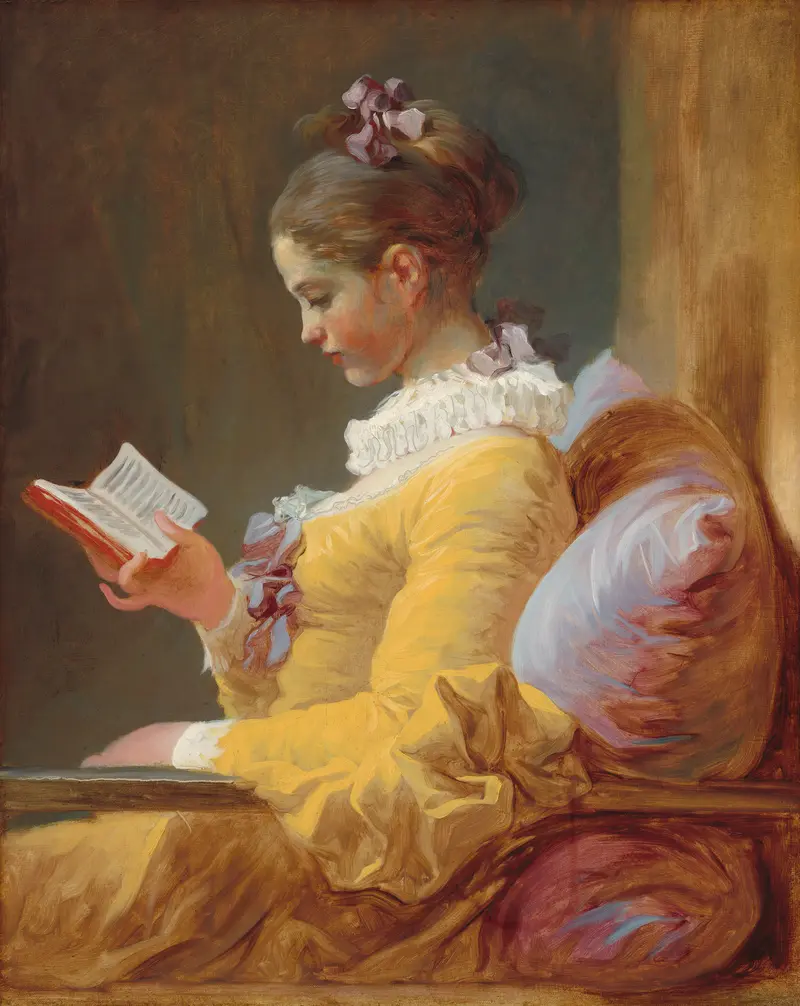
A Young Girl Reading
Jean-Honoré Fragonard
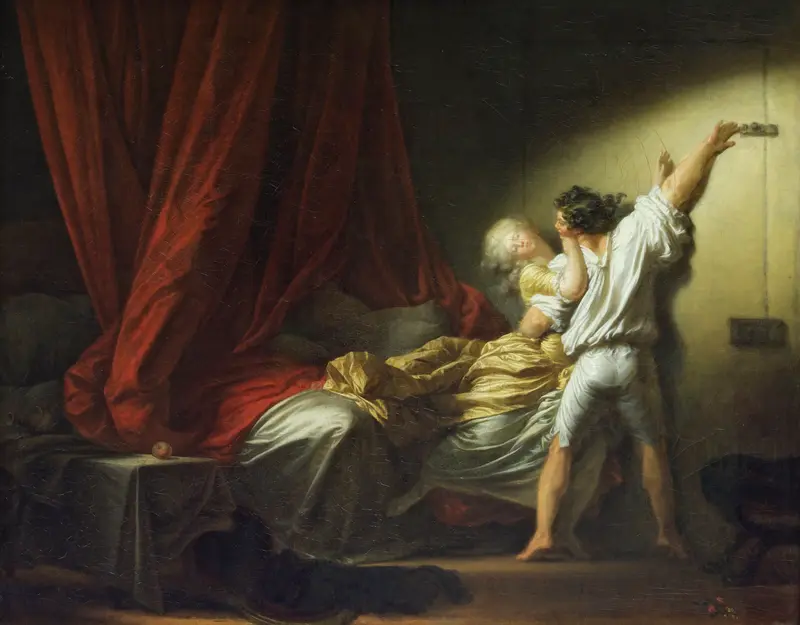
The Lock
Jean-Honoré Fragonard
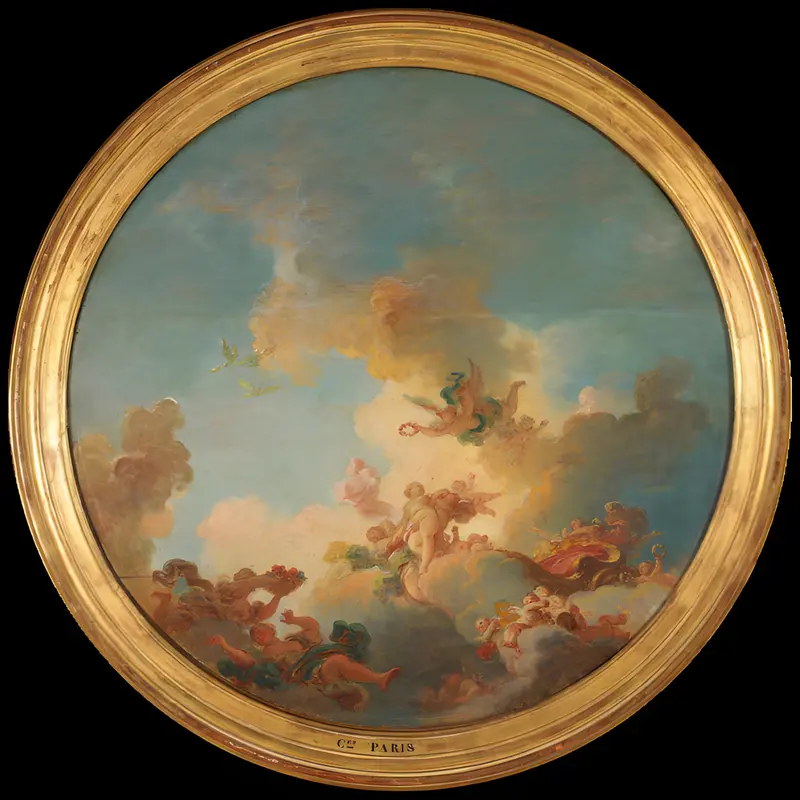
The Triumph of Venus
Jean-Honoré Fragonard
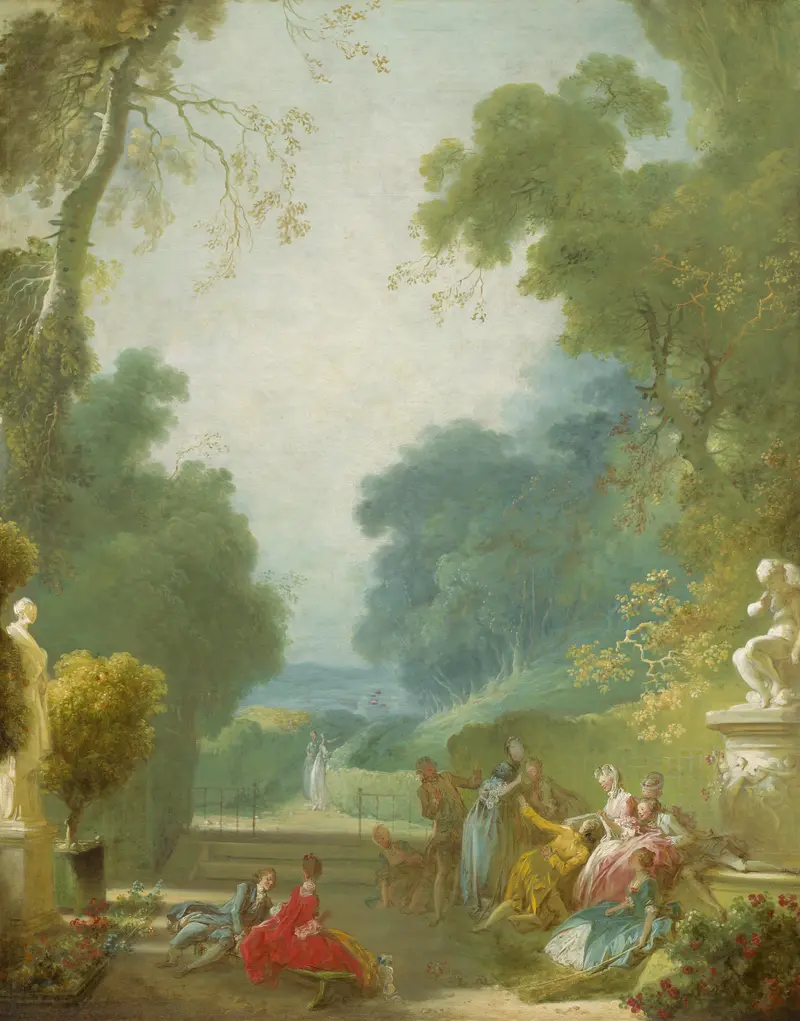
A Game of Hot Cockles
Jean-Honoré Fragonard
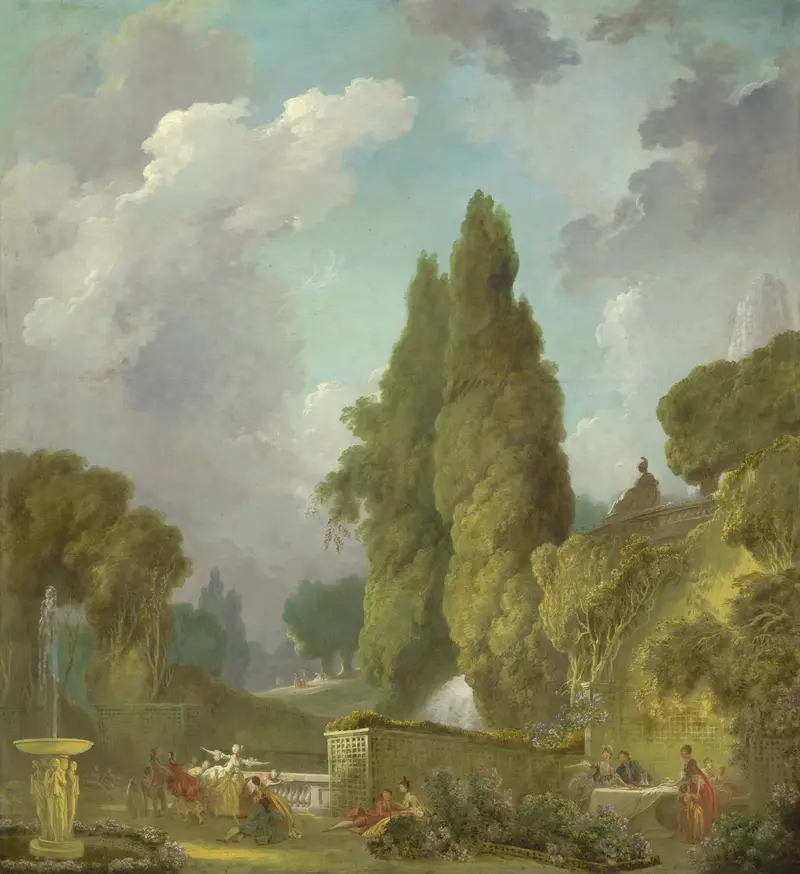
Blindman’s Buff
Jean-Honoré Fragonard
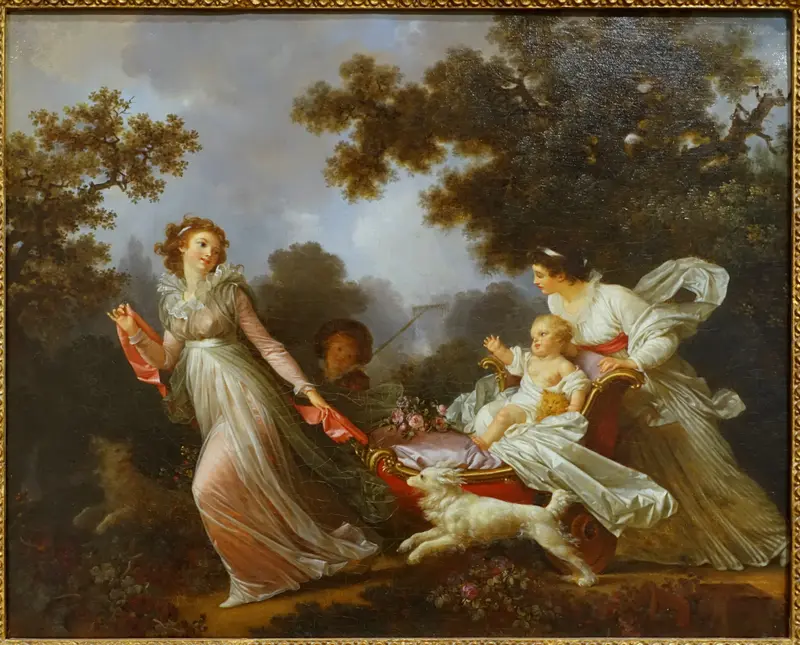
The Beloved Child
Jean-Honoré Fragonard
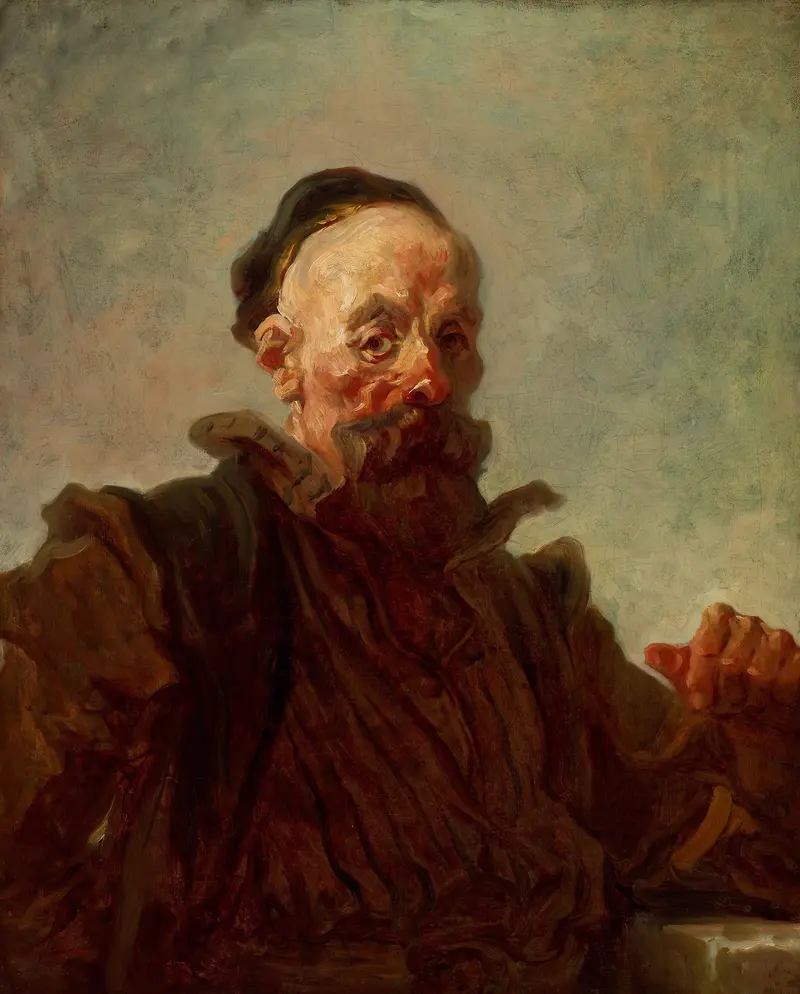
Portrait of a Man in Costume
Jean-Honoré Fragonard
The First Steps
Jean-Honoré Fragonard
More Genre Scene Art

Banquet of the Officers of the St George Civic Guard
Frans Hals

Rembrandt and Saskia in the Scene of the Prodigal Son
Rembrandt van Rijn

Bal du moulin de la Galette
Pierre-Auguste Renoir

Quadrille at the Moulin Rouge
Henri de Toulouse-Lautrec

A Burial at Ornans
Gustave Courbet

When Will You Marry?
Paul Gauguin