
Head of Victory, study for The Apotheosis of Homer — History & Facts
When Jean Auguste Dominique Ingres was commissioned in 1826 to paint The Apotheosis of Homer for the ceiling of the Louvre’s Salle Clarac, he labored over dozens of preparatory studies. Among them, Head of Victory stands out as a rare glimpse into his obsessive pursuit of ideal beauty—so much so that Ingres’s friend and fellow artist, Delacroix, remarked with both admiration and rivalry on the “purity of line” that Ingres achieved in these studies. This particular head would become the model for the winged figure crowning Homer with a laurel wreath in the final mural, a detail that would later be admired by critics for its classical serenity. In this study, Ingres captures Victory at the instant she leans forward, arm outstretched, to bestow immortality upon the ancient poet.
Her gaze is calm, her features sculpted with a precision that echoes the marble busts of antiquity—an effect heightened by the smooth modeling of her cheeks and the severe, almost architectural, line of her brow. The laurel wreath she holds is not just a symbol of triumph, but an emblem of poetic genius, linking Homer to the gods themselves. Unlike the tumultuous Victories of Antonio Canova or the dynamic allegories of David, Ingres’s figure is restrained, her dignity undisturbed by movement or passion. The medium of Head of Victory is not firmly documented, but it is likely a drawing or oil study, typical of Ingres’s preparatory process in the 1820s.
The work remained in the artist’s studio, a private testament to his working method, until it surfaced in later exhibitions devoted to his studies. Today, it is valued not only as a fragment of the monumental Apotheosis of Homer, but also as an independent expression of Ingres’s lifelong dialogue with the art of Greece and Rome. In the arc of his career, these studies mark the moment when he fused his academic training with his own vision of classical perfection.
More Artworks by Jean Auguste Dominique Ingres
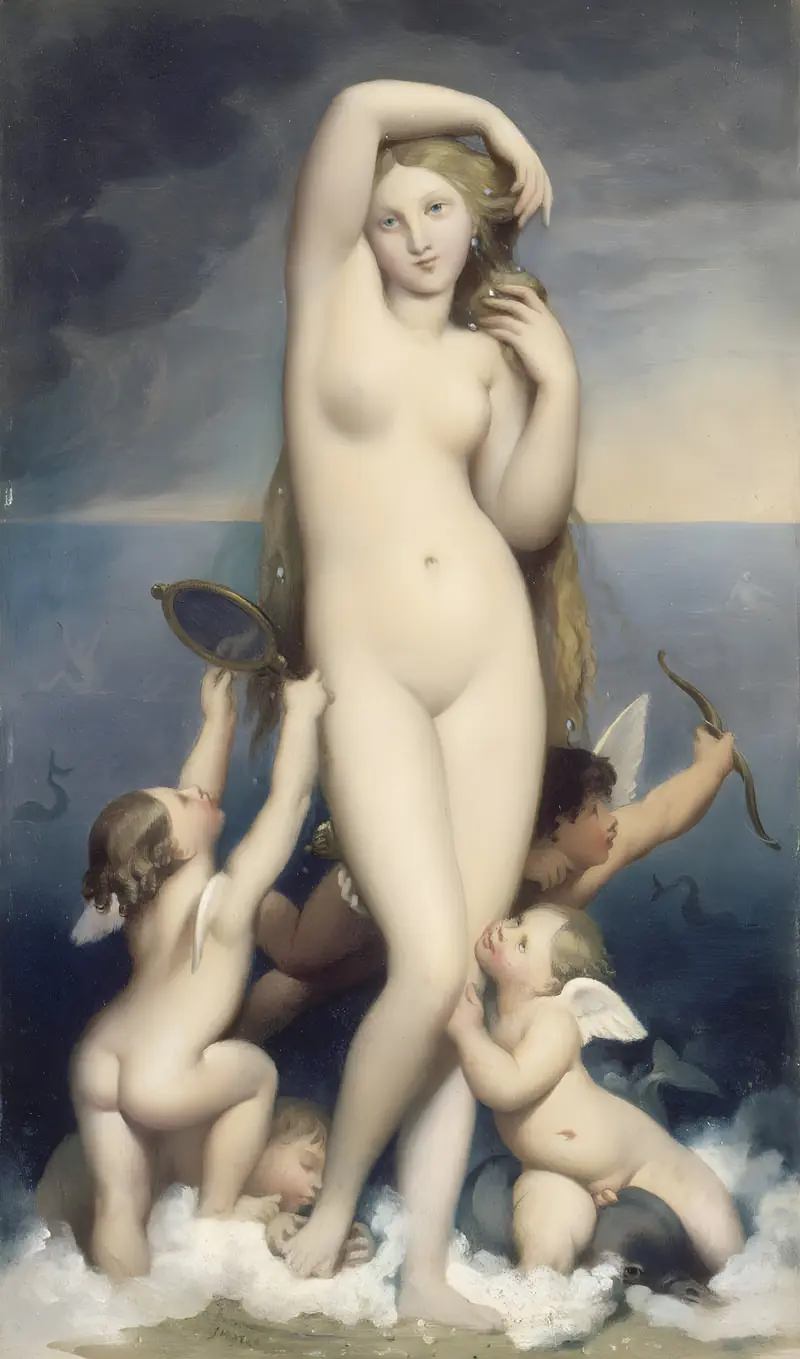
Vénus anadyomène
Jean Auguste Dominique Ingres
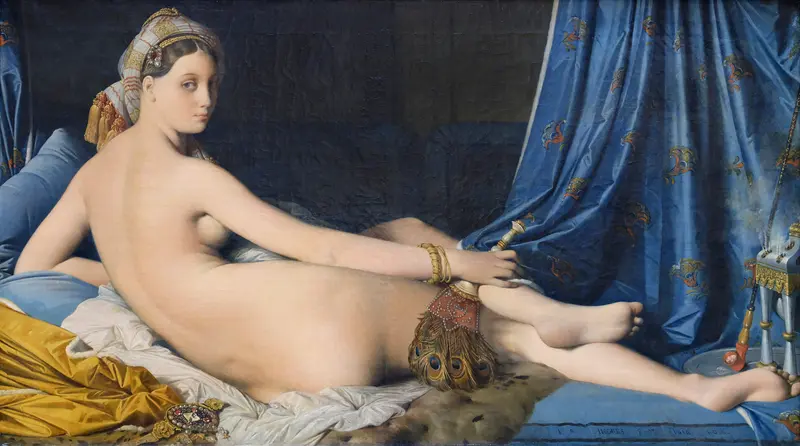
Grande Odalisque
Jean Auguste Dominique Ingres
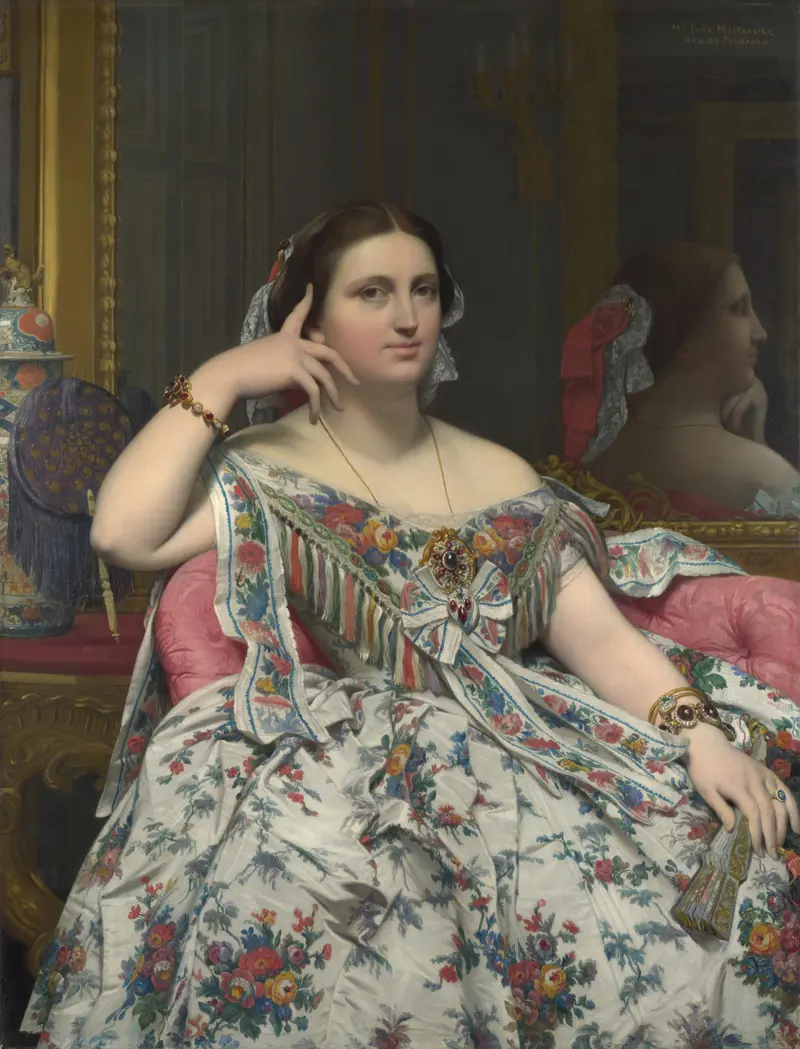
Madame Moitessier (seated)
Jean Auguste Dominique Ingres
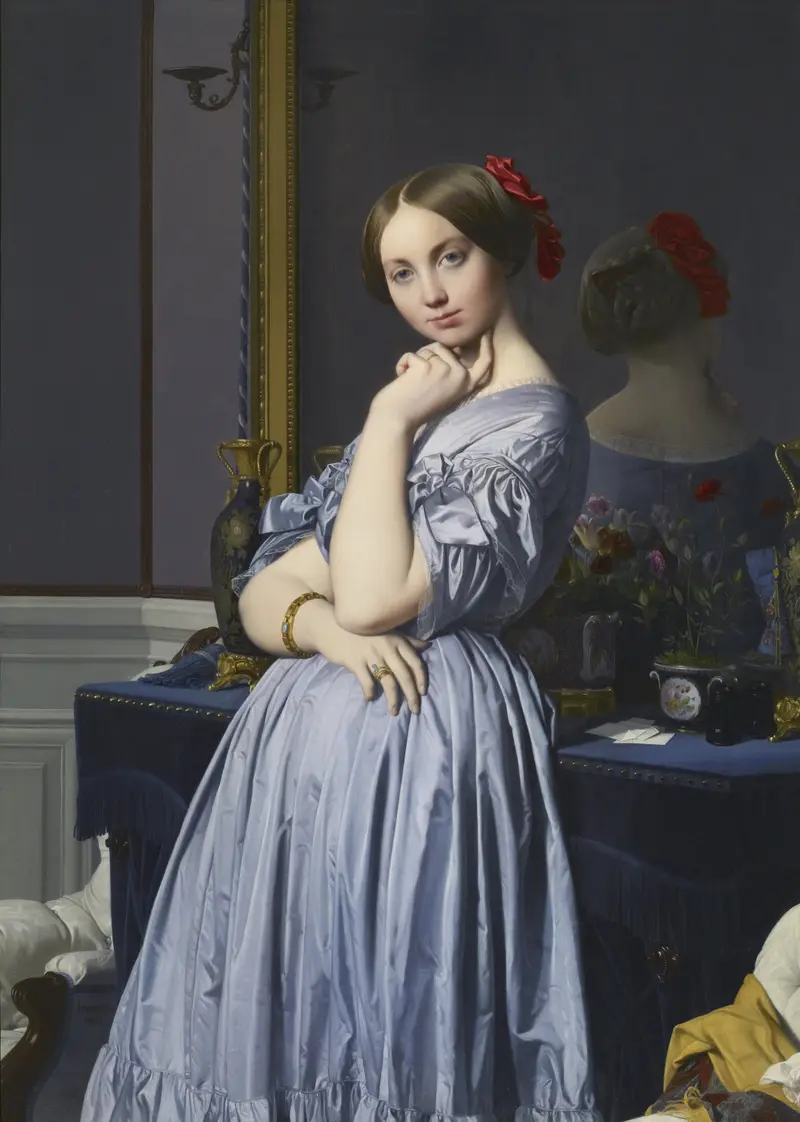
Portrait of Comtesse d’Haussonville
Jean Auguste Dominique Ingres
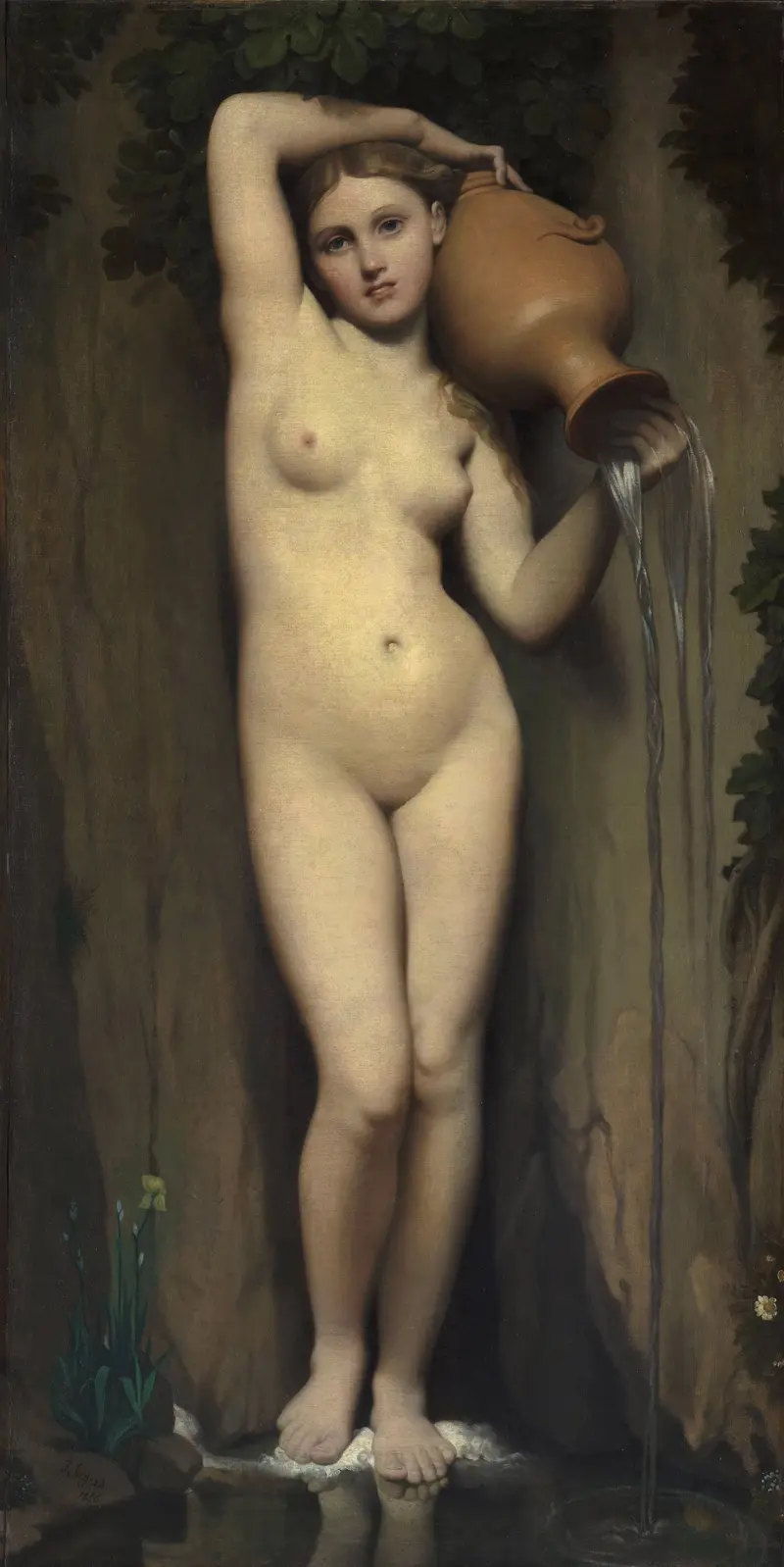
The Source
Jean Auguste Dominique Ingres
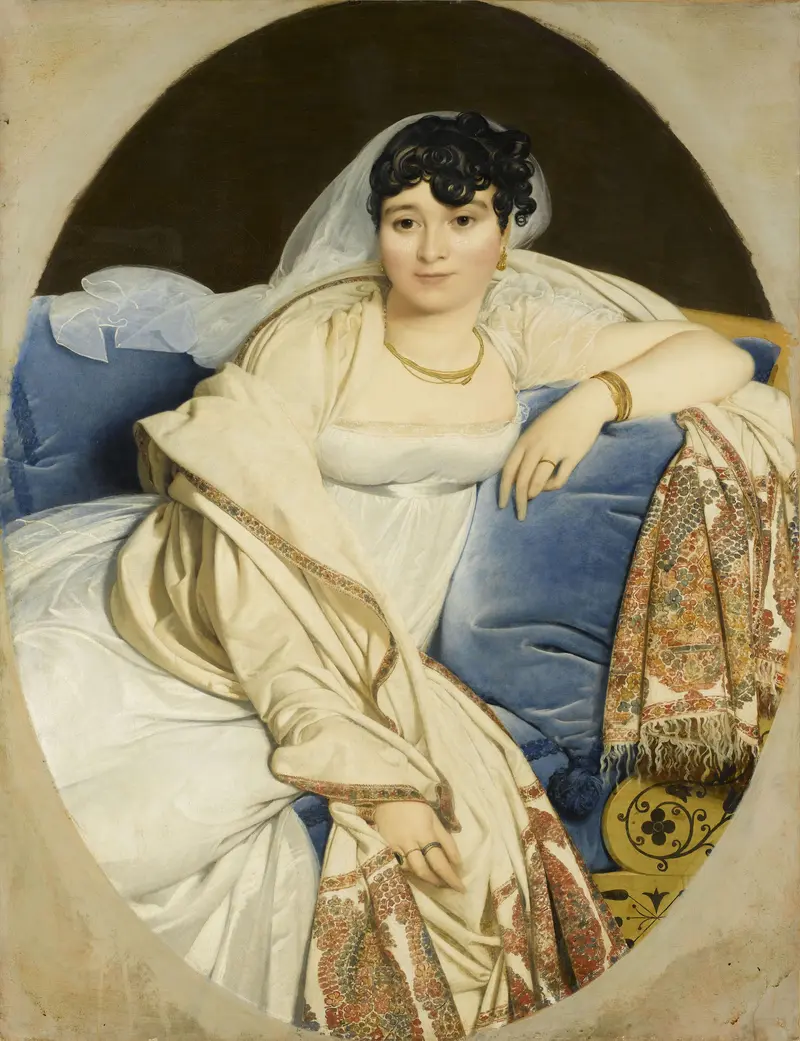
Madame Rivière
Jean Auguste Dominique Ingres

Madame Jean-Auguste-Dominique Ingres, née Madeleine Chapelle
Jean Auguste Dominique Ingres

Portrait of a Lady
Jean Auguste Dominique Ingres
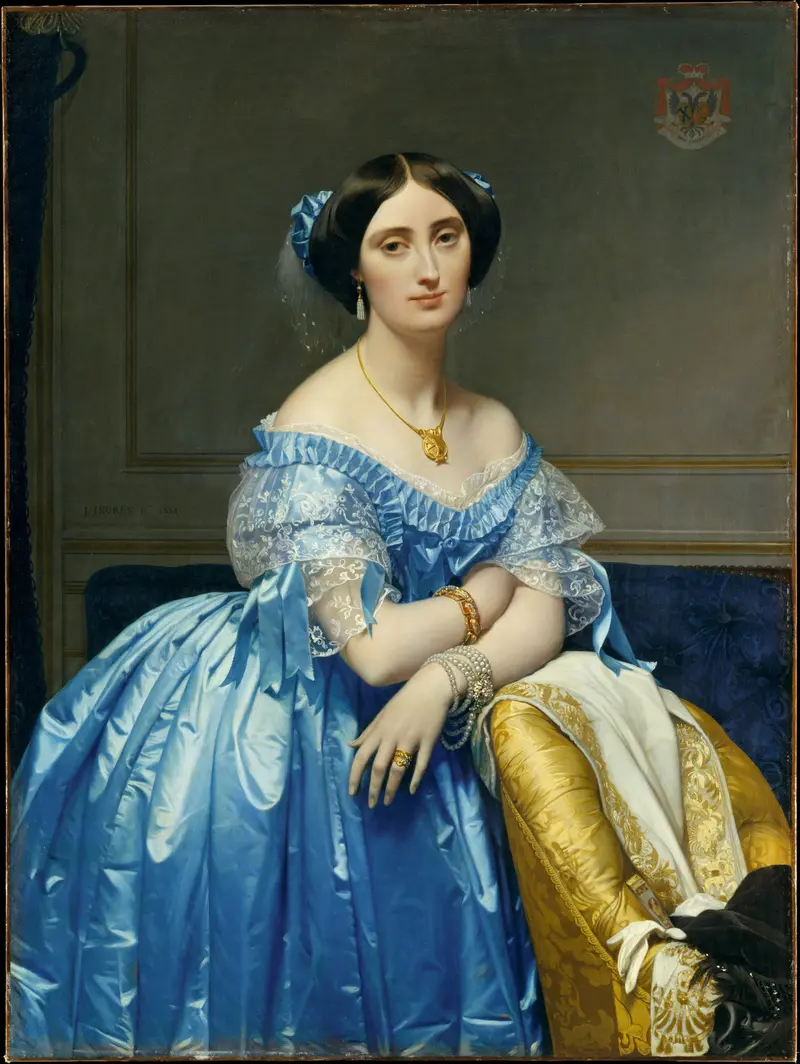
Joséphine-Éléonore-Marie-Pauline de Galard de Brassac de Béarn (1825–1860), Princesse de Broglie
Jean Auguste Dominique Ingres
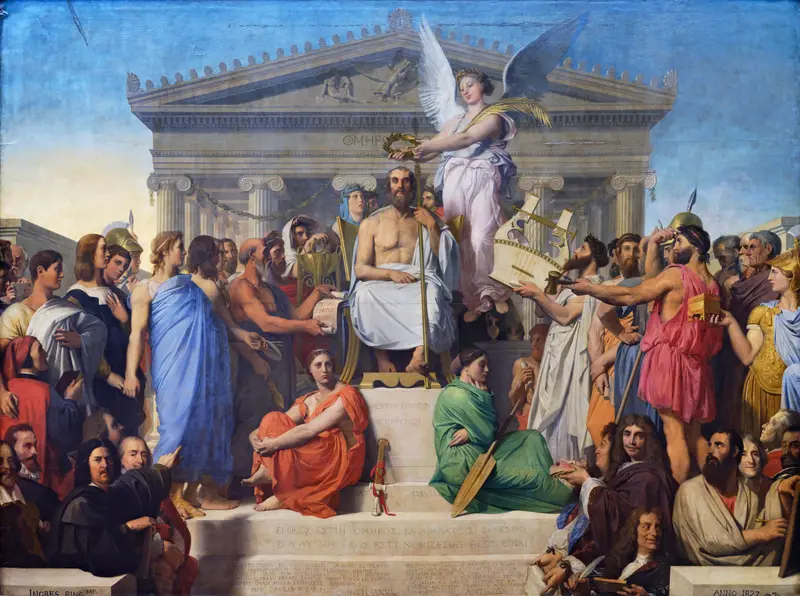
The Apotheosis of Homer
Jean Auguste Dominique Ingres



