
Hélène is Restless — History & Facts
When Mary Cassatt exhibited Hélène is Restless in 1890, critics immediately noted its departure from the more serene domestic scenes that had made her reputation. Unlike many of her contemporaries in the Impressionist circle, Cassatt was fascinated by the subtle dramas of childhood, and this work captures a moment of agitation that unsettled some viewers. The identity of Hélène remains uncertain, though some suggest she may have been a relative or the daughter of a friend, as Cassatt often painted children from her social circle.
What is certain is that Cassatt’s exploration of childhood psychology here was ahead of its time, prompting one Parisian reviewer to remark on her "keen eye for the tempests of the nursery." At the heart of the painting, a young girl twists away from the unseen adult, her body tense, gaze averted, hands clenched in her lap. Cassatt freezes the instant before a tantrum or tears, leaving the viewer to wonder what has unsettled Hélène so deeply. The light, filtered through what appears to be a window just out of frame, falls unevenly across her dress, highlighting the restless energy in her small limbs.
The composition is intimate, the space compressed, drawing our attention to the girl's emotional state rather than her surroundings. Unlike Renoir’s more sentimental depictions of children, Cassatt refuses to idealize her subject, instead offering a frank look at the volatility of youth. The precise medium of Hélène is Restless is not firmly documented, though Cassatt was experimenting with both oil and pastel around this period. The painting’s early provenance is unclear, but it is known that Cassatt frequently exhibited her works in both Paris and Philadelphia, often selling directly to collectors rather than through dealers.
Today, Hélène is Restless is recognized as a pivotal work in Cassatt’s career, marking her shift toward psychological depth and complexity in her portraits of children. Its current location is not widely published, and the painting remains less reproduced than her more iconic mother-and-child scenes, making it a rare glimpse into the artist’s evolving vision at the dawn of the 1890s.
More Artworks by Mary Cassatt

The Child's Bath
Mary Cassatt
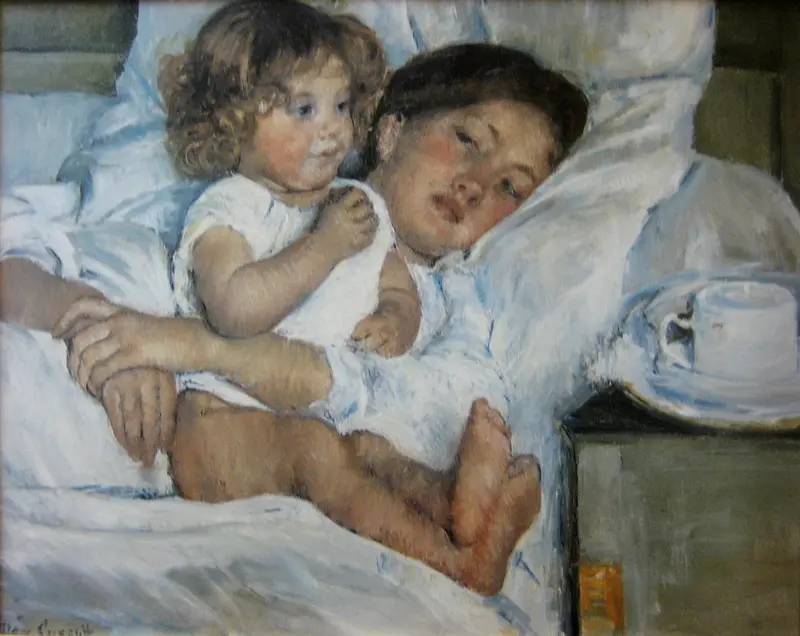
Breakfast in Bed
Mary Cassatt

Mother and Child (Baby Getting Up from His Nap)
Mary Cassatt
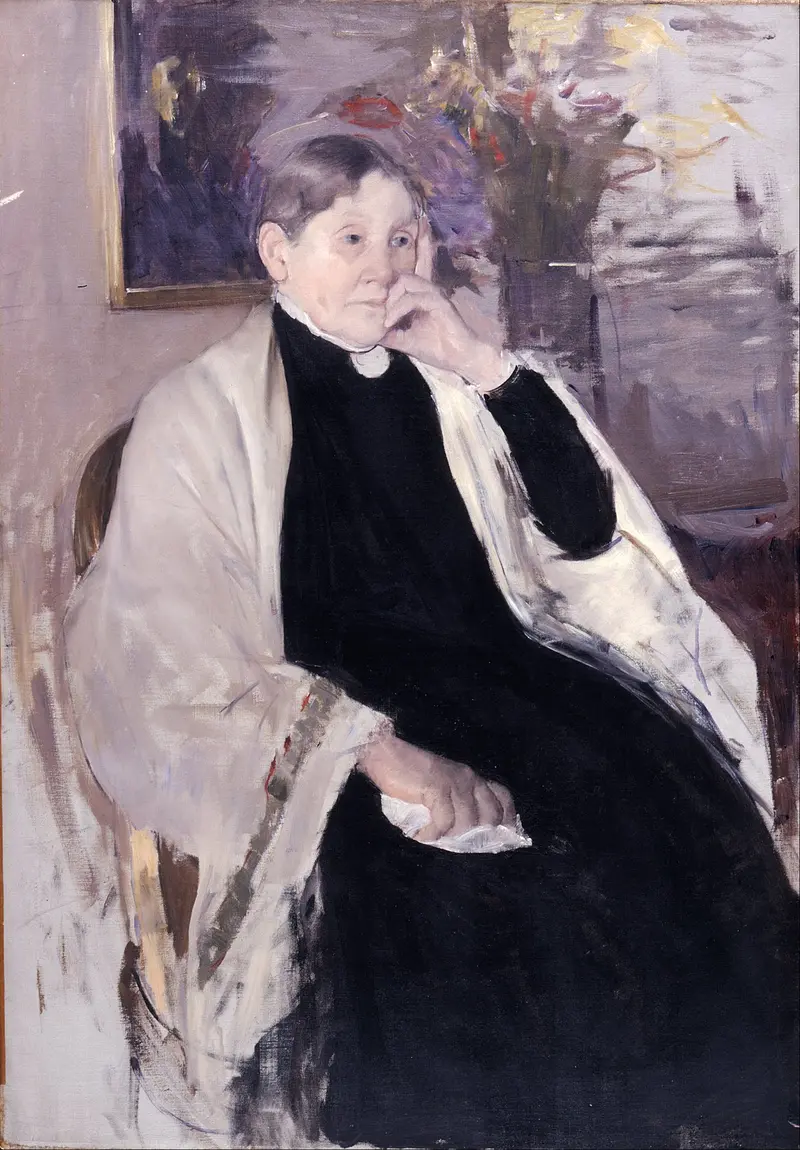
Mrs. Robert S. Cassatt, the Artist's Mother
Mary Cassatt
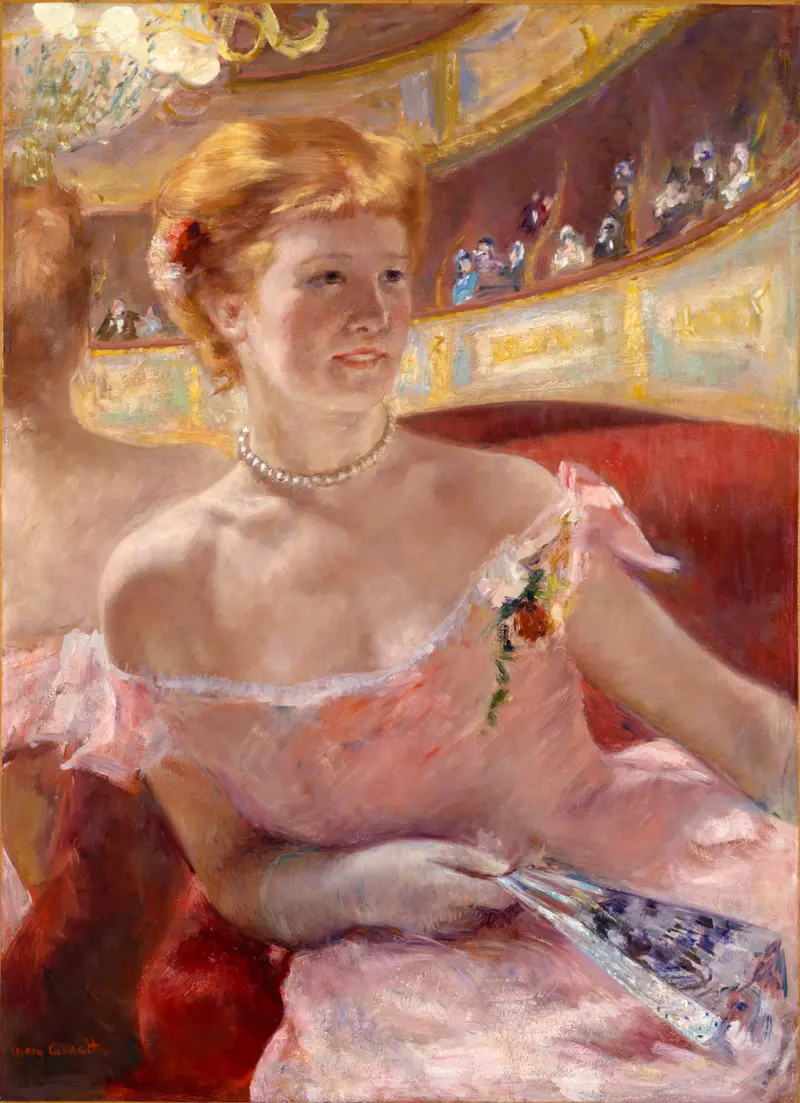
Woman with a Pearl Necklace in a Loge
Mary Cassatt
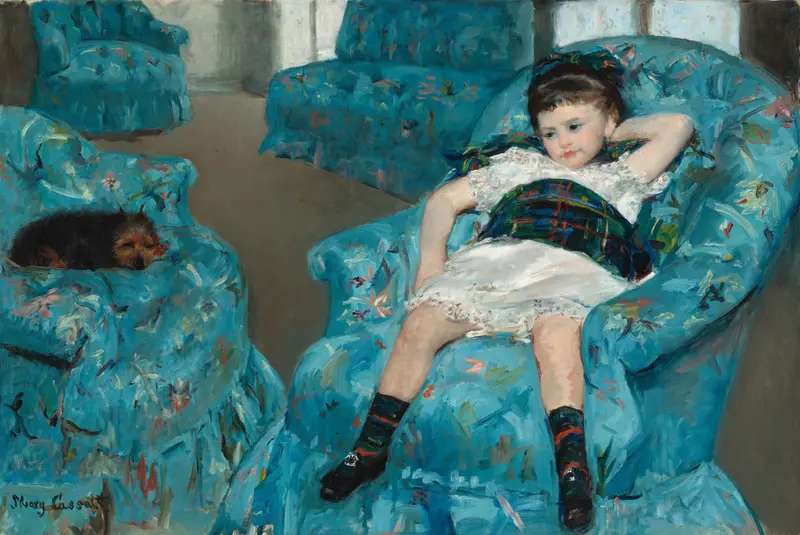
Little Girl in a Blue Armchair
Mary Cassatt
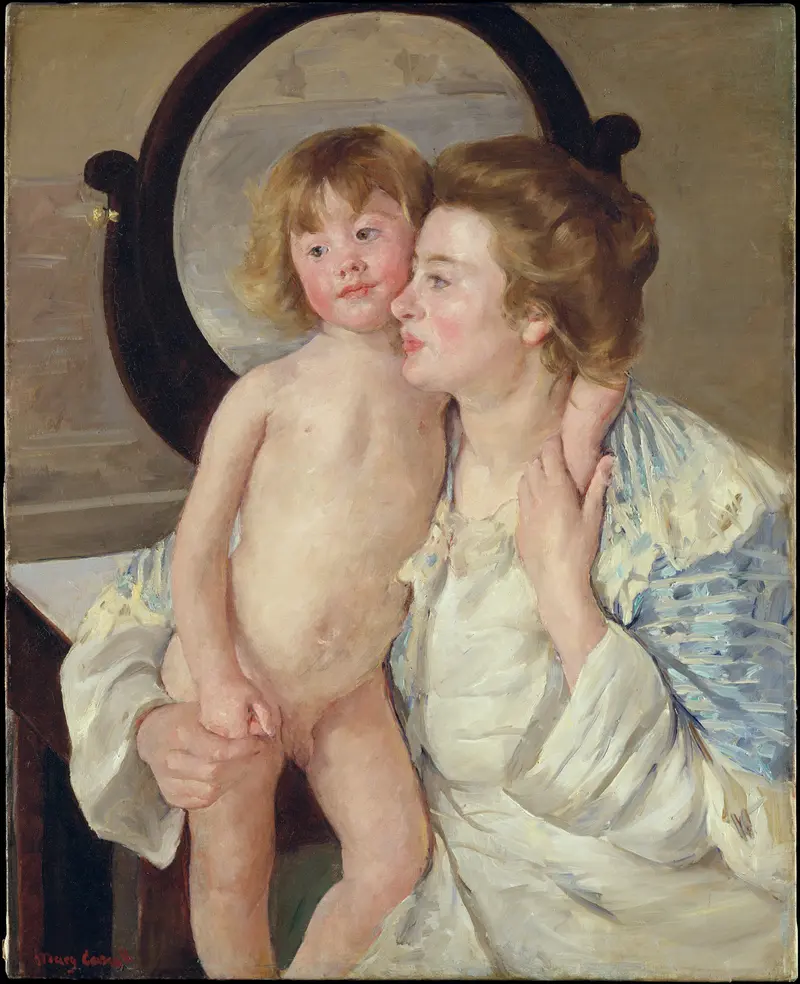
Mother and Child (The Oval Mirror)
Mary Cassatt
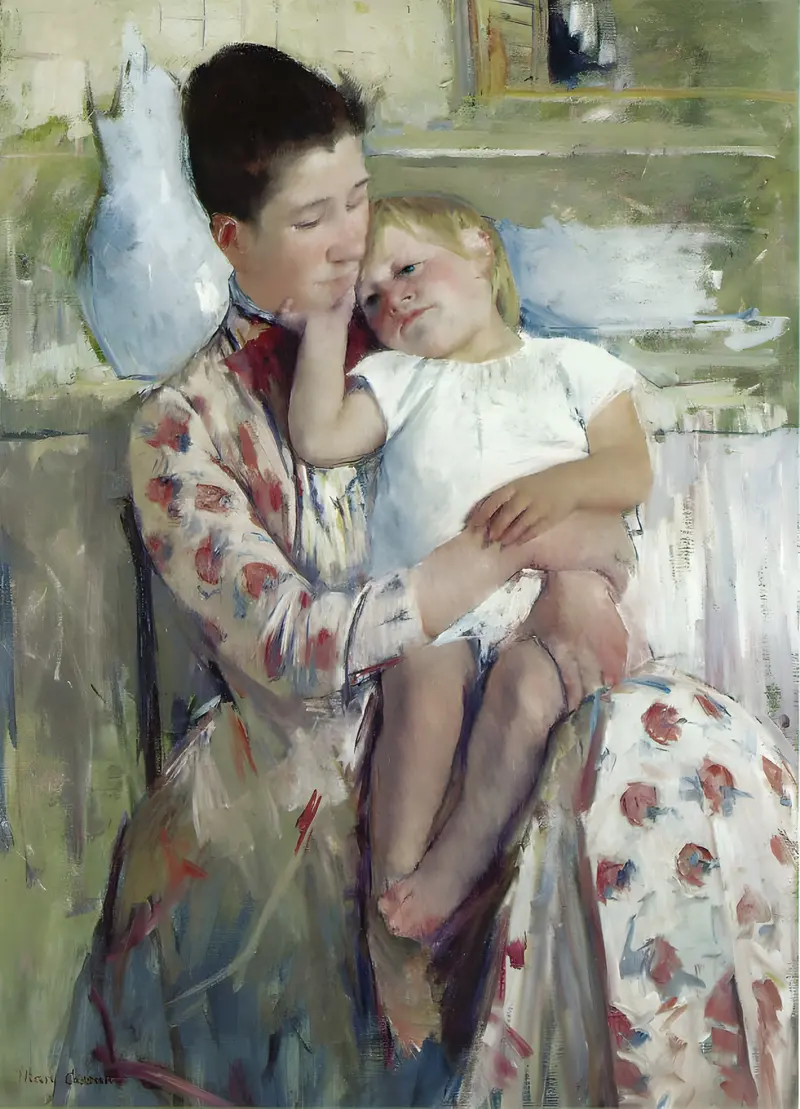
Mother and Child
Mary Cassatt
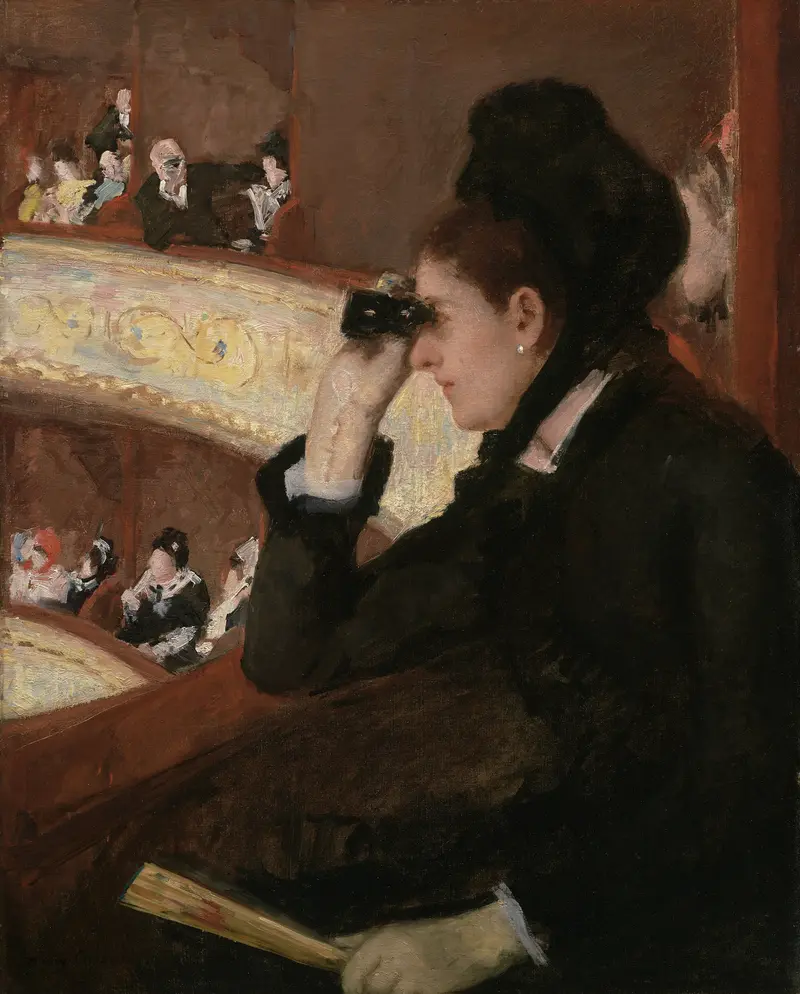
In The Loge
Mary Cassatt
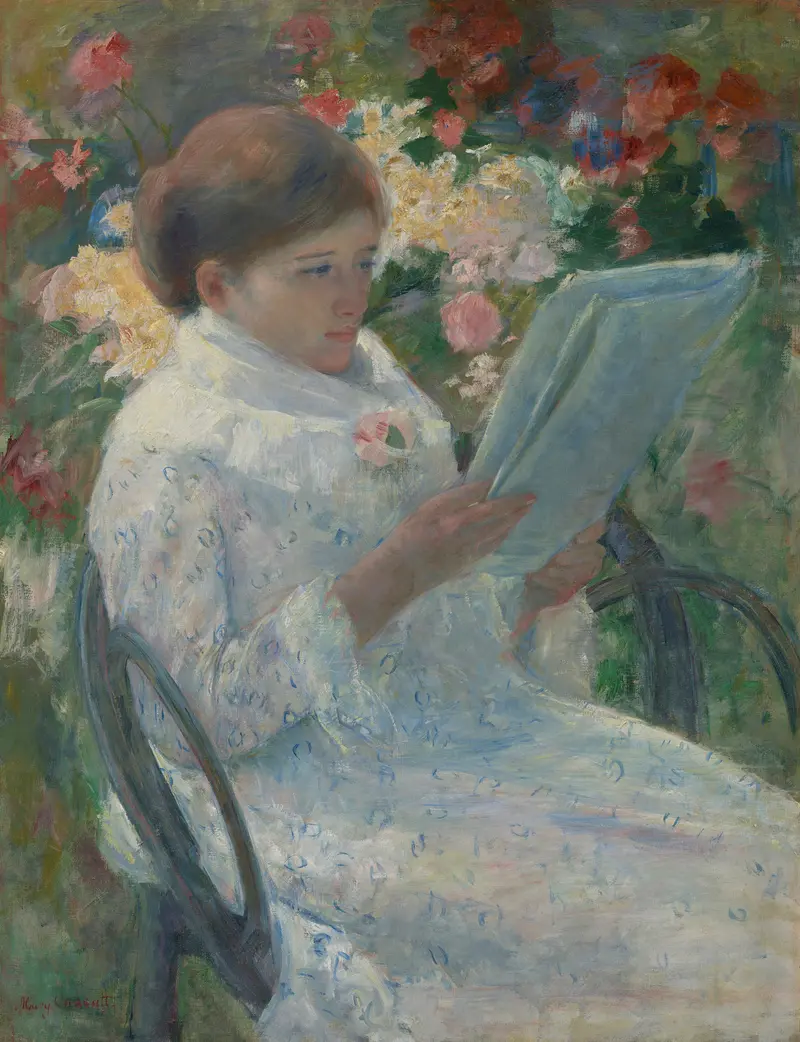
On a Balcony
Mary Cassatt
More Genre Scene Art

Banquet of the Officers of the St George Civic Guard
Frans Hals

Rembrandt and Saskia in the Scene of the Prodigal Son
Rembrandt van Rijn

Bal du moulin de la Galette
Pierre-Auguste Renoir

Quadrille at the Moulin Rouge
Henri de Toulouse-Lautrec

A Burial at Ornans
Gustave Courbet

When Will You Marry?
Paul Gauguin