
In the Harem — History & Facts
The first thing that catches the eye in In the Harem is the vivid contrast between the sitter’s orange skirt and the cool, shadowed interior around her—a flash of life and warmth in a quiet, enclosed world. The woman’s gaze is turned away, lost in thought or perhaps in anticipation, her hands busy braiding her long, dark hair. Every object in the scene is chosen for effect: the patterned carpets create a deep, textured backdrop, while the lilies in the foreground, painted with almost tactile delicacy, soften the space and draw the viewer’s attention to her contemplative face.
The brass basin, the blue-tiled planter, and the intricate lamp all speak of a setting carefully constructed to evoke distance and allure, inviting us to imagine the unseen life beyond the frame. Works like this, created in the late nineteenth century, belong to the tradition of Orientalism—a genre in which European artists conjured visions of the “exotic” East for Western audiences. Painters such as John William Waterhouse were fascinated by imagined interiors, rich with color and detail, often populated by women at leisure or in reverie. These paintings were rarely records of real places or people; instead, they reflected the fantasies and fascinations of their own era.
The date of this painting is unknown, and its recent appearance at Sotheby’s London in 2016 is one of the few documented facts about its journey. Yet, the image still invites us to linger, to follow the lines of color and light, and to wonder what stories might unfold in the hush of that sunlit room.
Sources: Wikidata Q77574796 · Image source (Wikimedia Commons)
More Artworks by John William Waterhouse
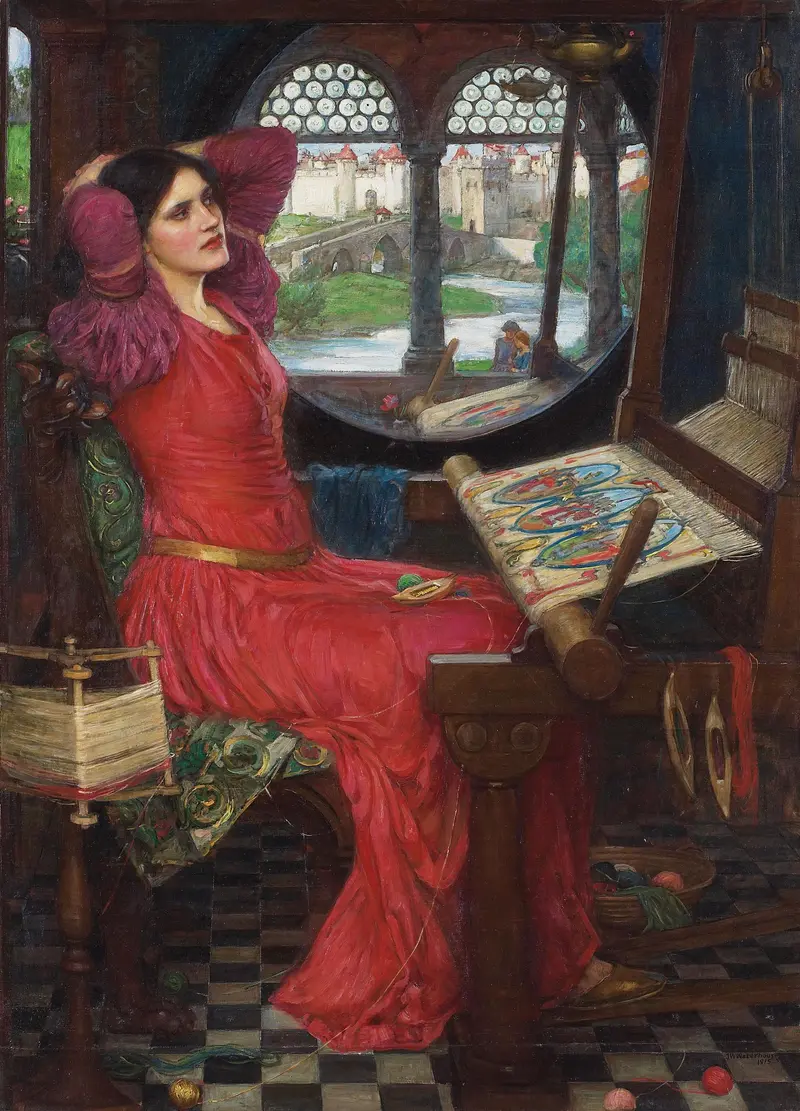
'I Am Half-Sick of Shadows,' Said the Lady of Shalott
John William Waterhouse

The Favourites of the Emperor Honorius, 1883
John William Waterhouse
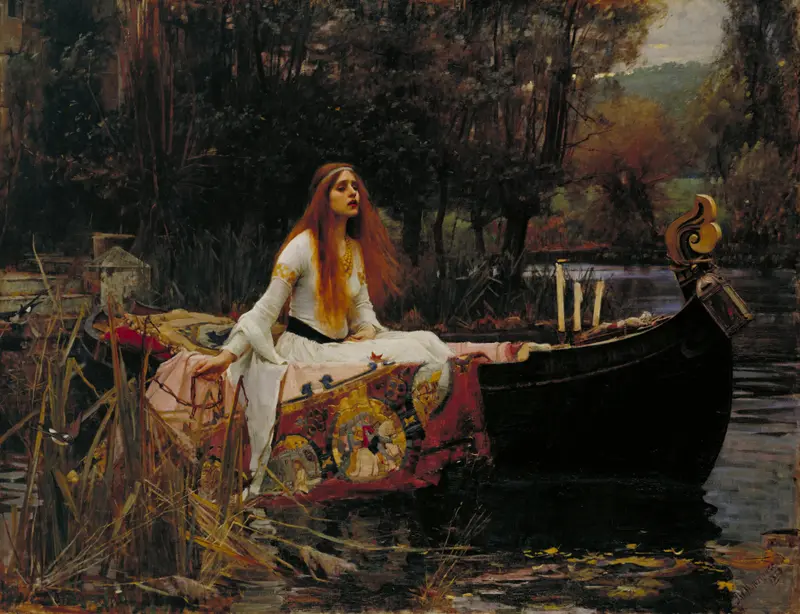
The Lady of Shalott
John William Waterhouse
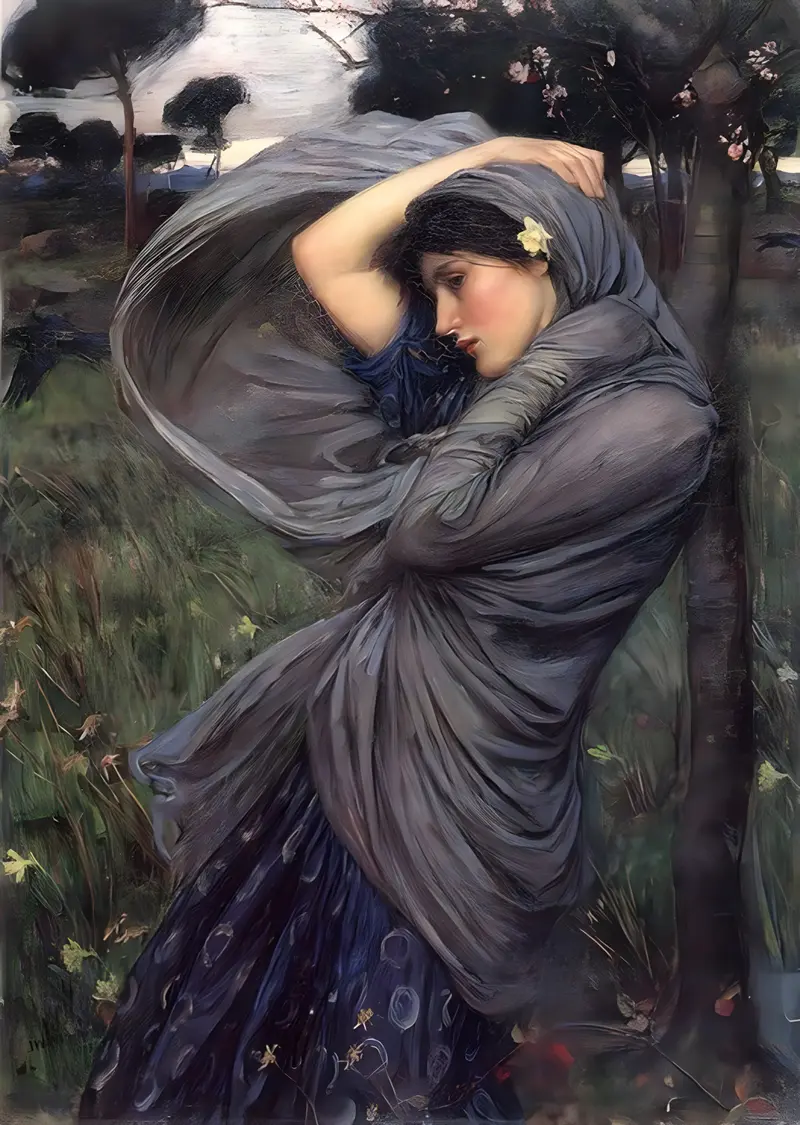
Boreas
John William Waterhouse
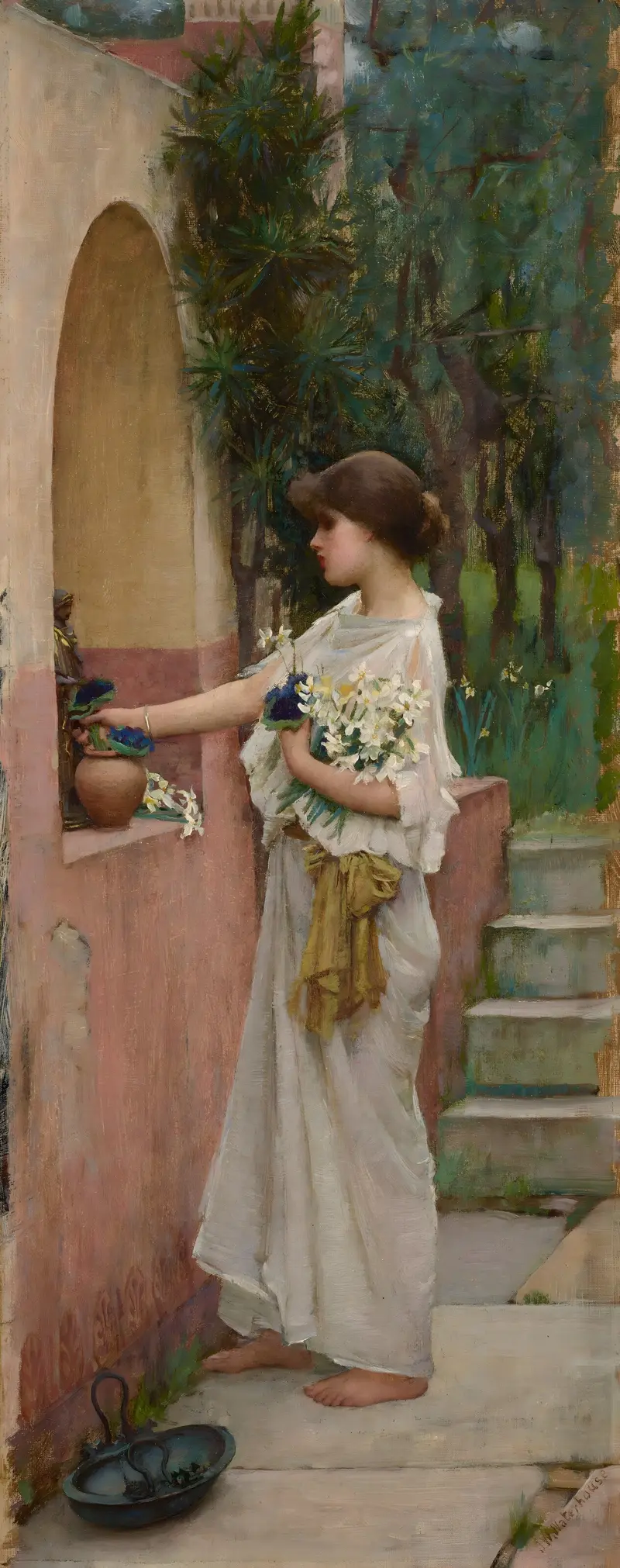
A Roman Offering
John William Waterhouse
Hylas and the Nymphs
John William Waterhouse
Nymphs Finding the Head of Orpheus
John William Waterhouse
The Crystal Ball
John William Waterhouse
The Rescue
John William Waterhouse
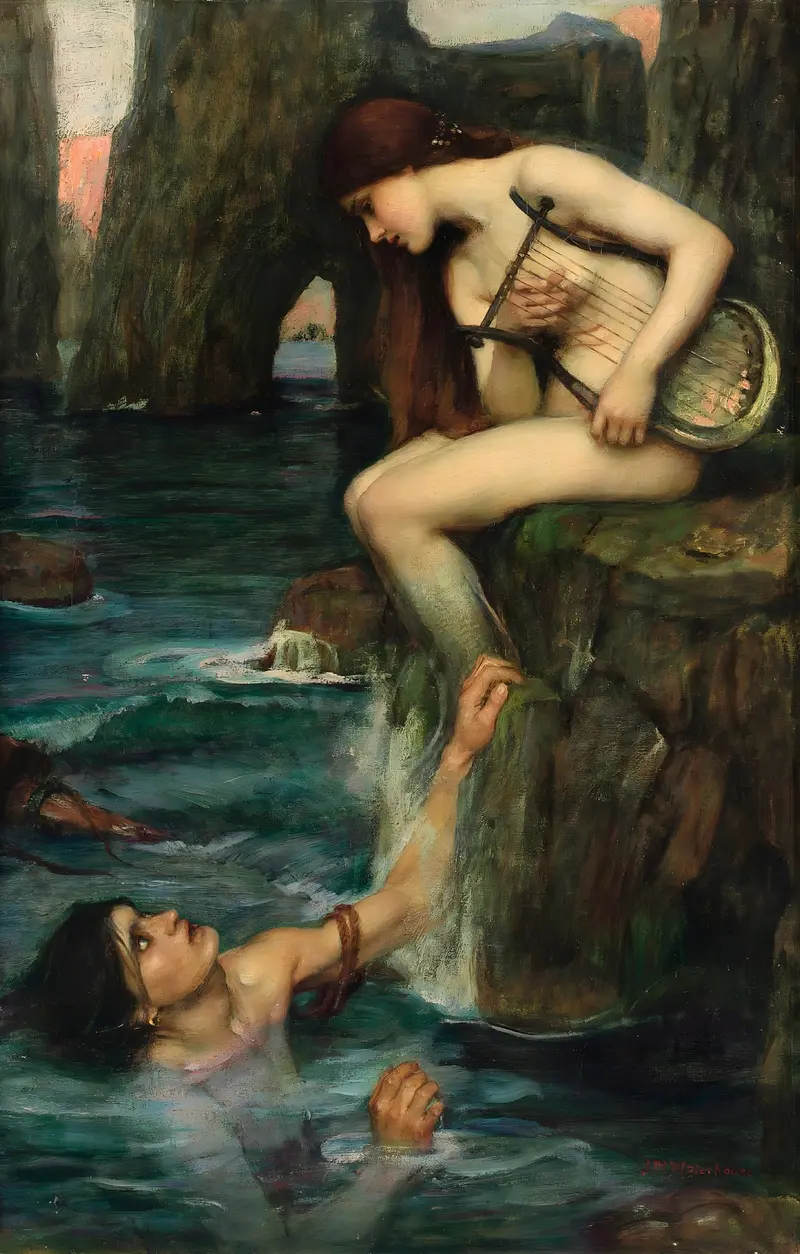
The Siren, 1900
John William Waterhouse





