
Insane Woman — History & Facts
In the wake of the harrowing aftermath of the Napoleonic Wars, Théodore Géricault turned his attention to the fringes of society, producing a series of portraits of the mentally ill that were as radical as they were unsettling. Insane Woman is one of the few surviving works from this series, painted around 1819, at a time when the treatment of mental illness was undergoing heated debate in France. These portraits were not commissioned by a patron, but created out of Géricault’s own fascination and empathy, inspired by his collaboration with psychiatrist Étienne-Jean Georget.
The series was little known in its own time, but later became a touchstone for artists and doctors alike, blurring the lines between art, science, and social commentary. The woman in Insane Woman sits in three-quarter view, her face marked by tension and exhaustion, her eyes staring into an unfathomable distance. Géricault chooses not to dramatize her condition with theatrical gestures or props; instead, the unadorned background and the harsh, directional light focus our attention on her furrowed brow and trembling lips. Every brushstroke seems to record a symptom: the flushed cheeks, the tightly drawn mouth, the anxious gaze.
Unlike earlier depictions of madness—such as those by Goya—Géricault’s approach is neither caricature nor moral lesson, but an attempt to capture the reality of suffering with honesty and dignity. The result is a portrait that refuses to look away, challenging viewers to confront the humanity of those once hidden away in asylums. The fate of the original series is partly shrouded in mystery, with only a handful of paintings surviving today, scattered across European collections. Insane Woman is now held at the Musée des Beaux-Arts de Lyon, where it stands as a key work in understanding both Géricault’s career and the early 19th-century fascination with the human psyche.
Created shortly after his monumental The Raft of the Medusa, this portrait marks a shift from grand historical narrative to intimate psychological study. Though largely ignored during his lifetime, these portraits have since been recognized as pioneering works of psychological realism, influencing both artists and the emerging field of psychiatry.
More Artworks by Théodore Géricault
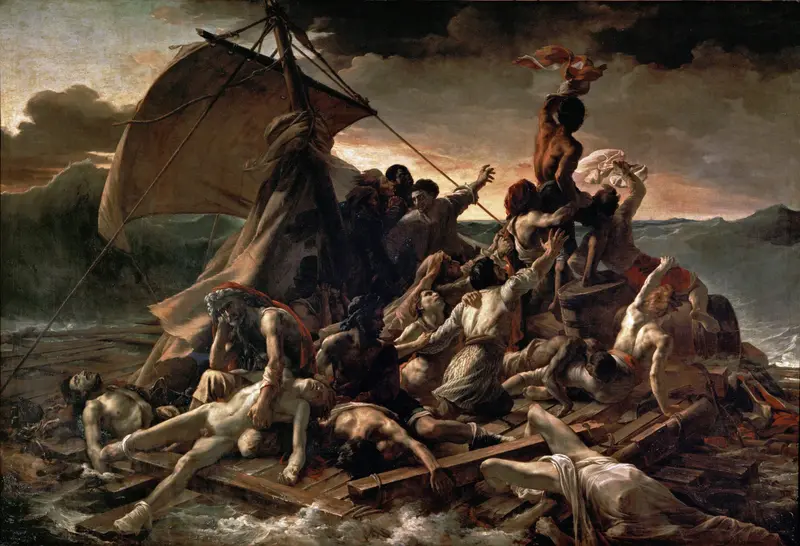
The Raft of the Medusa
Théodore Géricault

Géricault - Le naufrage du radeau de la Méduse, MBA 790
Théodore Géricault
Cattle Market
Théodore Géricault
Evening; Landscape with an Aqueduct
Théodore Géricault
Horse Race
Théodore Géricault

Horses Standing in a Mews
Théodore Géricault
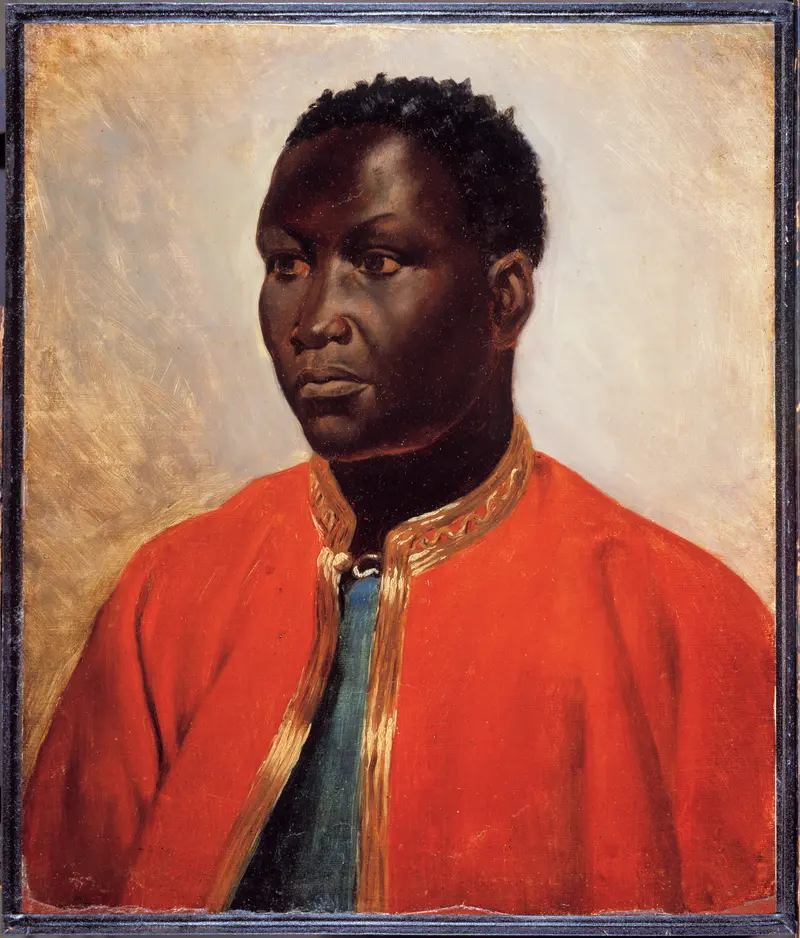
Portrait of a Negro
Théodore Géricault
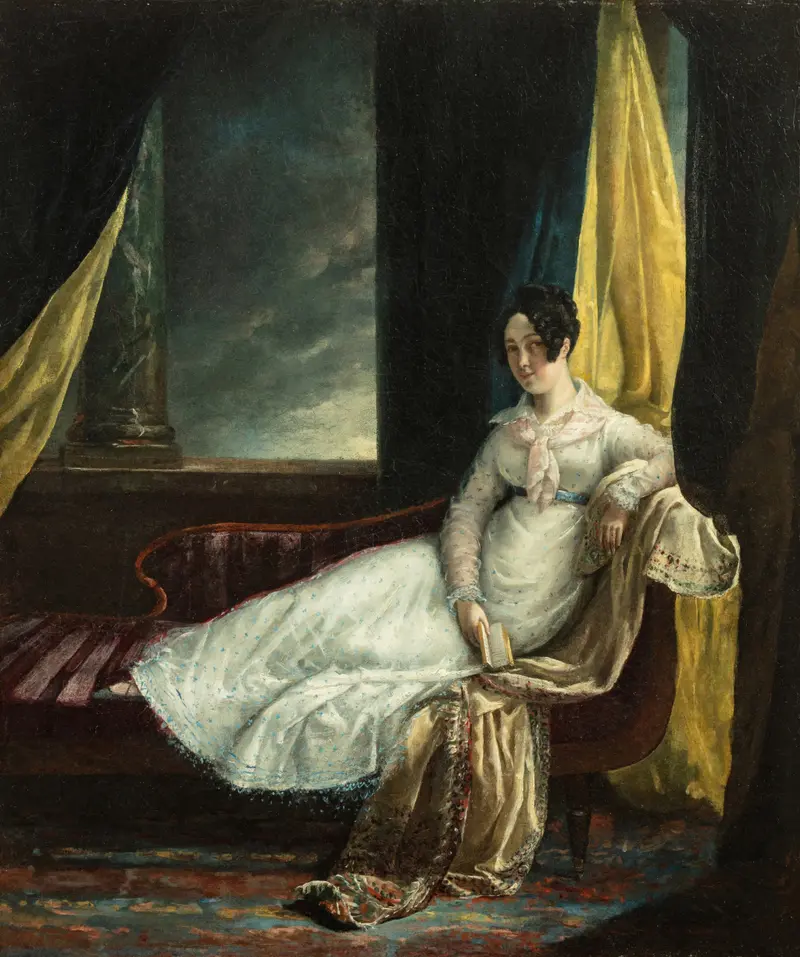
Portrait of Zoë Elmore
Théodore Géricault
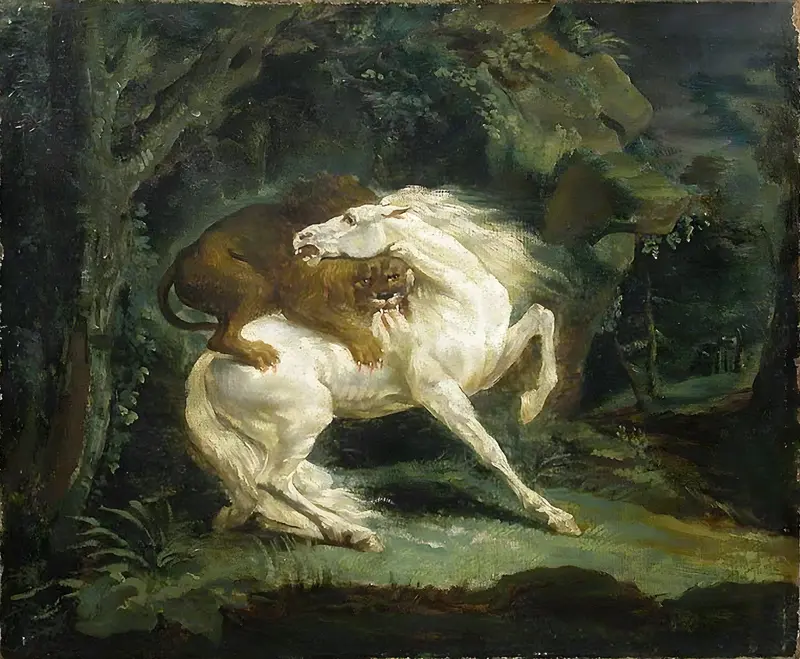
Cheval attaqué par un lion
Théodore Géricault
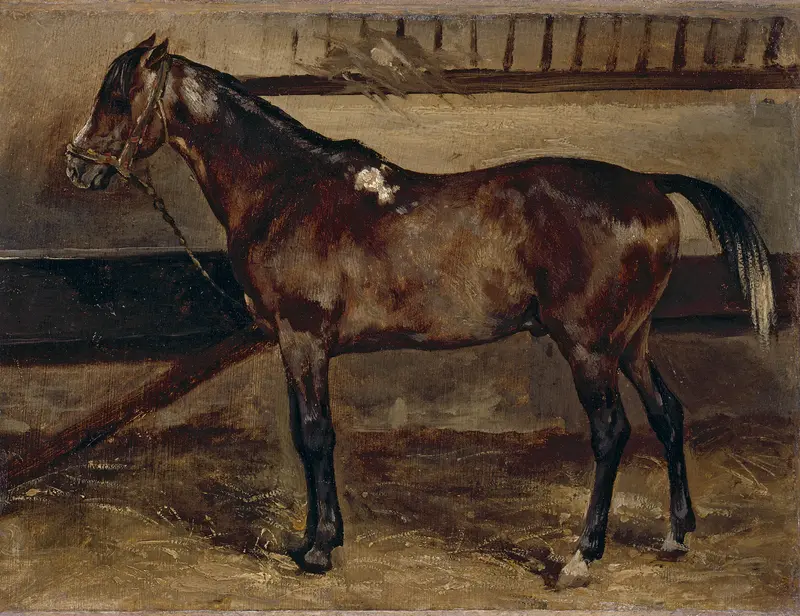
Cheval brun à l'écurie
Théodore Géricault





