Italian Ornament No. 1 — History & Facts
What first catches the eye in Italian Ornament No. 1 by Owen Jones is the exuberant parade of fantastical creatures and botanical flourishes, each detail carefully balanced to both delight and instruct. The page is a feast of symmetry and invention: at its heart, two winged unicorns face each other, their bodies poised in a mirror image, while scrolling vines and jewel-like blossoms curl around them.
Above, a series of vertical panels break down the language of ornament into its elemental motifs—stylized leaves, mythic faces, and playful tendrils—each one a building block in the grammar of Renaissance decoration. The palette is both rich and precise: emerald greens, golds, and reds pulse with life, while the crisp outlines and flat washes of color give the whole sheet a clarity that invites close study. This print belongs to a world obsessed with rediscovery and classification. Published in 1856, The Grammar of Ornament was Owen Jones’s ambitious attempt to catalogue the world’s decorative traditions for a new industrial age, and this Italian plate draws directly from the Renaissance frescoes and stuccoes that had dazzled Grand Tour travelers for generations.
In Victorian England, such chromolithographs were prized by designers, architects, and students eager to revive the past with modern means. The copy you see here, preserved in the Polona Digital Library from a 1910 London edition, is part of that lineage—a teaching tool and a window into the era’s hunger for order and beauty. The longer you look, the more the page reveals: a coded language of ornament, still speaking across centuries.
More Artworks by Owen Jones

Greek Ornament No. 1
Owen Jones
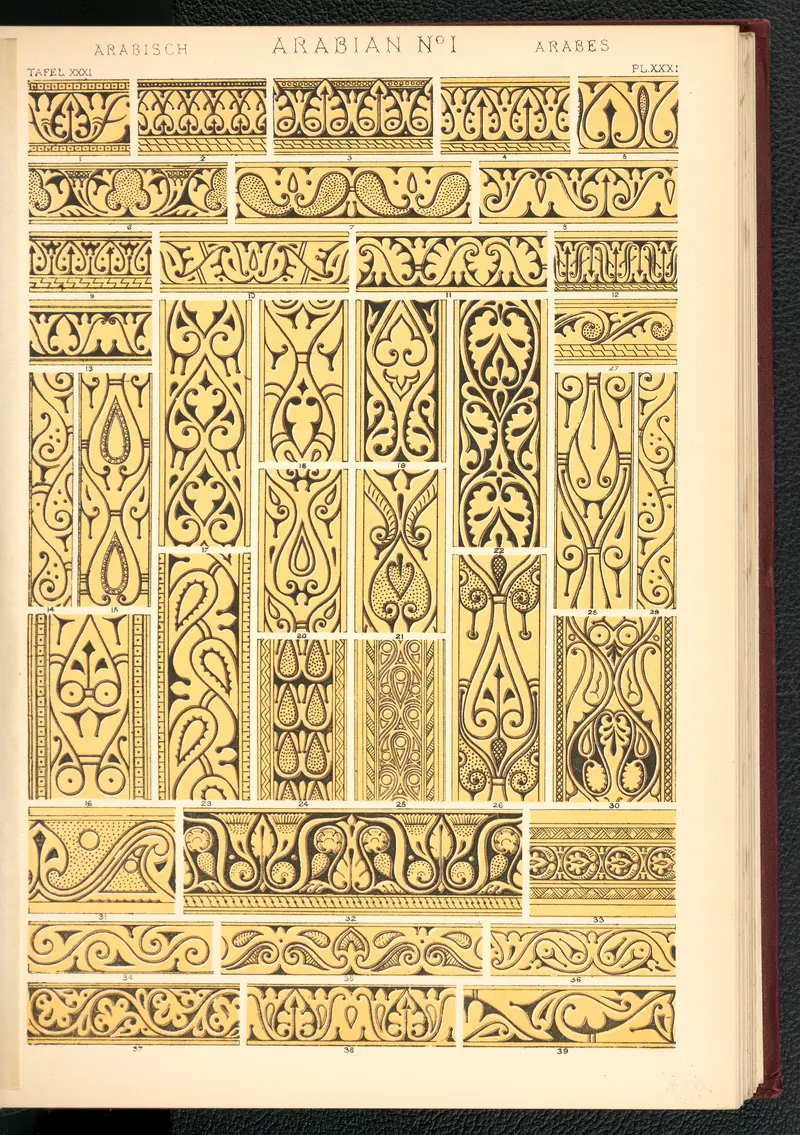
Arabian Ornament No. 1
Owen Jones
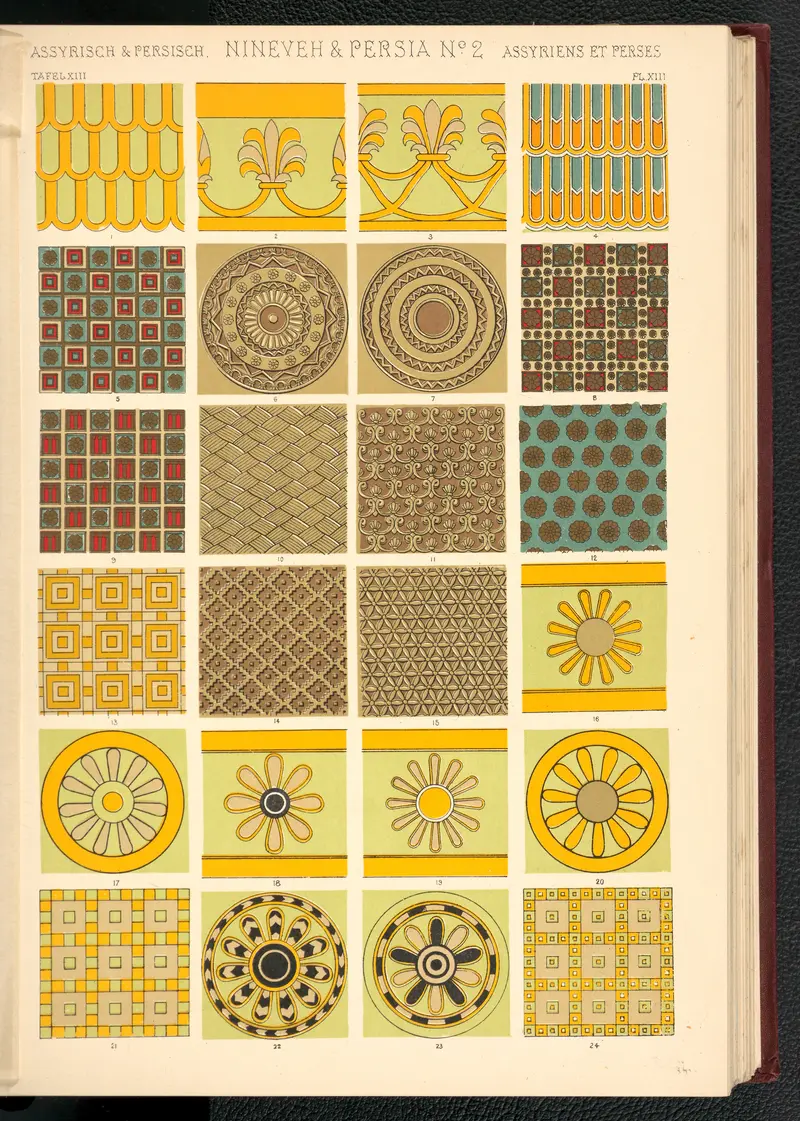
Assyrian Ornament No. 2
Owen Jones

Egyptian Ornament No. 3
Owen Jones
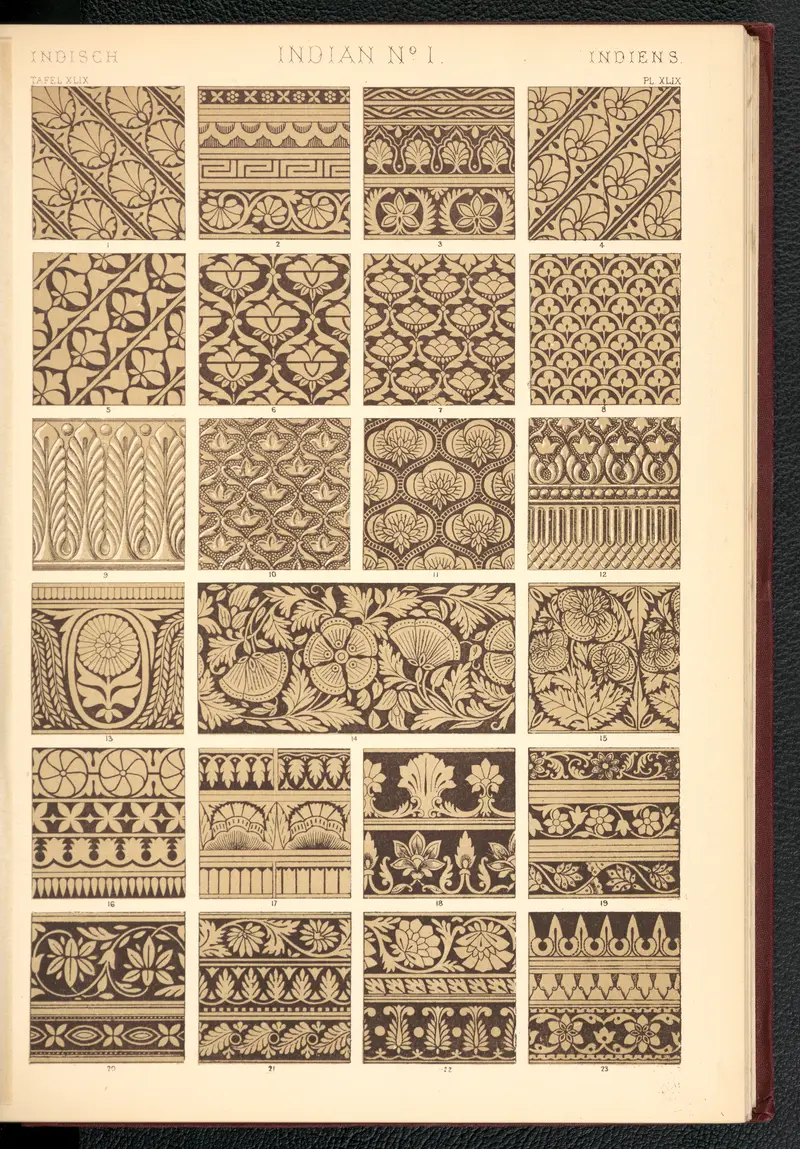
Indian Ornament No. 1
Owen Jones
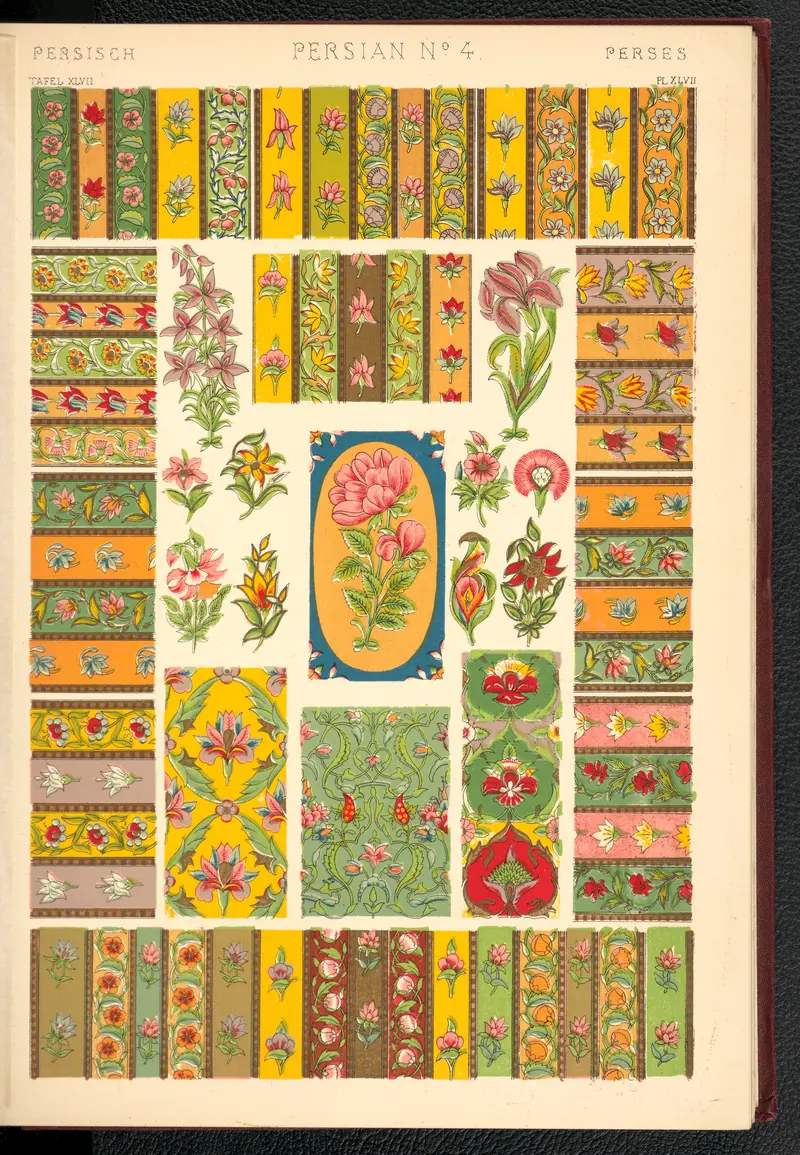
Persian Ornament No. 4
Owen Jones
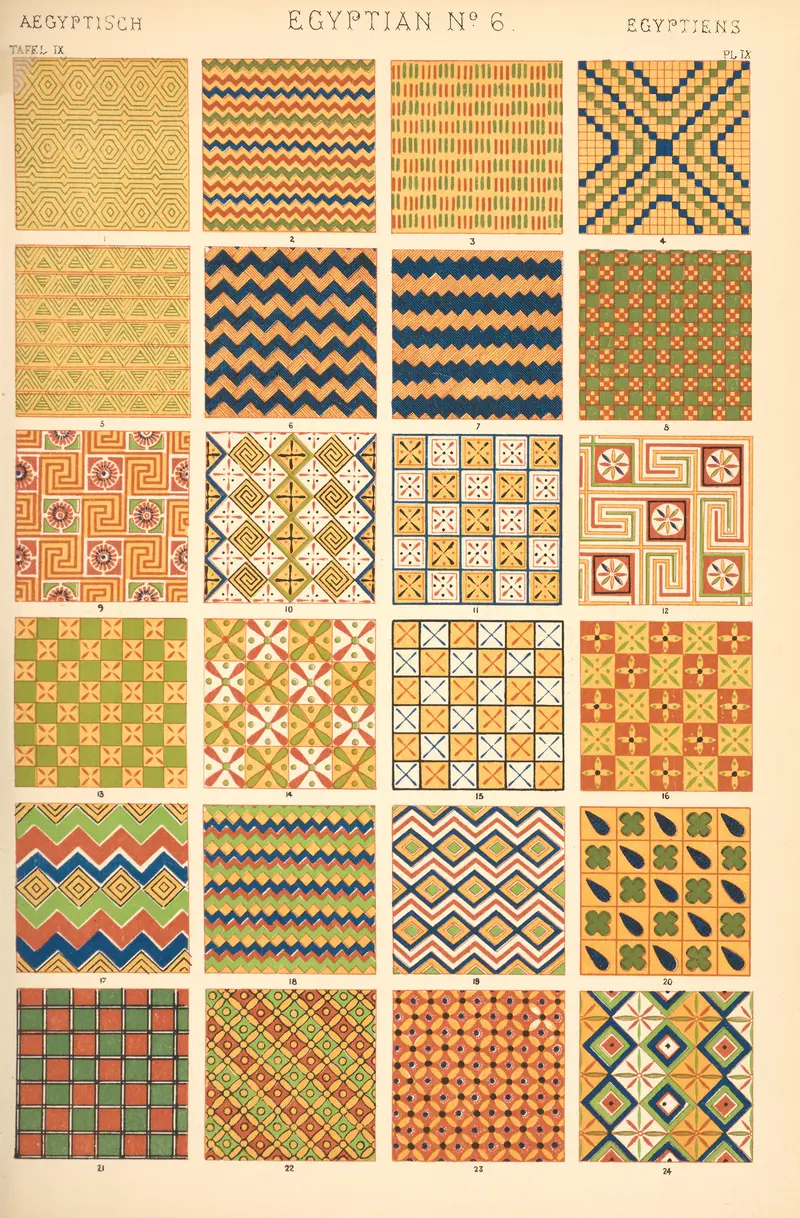
Egyptian Ornament No. 6
Owen Jones
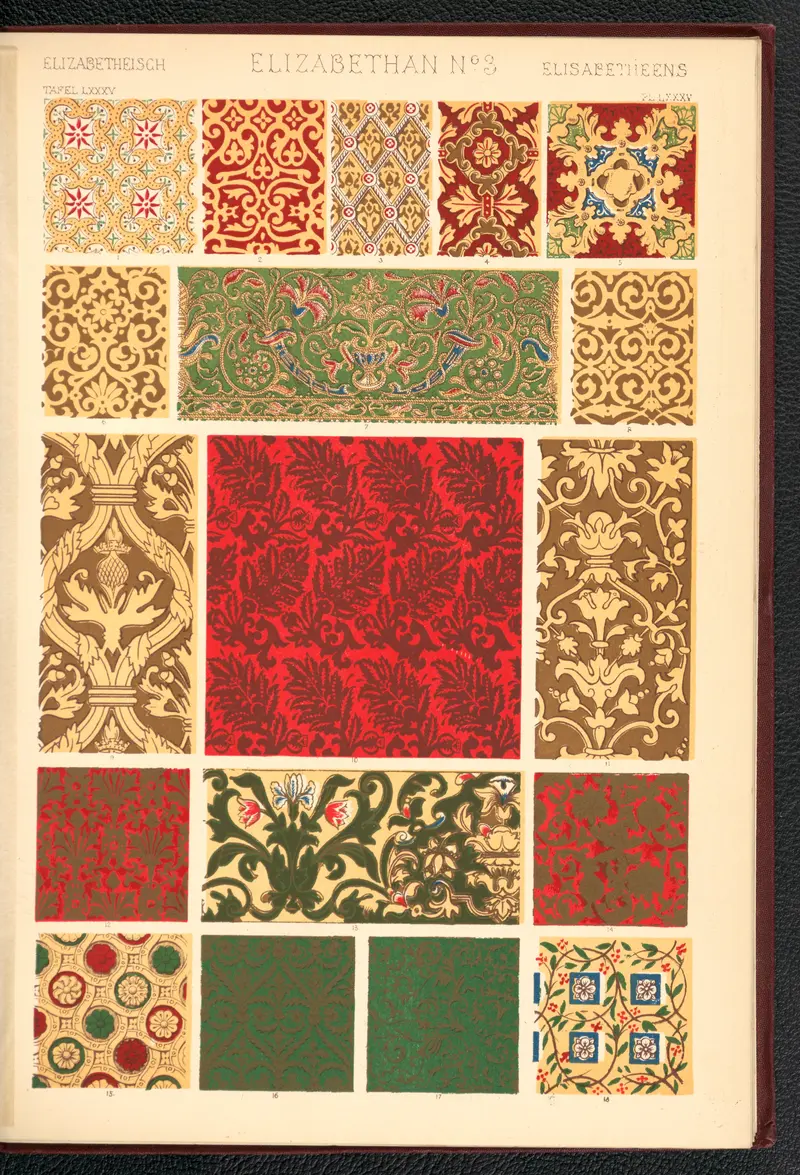
Elizabethan Ornament No. 3
Owen Jones
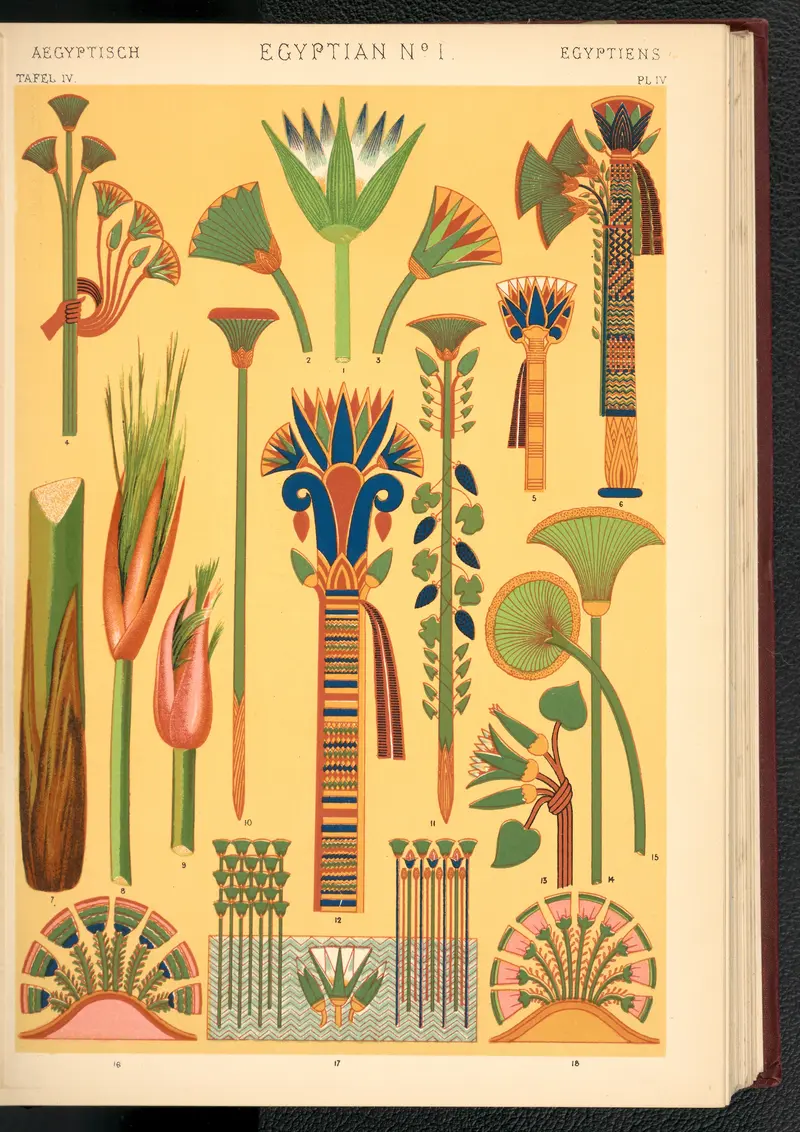
Egyptian Ornament No. 1
Owen Jones
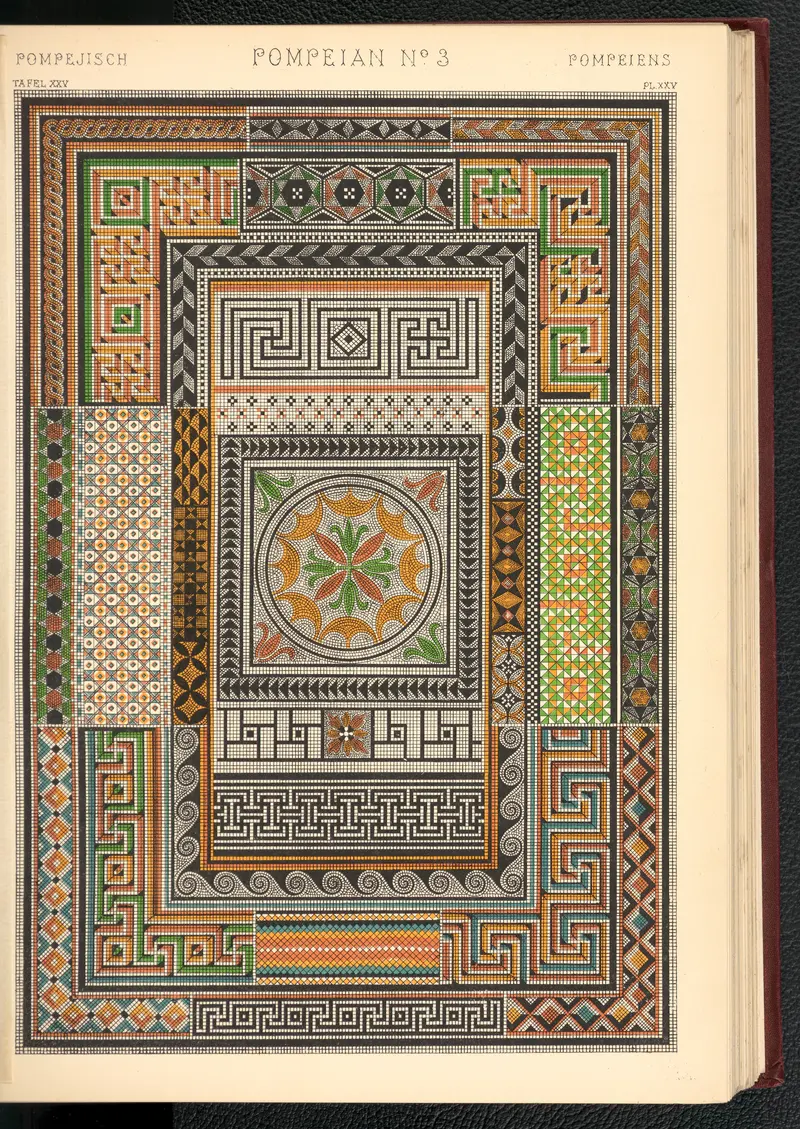
Pompeian Ornament No. 3
Owen Jones