
Jean-Claude Richard, abbé of Saint-Non — History & Facts
When Jean-Honoré Fragonard painted his friend and patron Jean-Claude Richard, abbé of Saint-Non in 1769, he captured not just a likeness but the spirit of a new era of travel and friendship. The abbé was more than a clergyman; he was a passionate supporter of the arts, an engraver, and Fragonard’s companion on the artist’s transformative Italian journey of 1760–61. Their travels through Rome and Naples shaped Fragonard’s style, and this portrait is a tribute to that shared adventure.
The work is often cited as a turning point, marking Fragonard’s shift from the formalities of the Rococo to a looser, more spontaneous approach. It is said that the abbé’s own collection included this very portrait, a testament to their lasting bond. The painting catches the abbé mid-ride, his body twisted in the saddle as he glances back at the viewer with a knowing smile. The wind stirs his cloak and hat, suggesting both motion and a certain insouciance, while the dappled light flickers across the landscape behind him—Italy, perhaps, or an imagined Arcadia.
The abbé’s relaxed pose and informal dress break with the stiff conventions of clerical portraiture, instead presenting a man of wit and worldly curiosity. The horse, alert and almost playful, echoes the sitter’s energy. Compared to Hyacinthe Rigaud’s grand, formal portraits of churchmen, Fragonard’s vision is intimate and alive, capturing a fleeting moment rather than a fixed ideal. The precise early history of the painting is not fully documented, but it is known that Jean-Claude Richard himself treasured the work, and it remained in his possession for many years.
Later, the portrait passed through several French collections before entering the public domain. Today, it is celebrated as one of Fragonard’s finest portraits, a rare example in a career more often associated with mythological and amorous scenes. Its lively brushwork and personal subject mark a high point in Fragonard’s art, and it stands as a witness to the friendships and travels that shaped the artist’s most creative years.
More Artworks by Jean-Honoré Fragonard
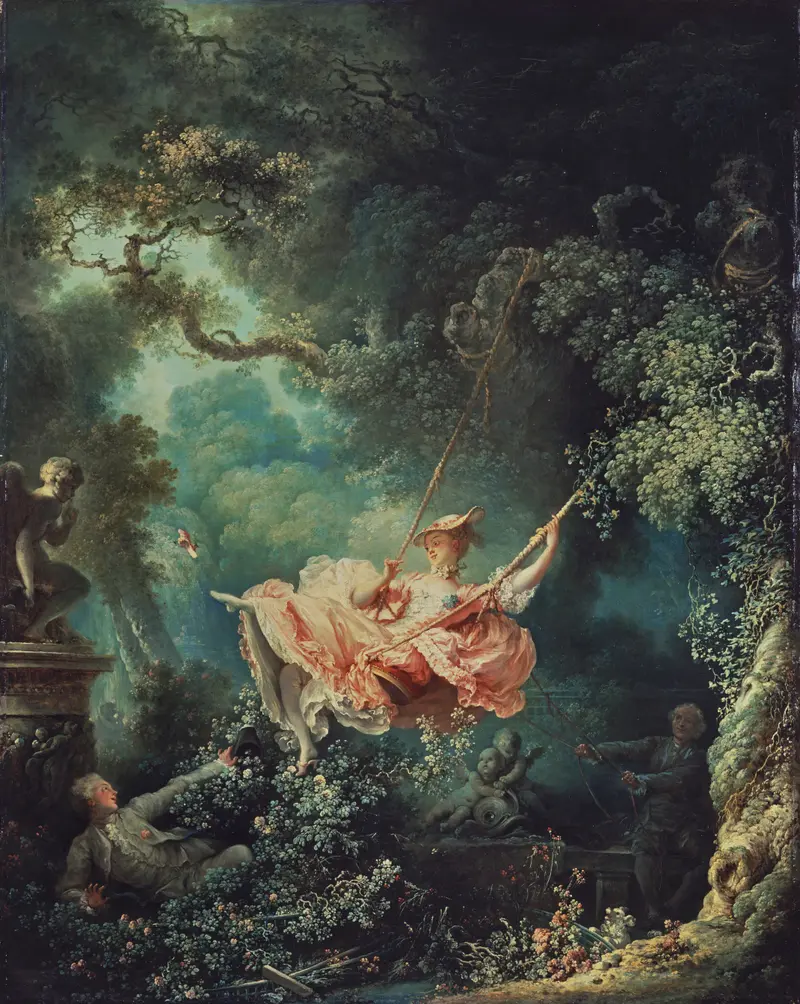
The Swing
Jean-Honoré Fragonard

The Swing
Jean-Honoré Fragonard
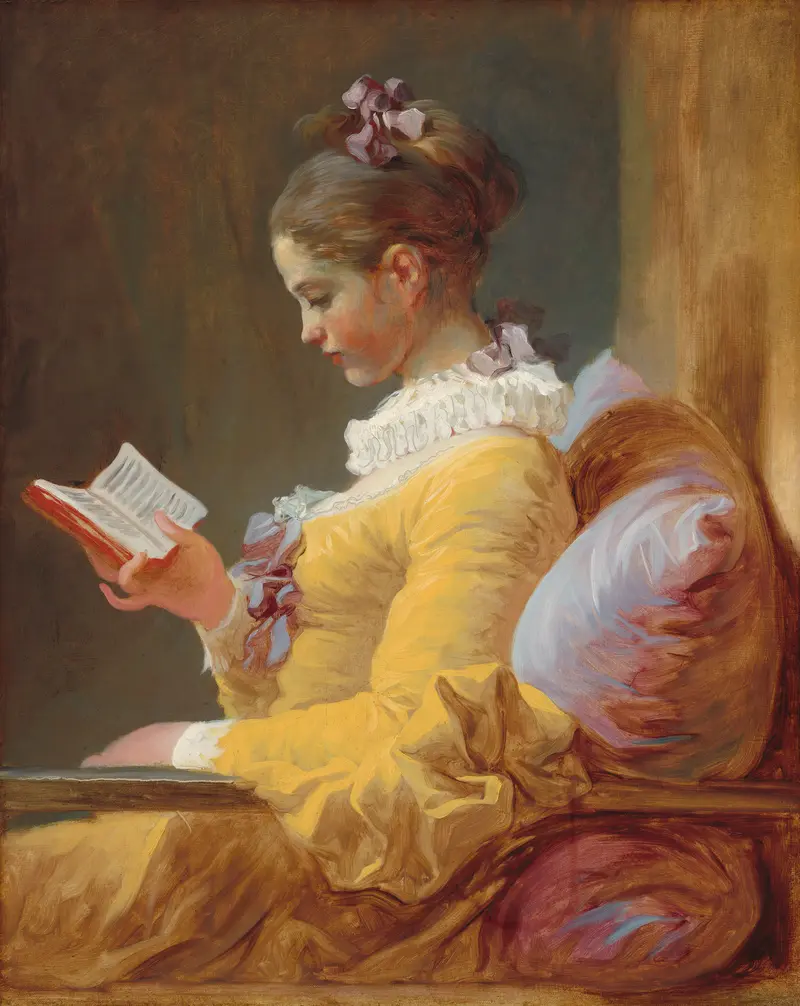
A Young Girl Reading
Jean-Honoré Fragonard
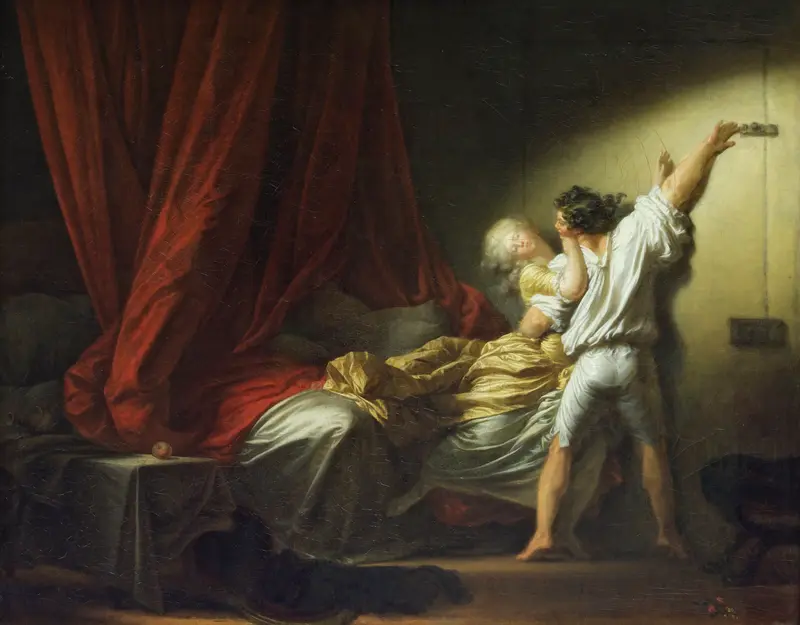
The Lock
Jean-Honoré Fragonard
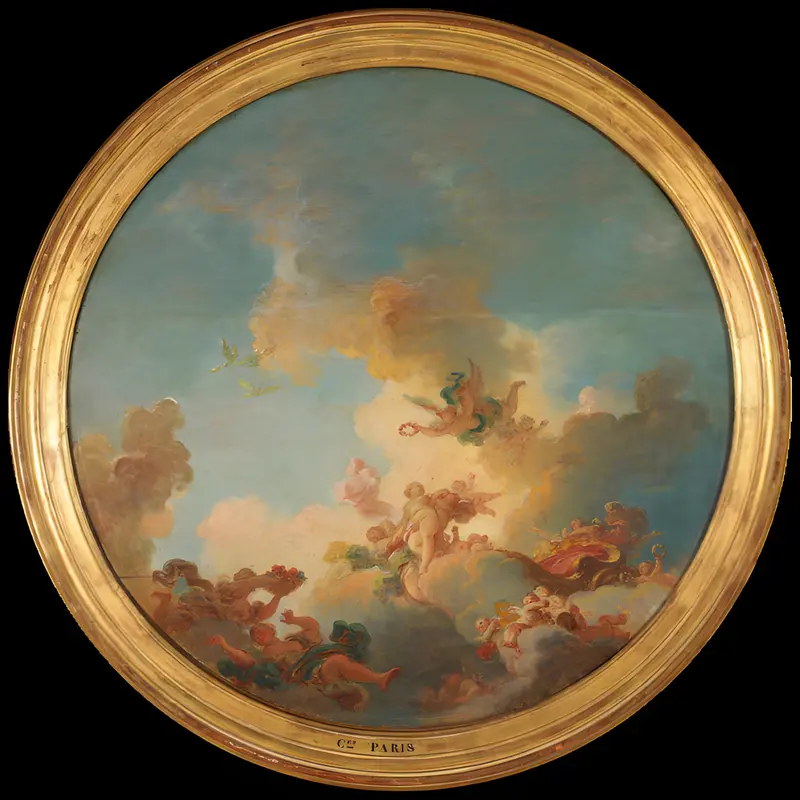
The Triumph of Venus
Jean-Honoré Fragonard
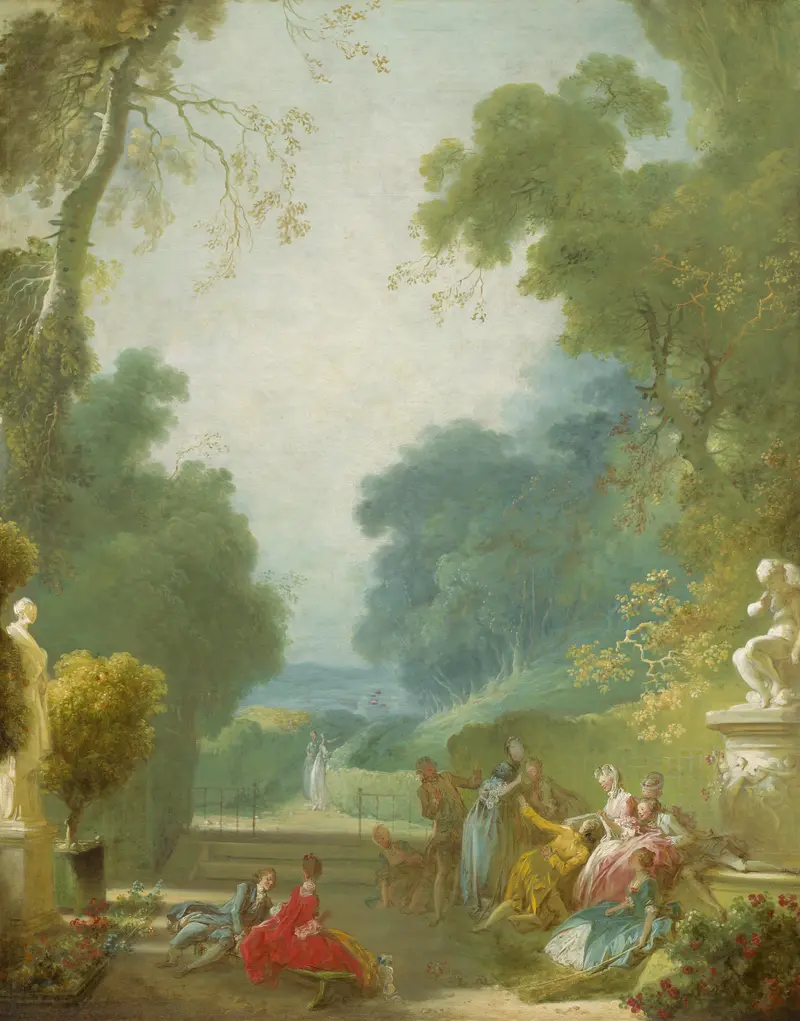
A Game of Hot Cockles
Jean-Honoré Fragonard
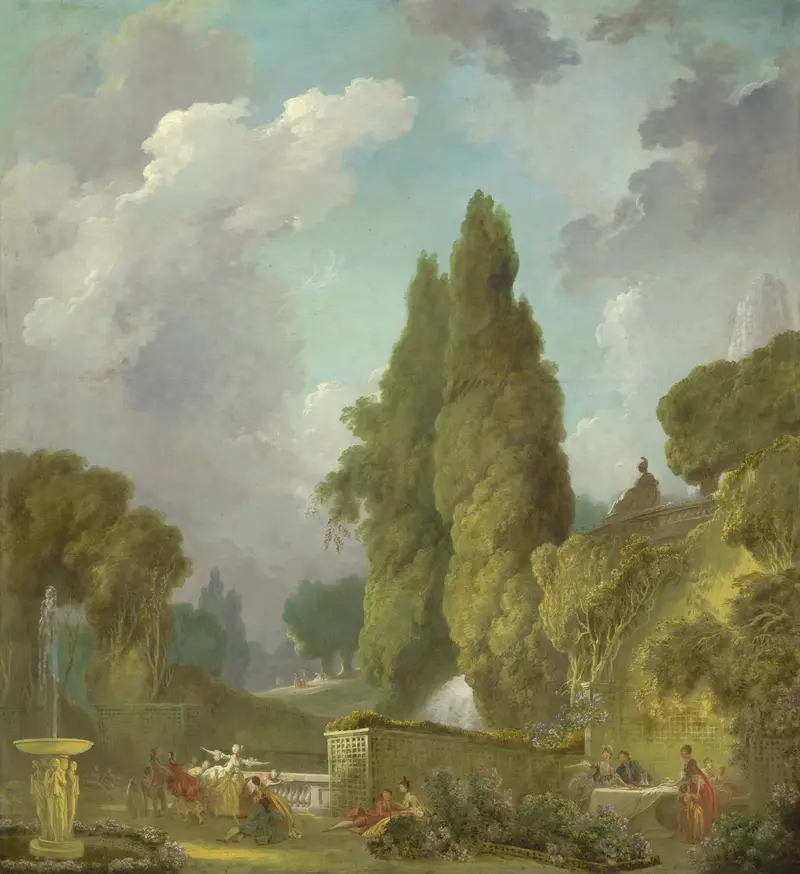
Blindman’s Buff
Jean-Honoré Fragonard
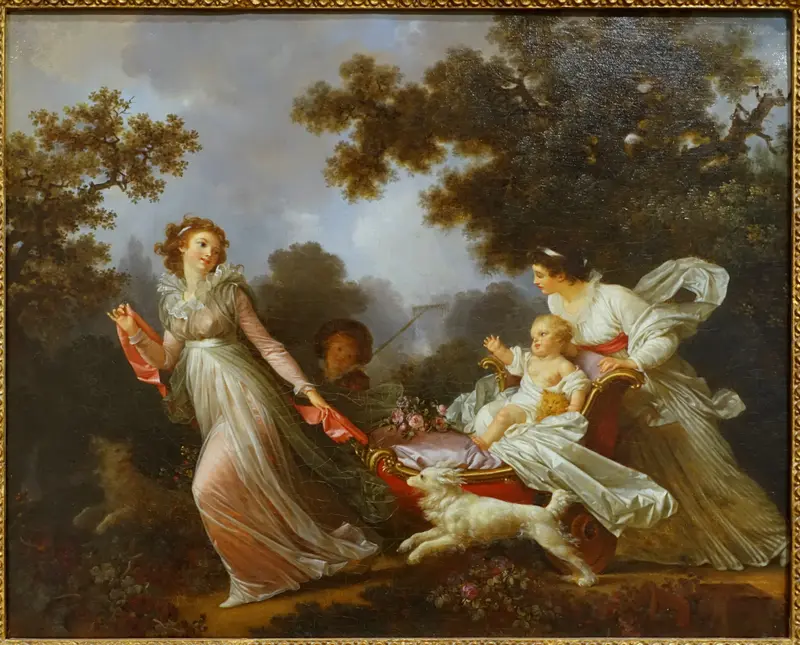
The Beloved Child
Jean-Honoré Fragonard
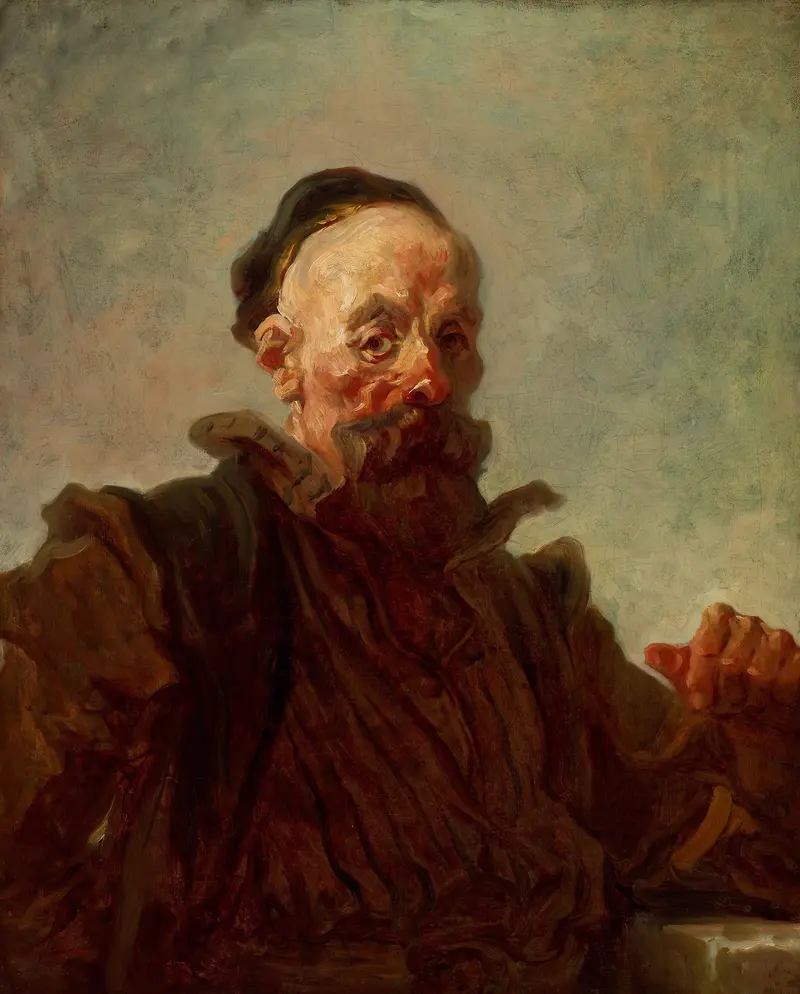
Portrait of a Man in Costume
Jean-Honoré Fragonard
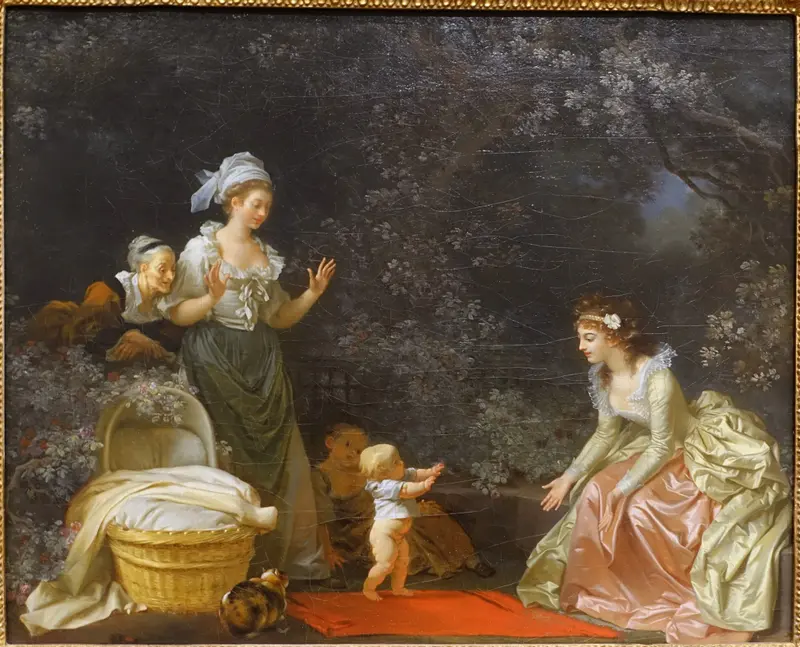
The First Steps
Jean-Honoré Fragonard





