
Judith and Holofernes — History & Facts
Few works by Michelangelo have sparked as much scholarly debate as Judith and Holofernes, created in 1508, whose very medium remains uncertain to this day. While most of his surviving works are monumental frescoes or marble sculptures, this enigmatic piece stands apart, shrouded in questions about its origins and intended purpose. Some suggest it was conceived as a modello for a larger project, while others see it as an independent experiment during a pivotal year when Michelangelo was also beginning the Sistine Chapel ceiling.
Its attribution has been fiercely discussed, partly because so few panel paintings by Michelangelo survive, and because the subject—Judith’s victory over Holofernes—was rarely tackled by him. The story unfolds at its most dramatic instant: Judith, a widow from Bethulia, has infiltrated the Assyrian camp and, with a single stroke, beheaded the general Holofernes to save her people. Michelangelo captures her in the aftermath, the sword still clutched in her hand, her gaze steady and unflinching. The severed head, heavy and lifeless, rests on a cloth, while Judith’s left hand gestures outward, as if inviting the viewer to witness her act of courage.
The play of light isolates Judith against a shadowed background, heightening the sense of moral clarity and determination. Unlike Caravaggio’s later, bloodier treatment of the theme, Michelangelo emphasizes psychological tension over gore, focusing on Judith’s resolve rather than the violence itself. The painting’s early history is obscure; no contemporary documents record its commission or original owner, and it does not appear in the inventories of major Florentine or Roman collections of the time. Some believe it may have been created for a private patron as a symbol of civic virtue, a popular interpretation of Judith in Renaissance Italy.
Over the centuries, the work’s attribution has shifted, sometimes credited to Michelangelo’s circle or followers, before technical analysis in the twentieth century revived the case for his own hand. Today, Judith and Holofernes is recognized as a rare example of the artist’s exploration of narrative painting, offering a glimpse into his approach to storytelling and character during a critical moment in his career.
More Artworks by Michelangelo

Libyan Sibyl
Michelangelo
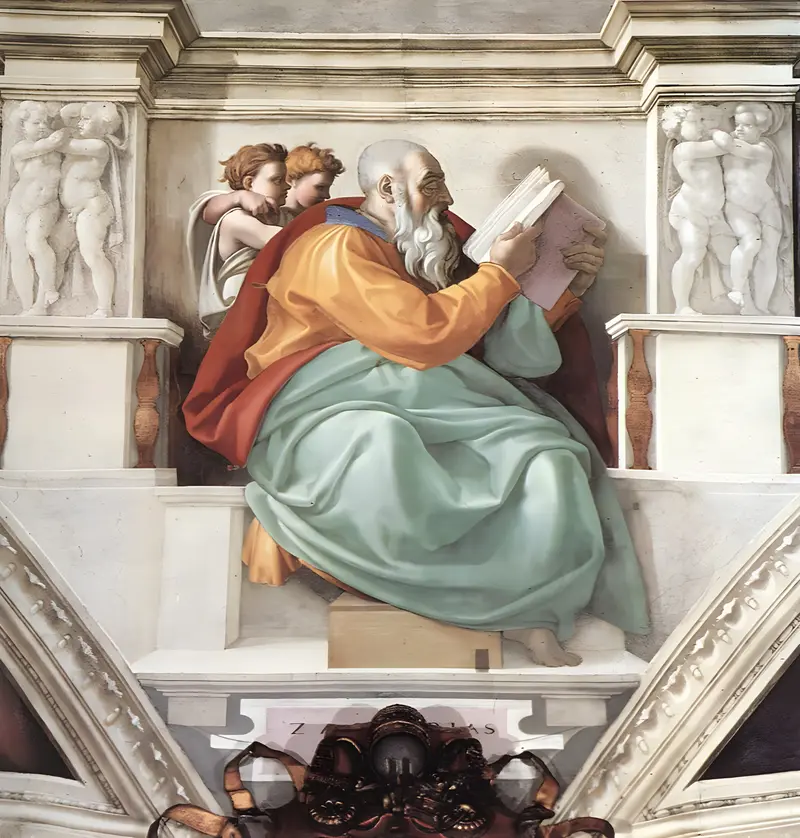
Prophet Zechariah
Michelangelo

Cumaean Sibyl
Michelangelo
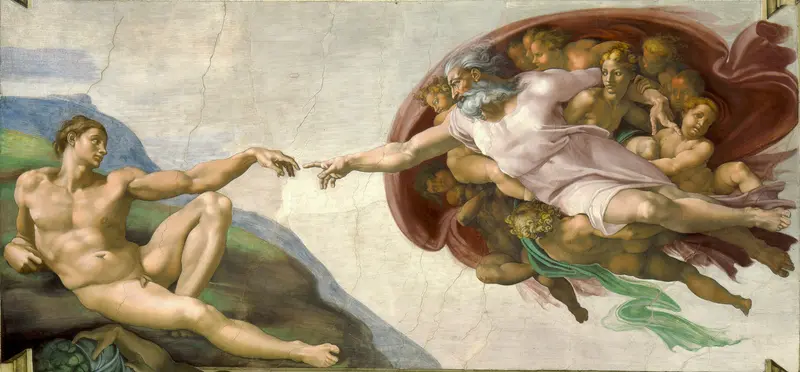
The Creation of Adam
Michelangelo
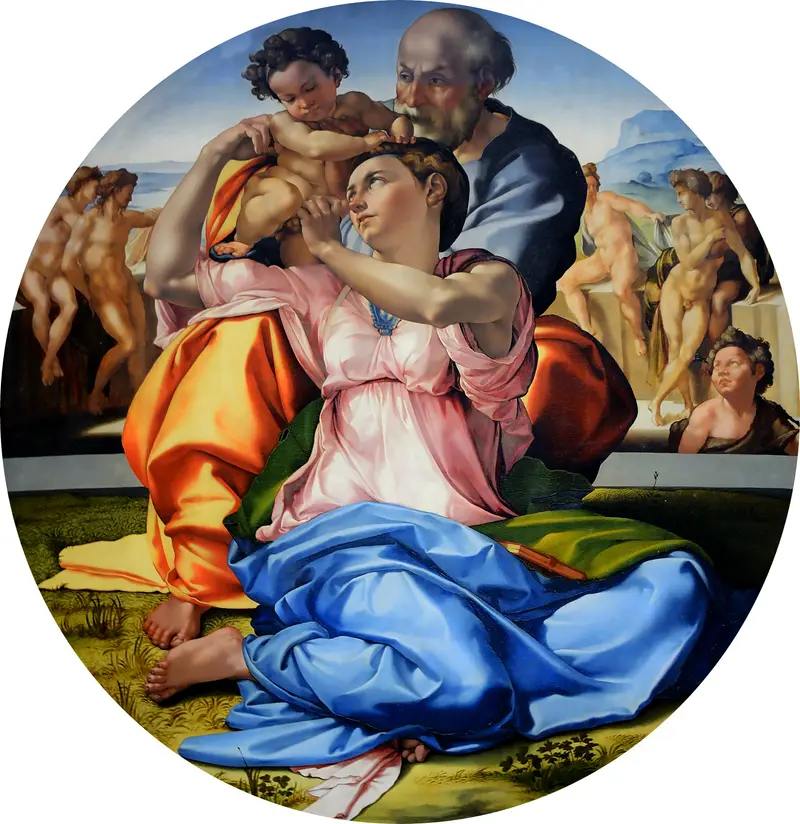
Doni Tondo
Michelangelo
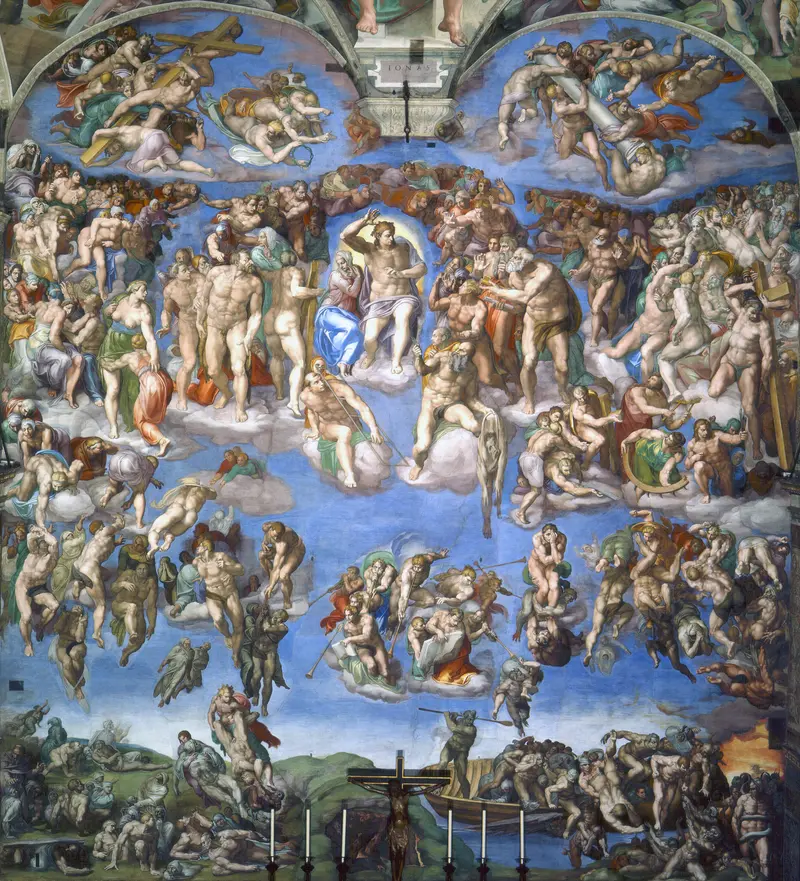
The Last Judgment
Michelangelo
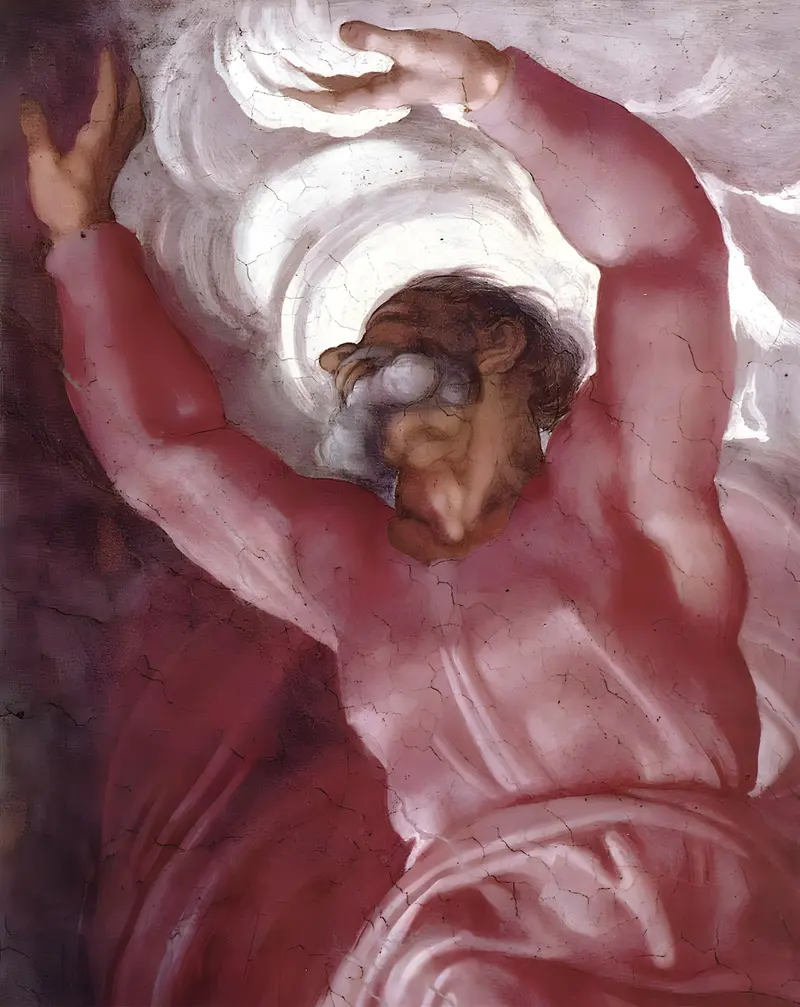
Separation of Light from Darkness
Michelangelo
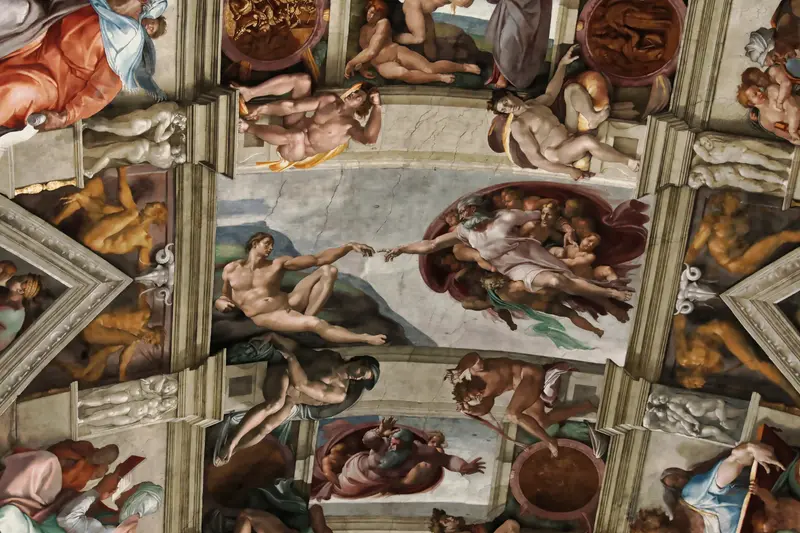
The Separation of the Earth and Waters
Michelangelo

Erythraean Sibyl
Michelangelo
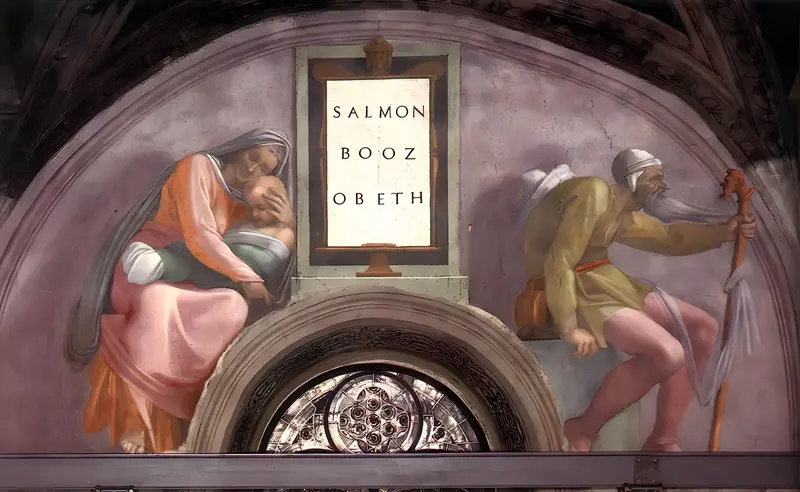
Salmon, Boaz, Obed
Michelangelo




