
Judith with the Head of Holofernes — History & Facts
Few biblical heroines have captured the European imagination like Judith, and few artists have rendered her with such theatrical drama as Gustave Doré. What makes this work especially intriguing is Doré’s reputation as a master illustrator—his engravings for the Bible and Dante’s Divine Comedy were already famous in his lifetime—yet here he turns to painting, a medium in which he was less prolific and whose works are still being rediscovered. The exact date and circumstances of Judith with the Head of Holofernes remain uncertain, adding an air of mystery to a subject already shrouded in legend and violence. Doré selects the charged moment after Judith’s act: the Assyrian general Holofernes lies dead, his severed head gripped firmly in Judith’s hands.
The heroine, often depicted as either trembling or triumphant, stands here with a gaze that is both resolute and haunted, her arm taut from the weight of her deed. The dramatic play of light isolates Judith against a shadowed background, her white garments stained with the violence of the night. The sword, still slick, and the heavy drapery recall the intensity found in Artemisia Gentileschi’s own Judith Slaying Holofernes, but Doré’s Judith is less about the act and more about its aftermath—the moment when courage and horror collide. As with many of Doré’s paintings, the whereabouts and history of Judith with the Head of Holofernes are not fully documented.
Unlike his engravings, which were widely published and collected, Doré’s paintings often remained with private patrons or in lesser-known collections, sometimes surfacing only decades later. This work stands as a rare example of his engagement with biblical narrative on canvas, rather than paper, and offers insight into his dramatic sensibility beyond illustration. Today, it is valued as a testament to Doré’s range and his fascination with moments of moral reckoning, even as its full provenance remains to be traced.
More Artworks by Gustave Doré

The Deluge
Gustave Doré
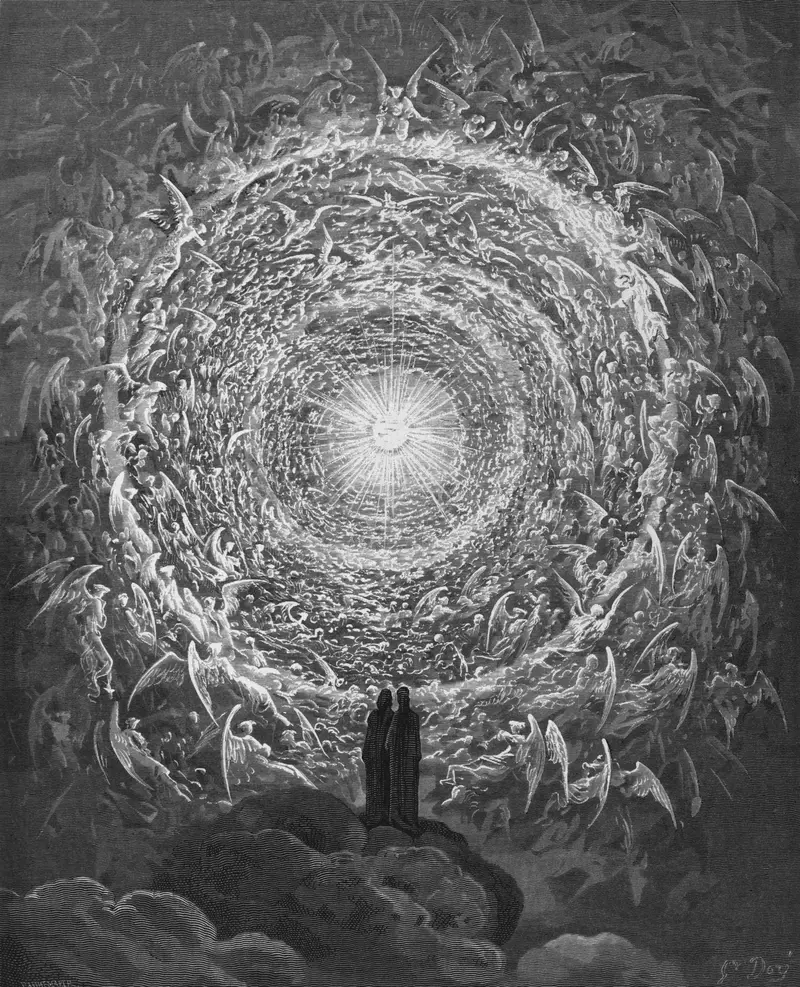
The Empyrean (Paradiso, Canto 31)
Gustave Doré
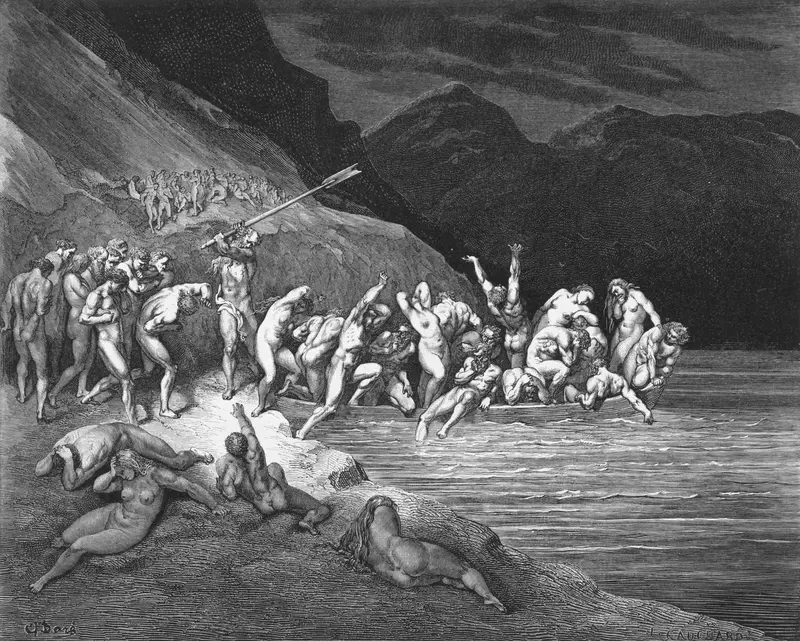
Charon (Inferno, Canto 3)
Gustave Doré
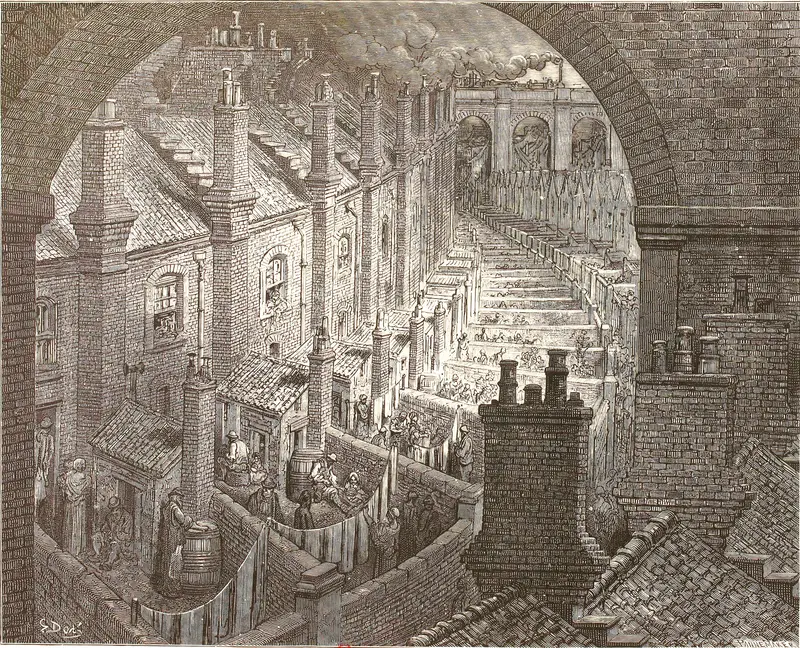
Over London by Rail
Gustave Doré
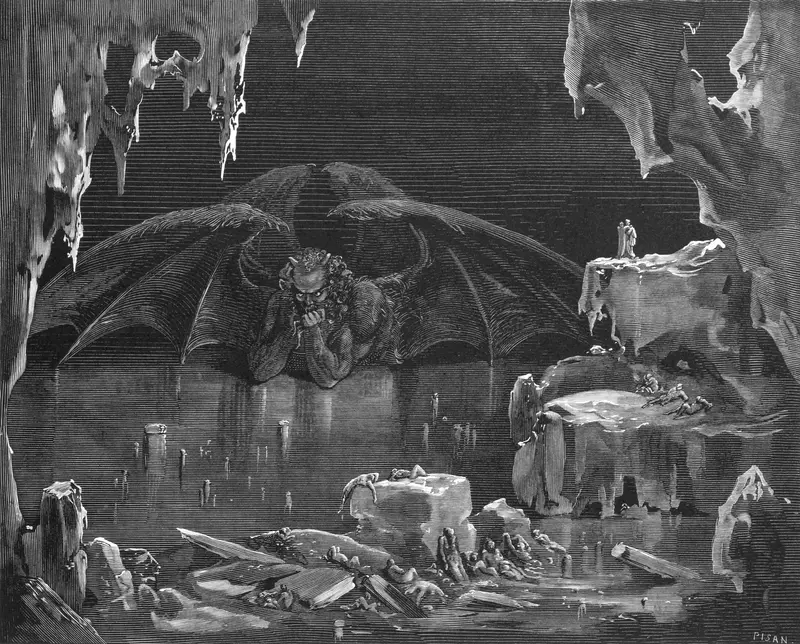
Lucifer, King of Hell
Gustave Doré
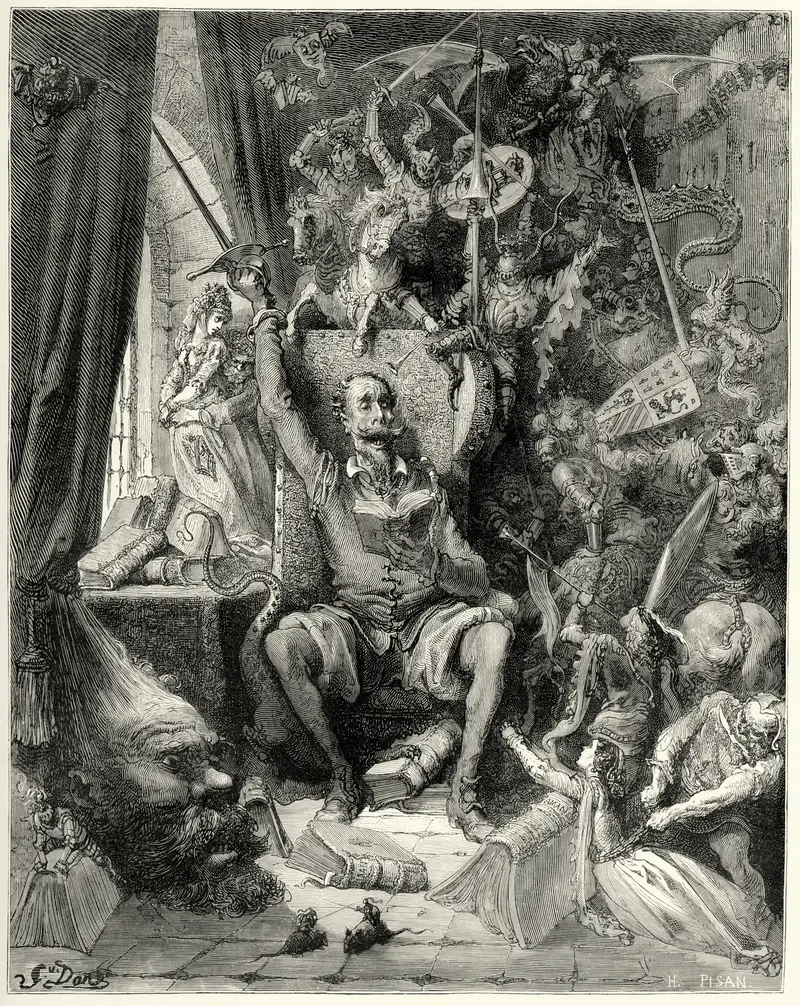
Don Quixote in His Library
Gustave Doré
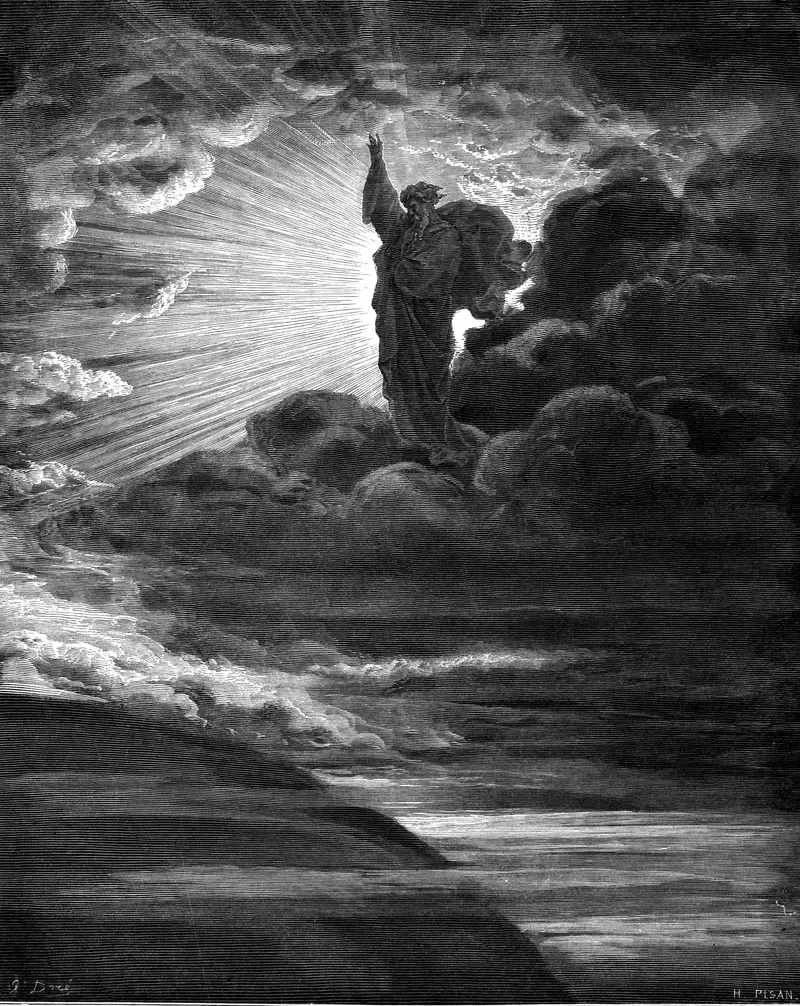
The Creation of Light
Gustave Doré
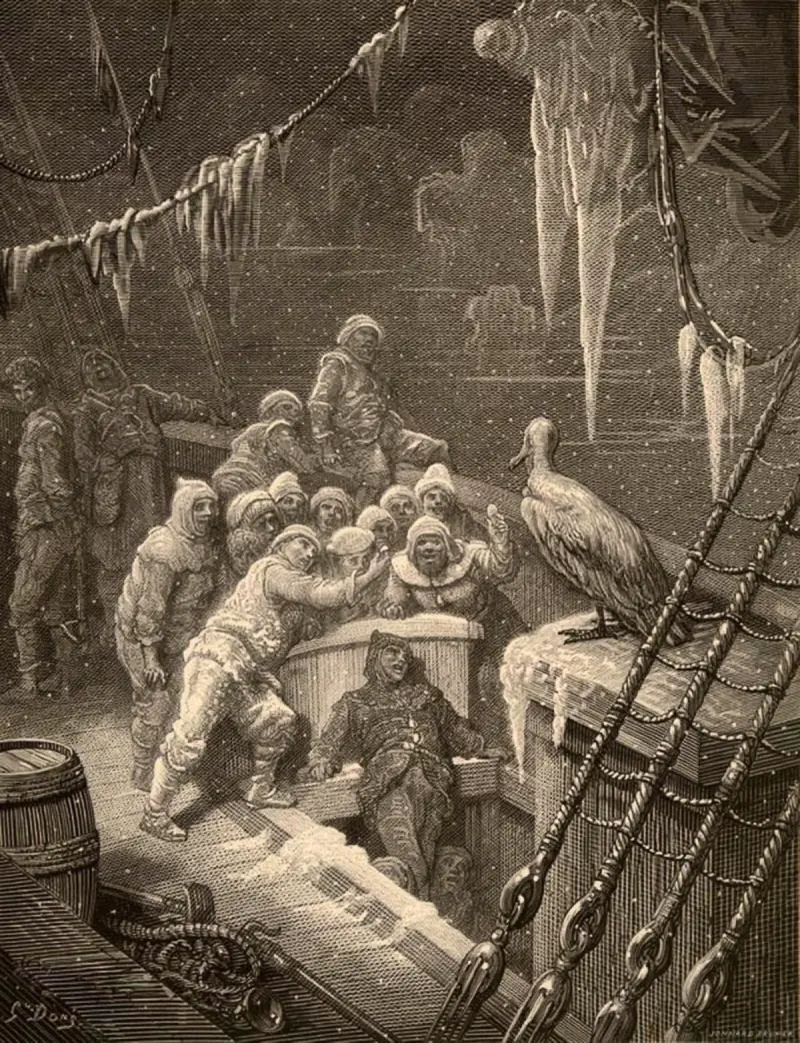
The Albatross (The Rime of the Ancient Mariner)
Gustave Doré
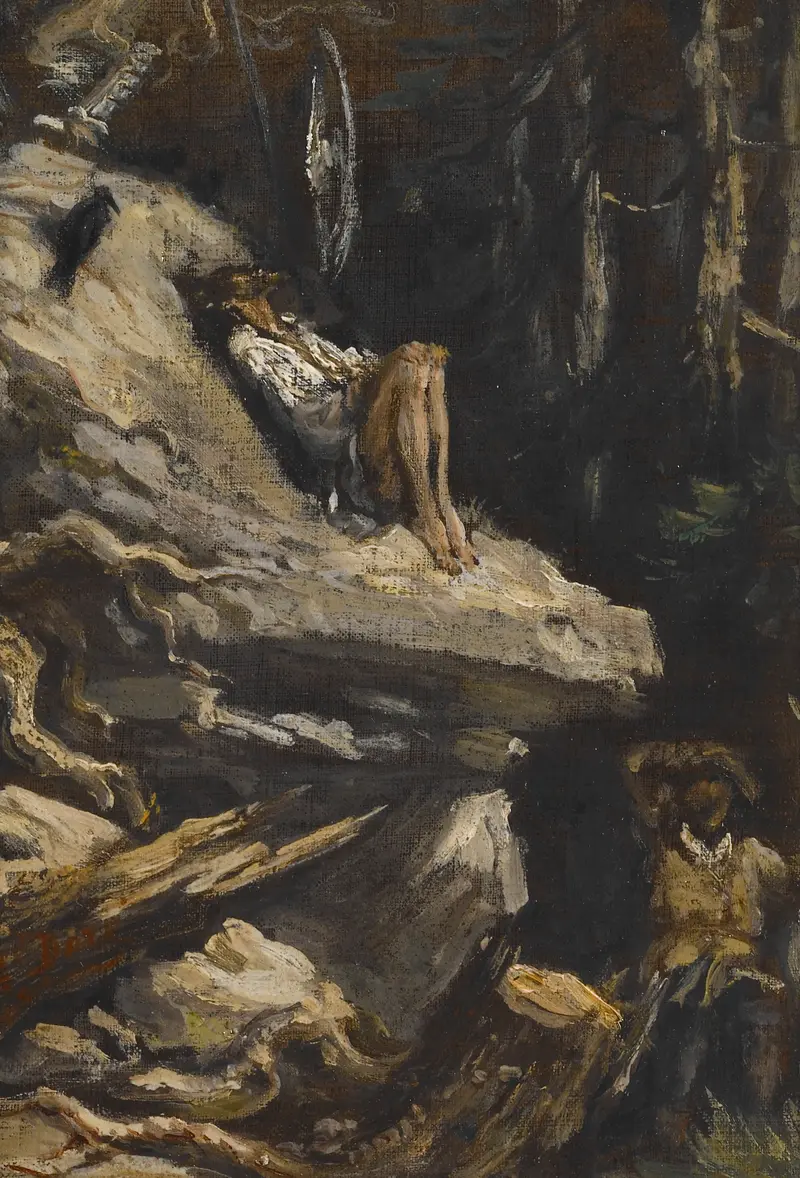
"'Alas!' answered Sancho, 'I found him in his shirt, lean, pale, and almost starved, sighing for his Lady Dulcinea'" from Don Quixote
Gustave Doré
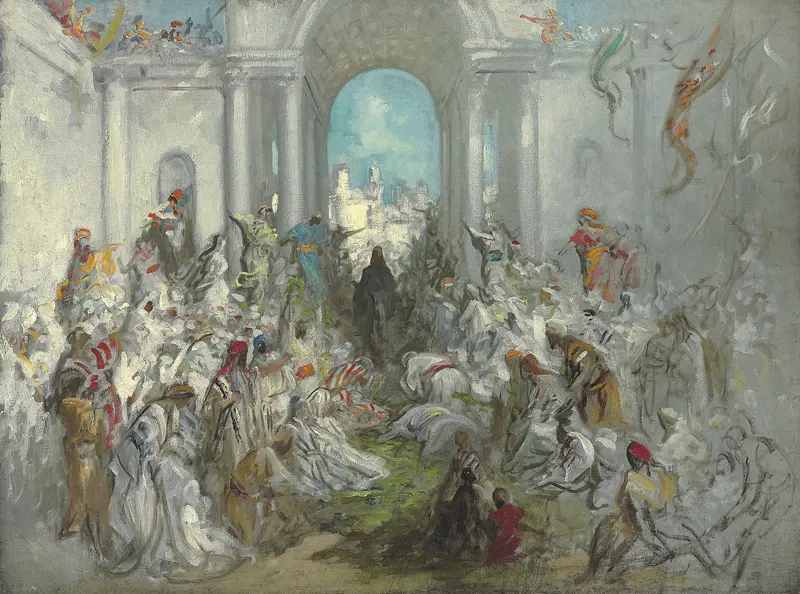
Christ's Entry into Jerusalem
Gustave Doré





