
Kneeling Female Figure with Upraised Arms — History & Facts
No one knows for certain whom the kneeling woman in Kneeling Female Figure with Upraised Arms is meant to represent, and this enigma has puzzled scholars since the drawing first surfaced in the nineteenth century. Unlike many of Abraham Bloemaert’s works, which are securely tied to biblical or mythological narratives, this figure resists easy identification, standing apart in his oeuvre for its ambiguity. Some have speculated that it may be a study for a lost altarpiece or a preparatory sketch for a larger religious composition, but no definitive connection has been established.
The lack of date and medium only deepens the mystery, inviting viewers to look more closely at the figure herself. The woman is captured at the instant of fervent supplication, her arms raised high above her head, fingers splayed in a gesture that could signal despair, praise, or surrender. Her robes fall in heavy folds, and her face is turned upward, eyes wide, as if searching for a sign from above. In the visual language of the late Mannerist period, such a pose often denotes a soul in the throes of spiritual crisis or ecstasy—echoes of which can be seen in El Greco’s Penitent Magdalene, though Bloemaert’s treatment is more restrained, less theatrical.
The absence of clear attributes—no crown, no book, no martyr’s palm—leaves her identity open, but the emotional intensity is unmistakable. As an object, this drawing (or painting—its medium remains uncertain) is typical of the studies that Abraham Bloemaert produced for his workshop in Utrecht, where he taught a generation of Dutch artists. While its early history is obscure, works of this type were often passed among pupils and collectors, valued for their expressive power and technical skill. Today, Kneeling Female Figure with Upraised Arms is recognized as a fine example of Bloemaert’s ability to convey drama with economy, and it continues to circulate in scholarly publications and exhibitions, even as questions about its origins and purpose remain unresolved.
More Artworks by Abraham Bloemaert

Adam and Eve
Abraham Bloemaert
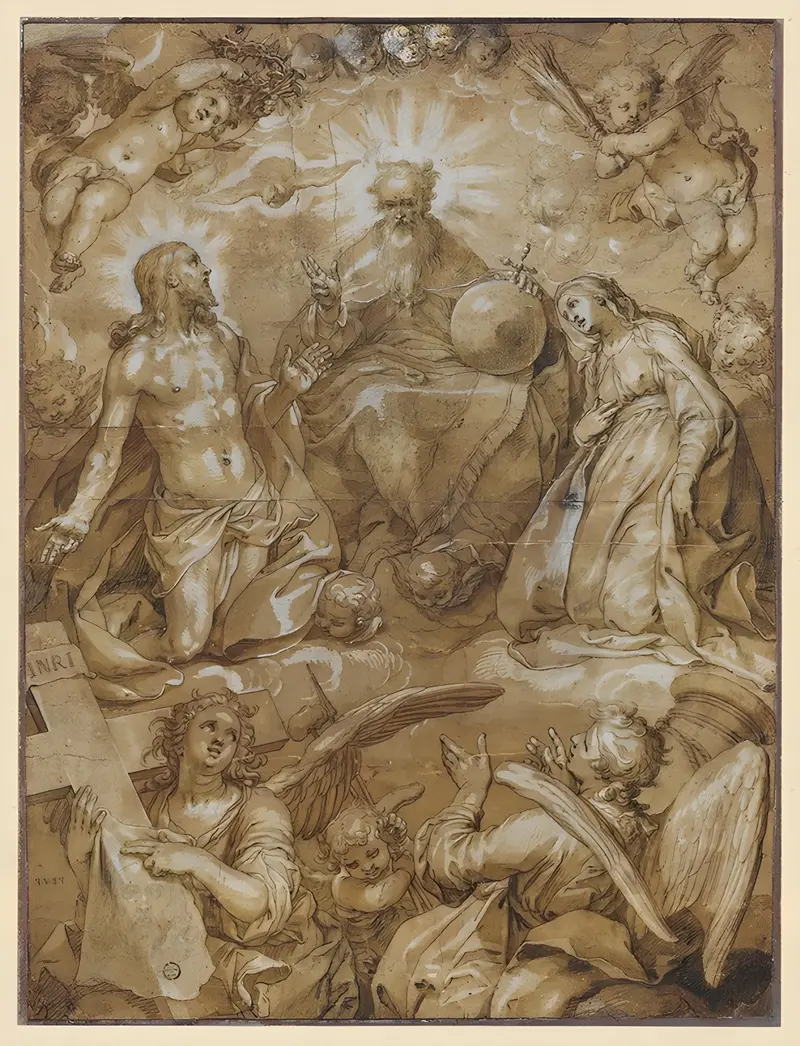
Intercession of Christ and Mary before God the Father
Abraham Bloemaert
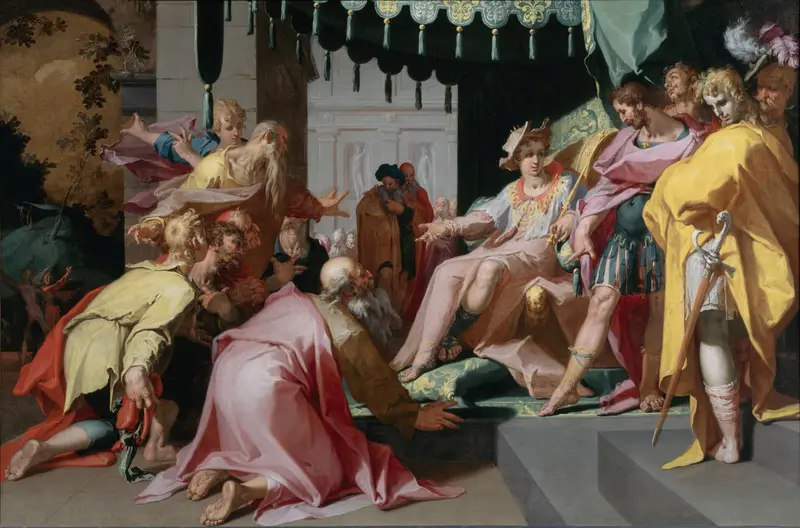
Joseph and his Brothers
Abraham Bloemaert
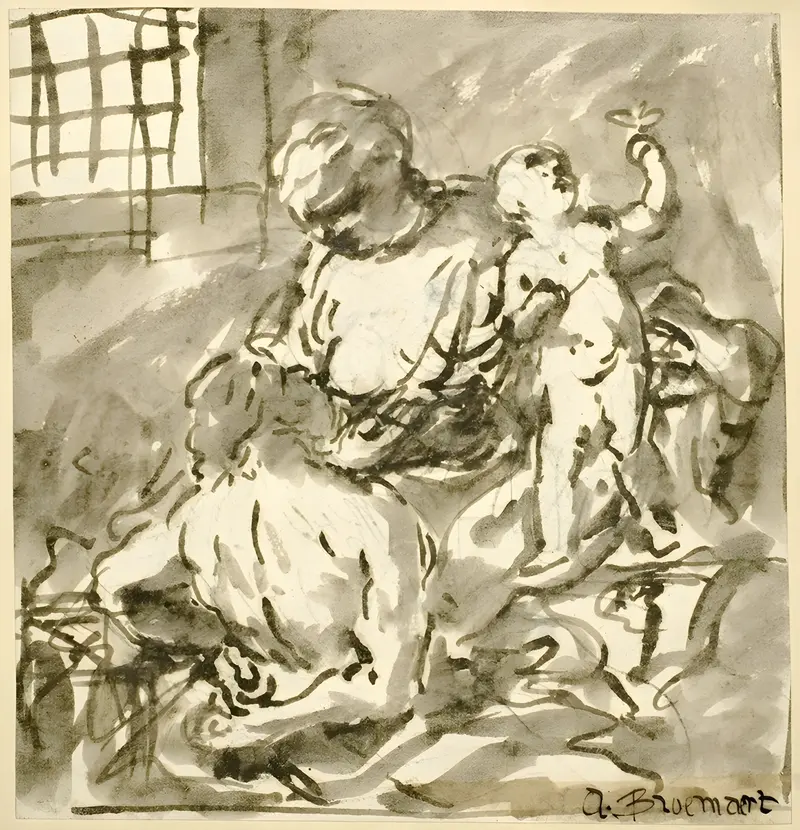
Caritas Romana
Abraham Bloemaert
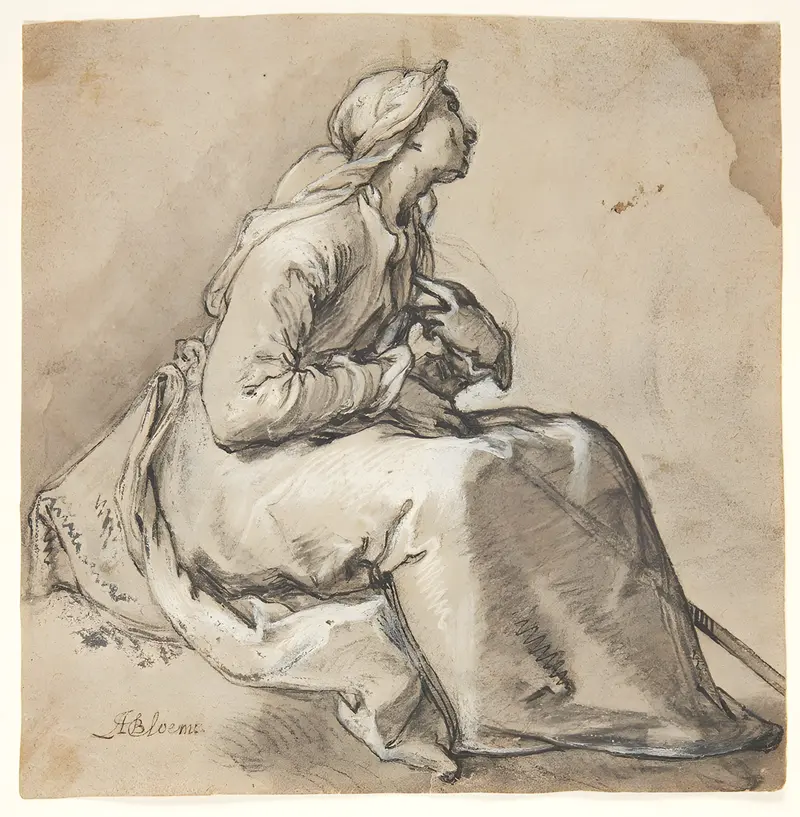
A seated woman facing right
Abraham Bloemaert
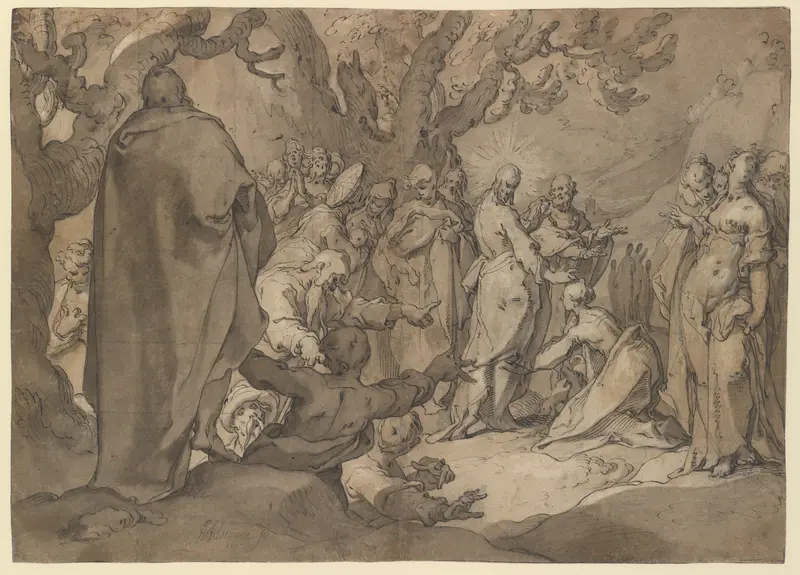
Christ and the Canaanite Women
Abraham Bloemaert
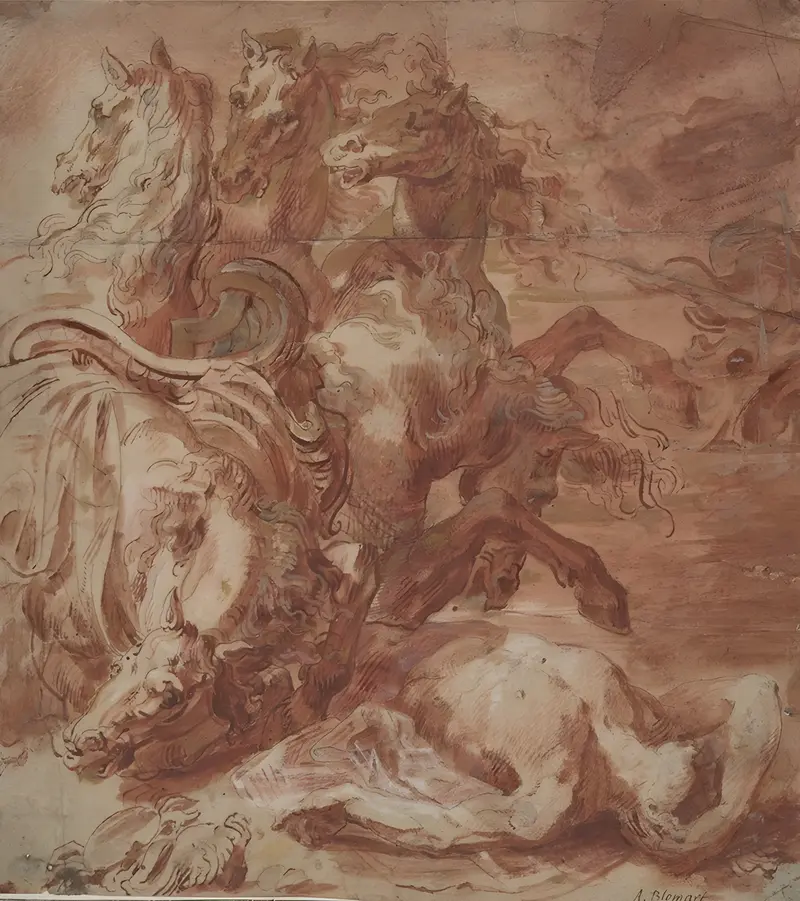
Hippolytus
Abraham Bloemaert
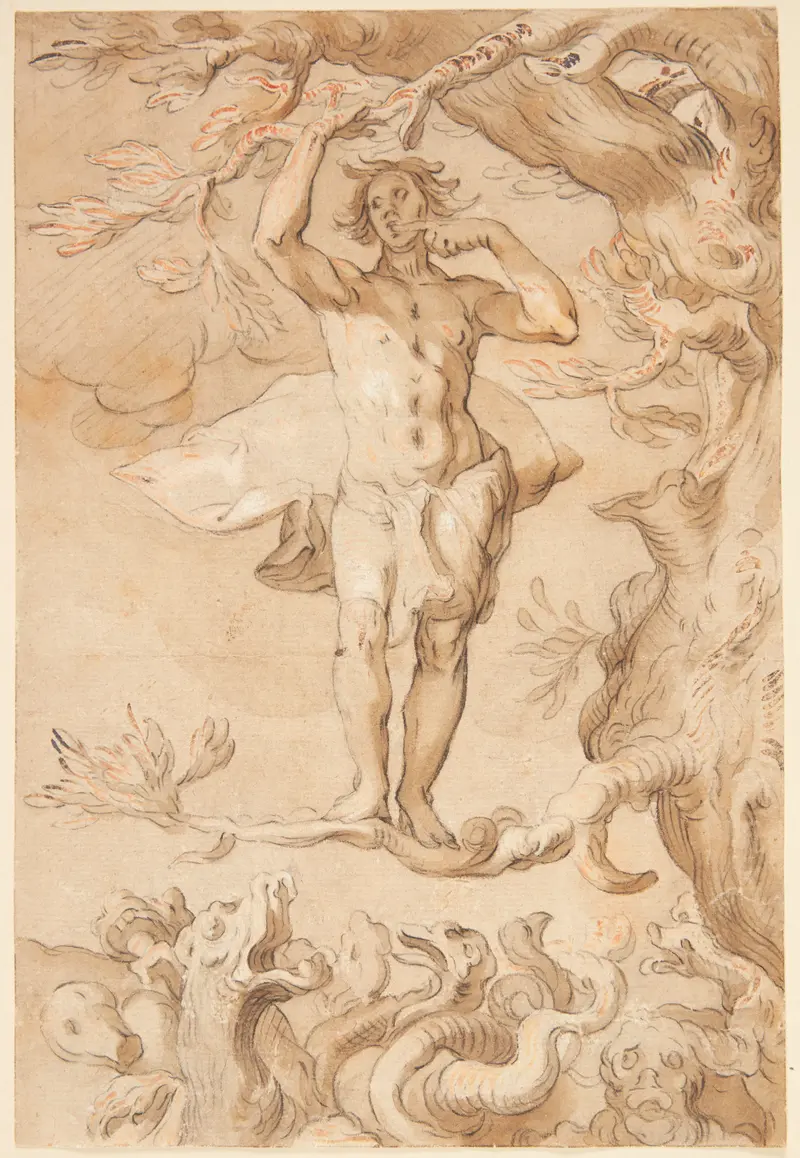
Den menneskelige glædes skrøbelighed En mand, der jages af en drage, klynger sig til en gren, mens han slikker honning af sin finger
Abraham Bloemaert

Moses Striking the Rock
Abraham Bloemaert
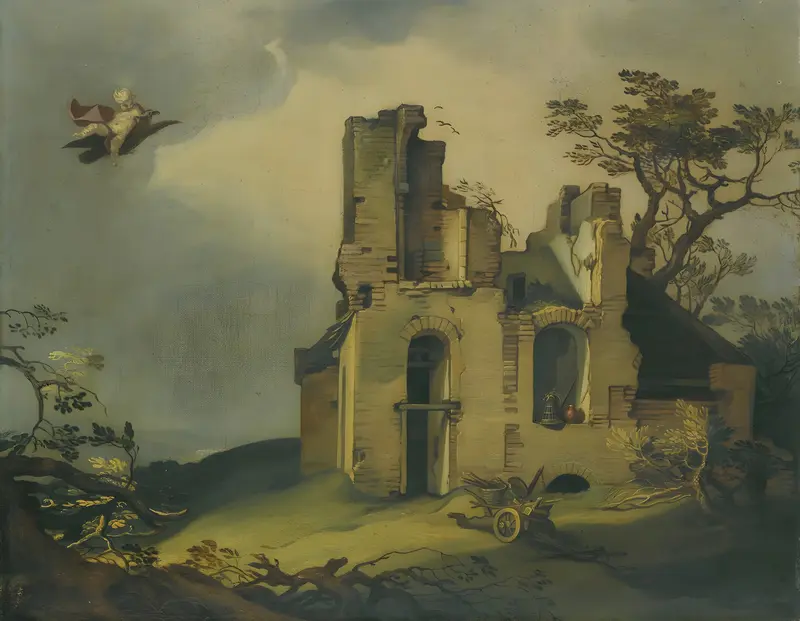
A Landscape With Ruins, With The Rape Of Ganymede
Abraham Bloemaert



