Kohlrübenfeld — History & Analysis
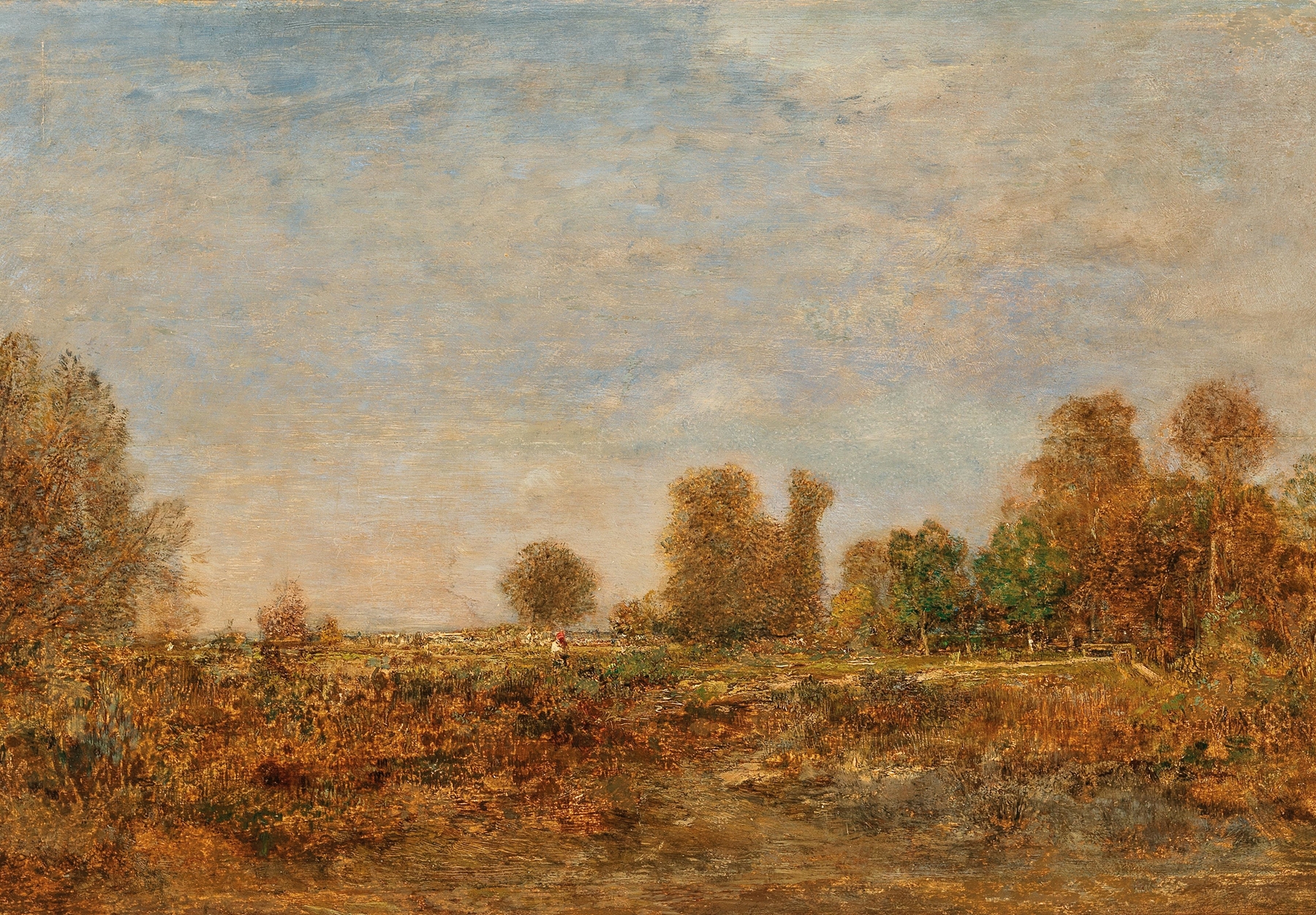
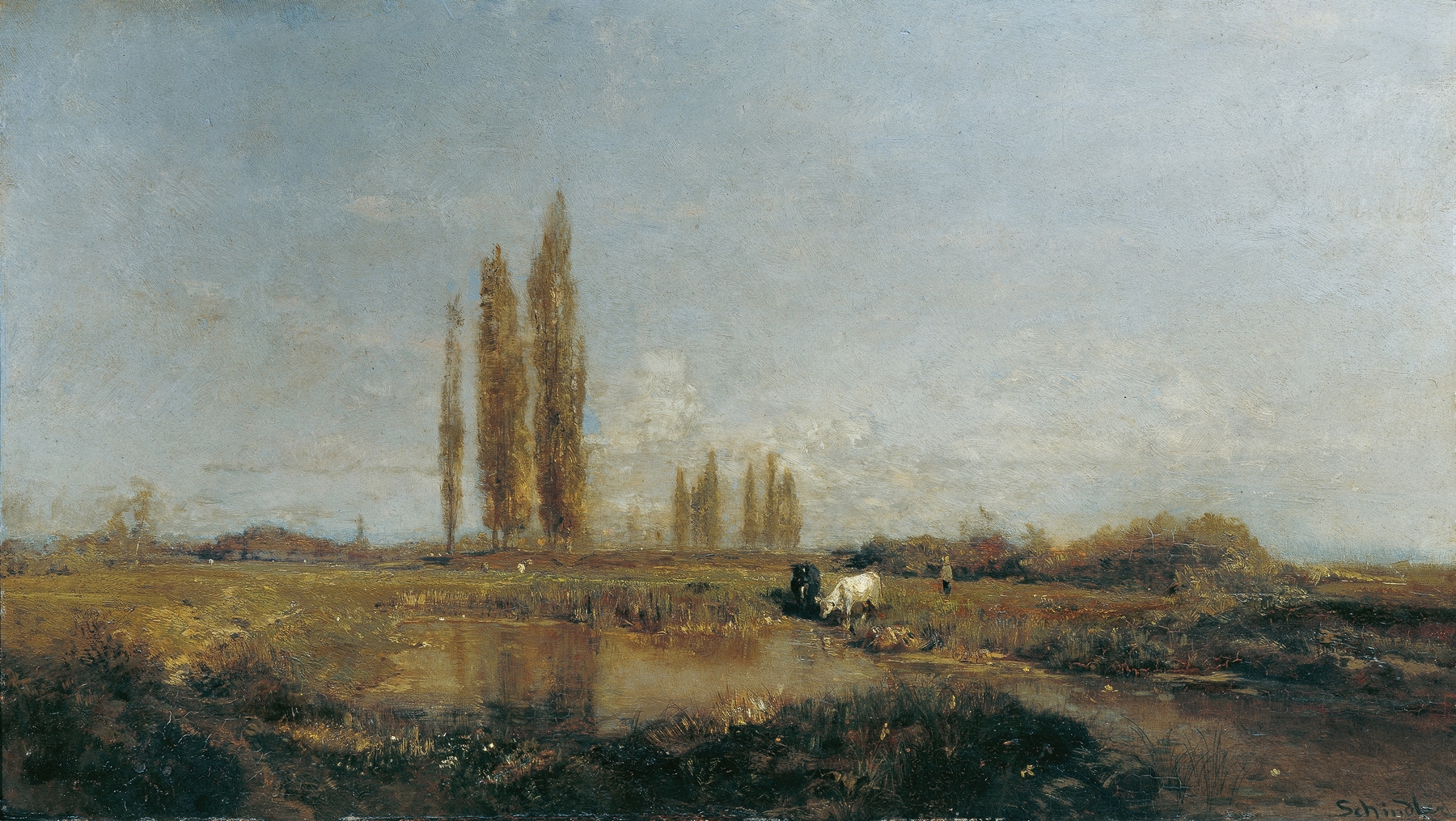
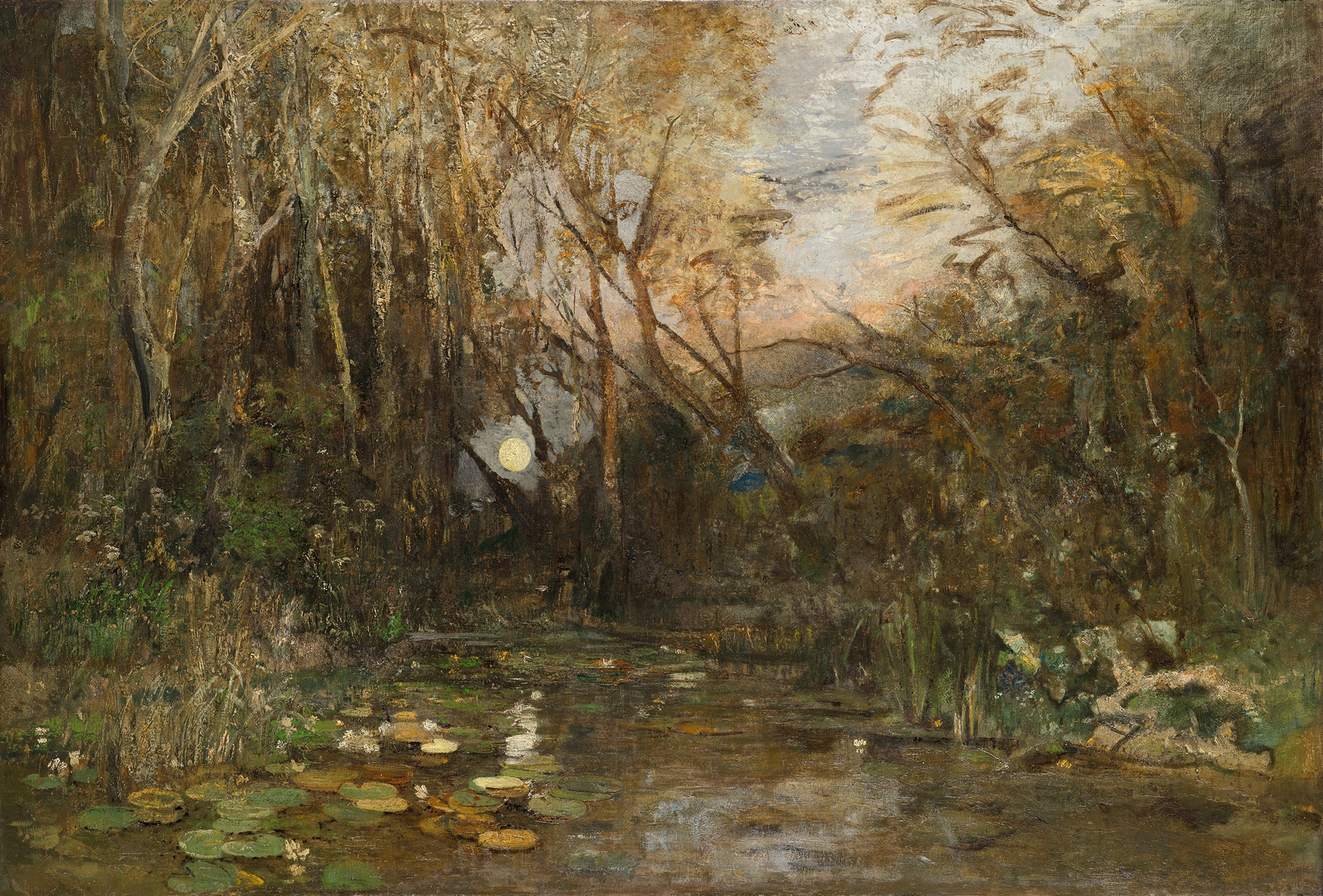
Where does light end, and longing begin? In this masterful work, transformation unfolds in the gentle embrace of nature, encapsulating the essence of life itself. Look to the foreground, where lush green leaves stretch toward the sky, their vibrant hue contrasting with the rich, earthy tones of the soil. Notice how the delicate interplay of light dances across the surface, illuminating the textures of the foliage and revealing subtle variations in color. The composition draws the eye inward, creating a sense of depth that invites contemplation of the life cycle hidden beneath the surface.
Each brushstroke reveals the artist's intimate understanding of nature, beckoning viewers to explore the quiet beauty of the humble kohlrüben. The emotional tension in this piece lies in the juxtaposition of vitality and vulnerability. The thriving plants symbolize growth and abundance, yet they are rooted in the earth, suggesting a deeper connection to the cycle of life and death. Look closely at the shadowed areas; there, one can sense a lurking stillness, an unspoken yearning for transformation.
This duality reflects not only the natural world but also the human experience of seeking and grappling with change. In 1888, the artist created this work in Austria during a period of personal reflection. Amidst a flourishing art scene that embraced Impressionism, it was a time when he sought to capture the essence of everyday life in his rural surroundings. This painting emerges as a poignant testament to his ability to illuminate the simple yet profound moments that define existence.