
Landscape with St Matthew and the Angel — History & Facts
Few paintings by Nicolas Poussin have sparked as much discussion about the artist’s evolving style as Landscape with St Matthew and the Angel, completed around 1640. This work marks a turning point: Poussin, long celebrated for his rigorous classical compositions, here embraces a new emphasis on landscape, making nature itself a protagonist. The painting was likely commissioned by a Roman patron during Poussin’s second stay in the city, a period when he was in high demand among collectors seeking both religious and poetic scenes.
Its arrival in France soon after, and its influence on the next generation of French painters, would help define the course of the Baroque landscape tradition. The scene captures the moment when the apostle Matthew, seated in contemplation, receives divine inspiration from an angel who gently guides his hand across the page. Poussin sets the figures in a vast, idealized countryside, where rolling hills and ancient trees dwarf the human drama. The angel’s gesture—pointing heavenward while leaning close to Matthew—signals the source of the Gospel’s wisdom, while the book and quill on Matthew’s lap anchor the narrative in the act of writing.
Light pours through the clouds, illuminating the pair and drawing the viewer’s eye to their communion. Unlike Caravaggio’s dramatic chiaroscuro in his own St Matthew and the Angel, Poussin’s approach is measured and serene, emphasizing clarity and order over theatricality. The precise early history of Landscape with St Matthew and the Angel remains partially obscured, but it is typical of the religious commissions Poussin received from both Italian and French patrons during the late 1630s and early 1640s. The painting’s blend of sacred subject and expansive landscape reflects a broader interest in uniting narrative and nature, a hallmark of Poussin’s mature style.
Over the centuries, the work has passed through several notable collections and has often been cited in debates about the origins of the French landscape tradition. Today, it stands as a testament to Poussin’s ability to fuse story and setting, and continues to be studied as a key example of his influence on European painting.
More Artworks by Nicolas Poussin

Spring
Nicolas Poussin
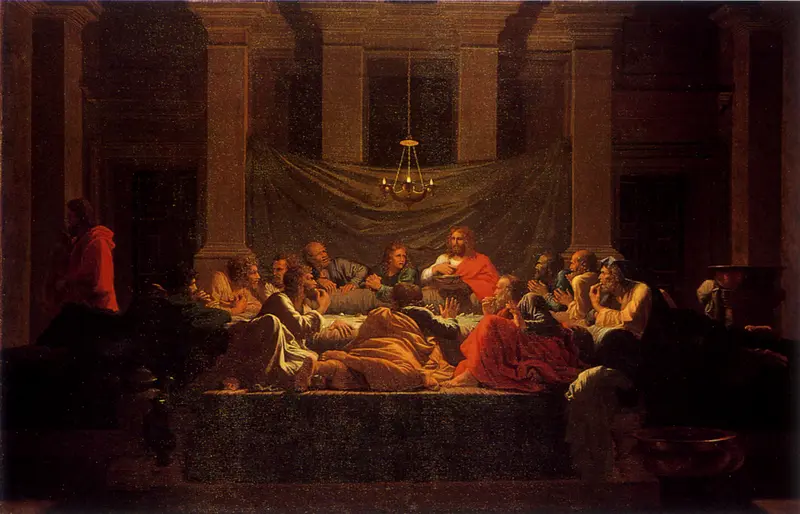
The Sacrament of the Holy Eucharist
Nicolas Poussin
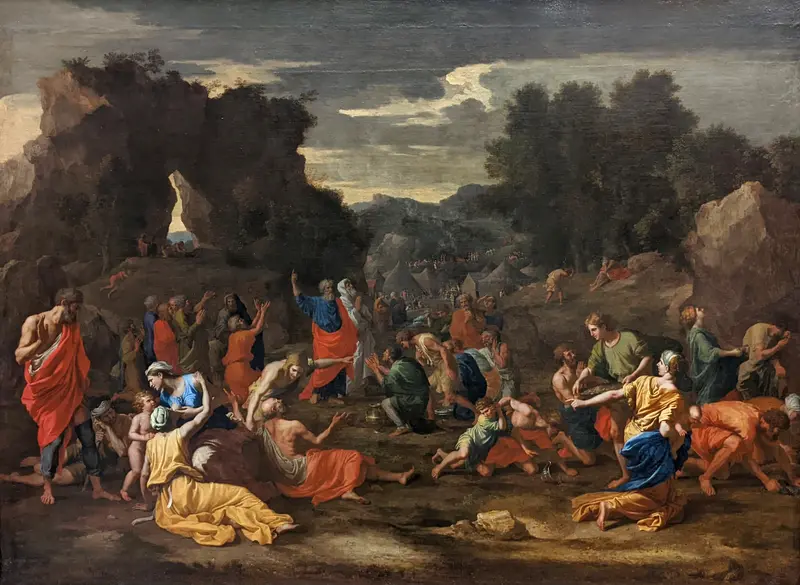
The Israelites gathering Manna in the Desert
Nicolas Poussin
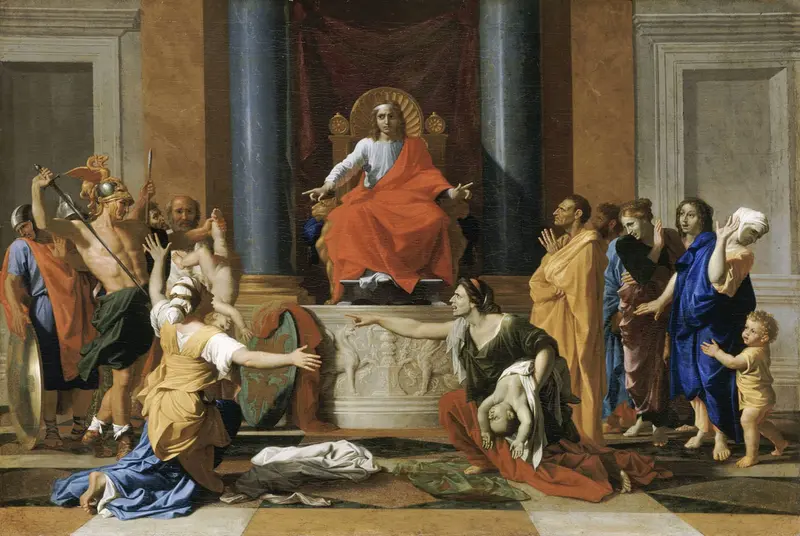
The Judgment of Solomon
Nicolas Poussin
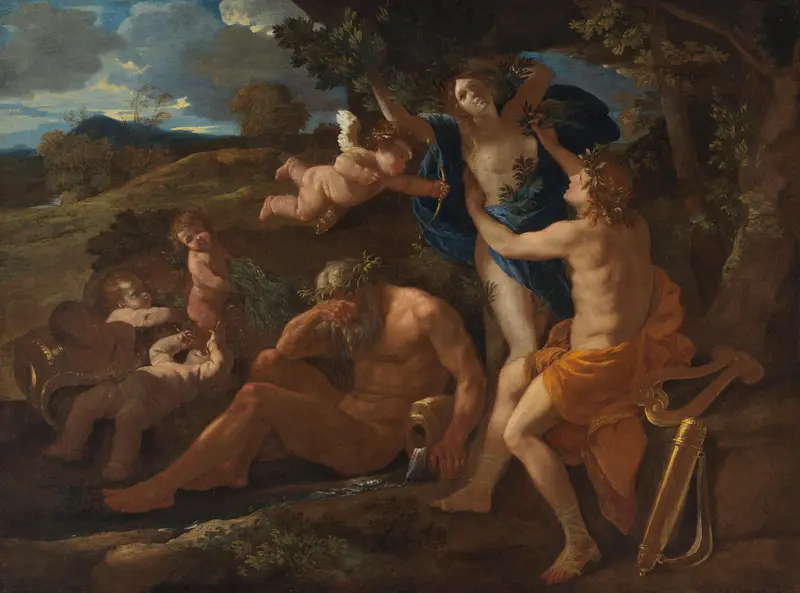
Apollo and Daphne
Nicolas Poussin

The Nurture of Jupiter
Nicolas Poussin

Ordination
Nicolas Poussin
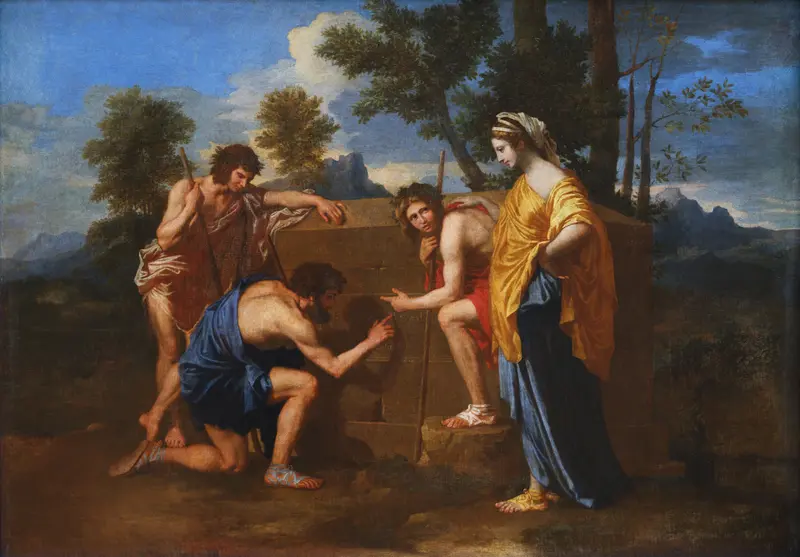
Et in Arcadia ego
Nicolas Poussin
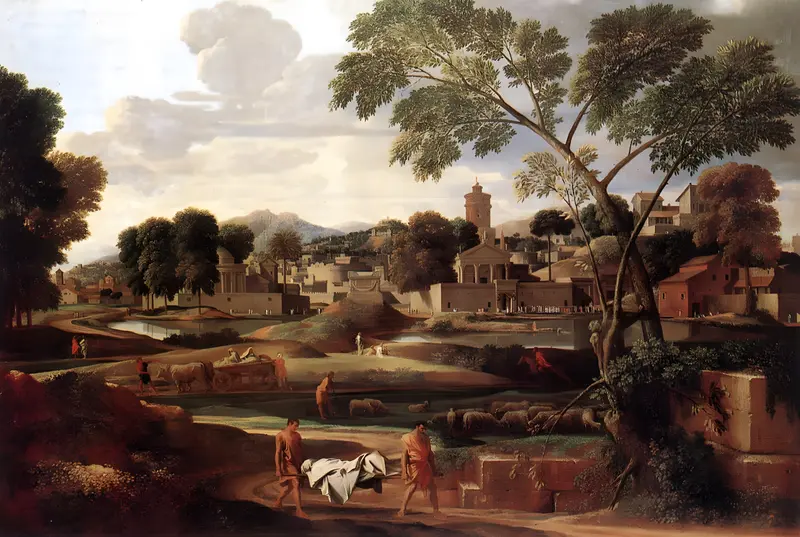
The Funeral of Phocion
Nicolas Poussin
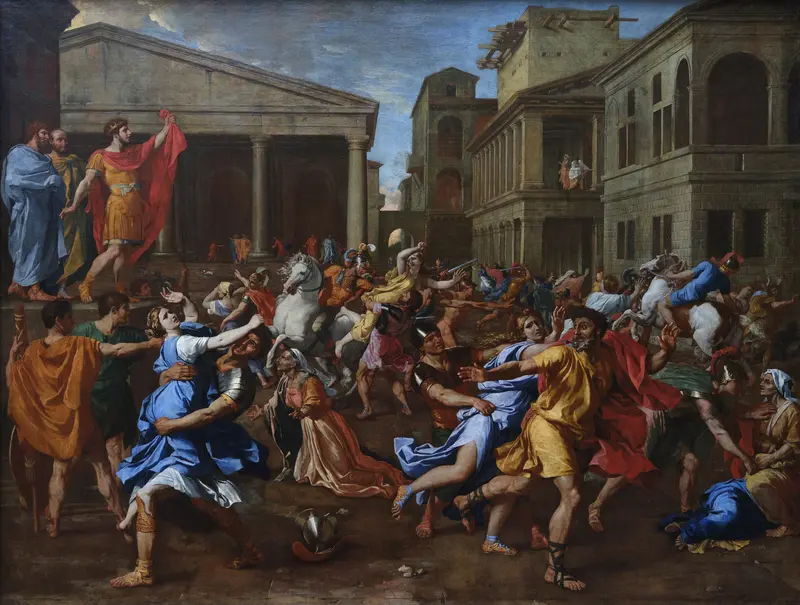
The Rape of the Sabine Women
Nicolas Poussin





