
Le chariot de charbon — History & Facts
When Le chariot de charbon was first exhibited in 1821, visitors were startled: here was Théodore Géricault, fresh from the scandal of The Raft of the Medusa, turning his gaze from epic disaster to the everyday labor of Paris. The painting’s subject—a coal cart rumbling through the city—was so unusual that critics questioned whether it even belonged in a gallery. In an era when grand history paintings dominated the Salon, Géricault’s decision to elevate a humble scene of industry was seen as a challenge to tradition.
This was not a commission, but a work born of the artist’s fascination with the city’s working class and the realities of modern life. The painting captures a moment of tension and movement: a heavy, horse-drawn coal cart lurches along a muddy Parisian street, its driver hunched against the cold, while a dog darts out of the way. Géricault’s eye lingers on the muscular horses, their straining bodies rendered with the same energy he once gave to the shipwrecked survivors of The Raft of the Medusa. The coal, piled high and black, dominates the cart, a stark reminder of the city’s dependence on unseen labor.
The low vantage point and dramatic lighting thrust the viewer into the path of the cart, echoing the immediacy found in Goya’s depictions of Spanish workers. Here, every object—the whip, the mud, the glint of harness—serves to ground the scene in gritty reality. Unlike many of his larger works, Le chariot de charbon was not widely circulated or reproduced in Géricault’s lifetime, and its early provenance remains unclear. Scholars believe it was painted during the artist’s final years, a period marked by illness and a growing interest in scenes of contemporary life.
The painting’s medium is still debated, though oil on canvas is likely. Today, it stands as a rare example of Géricault’s engagement with the urban world, bridging the gap between Romantic drama and the realism that would soon define French painting. Its current home is not firmly established, but it remains a touchstone for those tracing the evolution of modern subject matter in the early nineteenth century.
More Artworks by Théodore Géricault
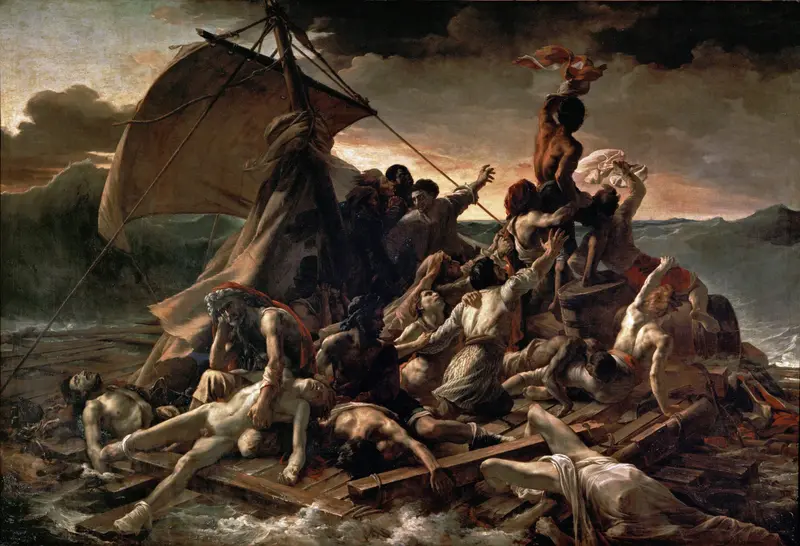
The Raft of the Medusa
Théodore Géricault

Géricault - Le naufrage du radeau de la Méduse, MBA 790
Théodore Géricault
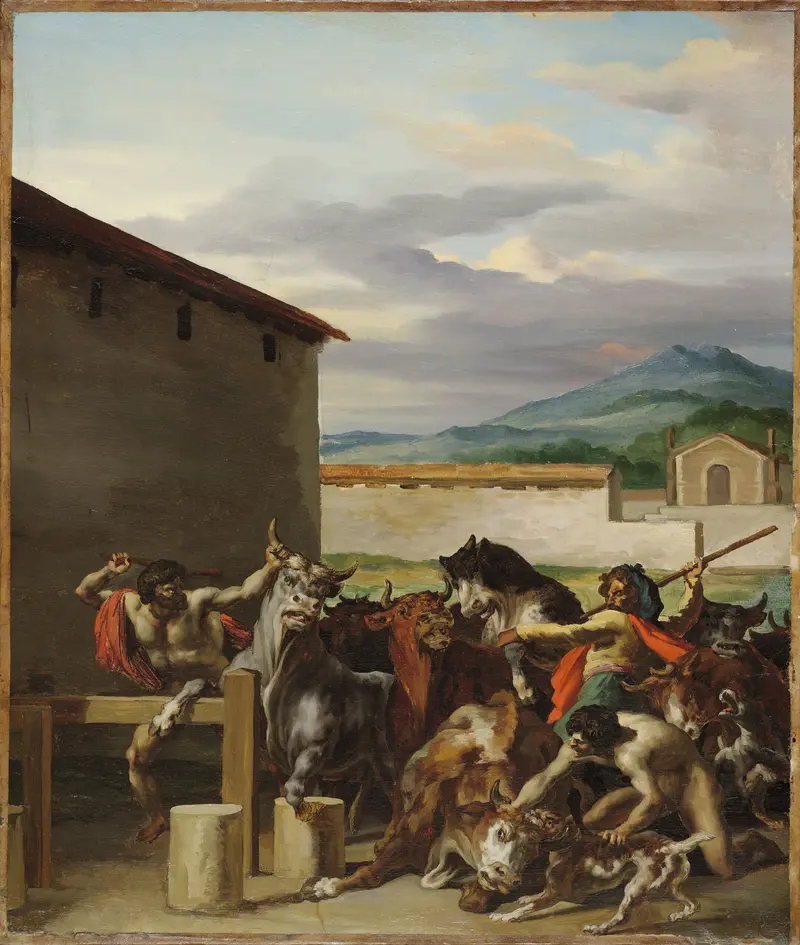
Cattle Market
Théodore Géricault
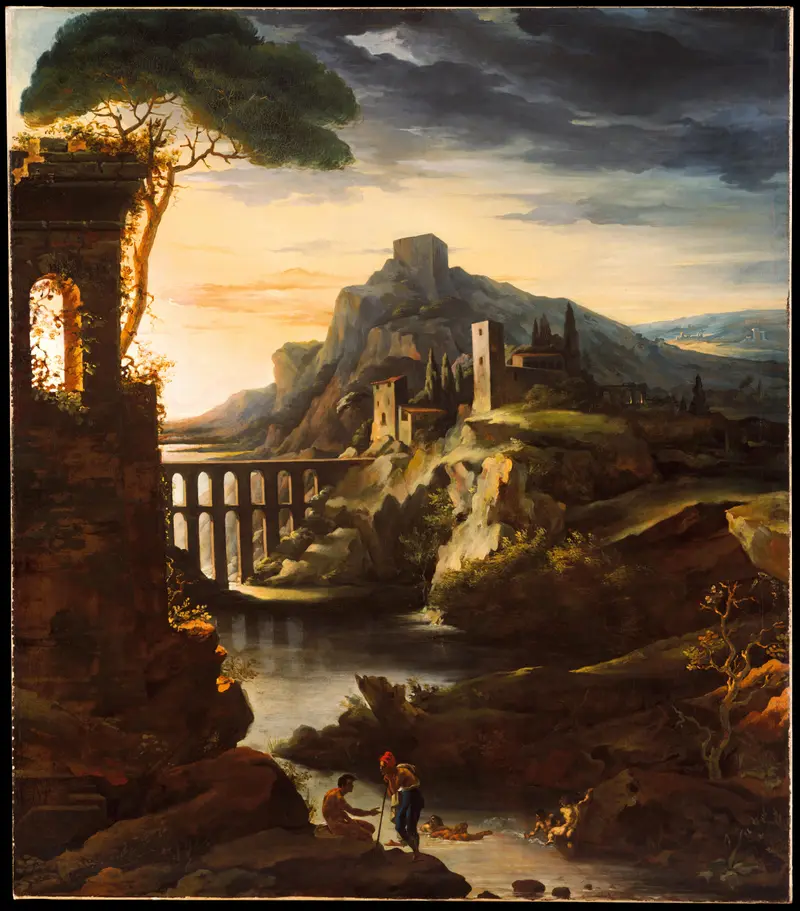
Evening; Landscape with an Aqueduct
Théodore Géricault
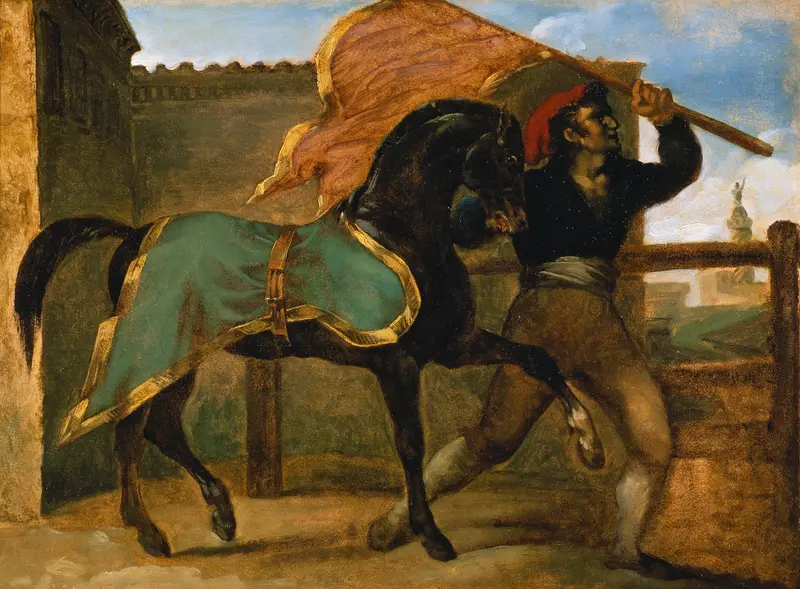
Horse Race
Théodore Géricault

Horses Standing in a Mews
Théodore Géricault
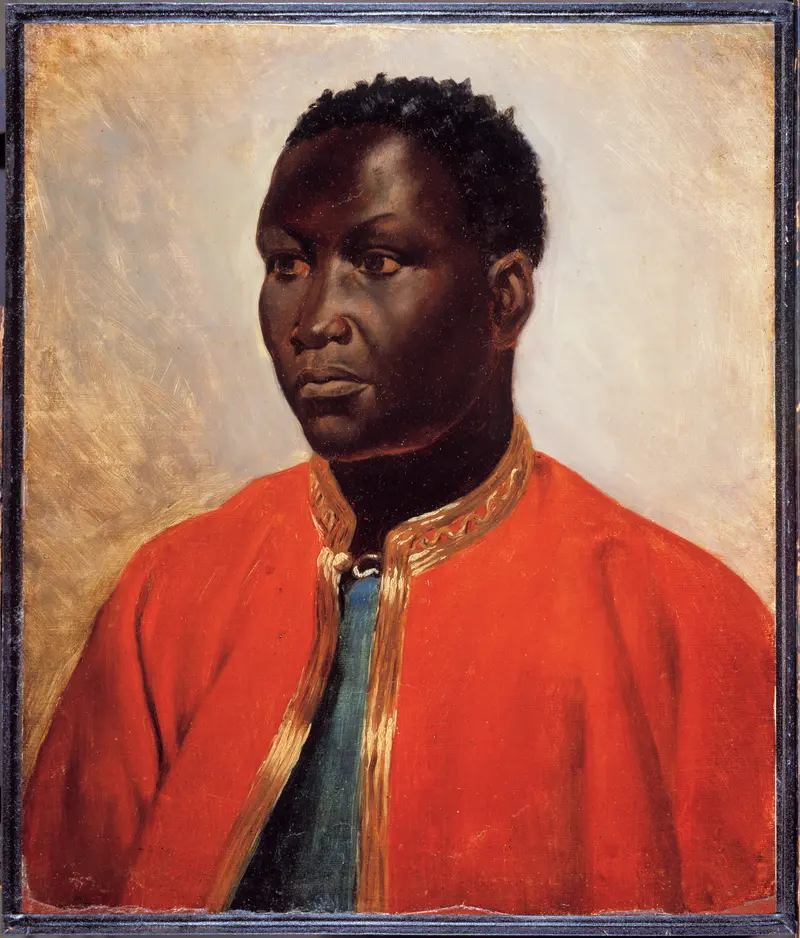
Portrait of a Negro
Théodore Géricault
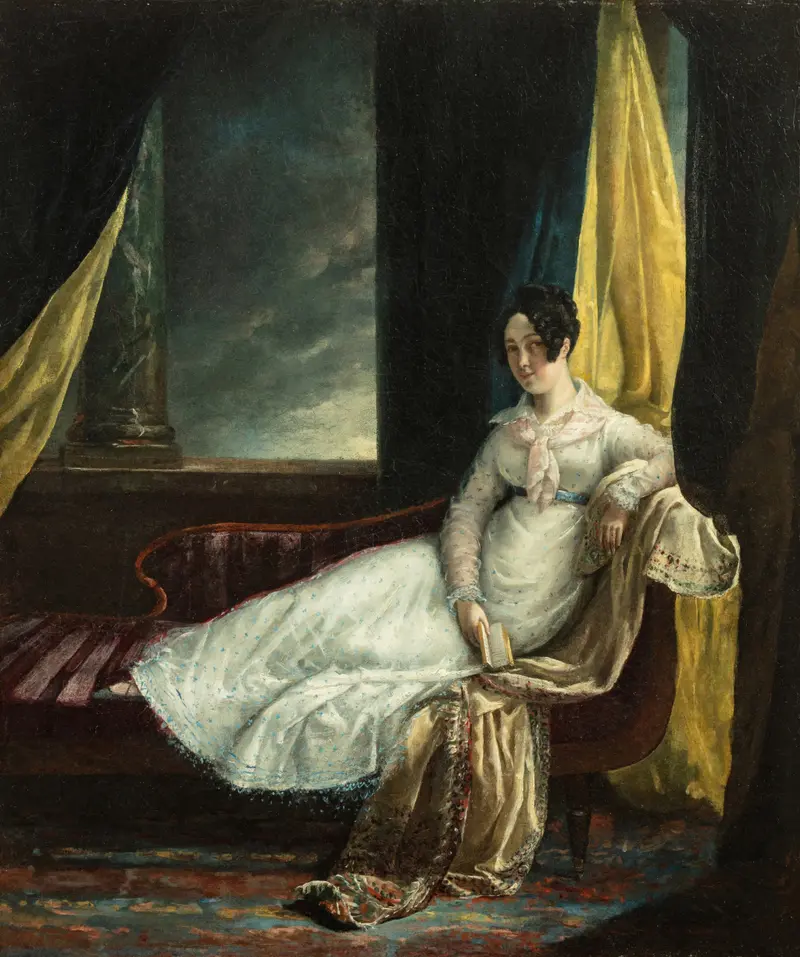
Portrait of Zoë Elmore
Théodore Géricault
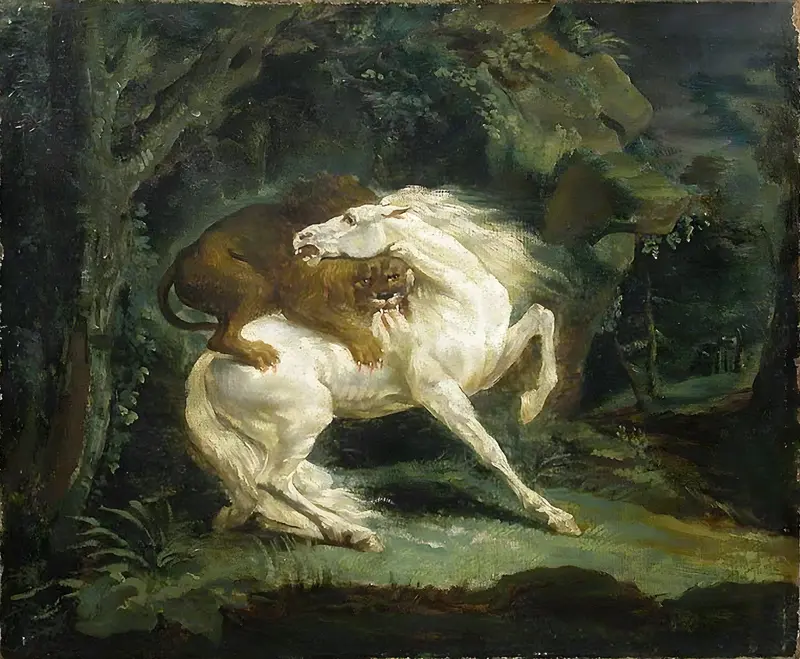
Cheval attaqué par un lion
Théodore Géricault
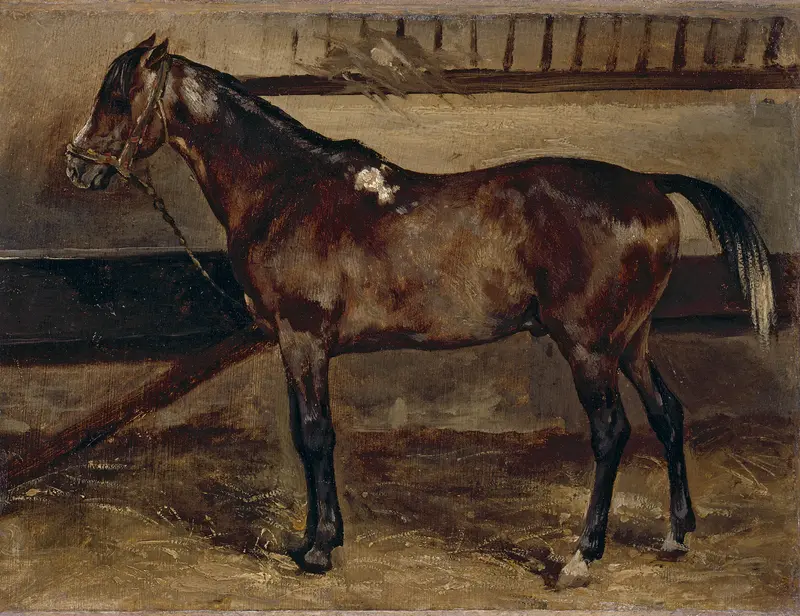
Cheval brun à l'écurie
Théodore Géricault
More Genre Scene Art

Banquet of the Officers of the St George Civic Guard
Frans Hals

Rembrandt and Saskia in the Scene of the Prodigal Son
Rembrandt van Rijn

Bal du moulin de la Galette
Pierre-Auguste Renoir

Quadrille at the Moulin Rouge
Henri de Toulouse-Lautrec

A Burial at Ornans
Gustave Courbet

When Will You Marry?
Paul Gauguin