Leaves and Flowers from Nature No. 5 — History & Facts
A single page can feel like a cabinet of wonders, and in Leaves and Flowers from Nature No. 5 by Owen Jones, the eye is drawn first to the crisp, almost architectural clarity of each leaf. Five distinct botanical specimens float on a field of gentle ochre, each one numbered and rendered with a precision that invites close study.
The acorns nestled among oak leaves, the holly’s sharp points and clustered berries, the feathery lobes of another oak, and the compound leaf at the bottom right—each detail is a deliberate lesson in form. The lines are clean, the shading minimal, so that the structure of each plant stands out as if illuminated by a scientific curiosity. What might seem at first a simple study becomes, on closer inspection, a celebration of the hidden geometry and variety in the natural world. Works like this were born in a century obsessed with cataloguing, classifying, and learning from nature’s own designs.
Owen Jones was a leading figure in Victorian design, and his chromolithographs—such as this one, published in London and now preserved in the Polona Digital Library—were not just art but tools for architects, designers, and students. The mid-19th century saw a surge of interest in ornament drawn from nature, as industrialization made both mass production and mass education possible. These plates, part of larger volumes, offered a new grammar for decoration, insisting that beauty could be systematic and democratic.
The page invites us to look again, not just at the image, but at the living leaves outside the window, and to find in them the same order and invention.
More Artworks by Owen Jones

Greek Ornament No. 1
Owen Jones
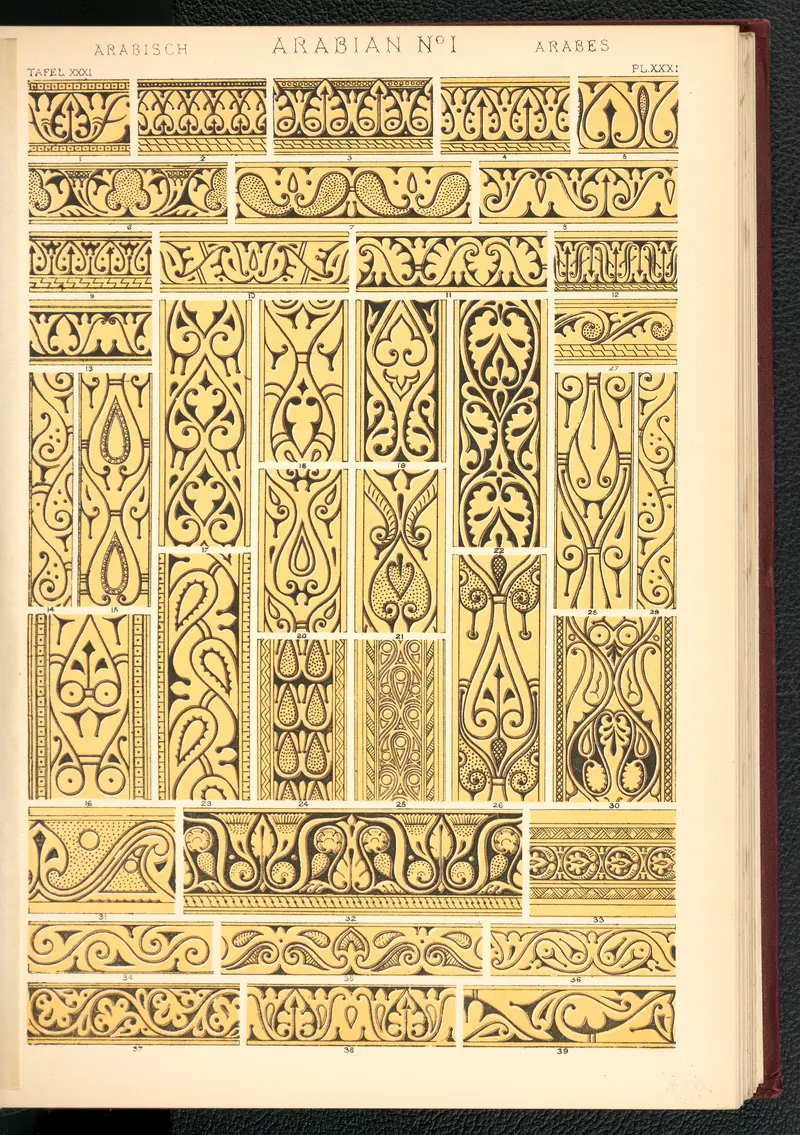
Arabian Ornament No. 1
Owen Jones
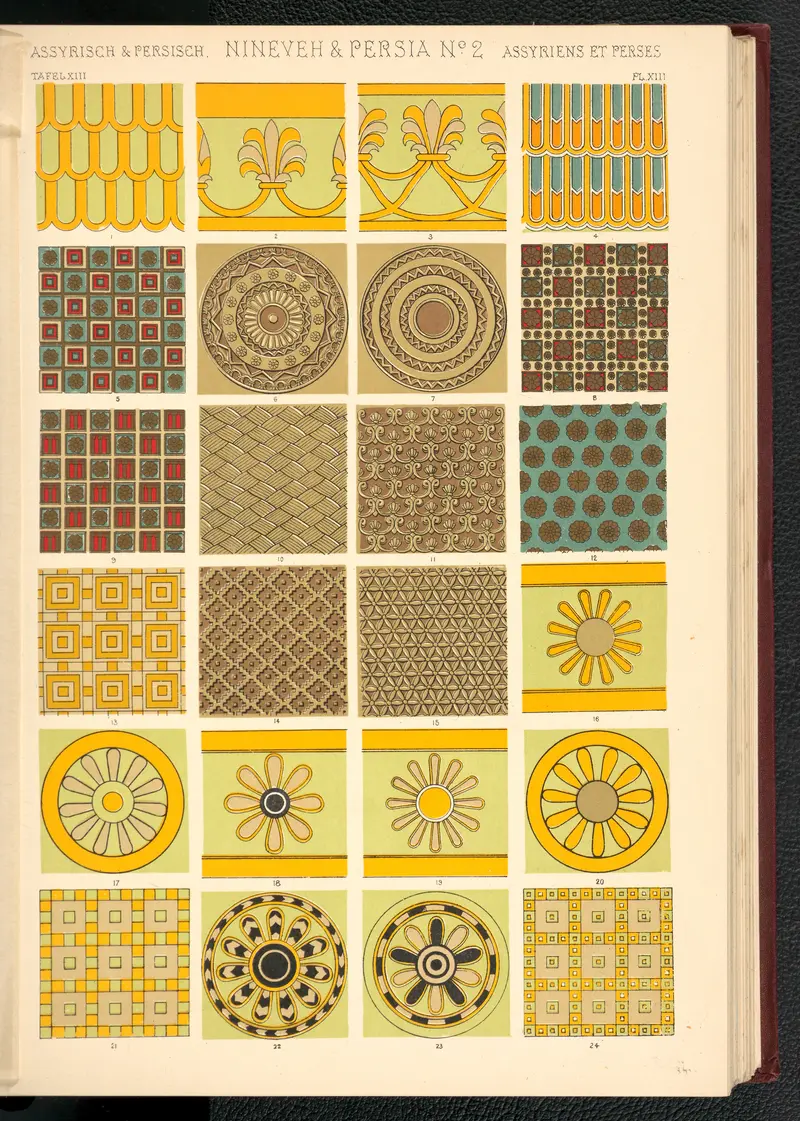
Assyrian Ornament No. 2
Owen Jones

Egyptian Ornament No. 3
Owen Jones
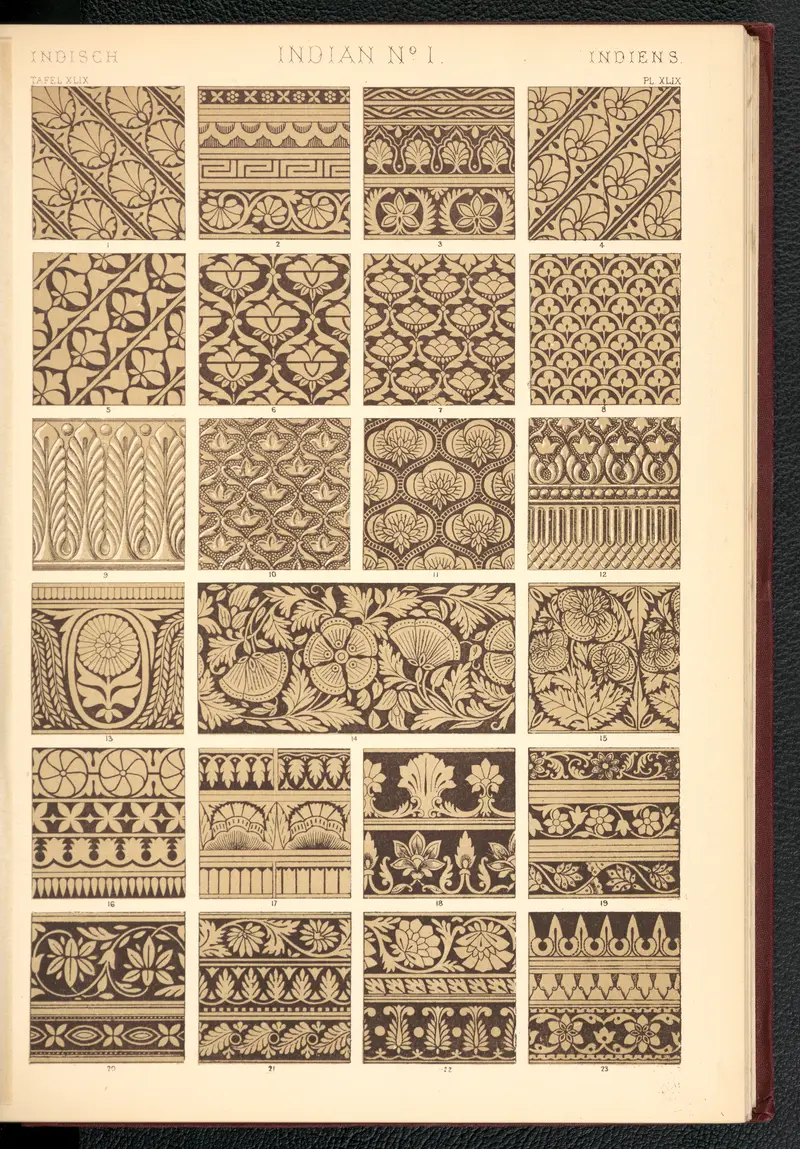
Indian Ornament No. 1
Owen Jones
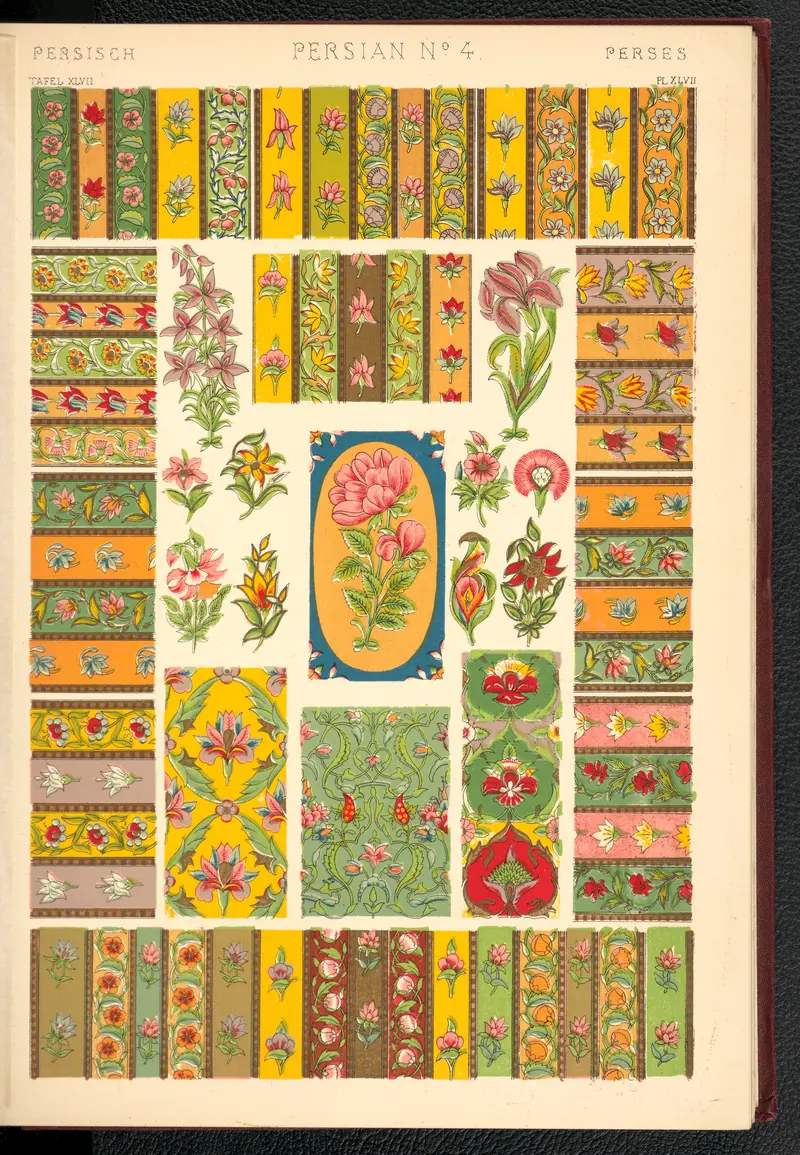
Persian Ornament No. 4
Owen Jones
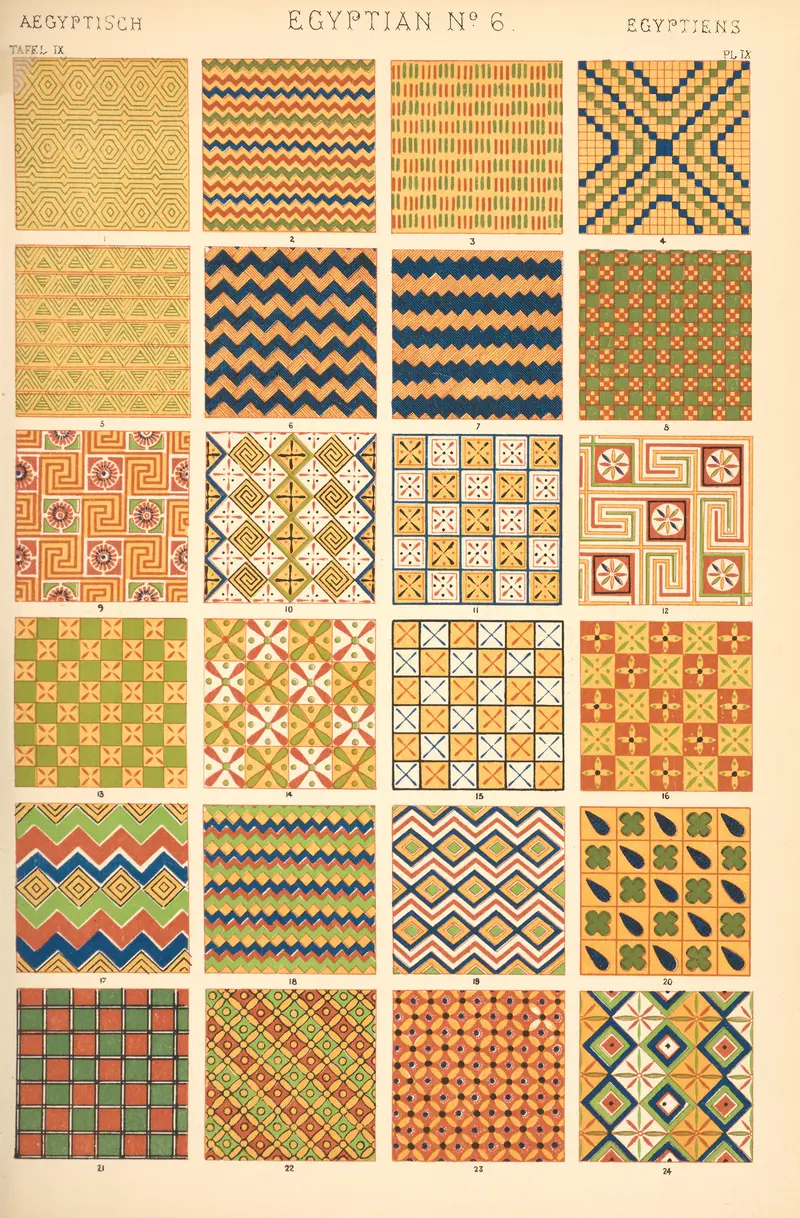
Egyptian Ornament No. 6
Owen Jones
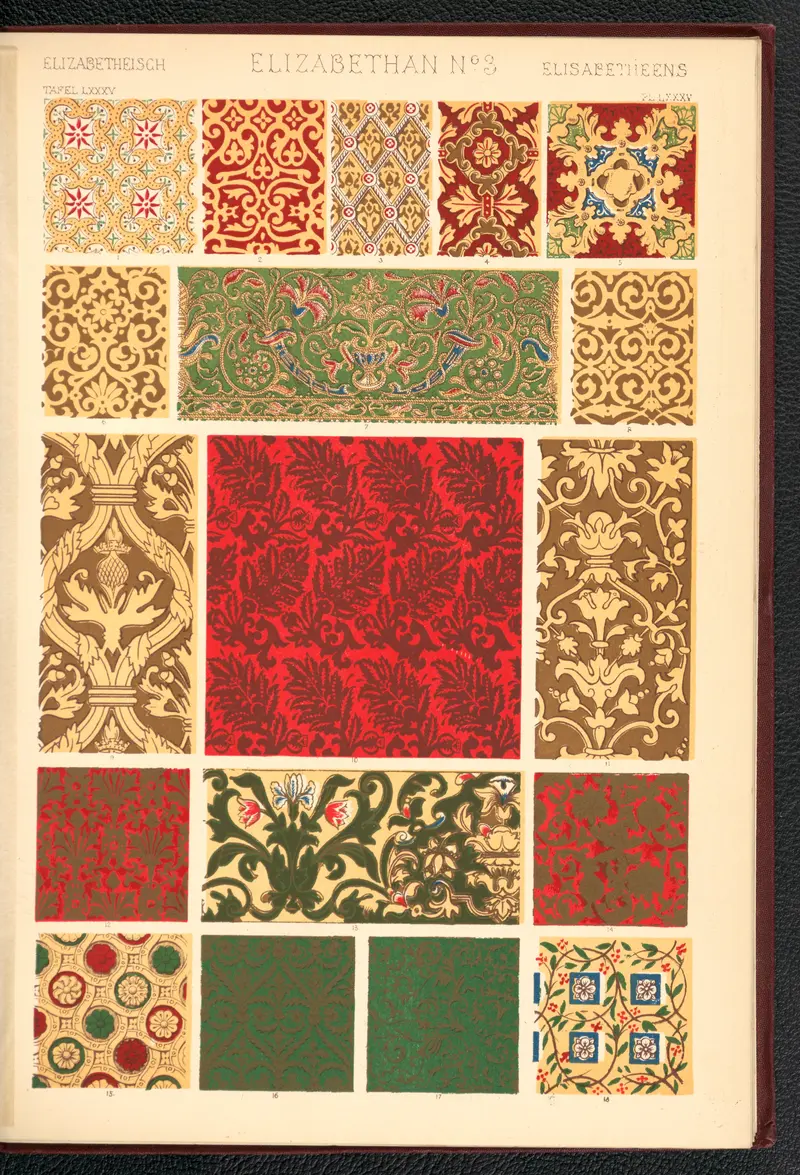
Elizabethan Ornament No. 3
Owen Jones
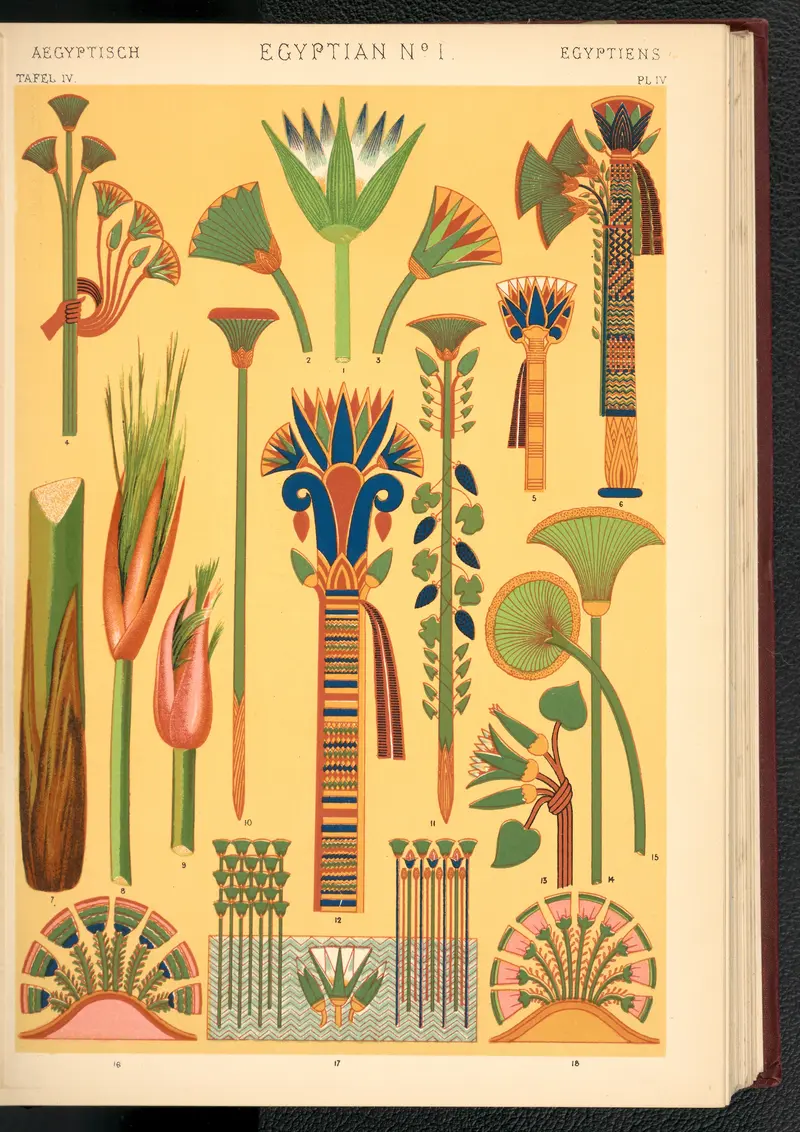
Egyptian Ornament No. 1
Owen Jones
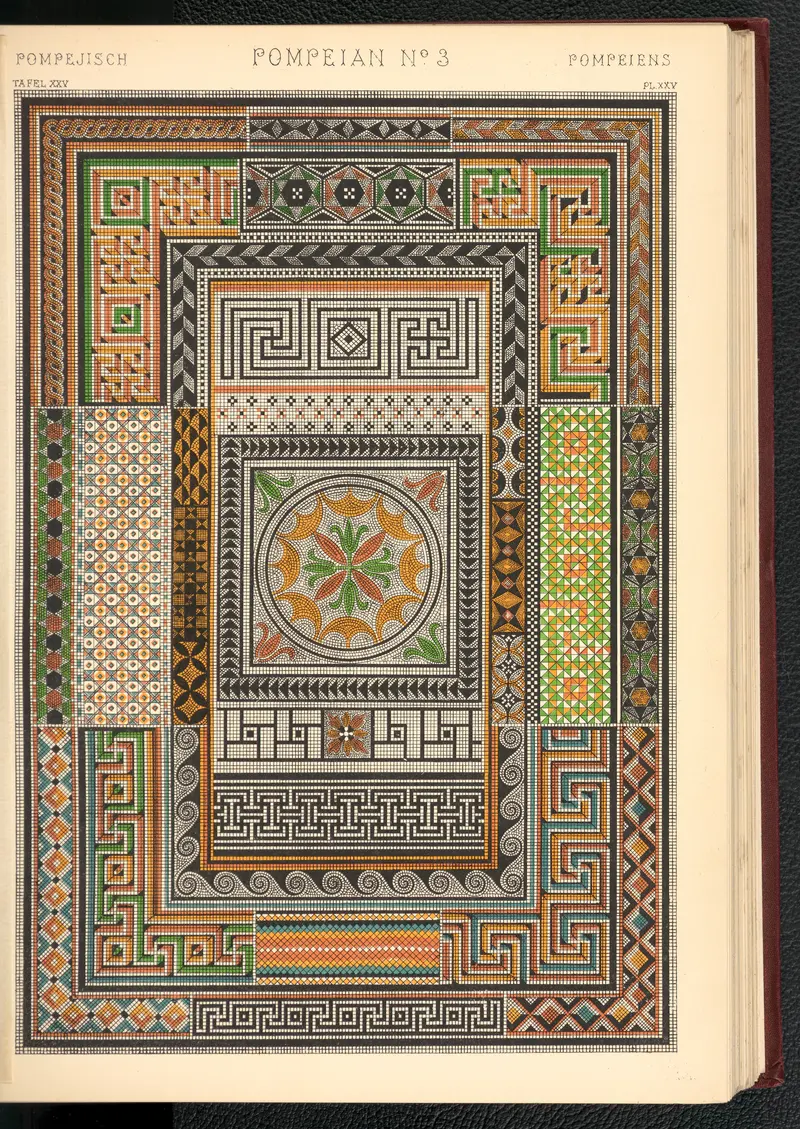
Pompeian Ornament No. 3
Owen Jones