
Les Trois Grâces, par Jean-Honoré Fragonard — History & Facts
When Les Trois Grâces, par Jean-Honoré Fragonard first appeared in 1769, it marked a rare foray by Fragonard into the world of classical mythology—territory more commonly associated with his teacher, François Boucher. Unlike Boucher’s more public commissions, this painting’s early history remains shrouded in mystery: no records survive of a royal or aristocratic patron, and it is not clear if Fragonard painted it for a private collector or for his own pleasure. What is certain is that the subject—the Three Graces—was a favorite of the Rococo period, and Fragonard’s interpretation stands apart for its playful energy and sensuality.
The painting has occasionally been confused with other versions of the theme, but its lively brushwork and composition are unmistakably his. At the heart of the scene are the Three Graces from Greek mythology—Aglaea, Euphrosyne, and Thalia—caught in a moment of intimate dance. Fragonard captures them in a swirl of intertwined arms and flowing drapery, their bodies arranged in a loose circle, each figure turning toward the others in a gesture of unity and delight. The soft, golden light caresses their skin, while the surrounding foliage and delicate flowers evoke a secluded garden, far from the world’s cares.
Unlike Raphael’s serene and statuesque Three Graces, Fragonard’s women are animated and spontaneous, their laughter almost audible. The painter’s characteristic loose, energetic brushwork gives the scene a sense of immediacy and warmth, emphasizing the fleeting joy of the moment. The later history of Les Trois Grâces, par Jean-Honoré Fragonard is less well documented than many of his more famous works. It is believed to have remained in private hands for much of its existence, surfacing only occasionally in auction records and exhibition catalogues.
The painting’s attribution to Fragonard was once debated, as several contemporaries and followers produced similar compositions, but stylistic analysis and provenance research have since confirmed his authorship. Today, the work is recognized as a key example of Fragonard’s mature Rococo style, reflecting both his technical brilliance and his playful approach to mythological subjects. Its current location is not widely published, but it continues to be cited in scholarly discussions of 18th-century French painting.
More Artworks by Jean-Honoré Fragonard

The Swing
Jean-Honoré Fragonard

The Swing
Jean-Honoré Fragonard

A Young Girl Reading
Jean-Honoré Fragonard

The Lock
Jean-Honoré Fragonard

The Triumph of Venus
Jean-Honoré Fragonard

A Game of Hot Cockles
Jean-Honoré Fragonard
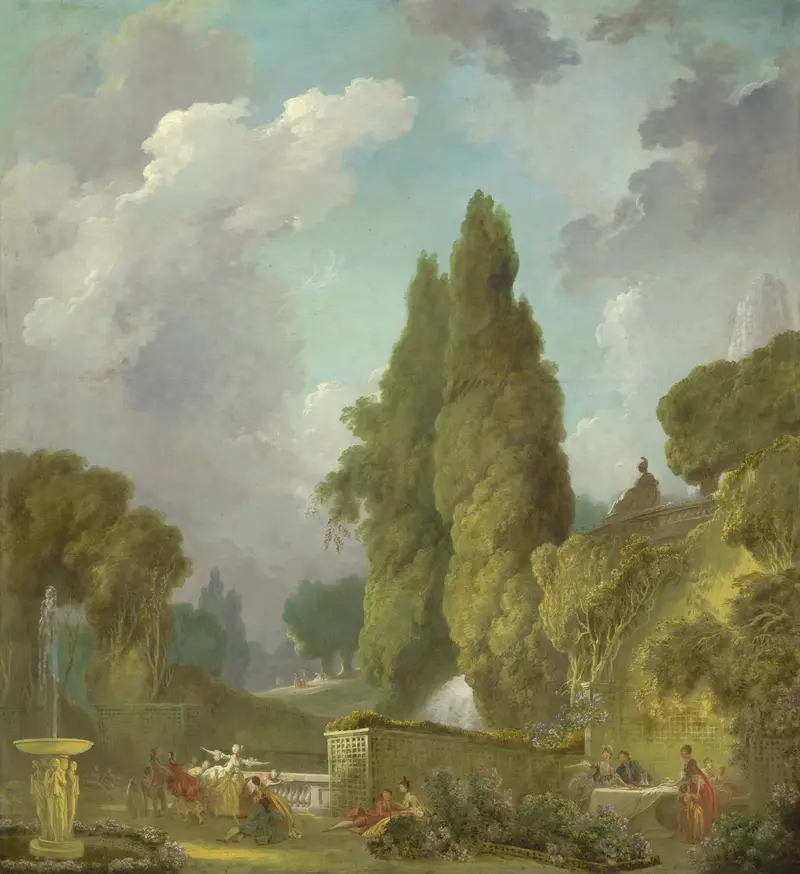
Blindman’s Buff
Jean-Honoré Fragonard
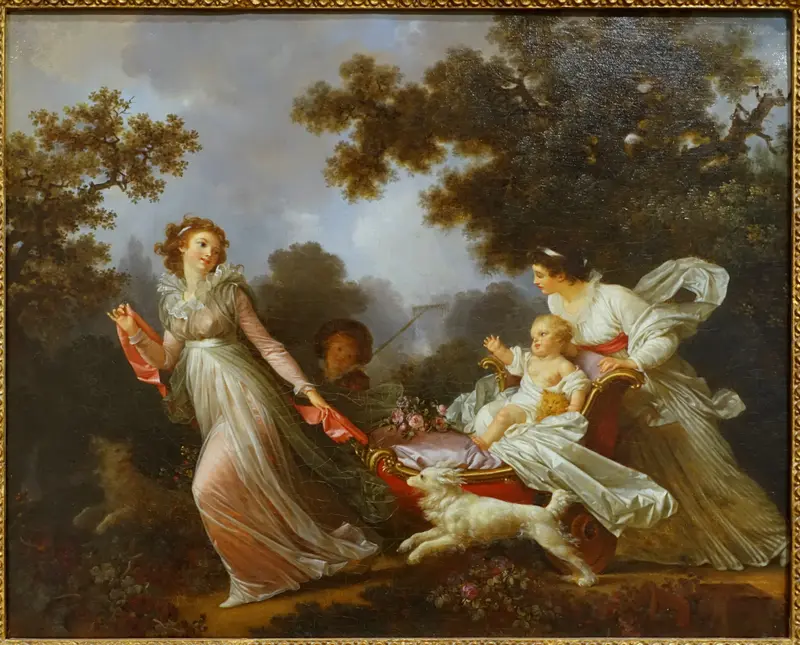
The Beloved Child
Jean-Honoré Fragonard
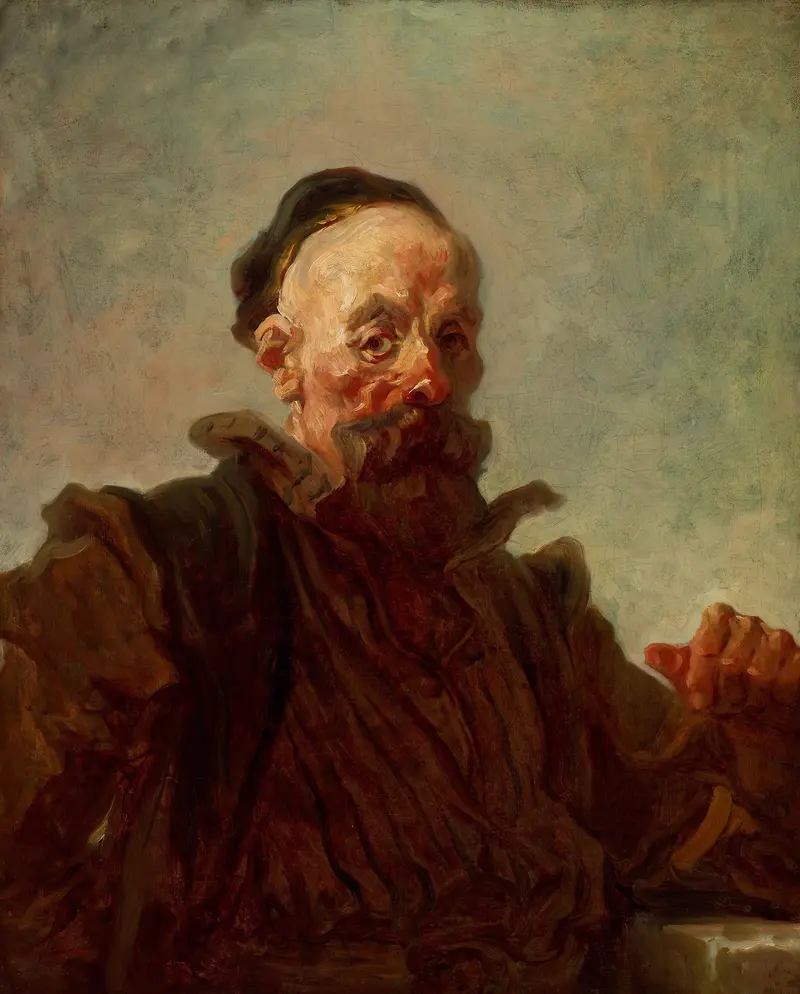
Portrait of a Man in Costume
Jean-Honoré Fragonard
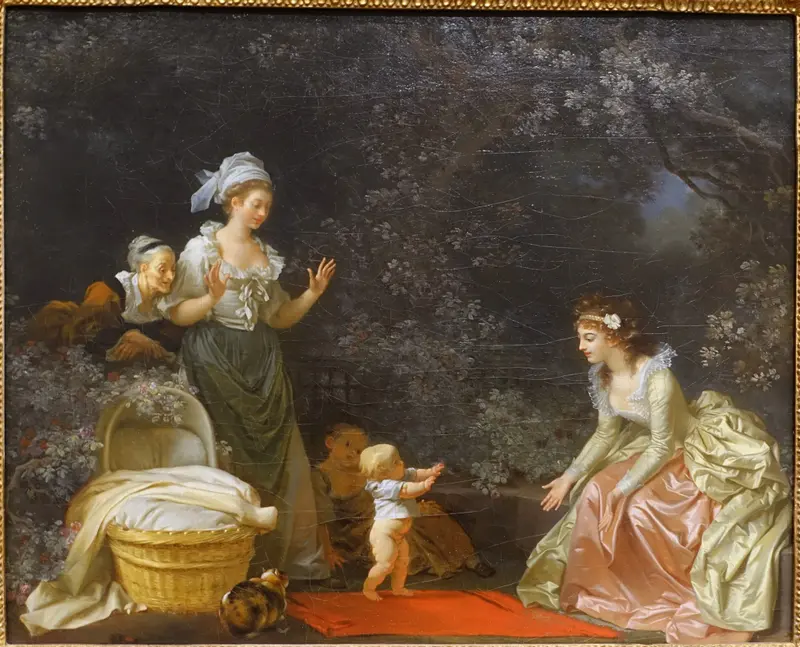
The First Steps
Jean-Honoré Fragonard





