
Madam de Stael — History & Facts
Few portraits have so quickly become icons of their subject’s intellect as Madam de Stael by François Gérard. When the painting was first exhibited in Paris, it caused a stir not for its beauty, but for its bold portrayal of Germaine de Staël as a woman of letters, rather than a socialite or aristocrat. At a time when female authors were often dismissed, Gérard’s image helped cement de Staël’s reputation as a formidable thinker and political force in Napoleonic France.
The portrait’s fame grew alongside de Staël’s own, circulating in engravings and copies throughout Europe. The painting captures de Staël in a moment of poised reflection, her gaze both direct and contemplative. Draped in a white gown with a rich red shawl, she is shown seated, a book resting lightly in her hands—a clear allusion to her literary achievements. The background is subdued, drawing attention to her expressive face and the subtle intelligence in her eyes.
Gérard’s use of light highlights the gentle curls of her hair and the delicate features of her face, setting her apart from the more ornamental portraits of women by his contemporaries, such as Élisabeth Vigée Le Brun. The result is an image that asserts de Staël’s intellect as her defining feature. Although the exact circumstances of the commission remain unclear, it is known that François Gérard was a favored portraitist among Parisian society and the intellectual elite. The painting’s whereabouts shifted over the years, with versions and copies appearing in both private and public collections.
Today, the best-known version is held in the Musée Carnavalet in Paris, where it stands as both a testament to Gérard’s skill and to de Staël’s enduring influence. The portrait remains a touchstone for discussions of women’s roles in art and society during the early nineteenth century.
More Artworks by François Gérard

Portrait of Emperor Napoleon I
François Gérard
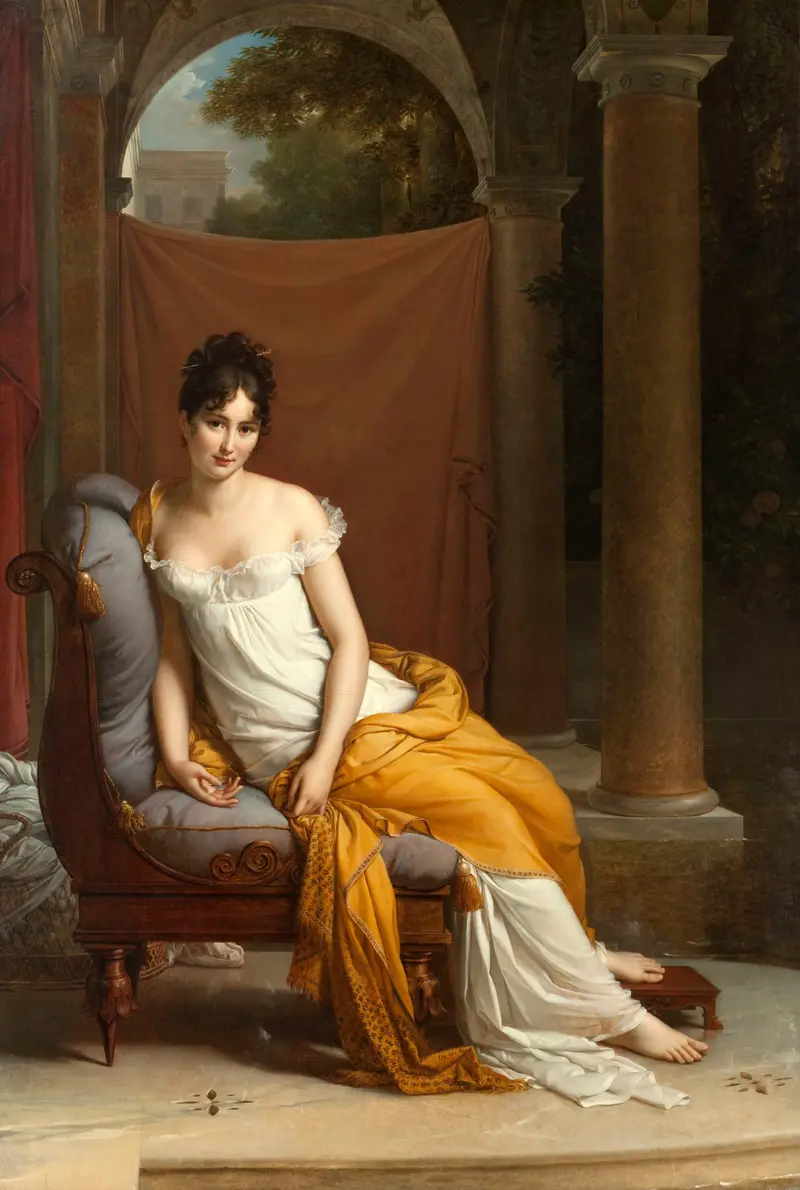
Portrait of Juliette Récamier, née Bernard
François Gérard
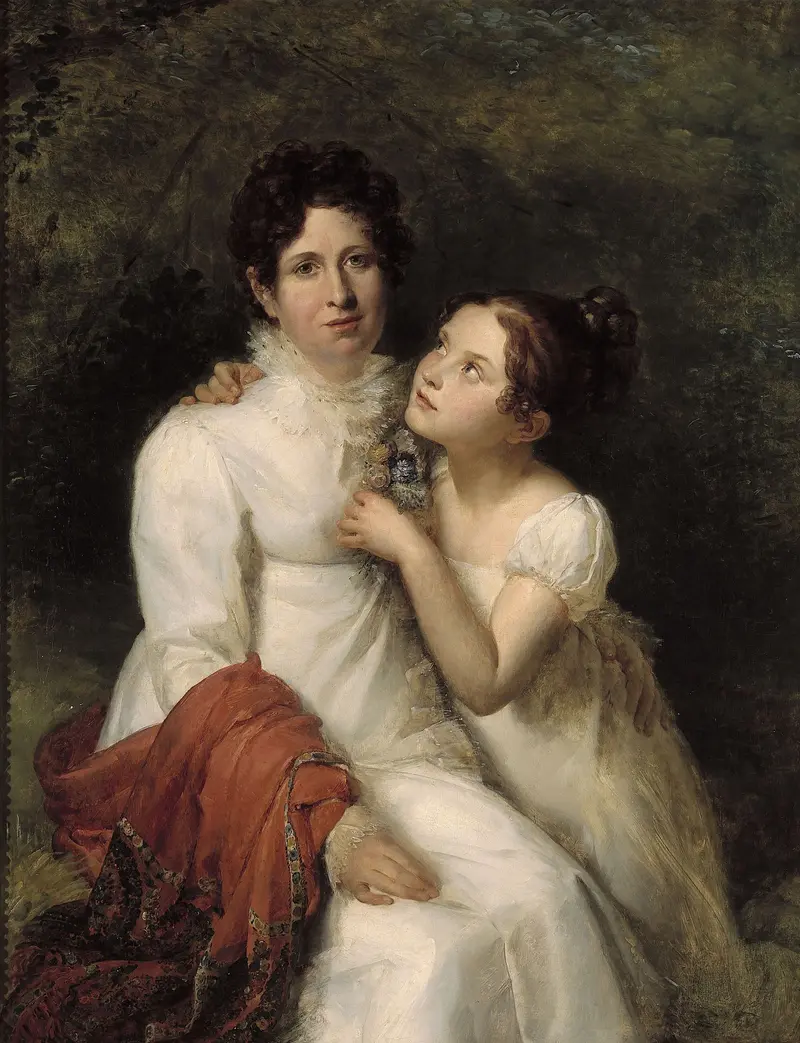
Portrait de Madame Bauquin Du Boulay et de sa nièce Mademoiselle Bauquin de La Souche
François Gérard
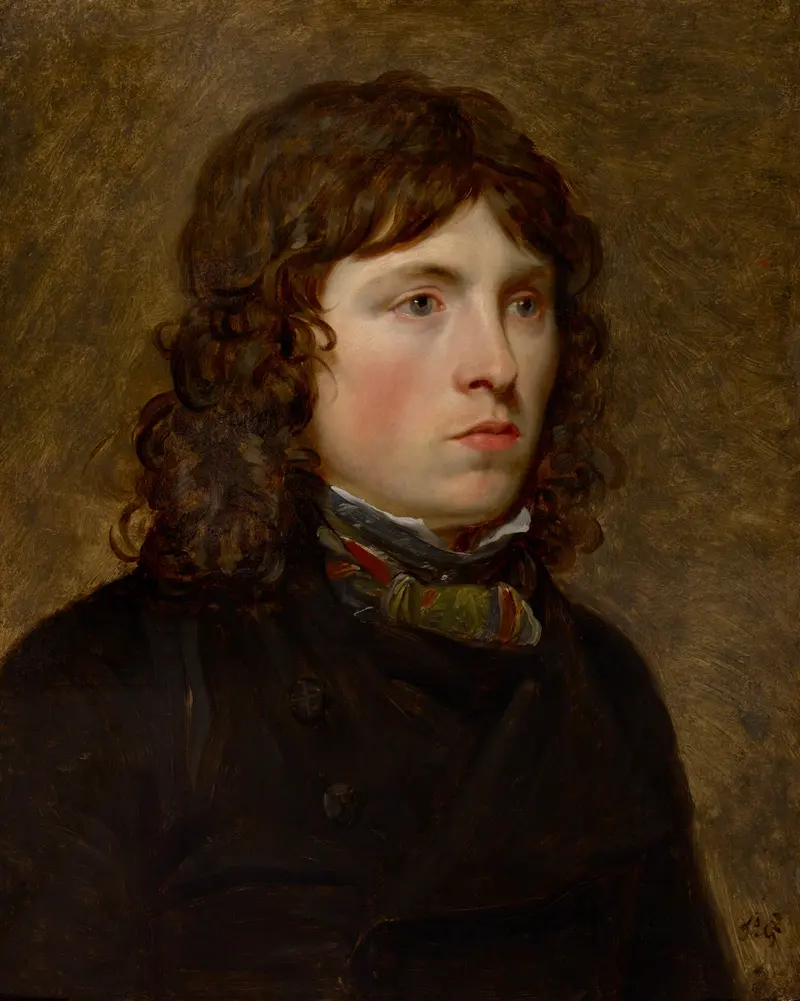
Portrait of G. F. Reverdin
François Gérard
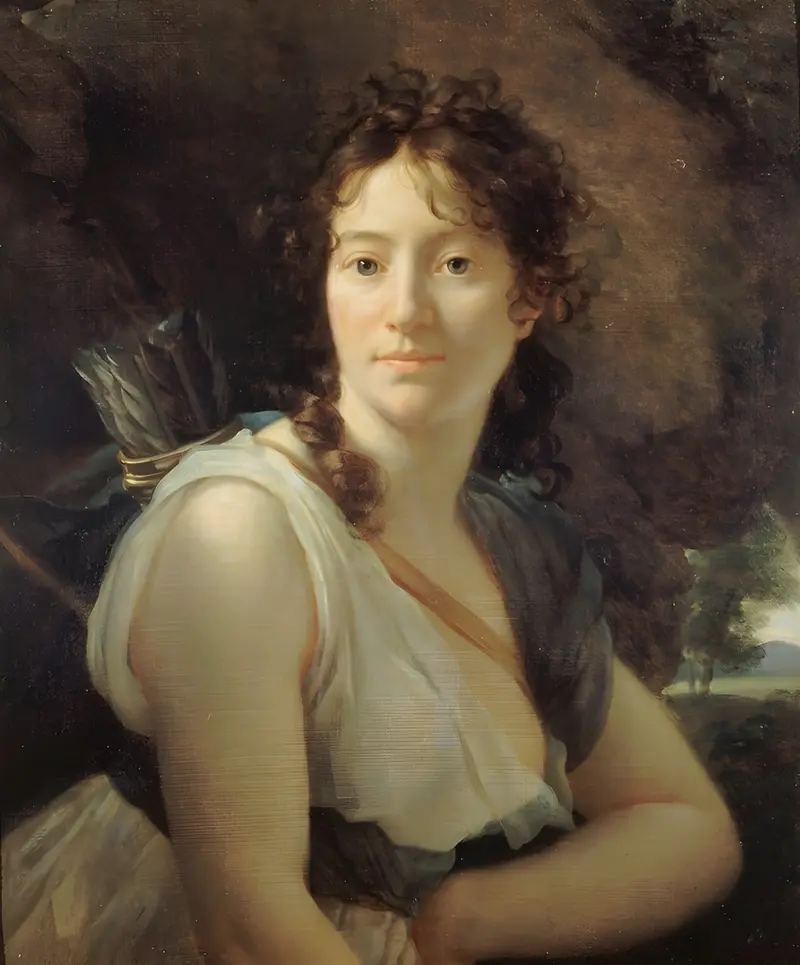
Portrait Of Mademoiselle Duchesnois (1777-1835), Member Of The Comédie-Française, In The Role Of Dido.
François Gérard
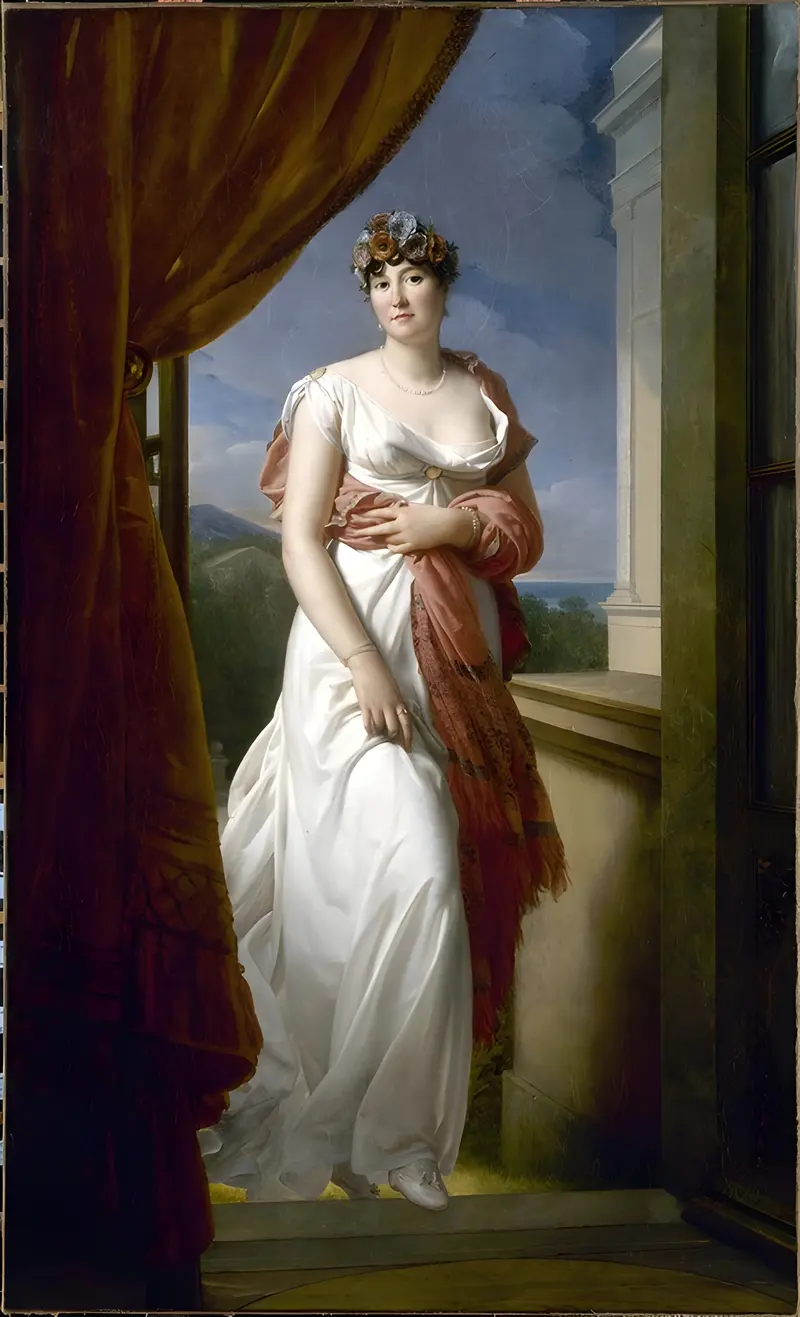
Portrait Of Theresia Cabarrus (1773-1835), Wife Tallien, Then Princess Of Caraman-Chimay
François Gérard
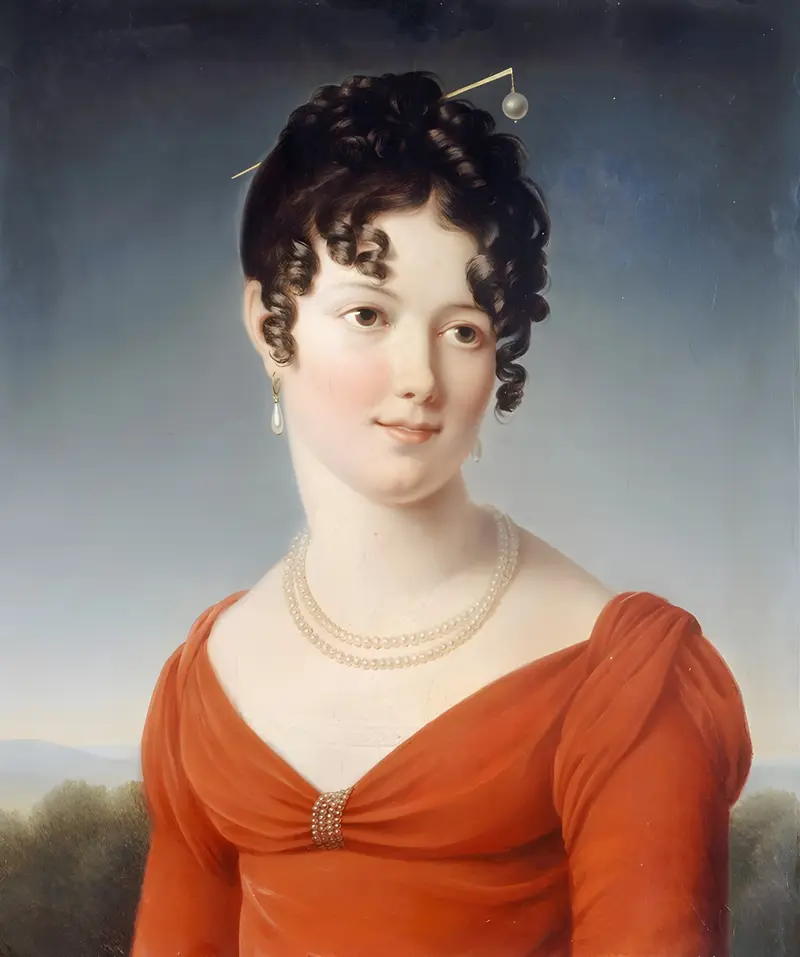
Bust Portrait Of Alexandrine-Anne De La Pallu, Marquise De Flers (1786-1832)
François Gérard
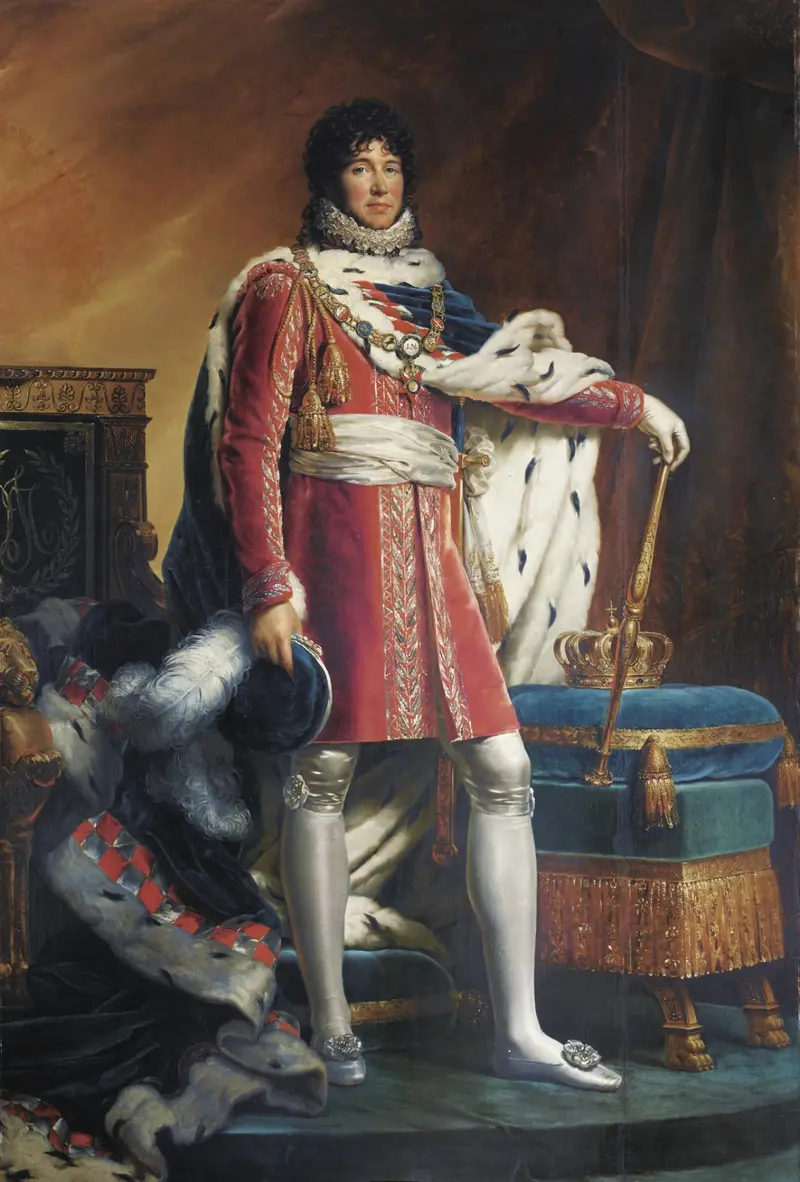
Portrait of Joachim Napoléon Murat, King of Naples and of the two Sicilies
François Gérard
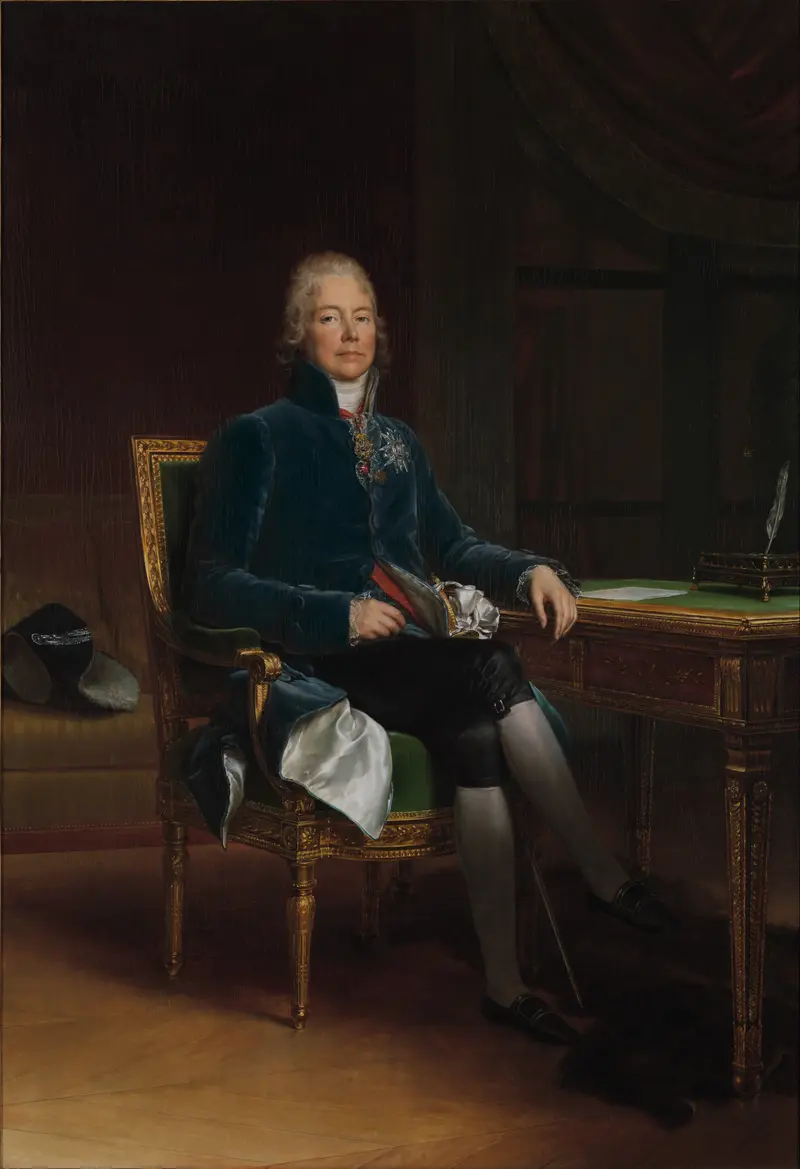
Charles Maurice de Talleyrand Périgord (1754–1838), Prince de Bénévent
François Gérard
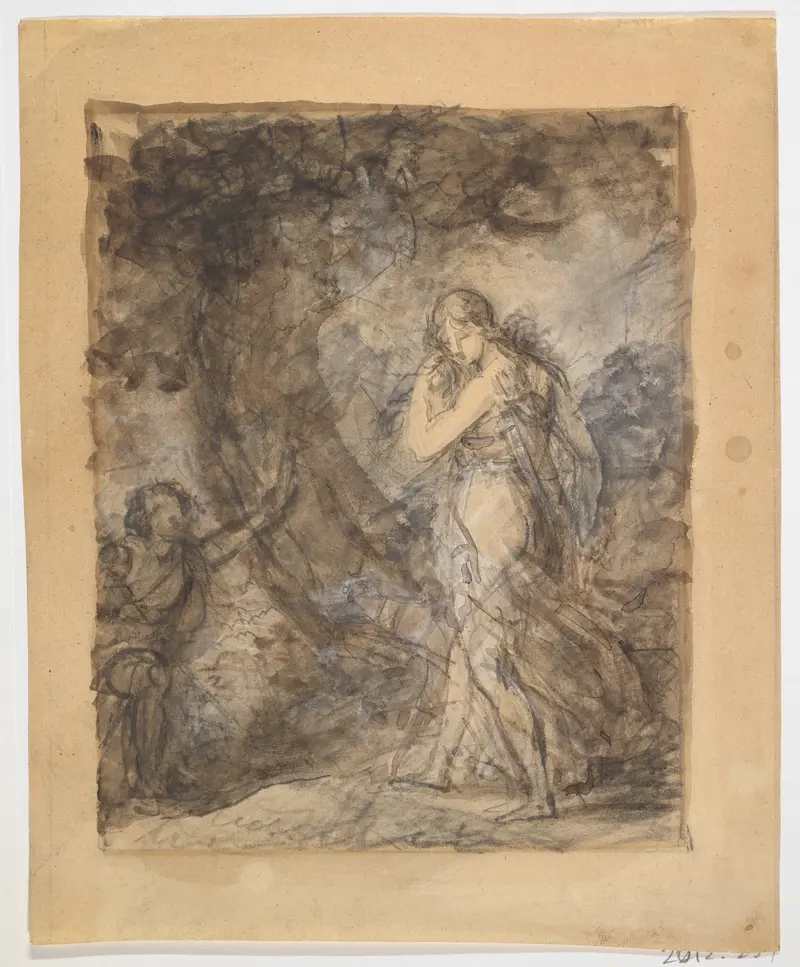
Daphnis Running toward Chloe
François Gérard





