
Marcus Tullius Cicero (106 BC–43 BC) — History & Facts
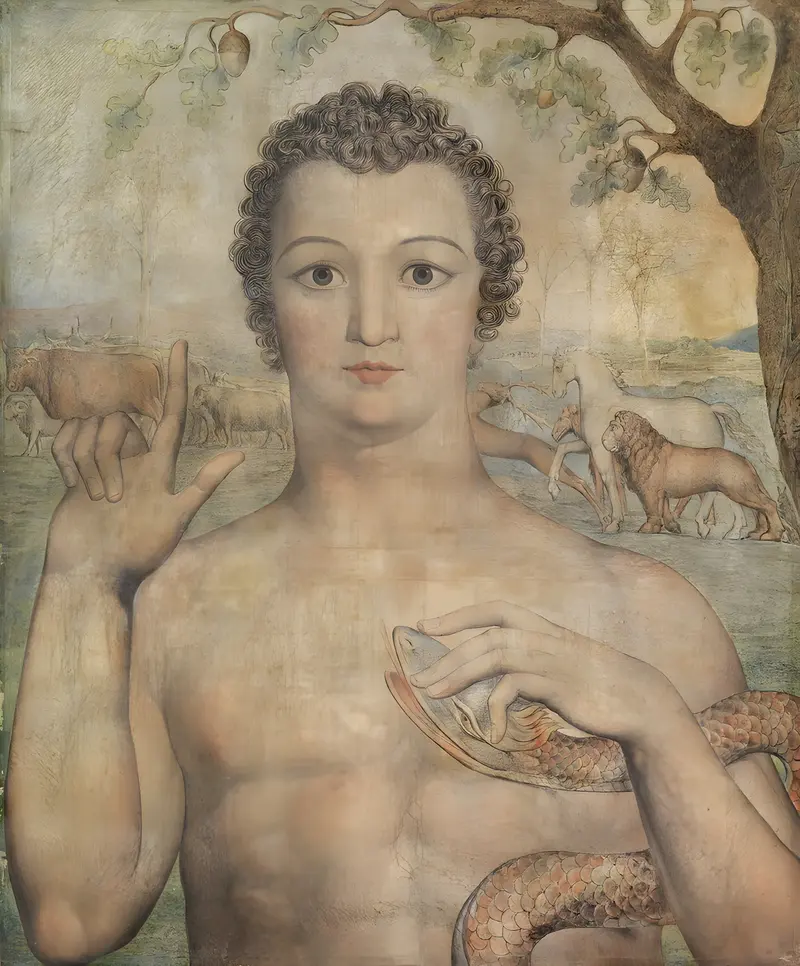
When William Blake painted Marcus Tullius Cicero (106 BC–43 BC) in 1800, he chose a subject rarely tackled by his contemporaries: the Roman statesman whose words had shaped the very idea of republican virtue. The work’s most intriguing aspect lies in its timing—created at the dawn of the nineteenth century, when England itself was wrestling with revolution and reform, Blake’s vision of Cicero becomes a subtle commentary on the power and peril of rhetoric. Scholars have long debated whether Blake intended this image as a warning or a celebration, but its appearance in his oeuvre marks a rare moment when the poet-artist turned his gaze from myth and vision to the hard facts of history. Blake captures Cicero at the moment of crisis, perhaps as he delivers one of his famous orations against Catiline, the conspirator threatening the Roman Republic.
The figure’s uplifted hand and furrowed brow suggest both command and anxiety; Cicero’s toga, rendered with Blake’s distinctive linearity, seems to ripple with the force of his words. Light falls sharply across his face, illuminating the orator’s resolve and the shadow of looming danger. Unlike Jean-Léon Gérôme’s later, more theatrical depictions of Roman statesmen, Blake’s Cicero is introspective, caught between public duty and private fear—a man whose eloquence is both weapon and shield. The physical history of Marcus Tullius Cicero (106 BC–43 BC) remains somewhat mysterious, as the medium is not definitively recorded and its early provenance is unclear.
It likely belonged to a series of historical portraits Blake produced around 1800, possibly for private patrons interested in moral exemplars from antiquity. Today, the work is recognized as a rare intersection of Blake’s visionary style with the neoclassical interest in ancient Rome. Though it does not appear in the major public collections, its reputation endures among scholars as a testament to Blake’s engagement with history and his belief in the enduring power of the spoken word.
More Artworks by William Blake
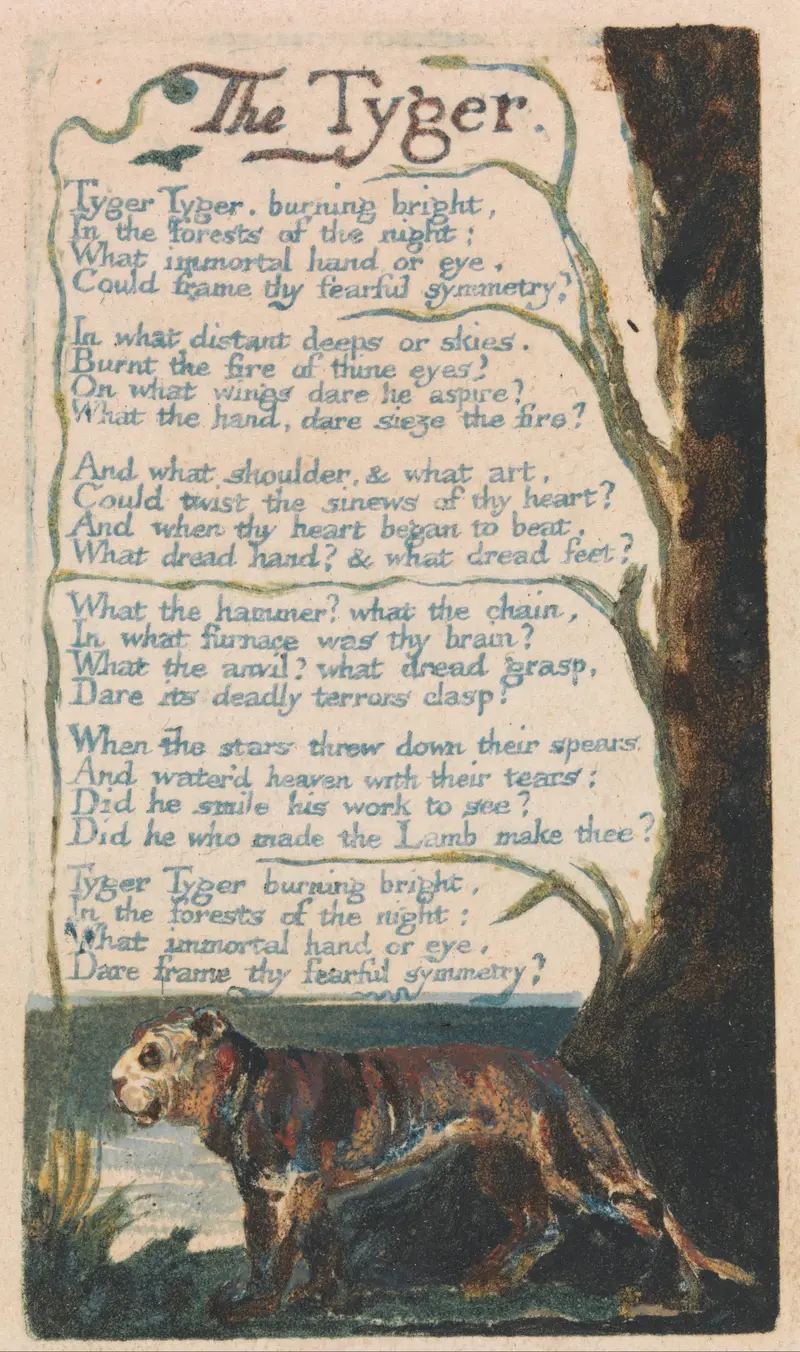
The Tyger
William Blake

Christ Blessing
William Blake
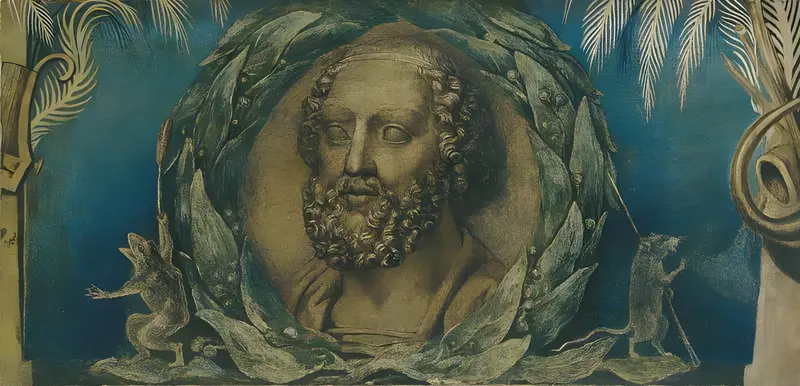
Homer
William Blake
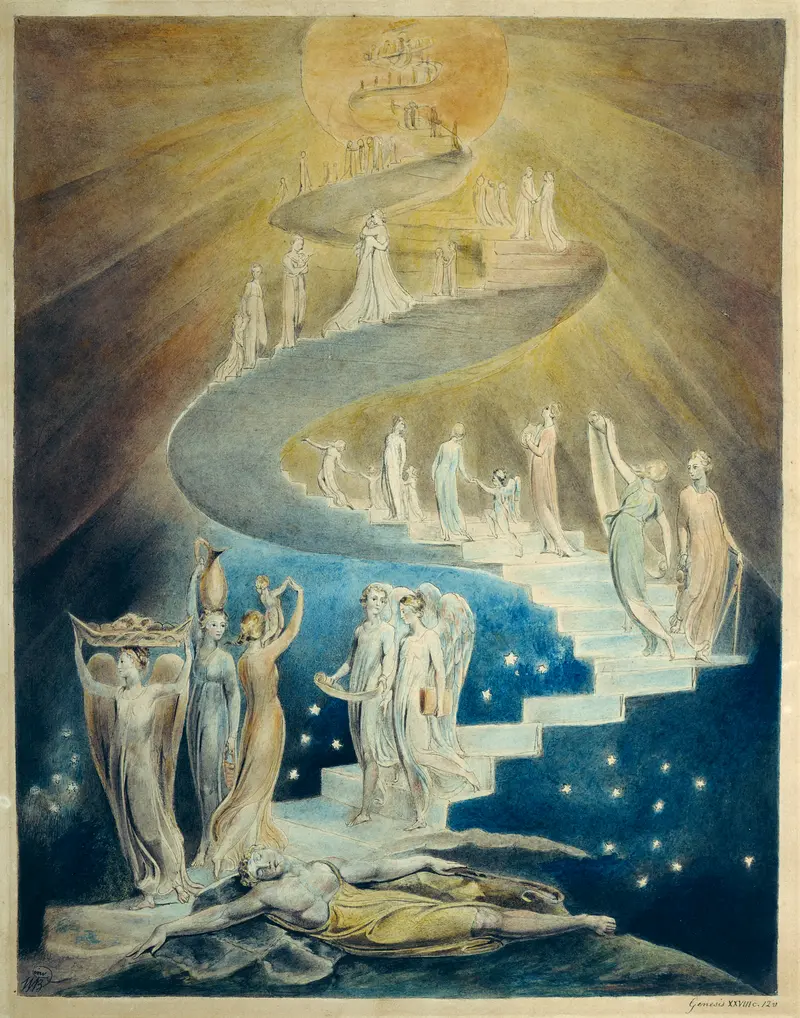
Jacob's Ladder
William Blake
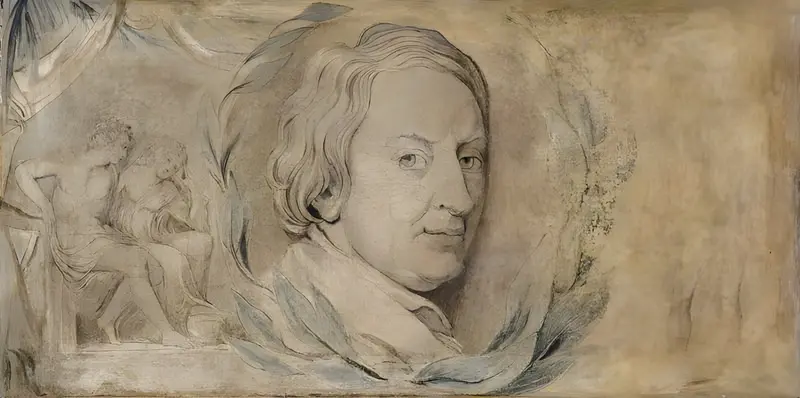
John Dryden (1631–1700)
William Blake
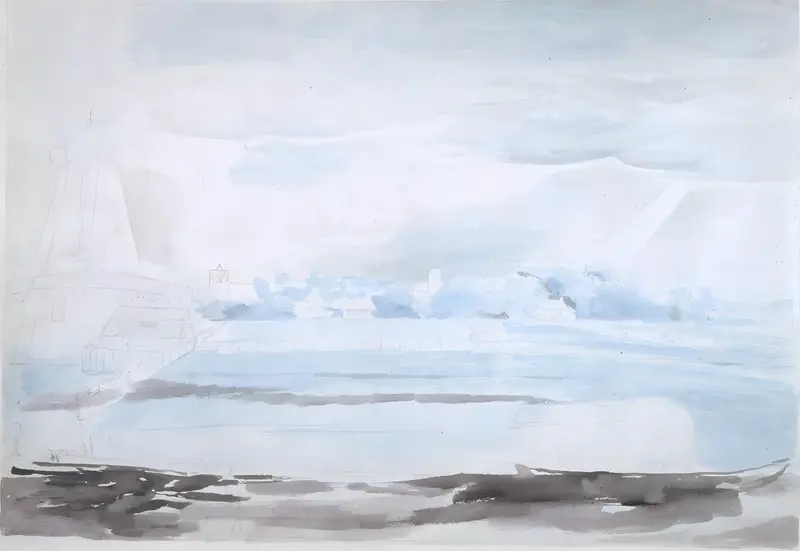
Landscape near Felpham
William Blake
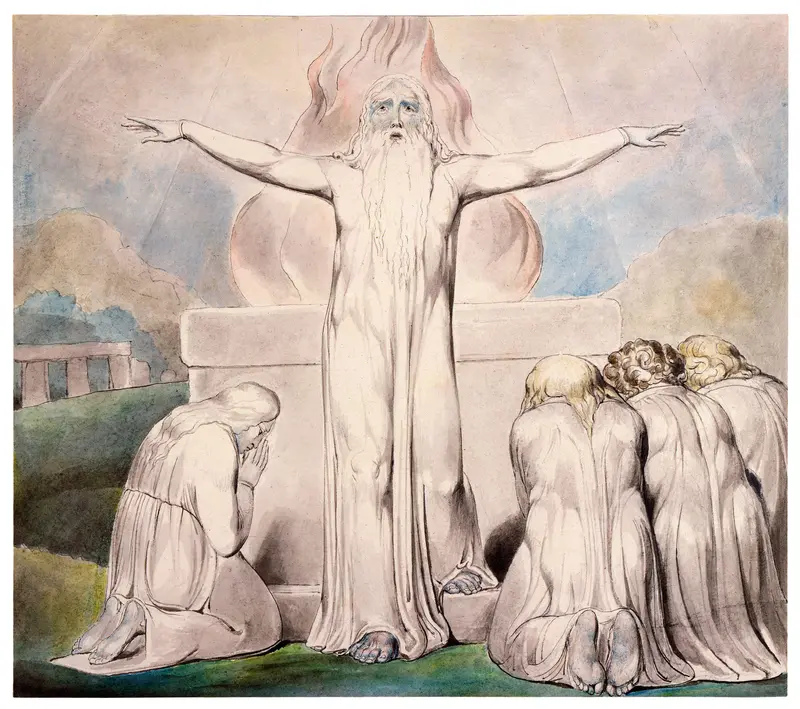
Sacrifice of Job
William Blake
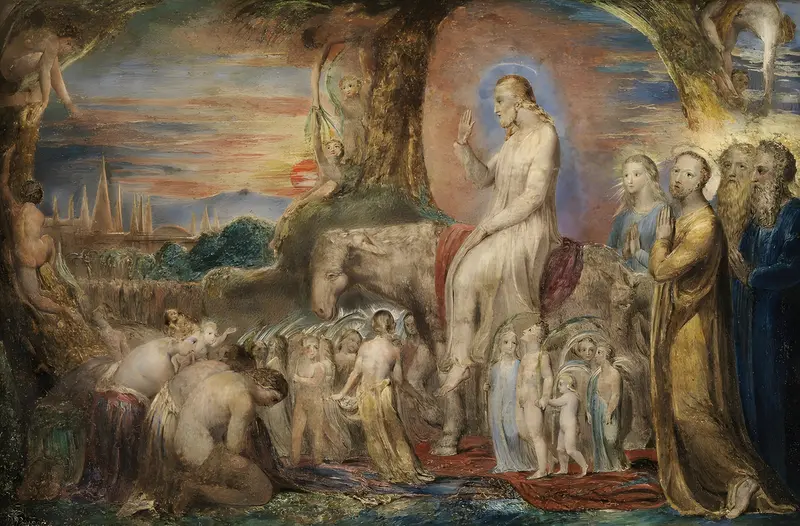
Christ's Entry into Jerusalem
William Blake
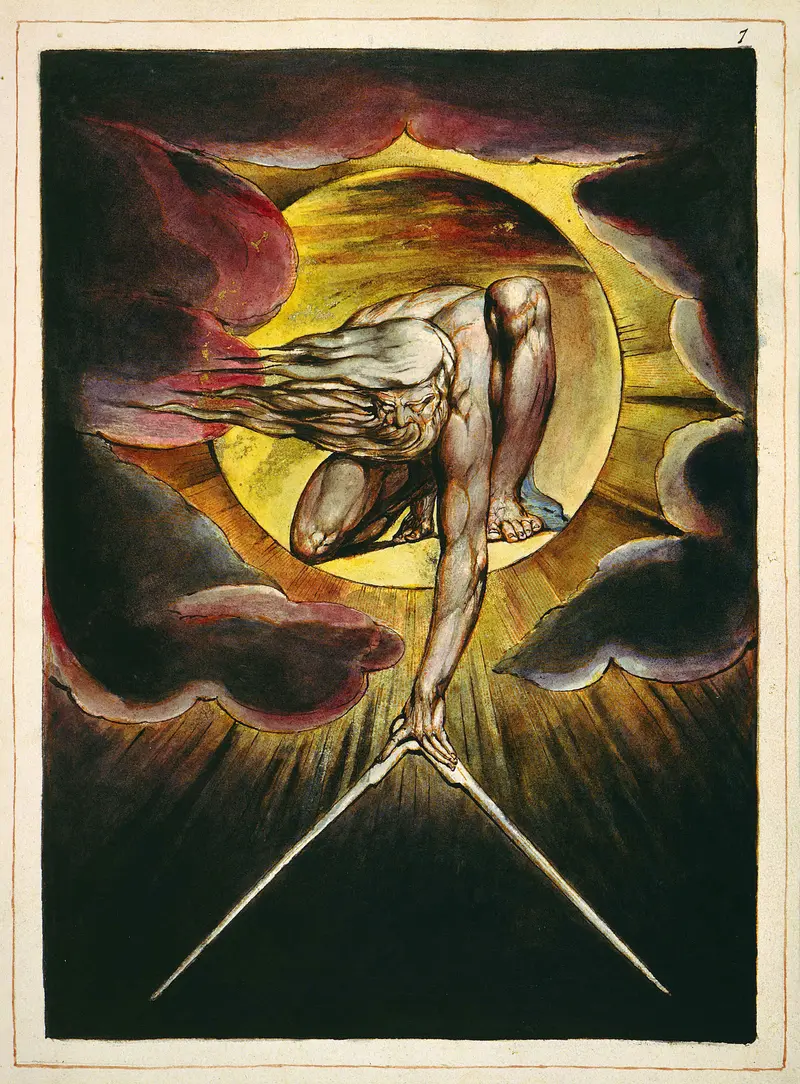
The Ancient of Days
William Blake
Adam Naming the Beasts
William Blake





