
Martyrdom of Saint Sebastian — History & Facts
What draws the eye first is not the suffering, but the strange tranquility that settles over the wounded figure. Saint Sebastian’s body, lashed to the tree and pierced by arrows, is illuminated with a clarity that makes his stillness all the more haunting. The painter, Abraham Jansz.
van Diepenbeeck, chooses the moment when the violence has just passed: Sebastian’s head tilts back, eyes half-open, mouth parted as if caught between pain and revelation. Above him, a cherub sweeps in with a palm frond, the traditional sign of martyrdom, its urgent flight contrasting with the saint’s resignation. The ruins in the distance, softened by golden light, echo the sense of a world both broken and enduring. Works like this, painted in 1636, belong to a time when images of martyrdom were charged with meaning for both private devotion and public display.
In the Catholic world of the seventeenth century, scenes of saints’ suffering were reminders of faith under trial, commissioned by churches or wealthy patrons seeking models of endurance. The theatrical lighting and muscular anatomy show the influence of the Baroque, a style that reveled in drama and emotion. Yet, unlike the almost feverish agony seen in some Italian versions, van Diepenbeeck’s Sebastian is caught in a moment of calm after violence, his fate sealed but his spirit unbroken.
History has kept few traces of this particular painting’s journey, but its quiet intensity asks us to linger on the face of a man who, even in defeat, seems to await something beyond the frame.
More Artworks by Abraham Jansz. van Diepenbeeck
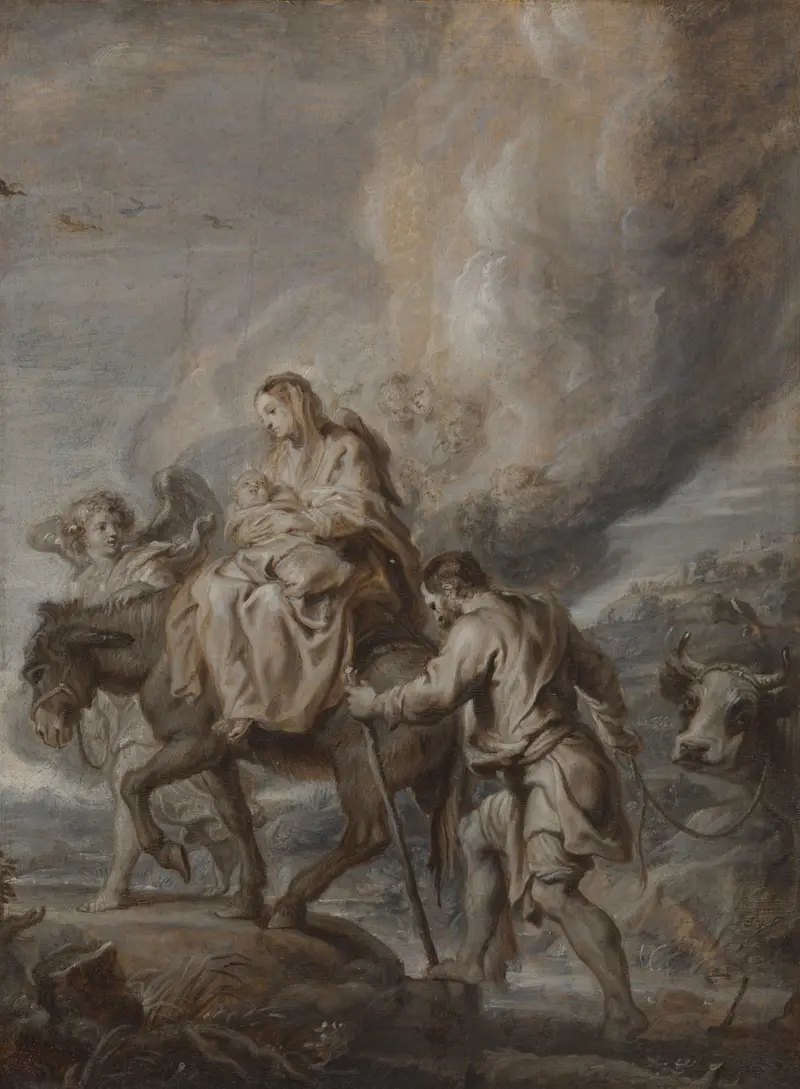
The Flight into Egypt
Abraham Jansz. van Diepenbeeck
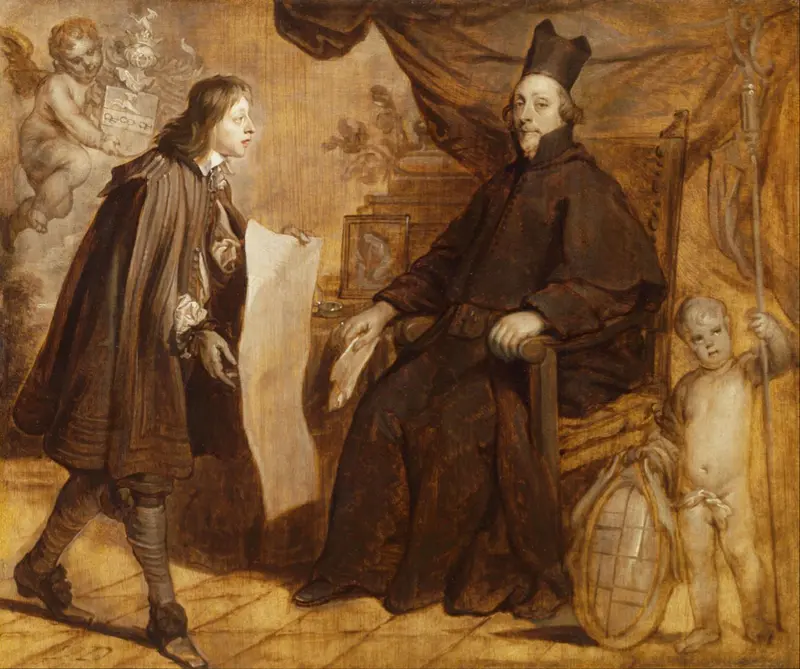
Portrait of a Prelate and a Young Man
Abraham Jansz. van Diepenbeeck
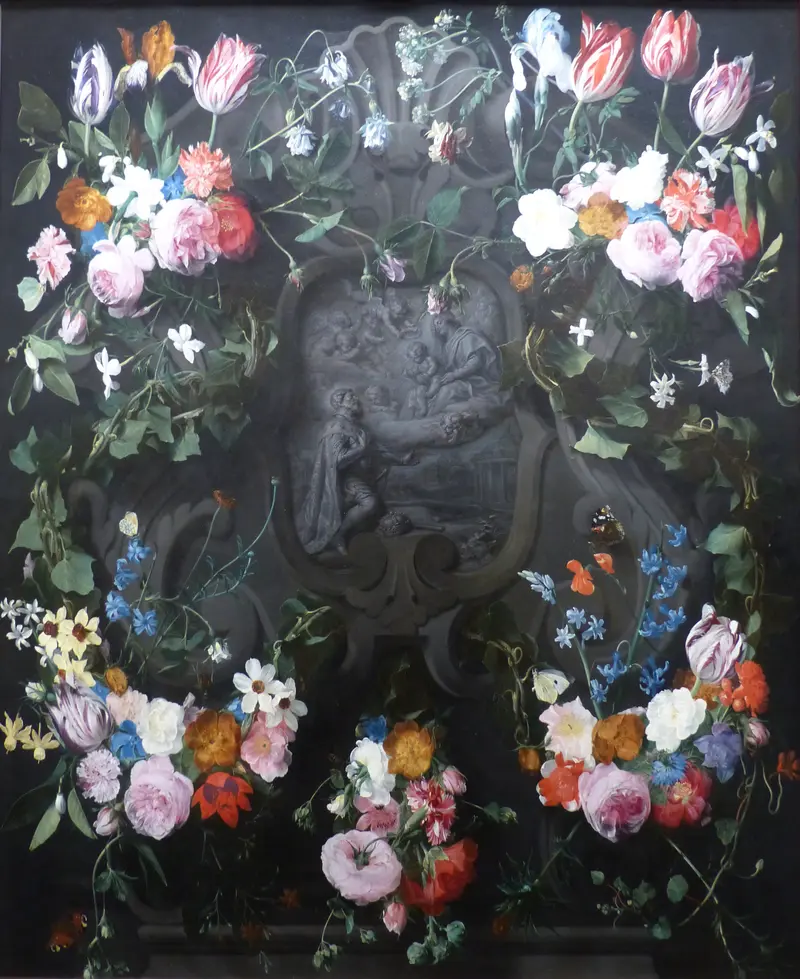
Guirlande de fleurs avec l'apparition de la Vierge-à-l'Enfant à St Léopold
Abraham Jansz. van Diepenbeeck
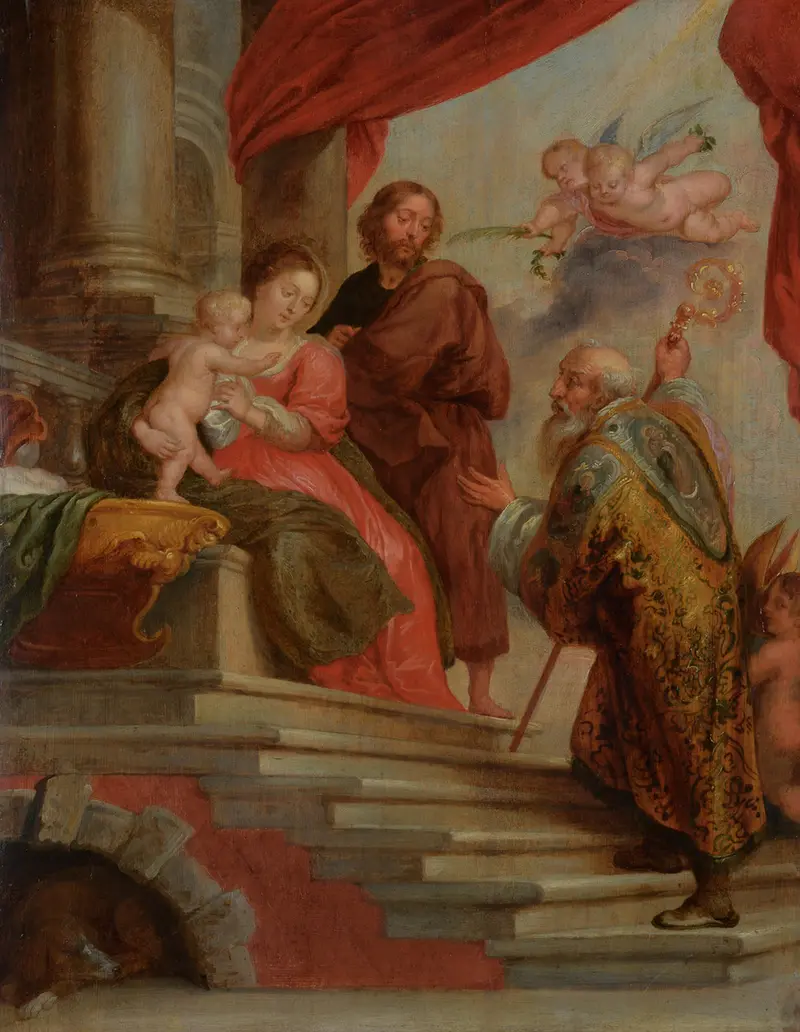
Holy family and Saint Willibrord
Abraham Jansz. van Diepenbeeck
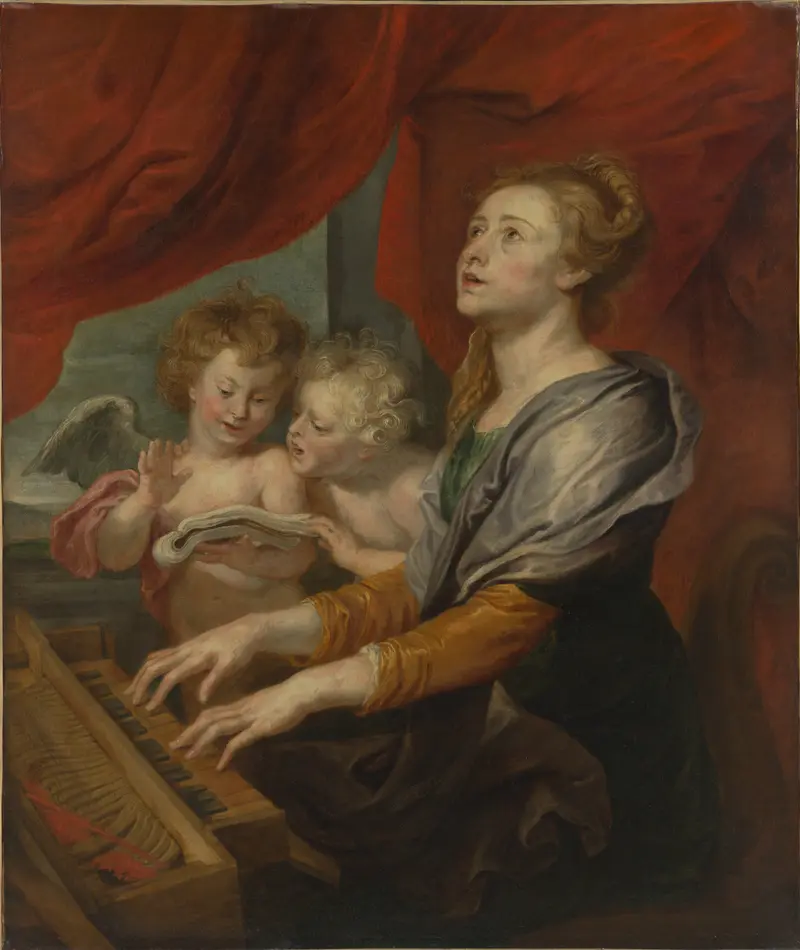
Saint Cecilia
Abraham Jansz. van Diepenbeeck
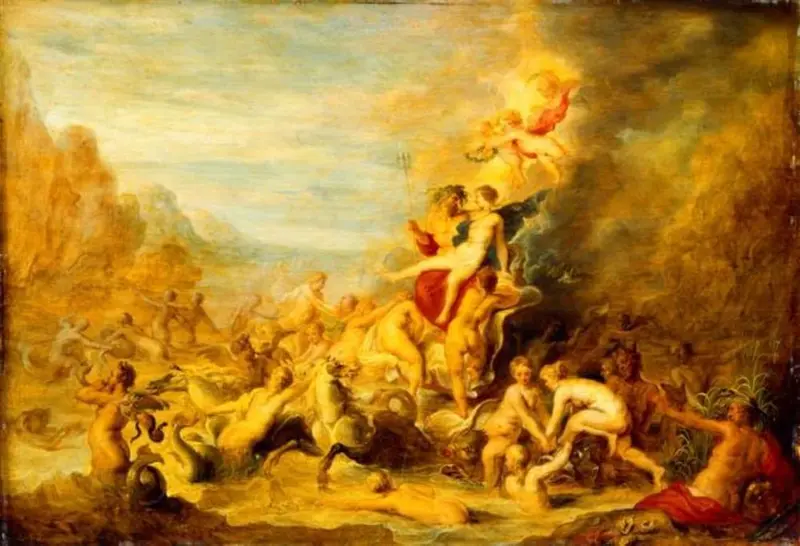
Triumph of Neptune and Amphitrite
Abraham Jansz. van Diepenbeeck
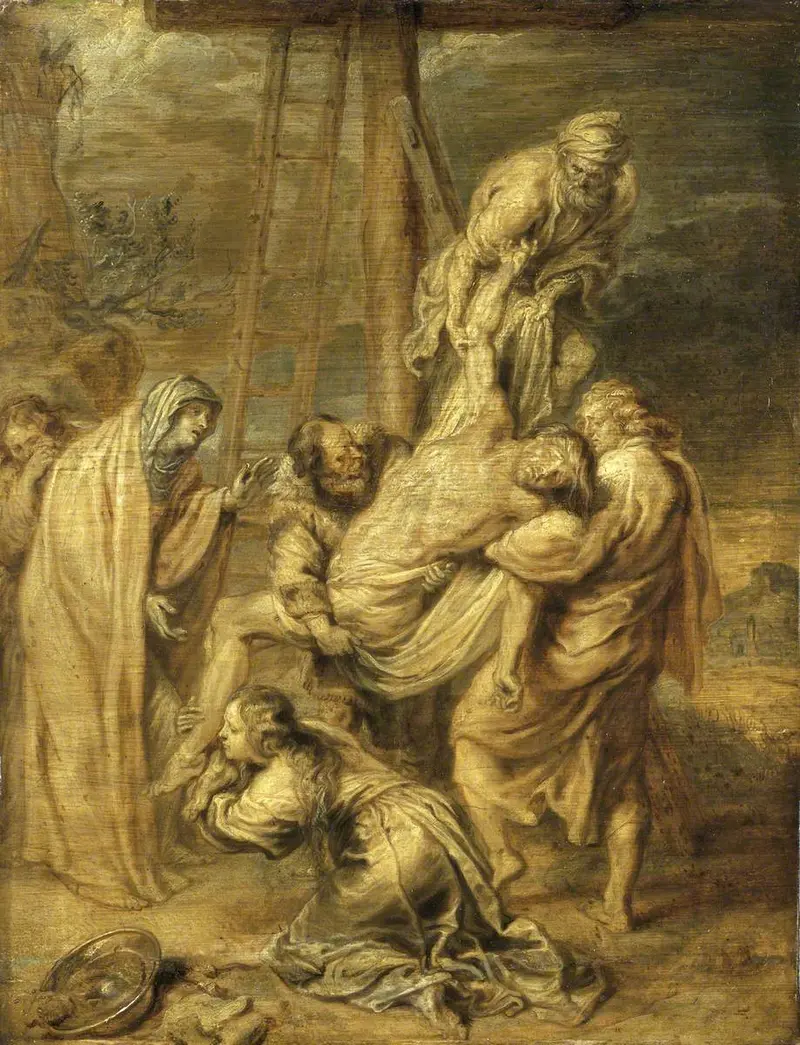
The Deposition
Abraham Jansz. van Diepenbeeck
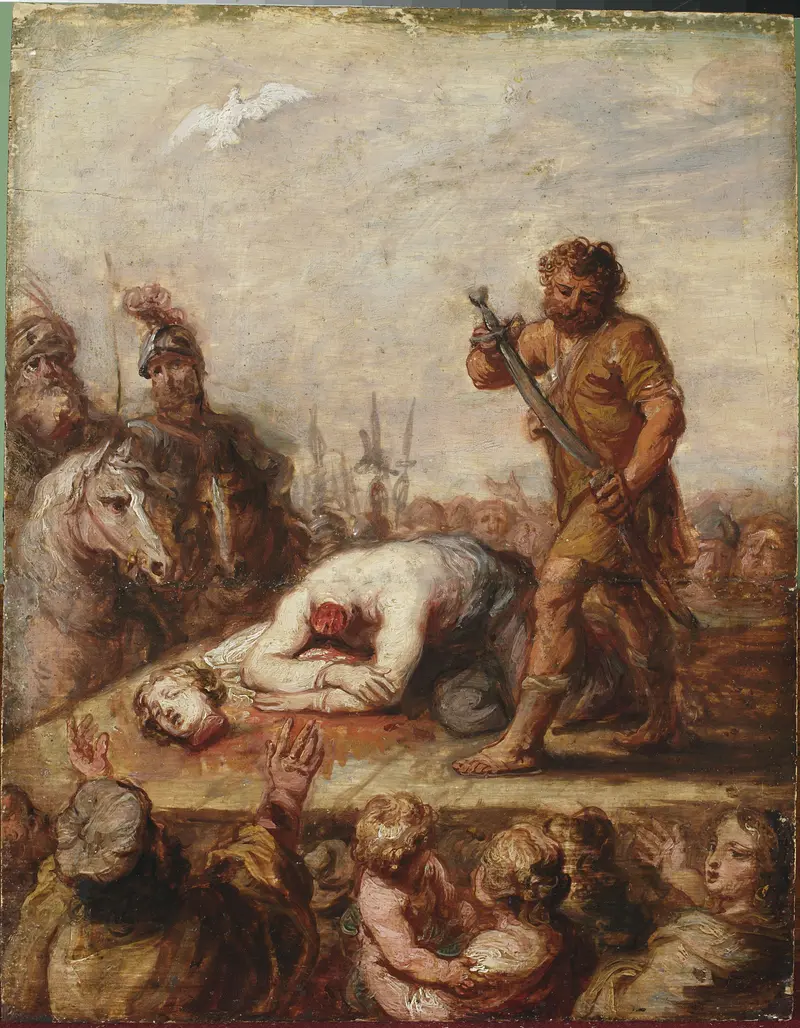
Sketch for a Decapitation of a Saint Woman (St. Catherine?)
Abraham Jansz. van Diepenbeeck
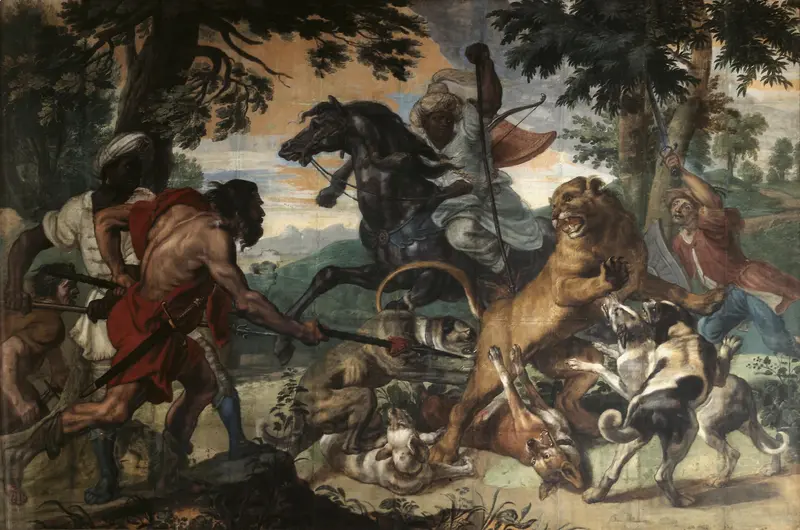
Lion Hunting
Abraham Jansz. van Diepenbeeck
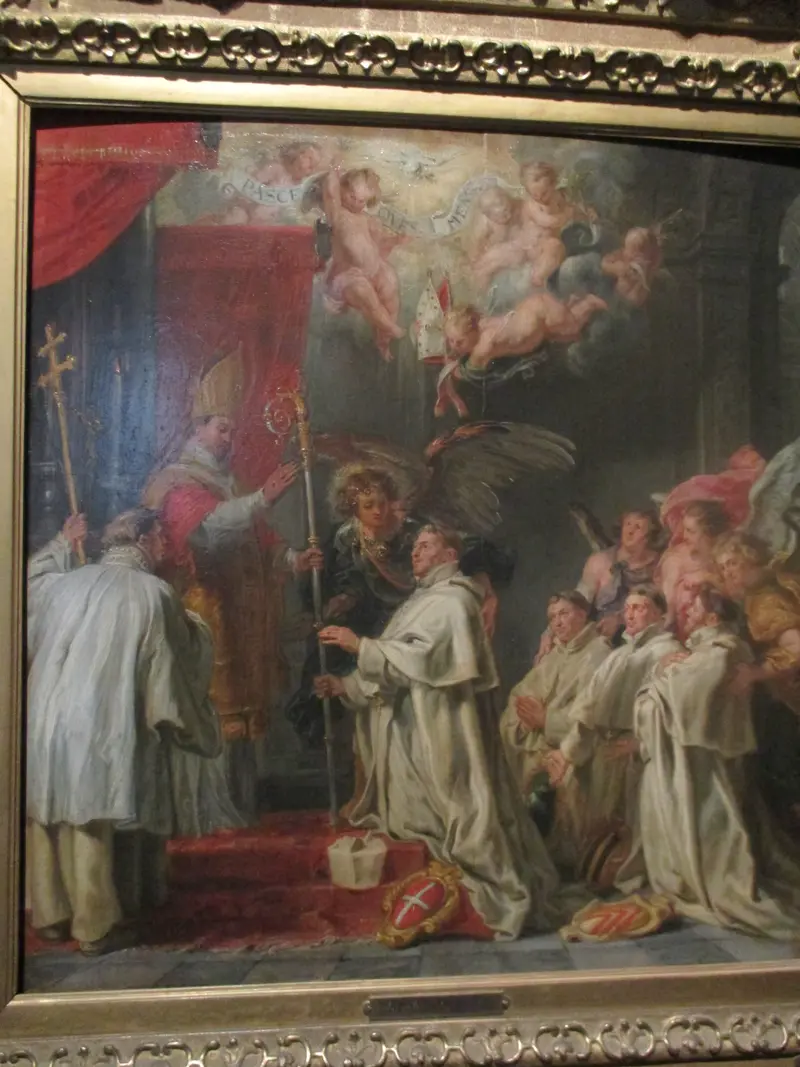
The archangel Michael supports the blessed Waltmann, who is being consecrated abbot by Saint Norbert
Abraham Jansz. van Diepenbeeck





