
Mary Magdalen in meditation — History & Facts
Few paintings by Artemisia Gentileschi have sparked as much debate as Mary Magdalen in meditation, painted around 1620. Scholars still puzzle over whether this haunting image was created for a private patron or as a speculative work for the open market—a rare move for a woman artist in early seventeenth-century Italy. The painting’s uncertain provenance has only deepened its allure, with at least three other versions attributed to Gentileschi or her workshop, each with subtle differences in pose and mood.
This proliferation of Magdalens speaks to the popularity of the subject and the artist’s own fascination with the repentant saint. At the moment Gentileschi chooses to capture, Mary Magdalen sits alone, her gaze cast downward, hands clasped in contemplation. The saint’s loose hair and sumptuous dress hint at her past as a woman of the world, while the discarded jewels and open book at her side signal her renunciation of earthly pleasures. A single strong light carves her figure from the darkness, illuminating the tear-streaked face and bare shoulder—an approach reminiscent of Caravaggio, but with a psychological intensity all her own.
Where other artists, like Titian in his own Penitent Magdalen, emphasize sensual beauty or ecstatic vision, Gentileschi focuses on the quiet, inward struggle of repentance. The physical history of Mary Magdalen in meditation is as shadowy as its subject. No early documentation survives to confirm its first owner, and the painting’s medium itself remains a subject of debate among conservators. Over the centuries, it has passed through private hands and attributions, sometimes credited to Artemisia’s father Orazio Gentileschi or to followers.
Today, the painting is recognized as a key work from Artemisia Gentileschi’s mature Roman period, when she was establishing her reputation as one of the leading painters of the Baroque. Its enduring power lies in how it captures both the drama of faith and the complexity of the woman who painted it.
More Artworks by Artemisia Gentileschi

Judith Beheading Holofernes
Artemisia Gentileschi
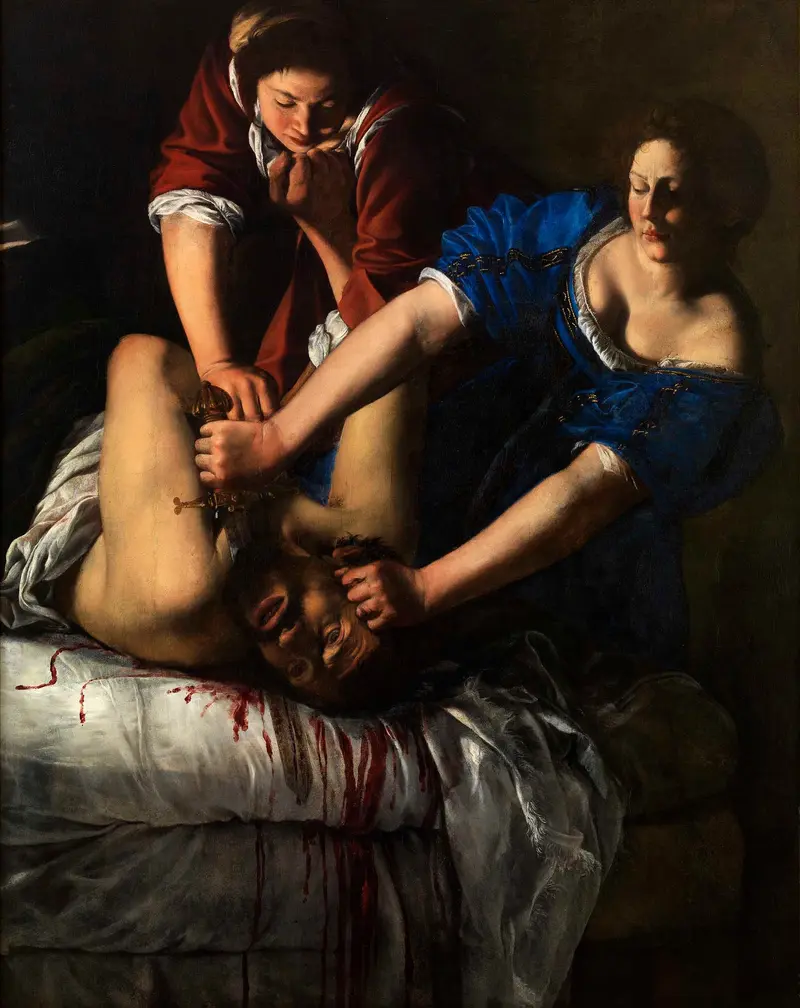
Judith Slaying Holofernes
Artemisia Gentileschi
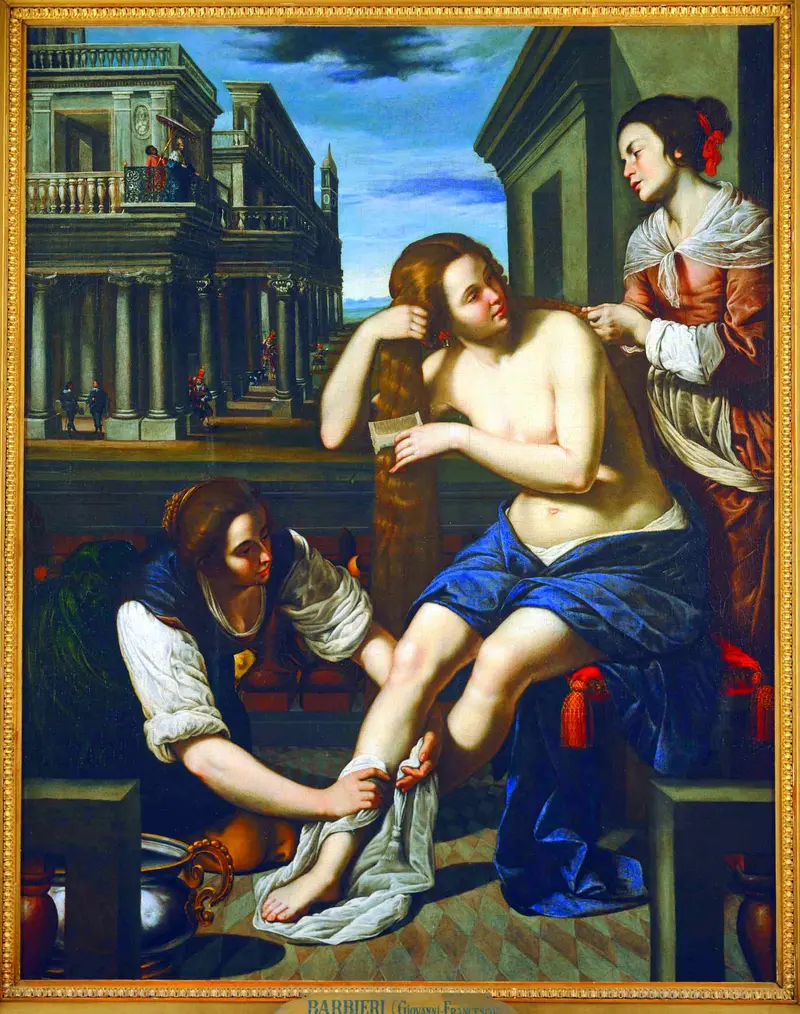
Bathsheba at Her Bath
Artemisia Gentileschi
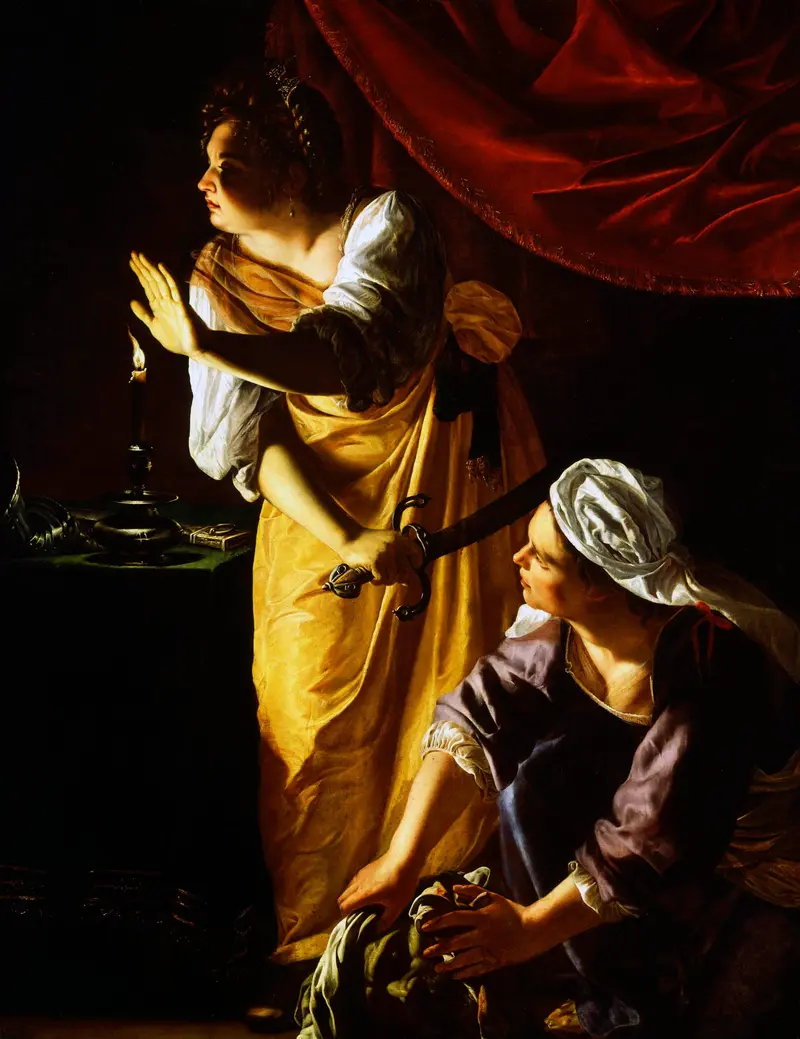
Judith and Maidservant with Head of Holofernes
Artemisia Gentileschi
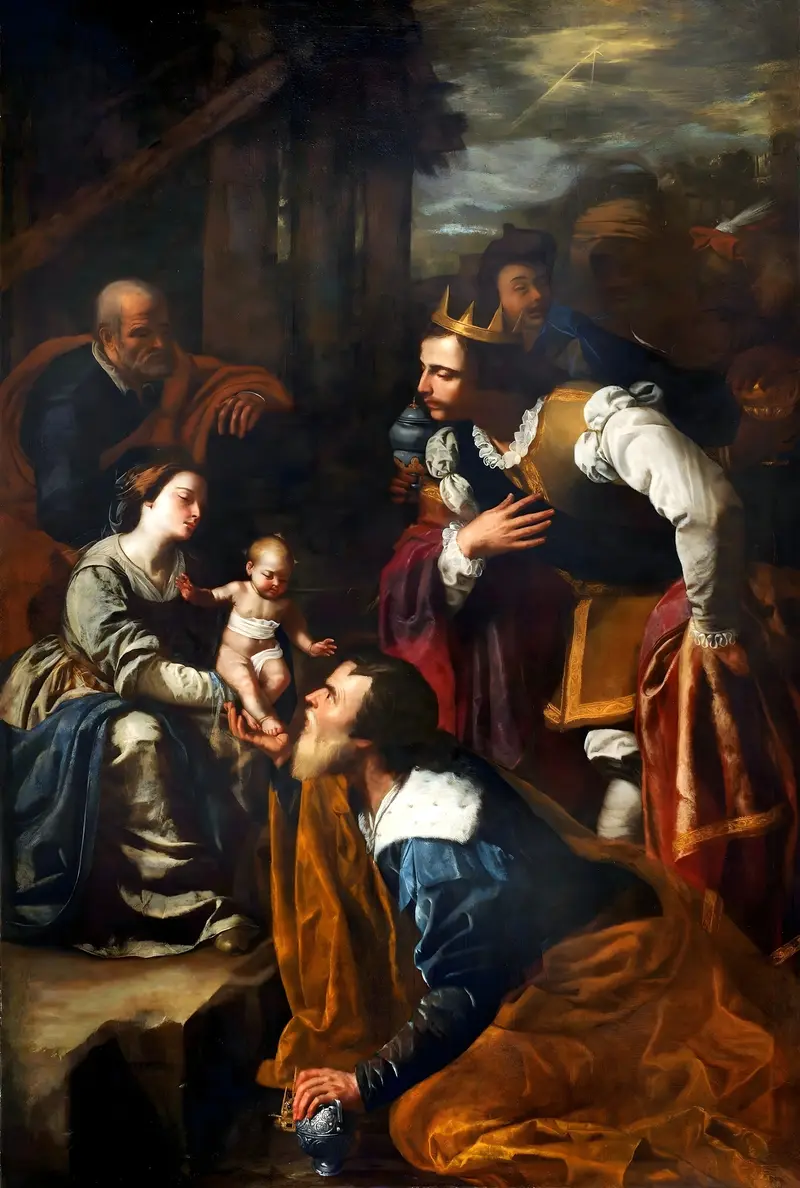
Adoration of the Magi
Artemisia Gentileschi
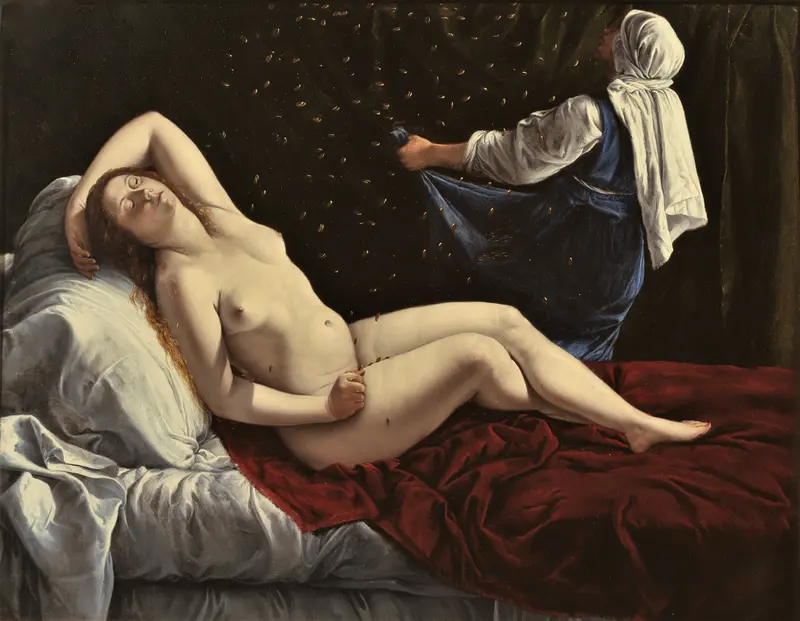
Danaë
Artemisia Gentileschi
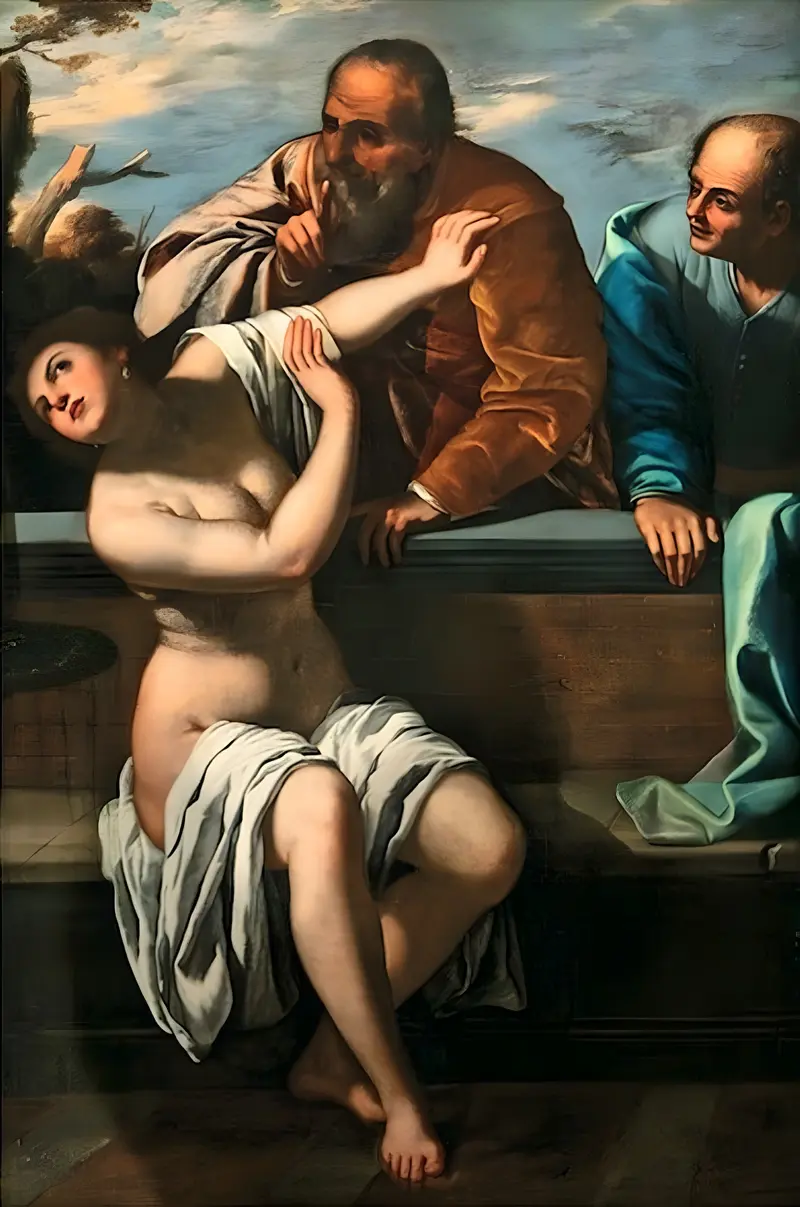
Susannah and the Elders
Artemisia Gentileschi

Judith and her Servant with the Head of Holofernes
Artemisia Gentileschi
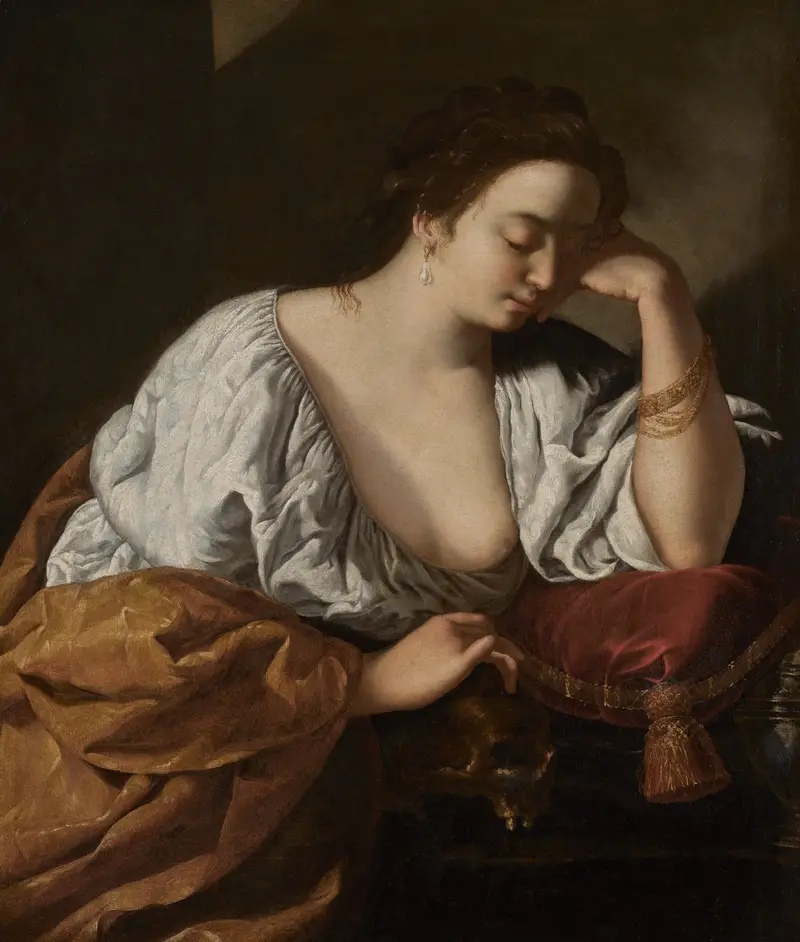
Madeleine pénitente, par
Artemisia Gentileschi
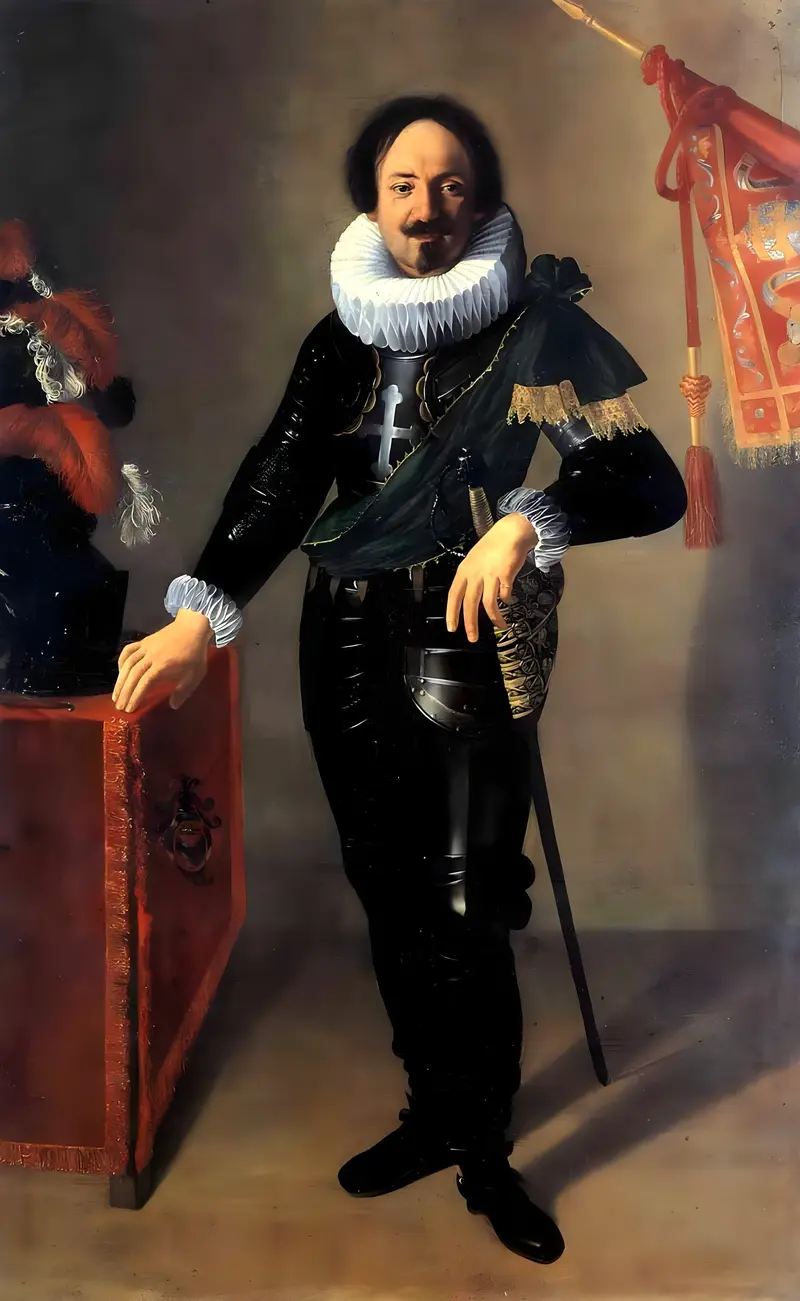
Portrait of a Gonfaloniere
Artemisia Gentileschi





