Mediaeval Ornament No. 4 — History & Facts
What first catches the eye in Mediaeval Ornament No. 4 by Owen Jones is the dazzling interplay of geometry and color, a page alive with the rhythm of medieval stained glass. Each panel is a world unto itself, yet together they form a chorus of intricate lines, bold reds and blues, and golden yellows that seem to glow from within the page.
The shapes—stars, quatrefoils, interlacing vines—invite the viewer to trace their paths, discovering how symmetry and repetition create both order and surprise. The careful balance of detail and clarity is not just decorative: these motifs were meant to guide the gaze, to lift the mind upwards, echoing the spiritual aspirations of the cathedrals for which such designs were once intended. This work belongs to a moment in the nineteenth century when designers and scholars, inspired by the past, sought to recover and catalogue the visual languages of earlier ages. Owen Jones was a leading figure in this movement, and his chromolithographs—such as this one, published in London and now preserved in the Polona Digital Library—were both a celebration and a manual.
They offered artists, architects, and craftsmen a treasury of forms, at a time when industrialization threatened to erase traditional skills. While the precise history of this particular page is little recorded, its presence in a 1910 edition speaks to the enduring fascination with ornament as both art and instruction. Even now, the viewer is drawn back, compelled to imagine these patterns not just on the page, but glowing in the light of a medieval window.
More Artworks by Owen Jones

Greek Ornament No. 1
Owen Jones
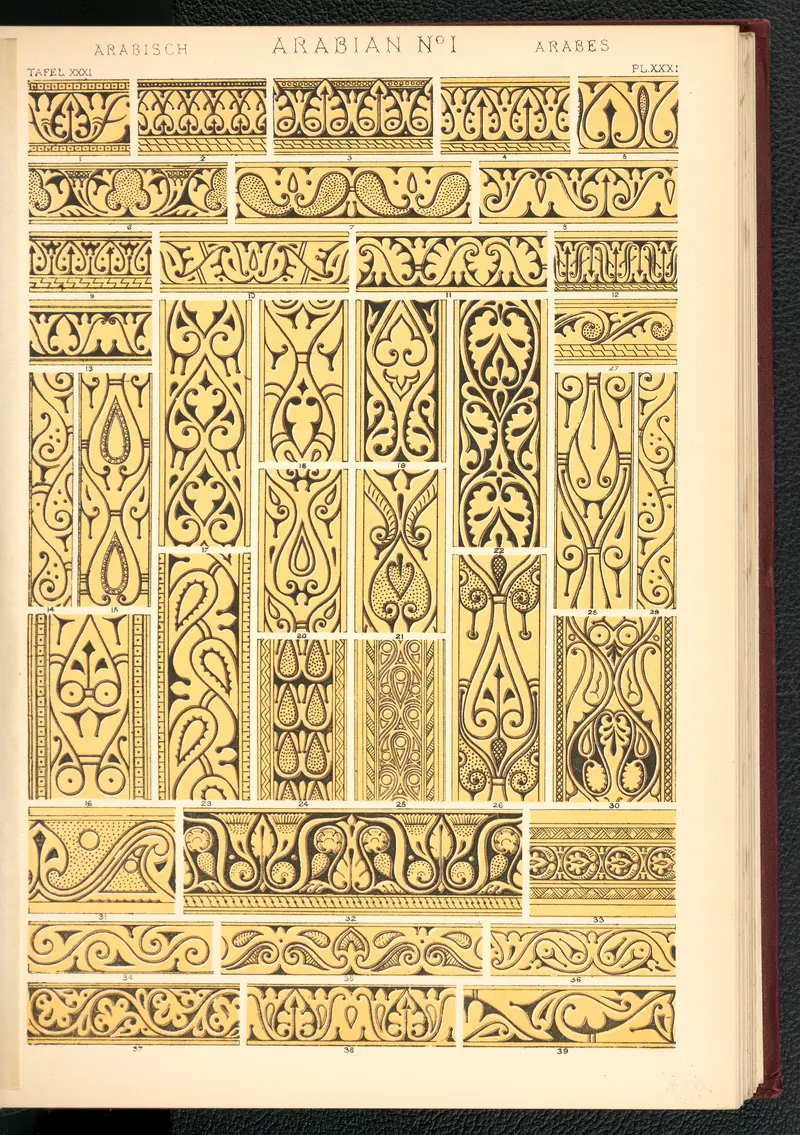
Arabian Ornament No. 1
Owen Jones
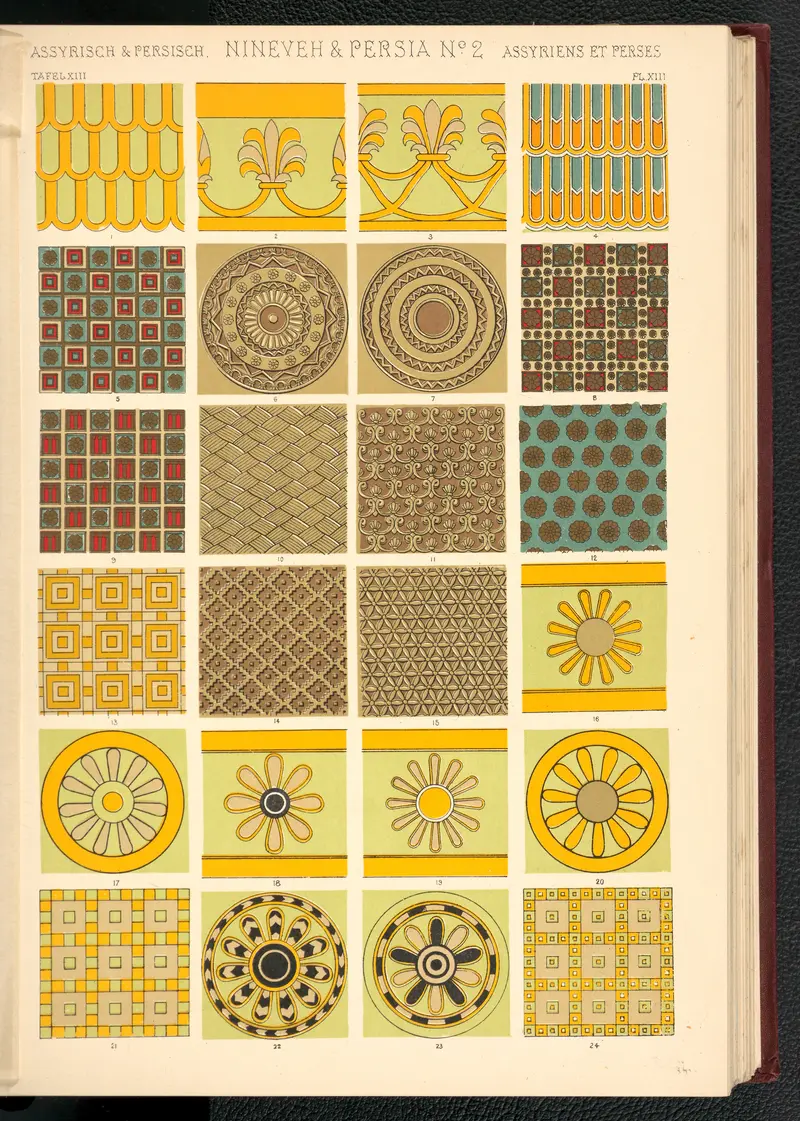
Assyrian Ornament No. 2
Owen Jones

Egyptian Ornament No. 3
Owen Jones
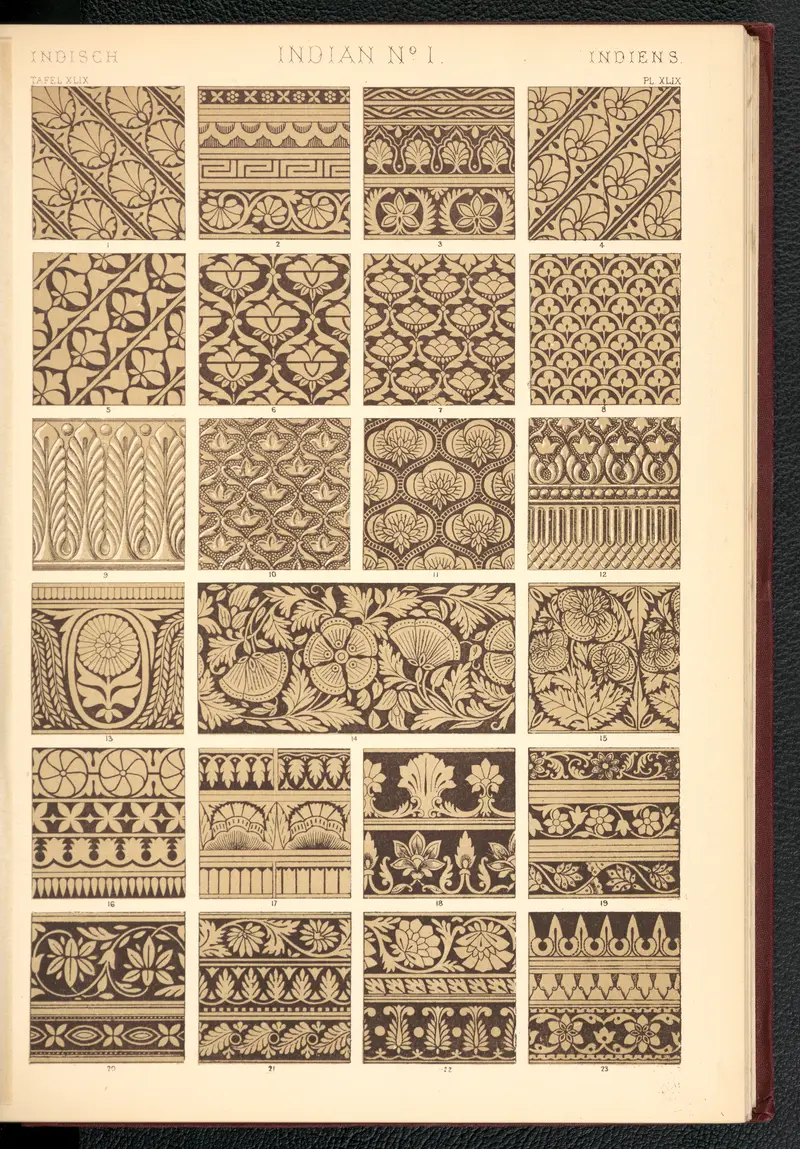
Indian Ornament No. 1
Owen Jones
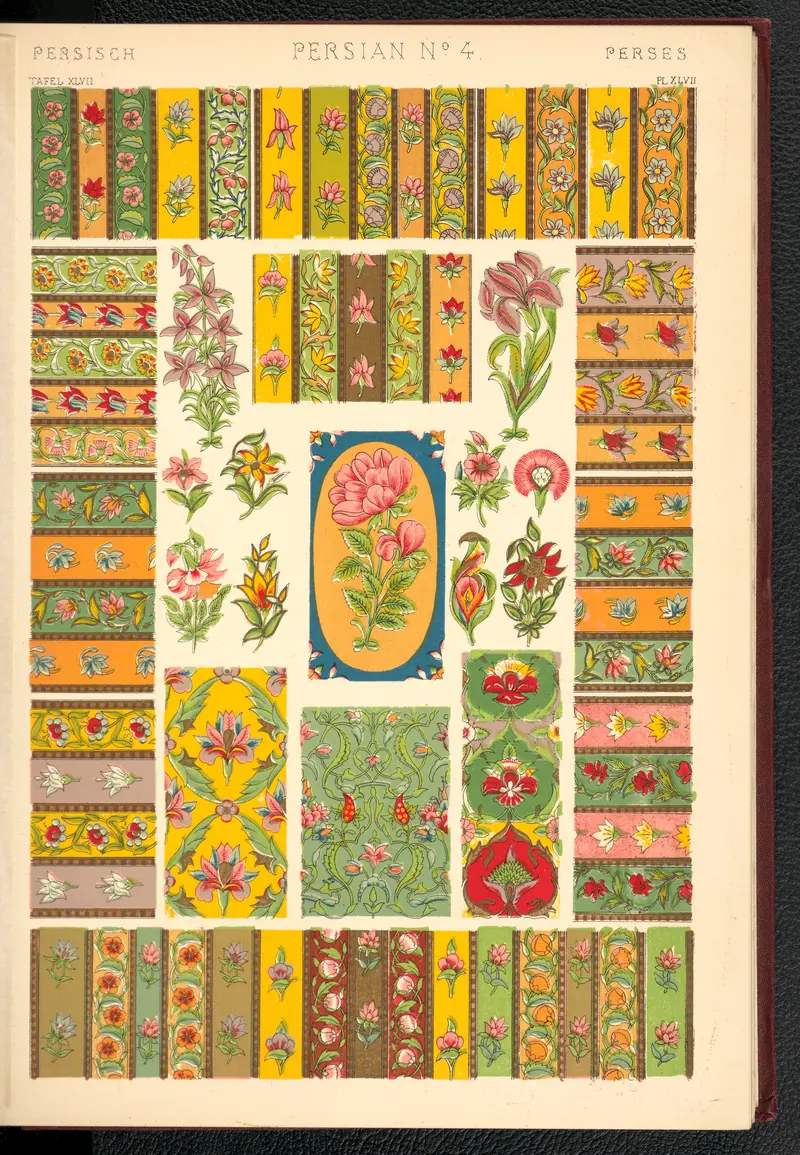
Persian Ornament No. 4
Owen Jones
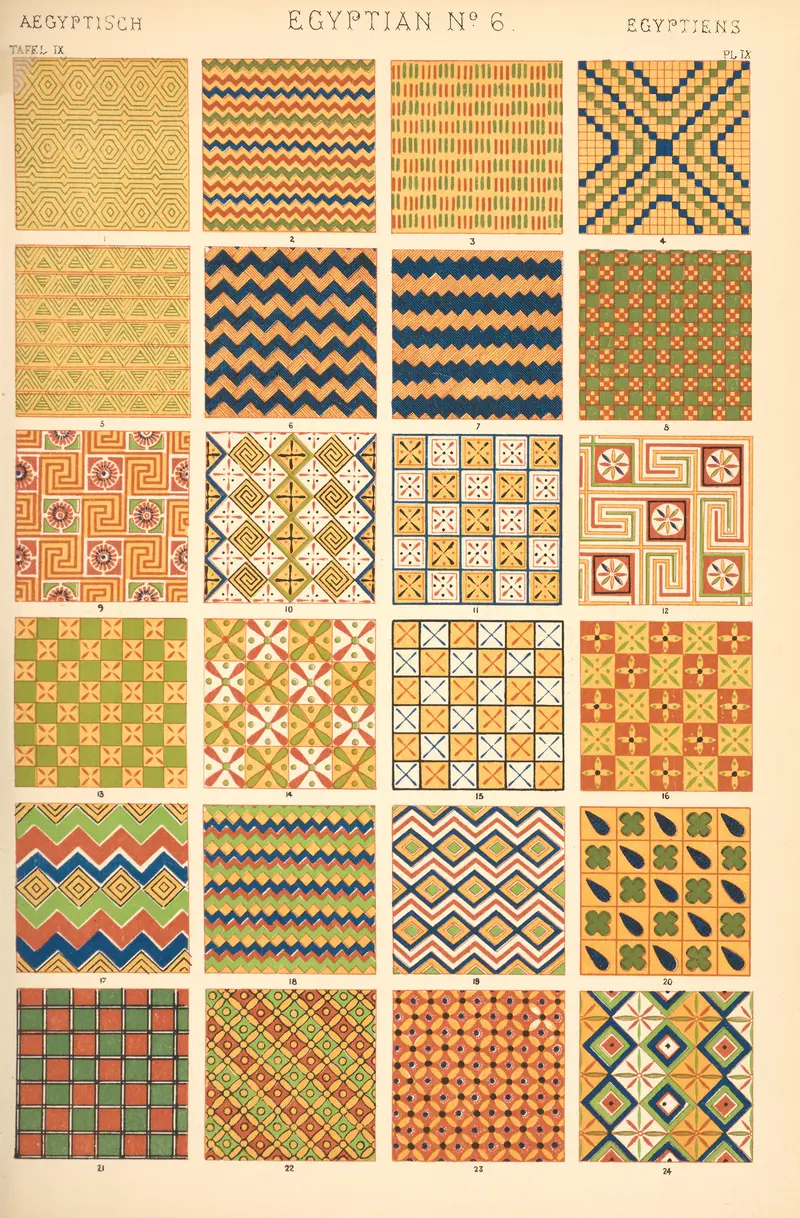
Egyptian Ornament No. 6
Owen Jones
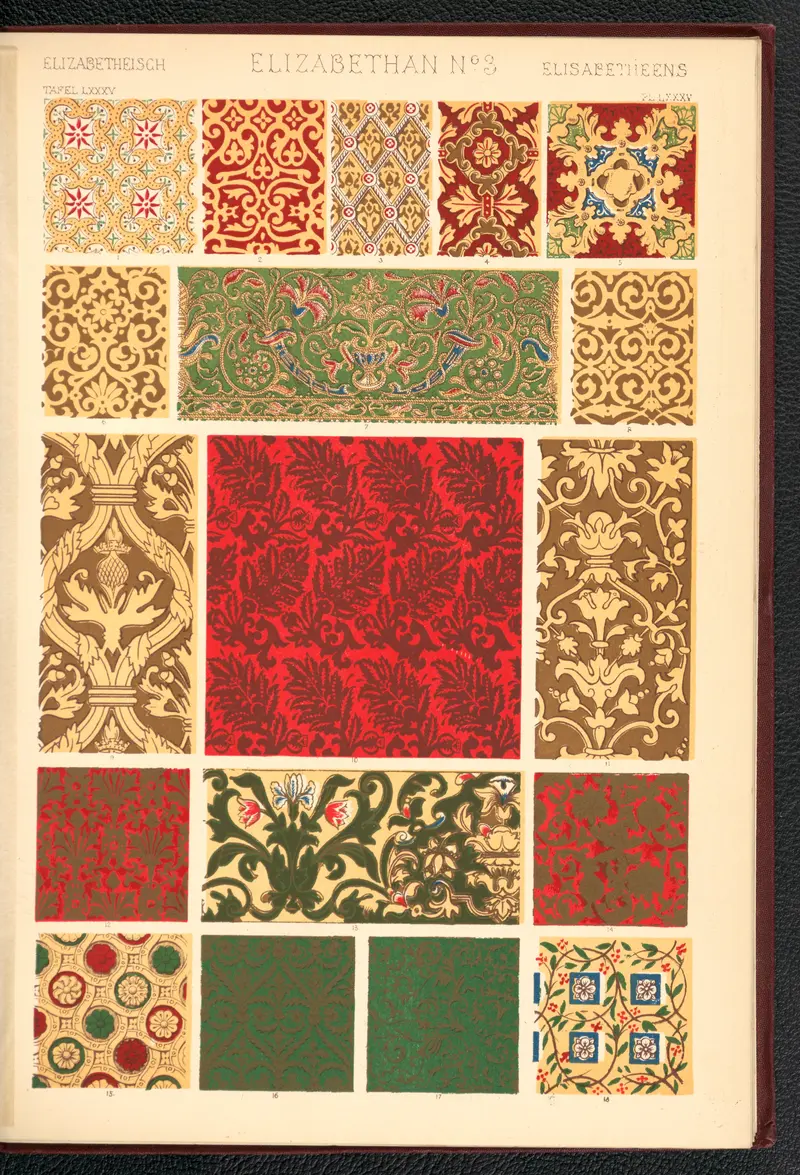
Elizabethan Ornament No. 3
Owen Jones
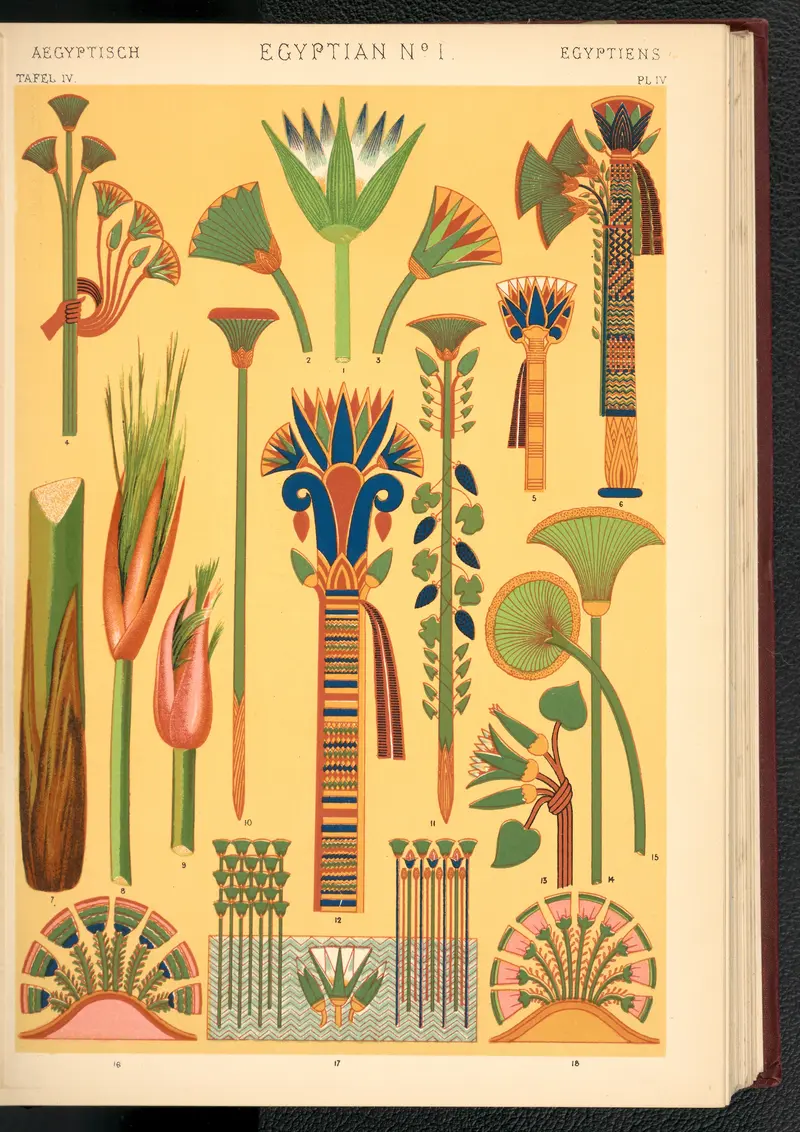
Egyptian Ornament No. 1
Owen Jones
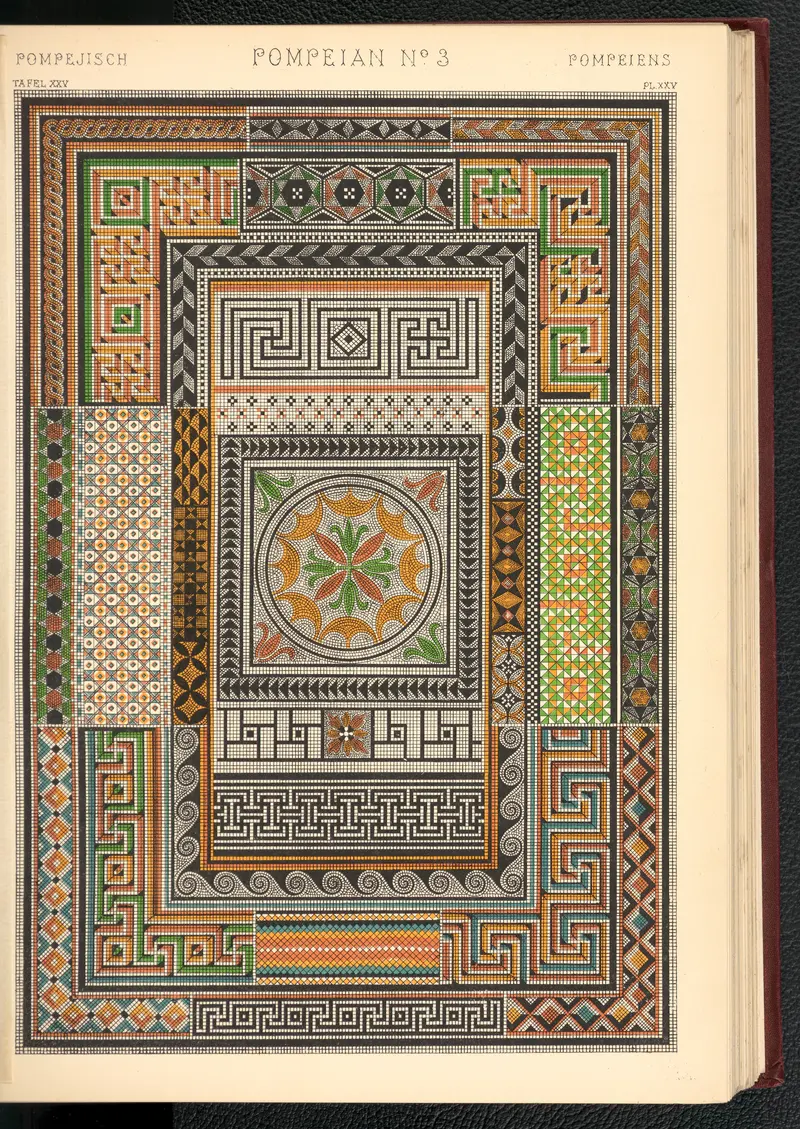
Pompeian Ornament No. 3
Owen Jones