
Mephisto from the Opera Faust — History & Facts
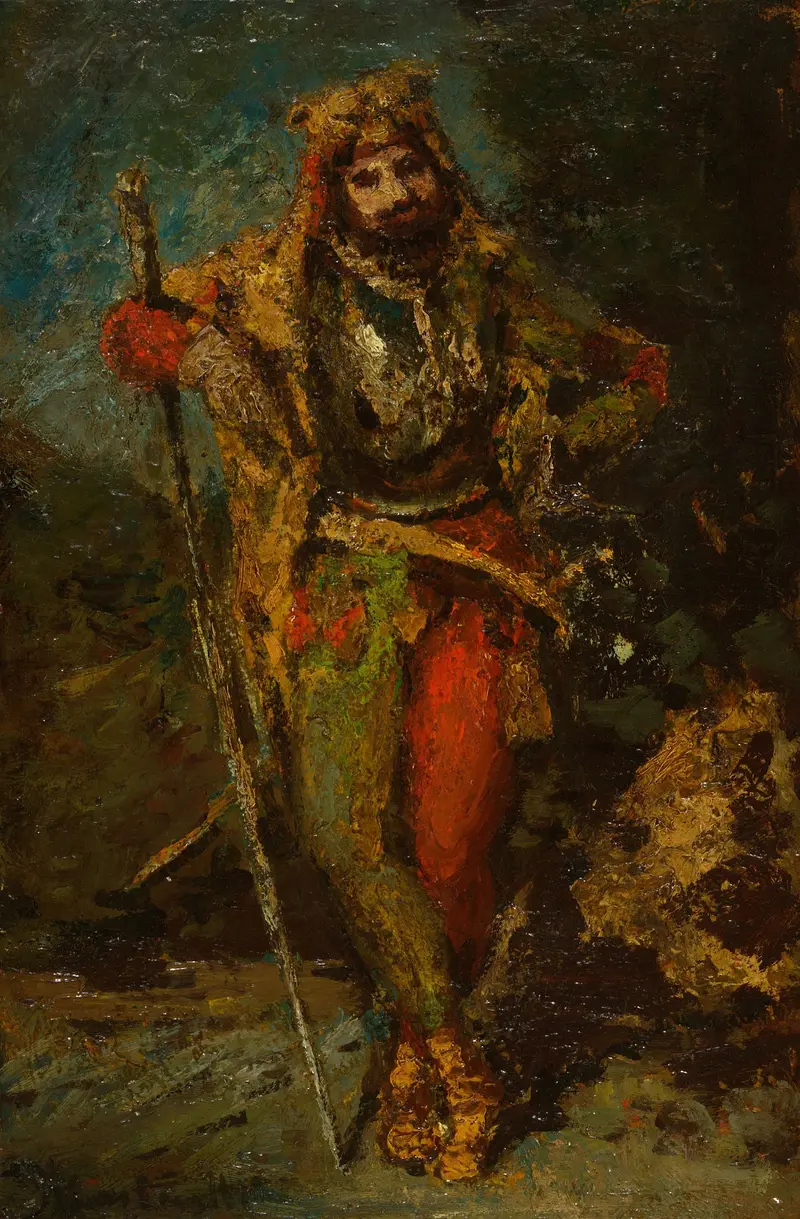
It is the texture that first seizes the eye in Mephisto from the Opera Faust by Adolphe Monticelli. The figure emerges from a swirl of thick, impasto strokes, as if conjured from the very earth and shadow he commands. The costume, a riot of ochre, scarlet, and mossy green, clings to the form with almost sculptural weight—each dab of paint a flourish of theatrical bravado.
Mephisto leans on his staff with a casual confidence, his stance half-mocking, half-commanding, the red gloves and leggings burning through the gloom like embers. The face, blurred yet intent, draws you in: is it a mask, or the true countenance of the tempter? This painting belongs to the fevered decades between 1870 and 1886, when the world of opera and Romantic literature spilled over into the visual arts. Monticelli, working in France, was celebrated for his lush, atmospheric scenes, often drawing from the stage and the page for his subjects.
Paintings like this were not grand commissions for palaces but intimate works, collected by those who craved the drama of modern life and legend in their own salons. The Art Institute of Chicago now holds this piece, a reminder of a time when painters and performers alike sought to make the fantastical palpable, and when the devil himself could be summoned with nothing but pigment and brush. Look again at the figure’s stance: in the flicker of paint, the old story of temptation and spectacle is made new.
More Artworks by Adolphe Monticelli

Portrait of a Lady
Adolphe Monticelli
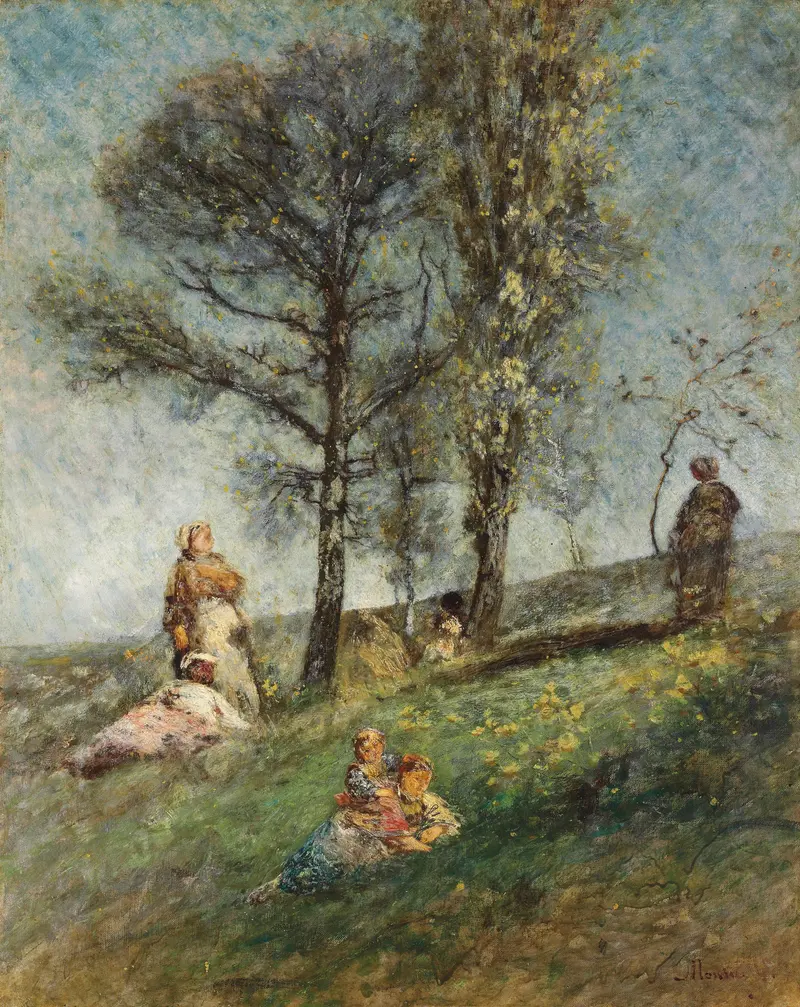
A Young Family Under Trees On A Hill
Adolphe Monticelli

Fête d'Après-Midi
Adolphe Monticelli
Mephisto from the Opera Faust
Adolphe Monticelli
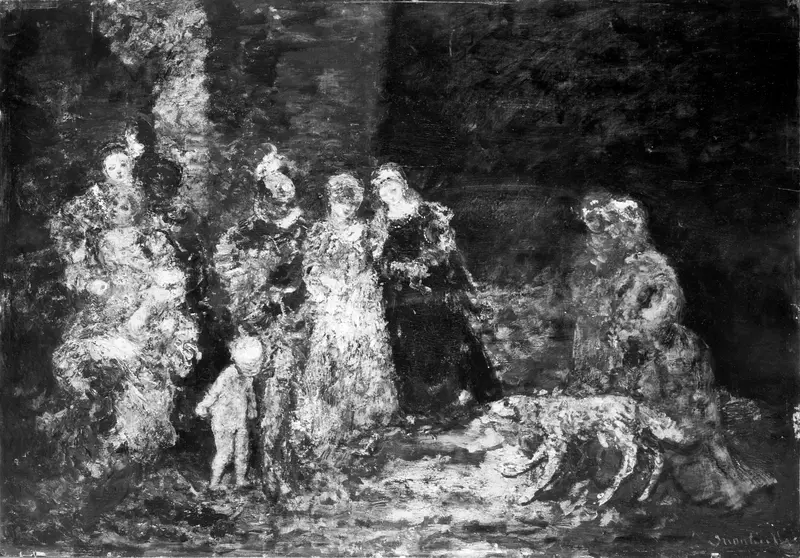
The Fairies
Adolphe Monticelli
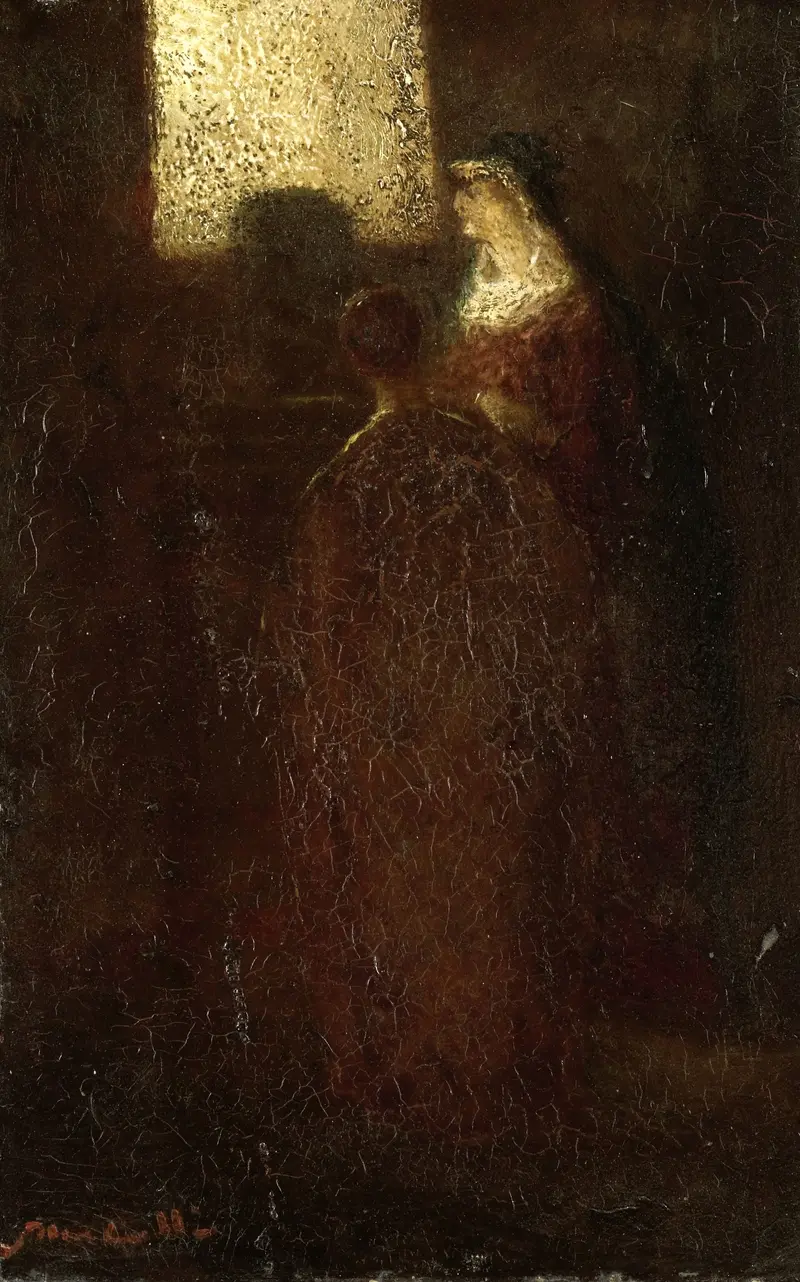
Aan het altaar
Adolphe Monticelli
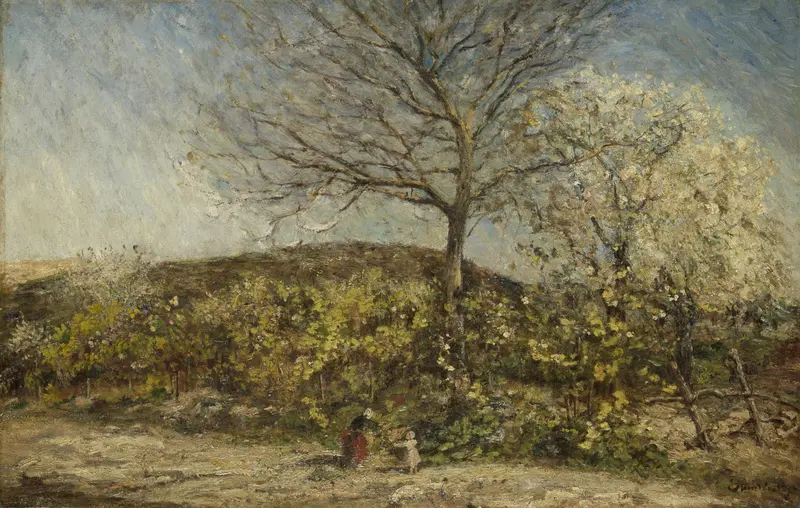
Landschap met bloeiende boomgaard
Adolphe Monticelli
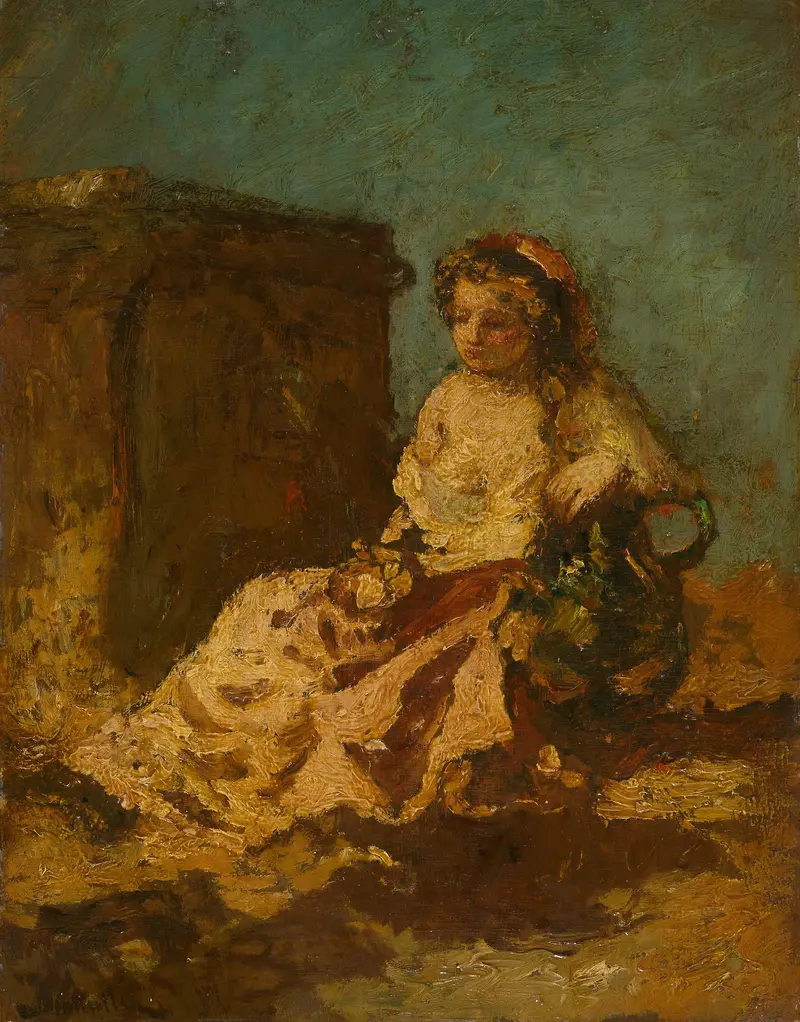
Meditation (Seated Woman)
Adolphe Monticelli
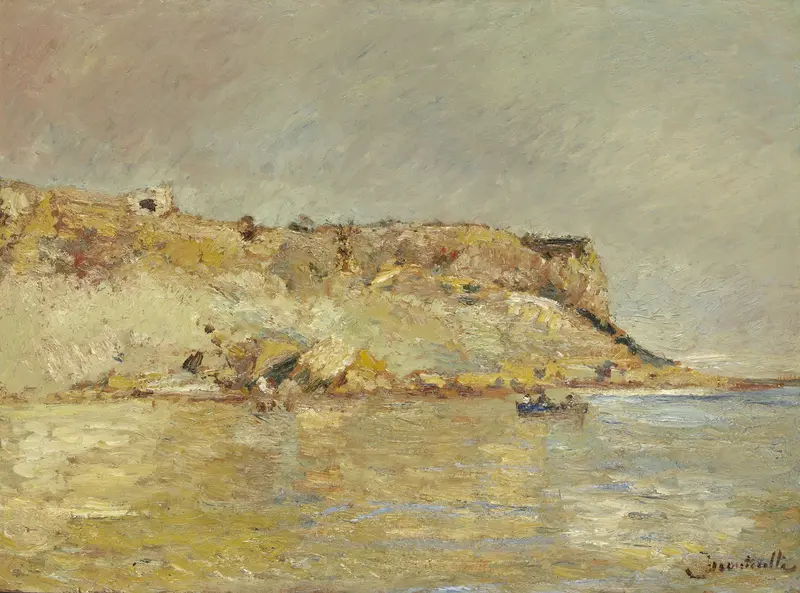
Coastal Mountains
Adolphe Monticelli
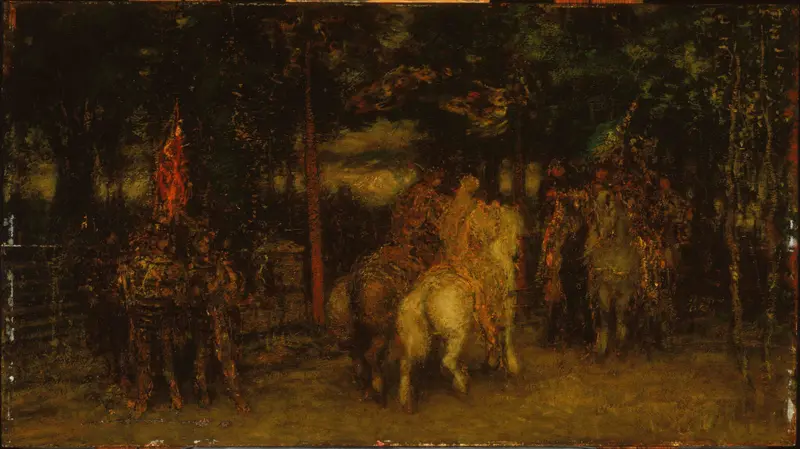
Landscape with Figures
Adolphe Monticelli



