
Mercury and Battus — History & Facts
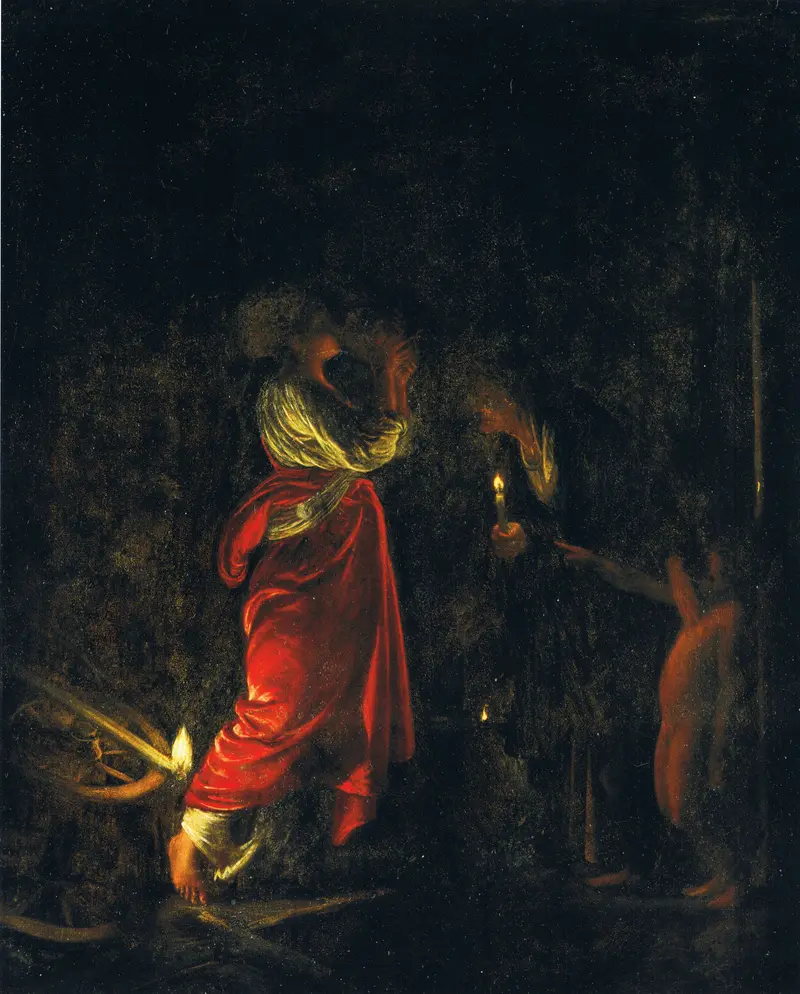
What first catches the eye in Mercury and Battus by Adam Elsheimer is the hush of a secret about to be betrayed. The figure in red, poised mid-stride, extends an arm with a gesture that seems both urgent and conspiratorial, while the seated man, half-shrouded in shadow, turns to listen or confess. Between them stands a single golden cow, its back turned to the viewer, anchoring the scene in a world where myth and landscape are one.
The light, filtered through feathery foliage, draws the viewer’s gaze from the drama at left to the open, luminous distance at right, suggesting that what happens in this clearing is both intimate and of consequence. Painted between 1605 and 1610, this work belongs to a moment when small-scale mythological scenes were prized by collectors for their wit and subtlety. Adam Elsheimer was known for weaving complex narratives into jewel-like panels, often set in lush, atmospheric landscapes that seem to breathe with northern light. In the early seventeenth century, such paintings were tokens of erudition, exchanged among scholars and connoisseurs who delighted in their layered meanings.
Now housed in the Städelsches Kunstinstitut in Frankfurt, Mercury and Battus invites the modern viewer to linger, to puzzle out the exchange at its heart, and to lose themselves in the quiet world Elsheimer conjured over four centuries ago.
More Artworks by Adam Elsheimer

Saint John the Baptist in the Wilderness
Adam Elsheimer
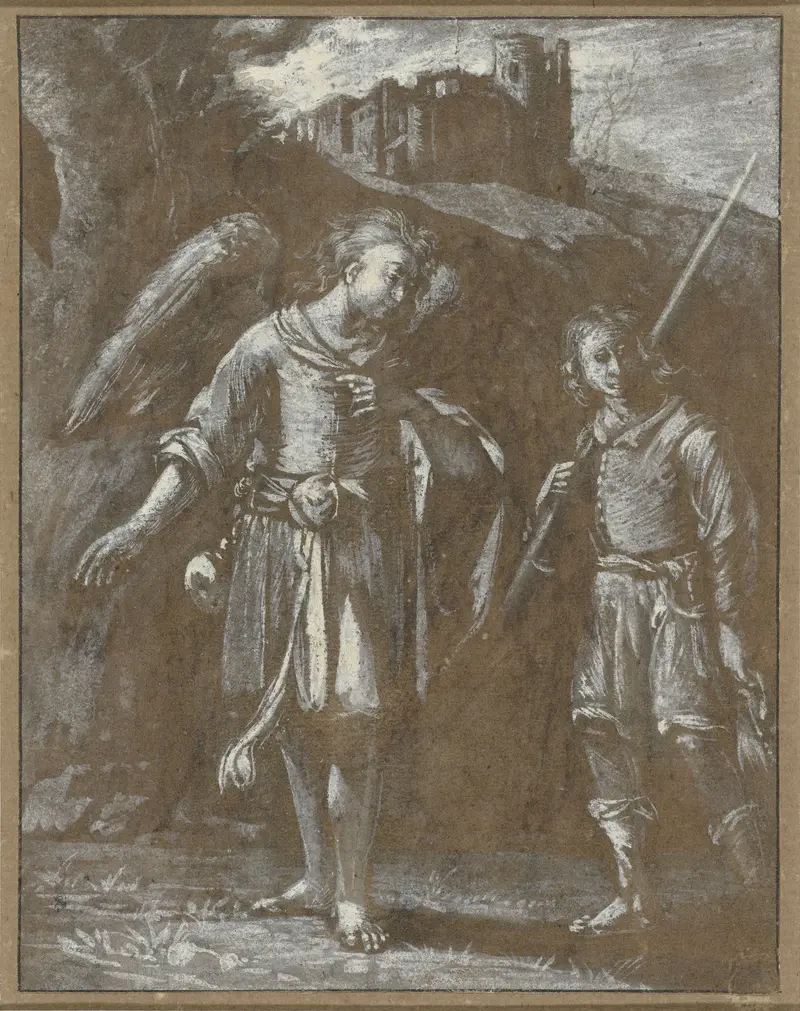
Tobias en de engel
Adam Elsheimer
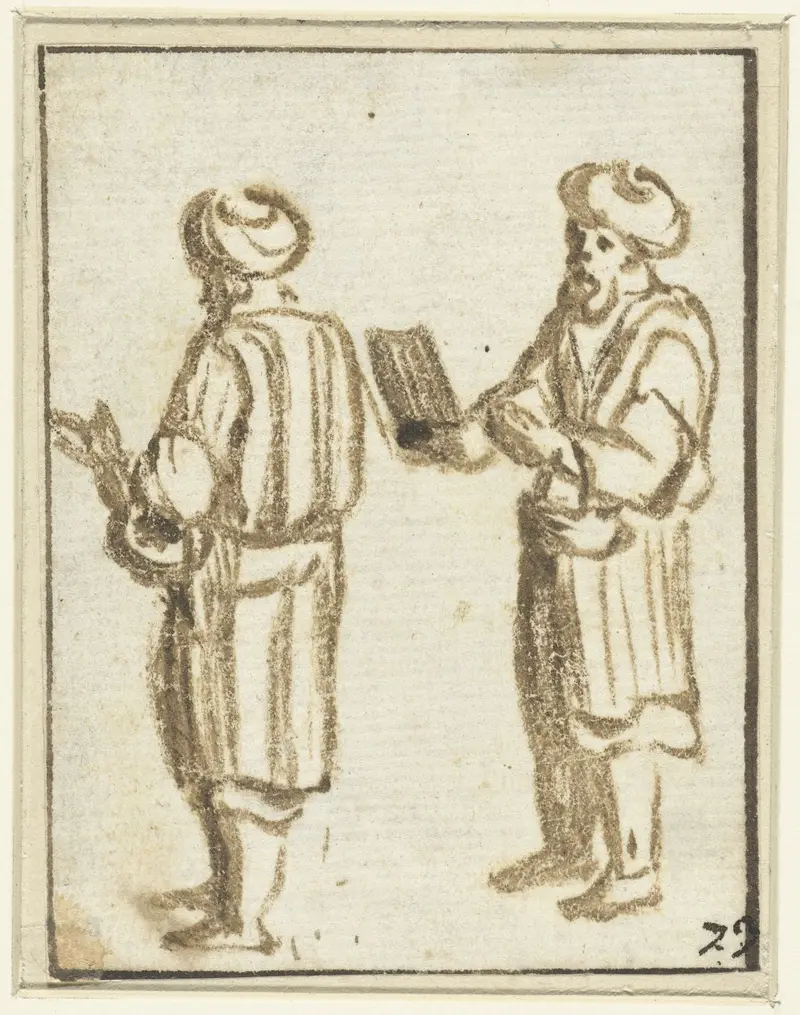
Twee staande mannen met tulbanden
Adam Elsheimer
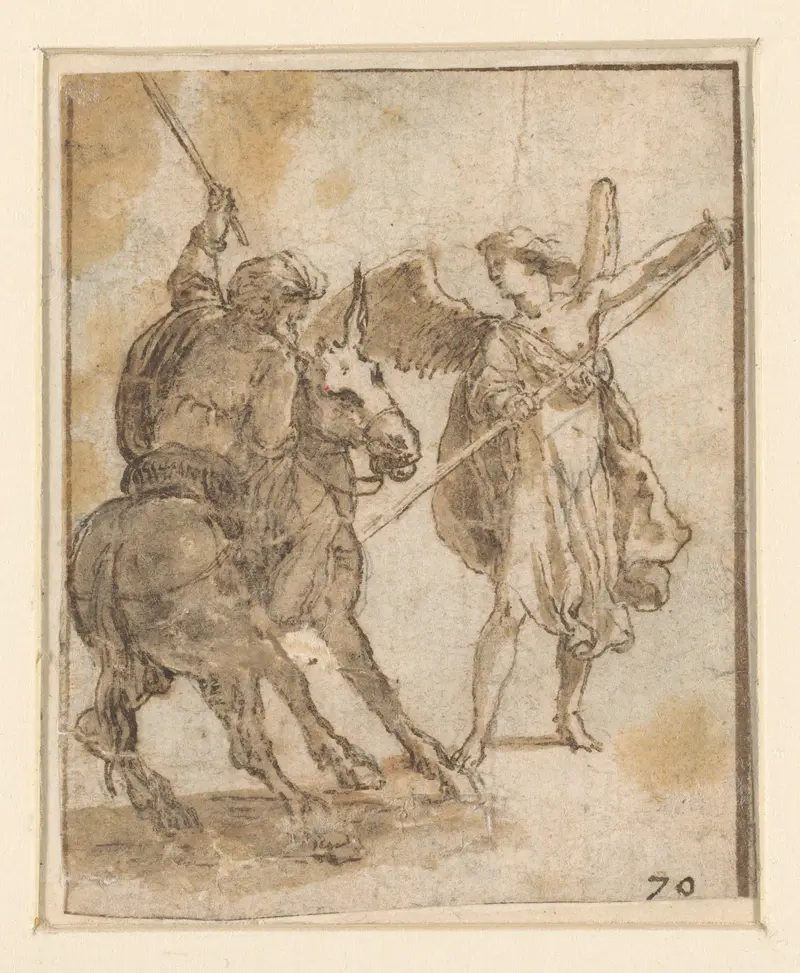
Bileam op zijn ezel ontmoet de engel
Adam Elsheimer
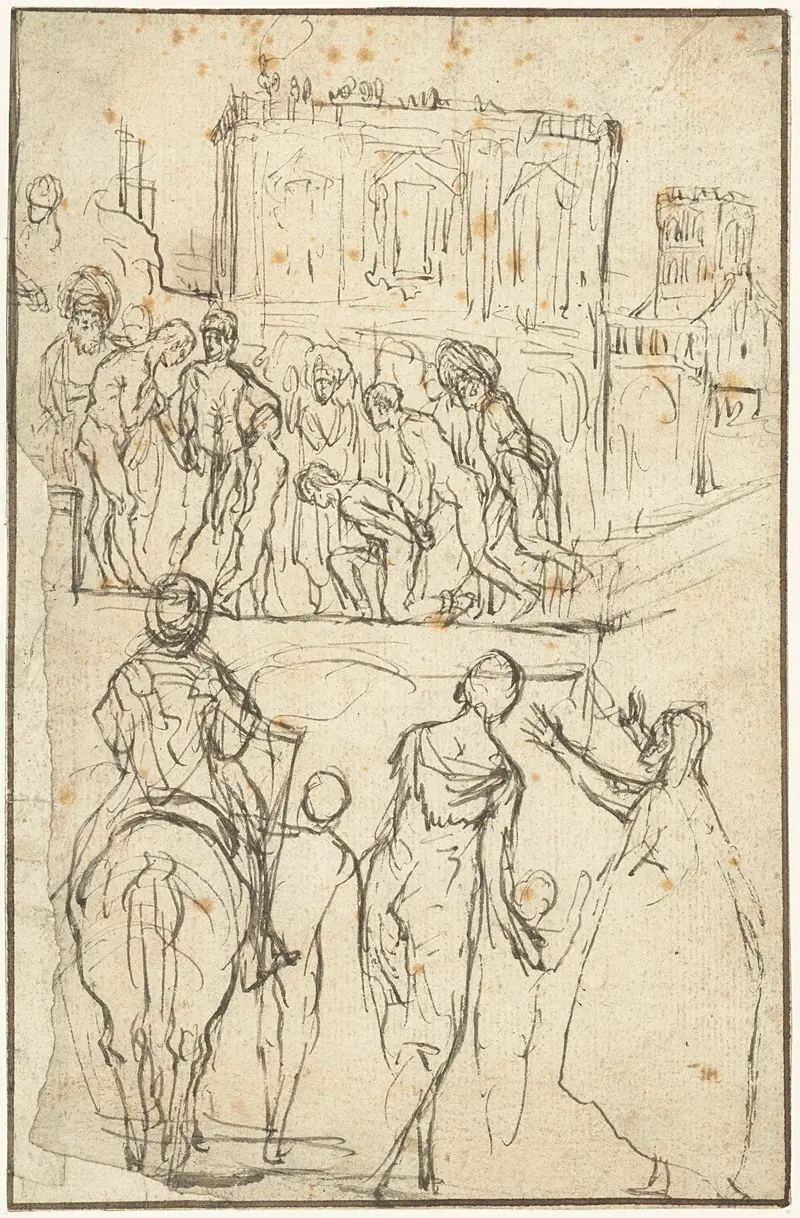
Judgement Scene with a Bound Prisoner
Adam Elsheimer
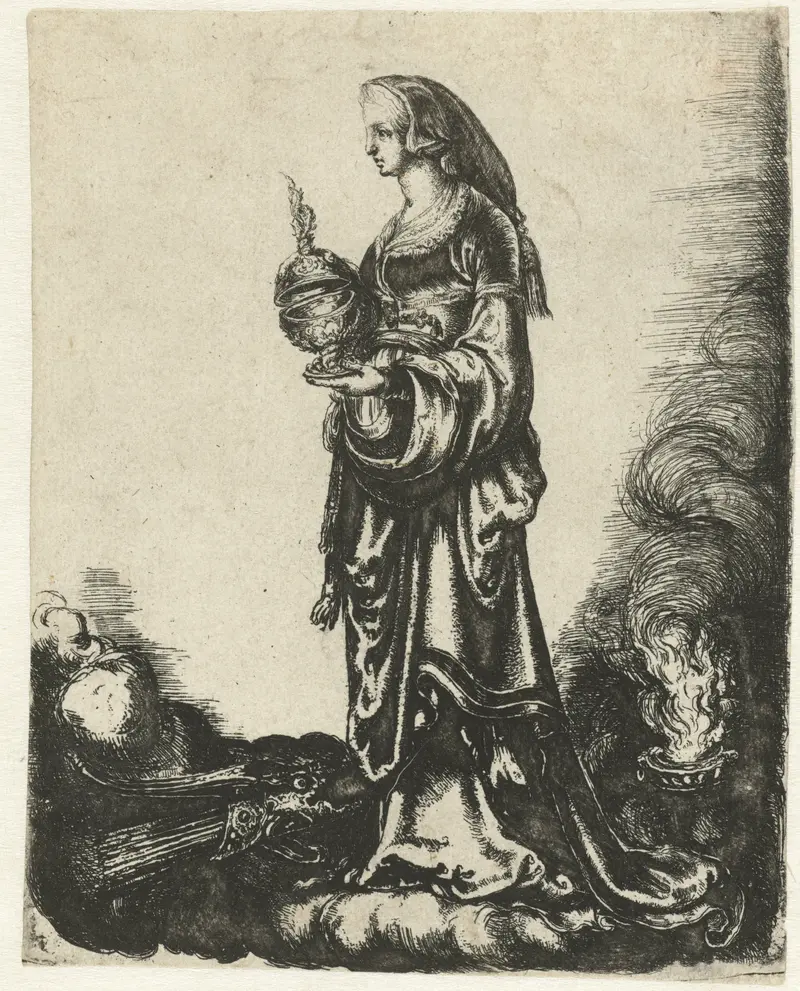
Allegorie met vrouw met beker staand op wolk
Adam Elsheimer
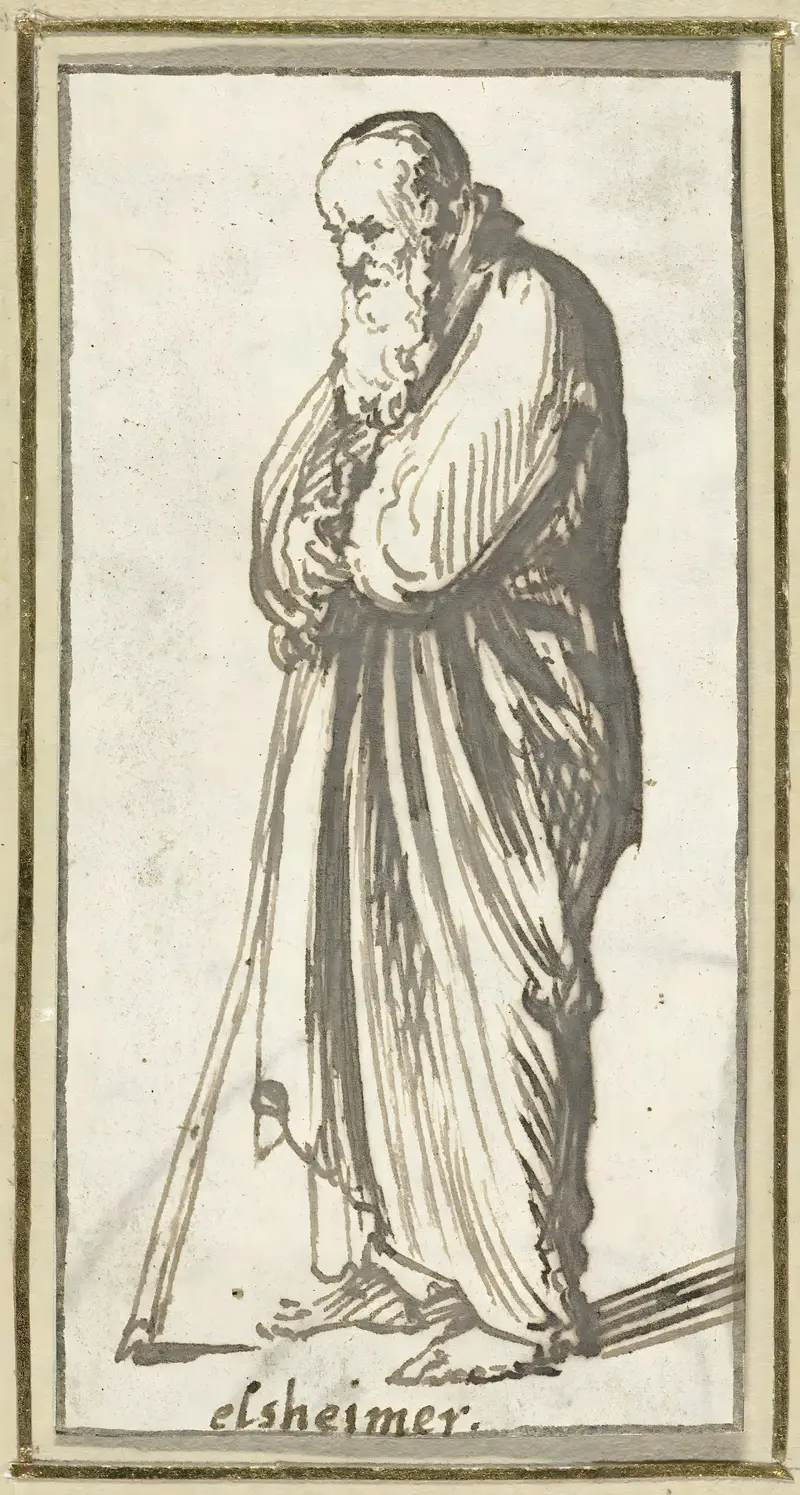
Oude man in lang gewaad
Adam Elsheimer
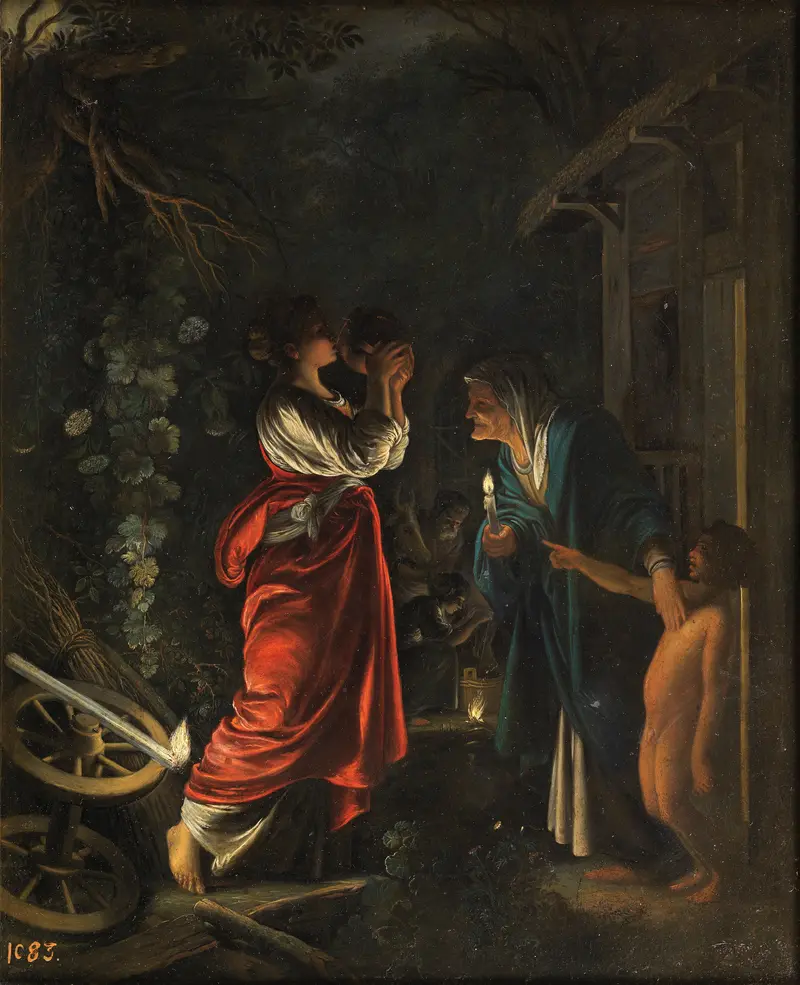
Ceres in the House of Hecuba
Adam Elsheimer
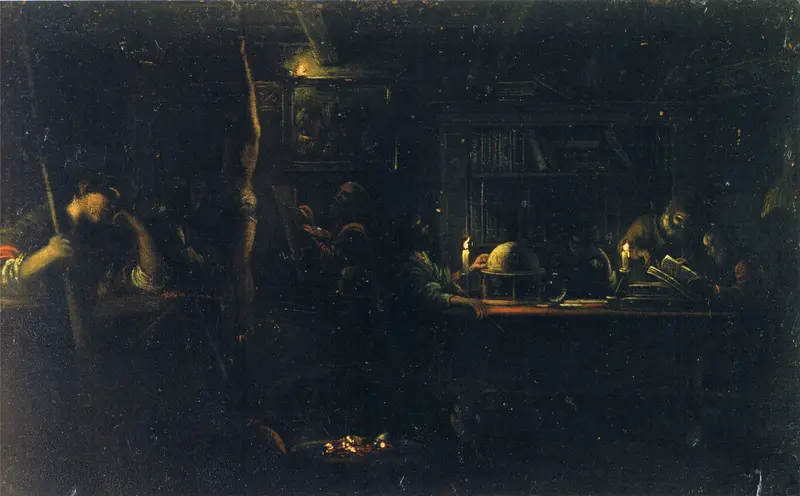
Minerva as patroness of Arts and Sciences
Adam Elsheimer
The Mocking of Ceres
Adam Elsheimer





