Mühlwehr in Plankenberg — History & Analysis
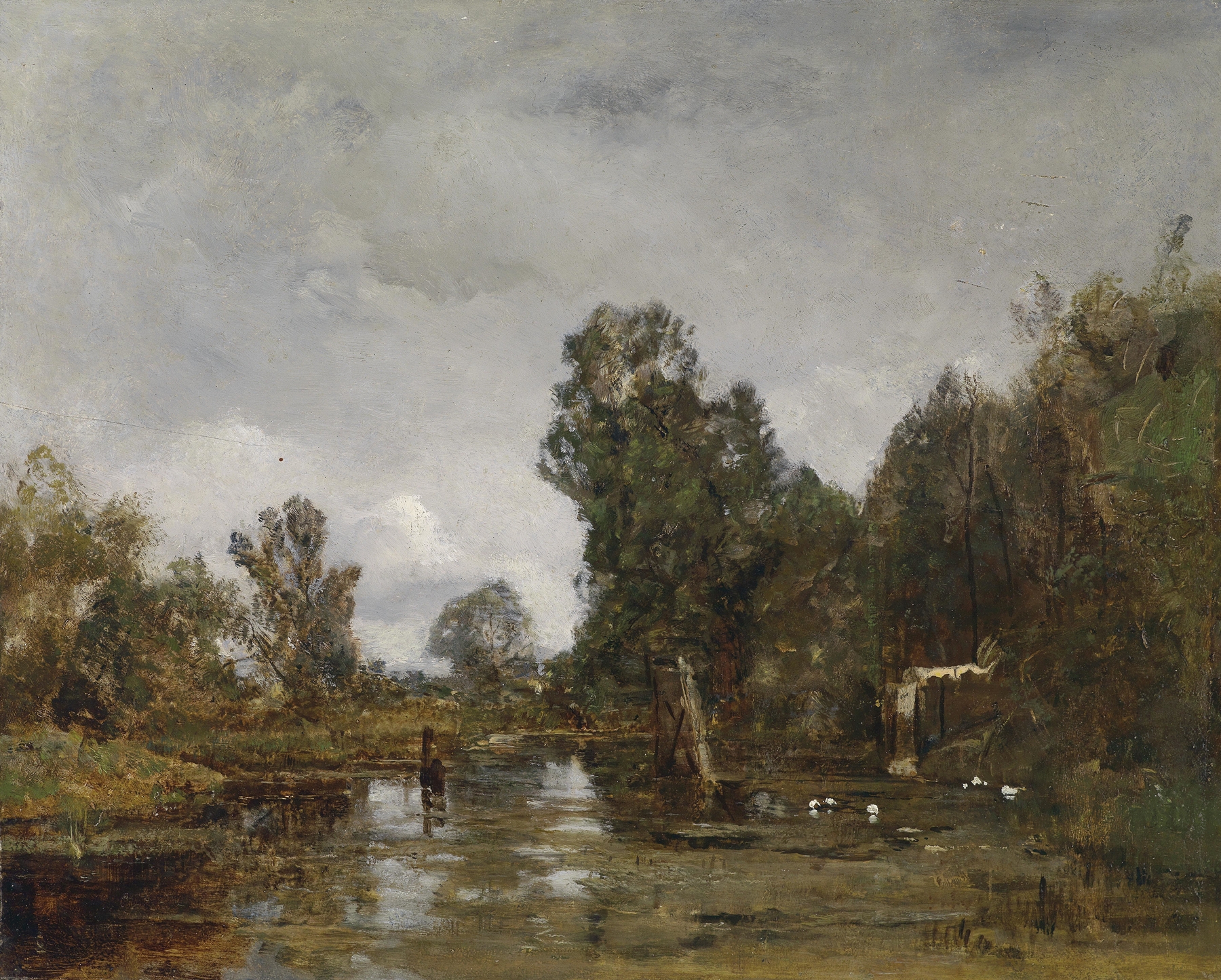
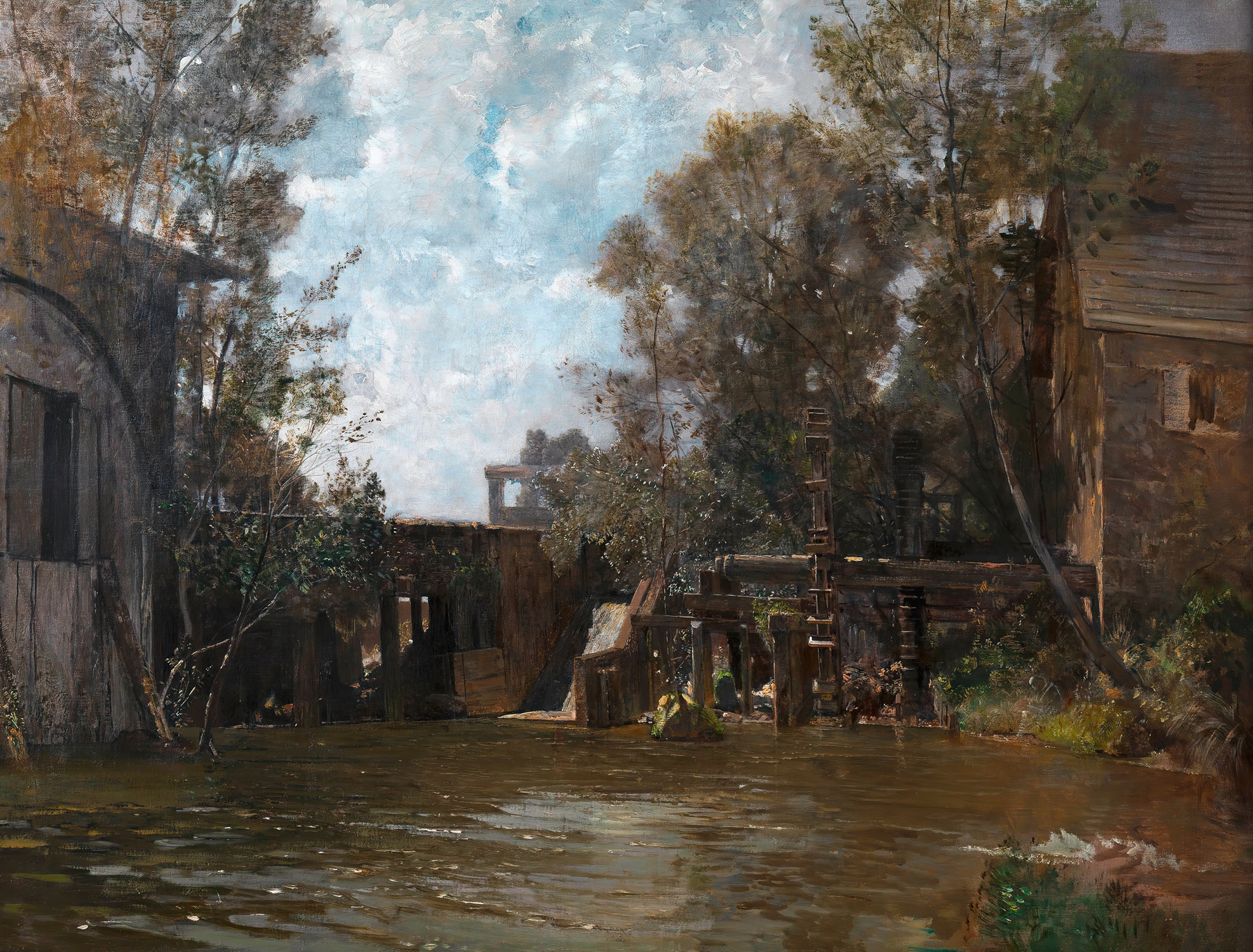
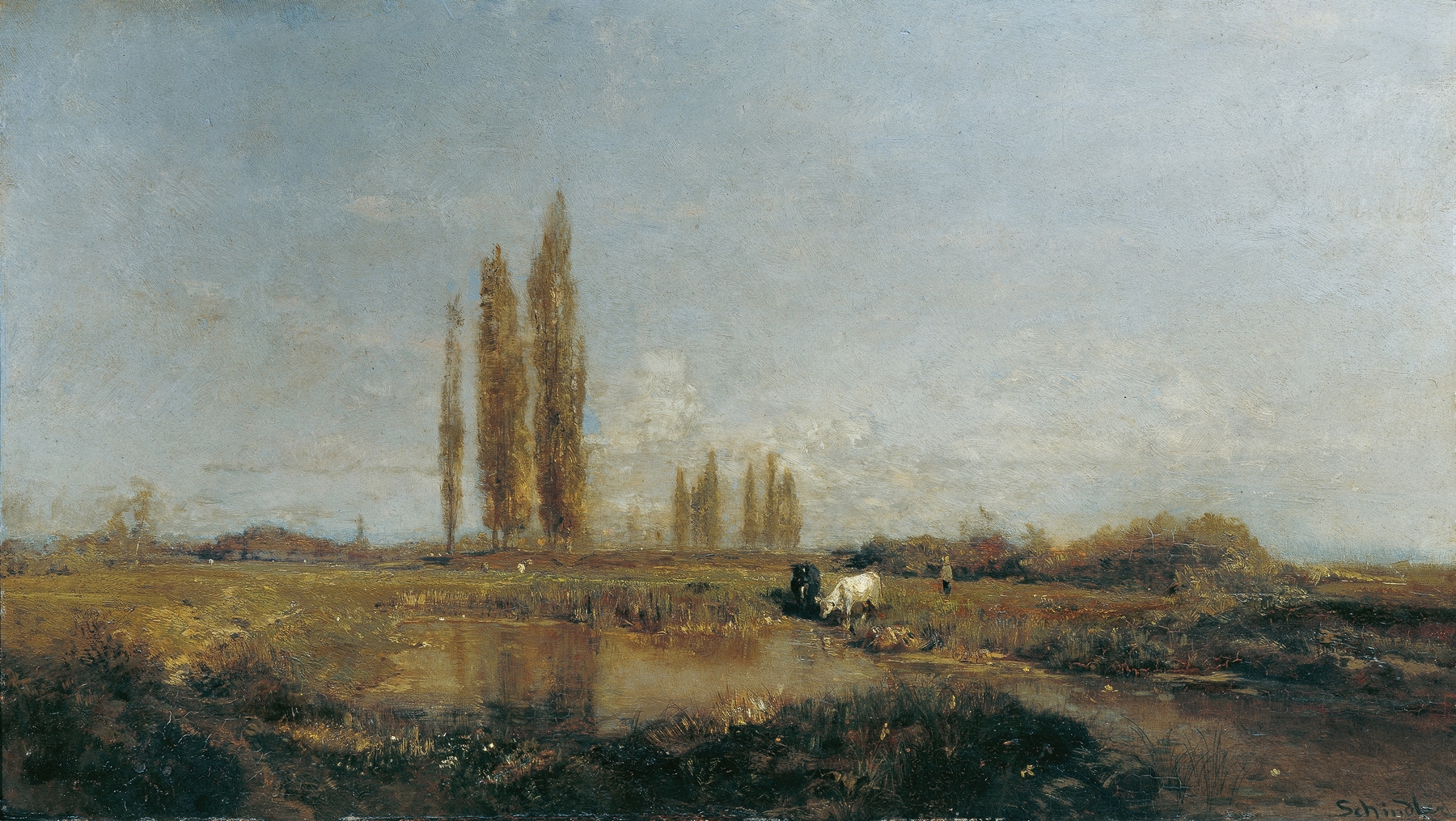
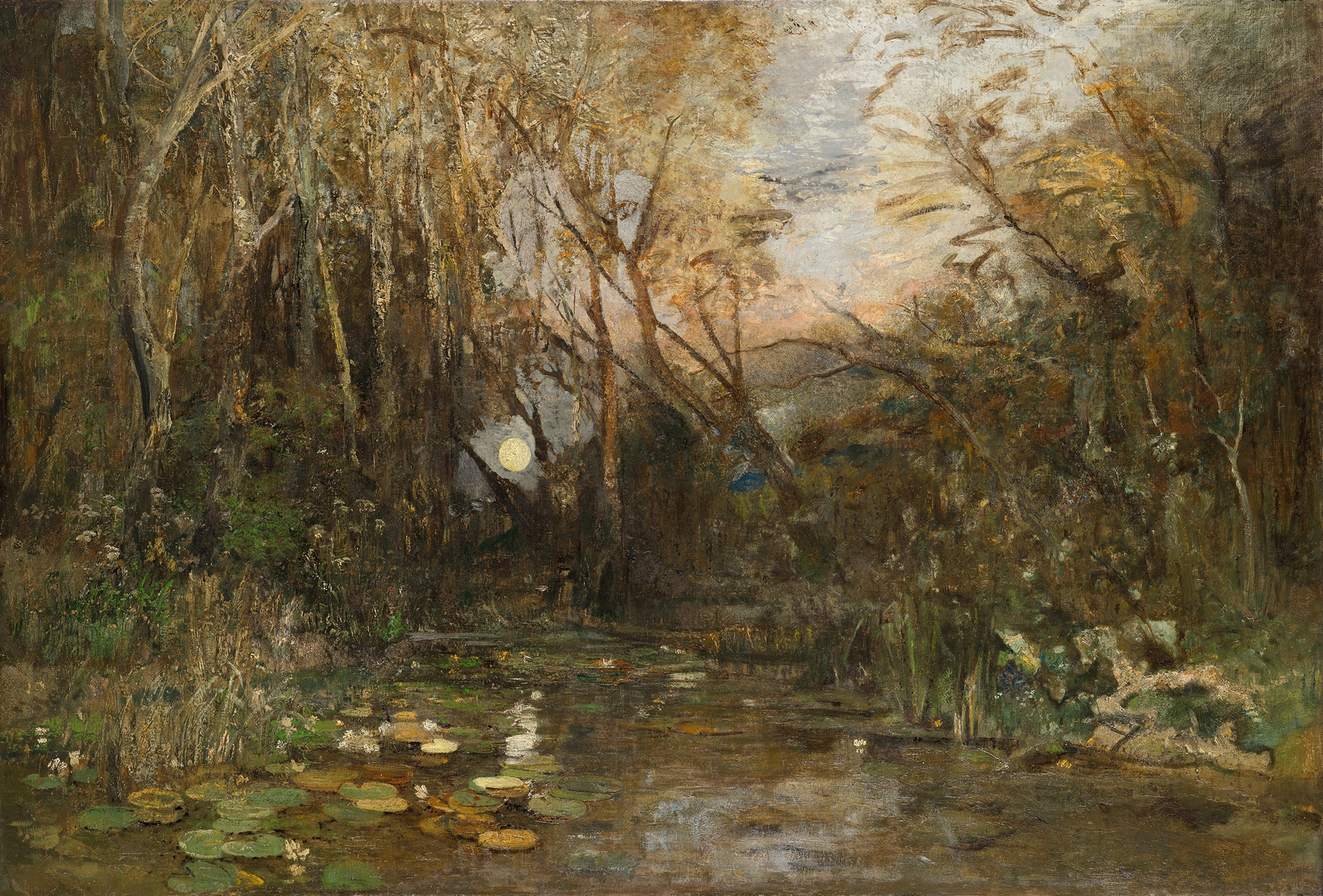
“Every silence here is a confession.” In this stillness, time appears suspended, whispering secrets of a world long past yet intimately familiar. Look to the left at the gentle curve of the riverbank, where the soft color palette of greens and browns conjures the essence of nature’s quiet embrace. Notice how the light dances upon the water's surface, a fleeting moment captured as it reflects the delicate sky above. The meticulous brushstrokes breathe life into every detail, from the textured foliage to the subtle ripples, drawing you into the painting's serene ambiance.
Beneath the surface tranquility lies a poignant contrast between the vitality of nature and the stillness of human intrusion. The mill structure, though rustic, signifies human persistence amidst the relentless passage of time—a reminder of how progress can coexist with the natural world. The painting evokes nostalgia, inviting contemplation on how fleeting moments intertwine with enduring landscapes, a dialogue between the ephemeral and the everlasting.
Emil Jakob Schindler painted this work between 1889 and 1891 while living in Vienna, a city at the cusp of sweeping changes in the art world and society. The realists and impressionists were challenging traditional norms, and Schindler, influenced by these movements, sought to capture the serene beauty of his surroundings. As he painted, Europe was grappling with rapid industrialization, making his focus on tranquil rural scenes a striking counterpoint to the encroaching modernity of his time.