
Mother and Child in the Conservatory — History & Facts
When Mother and Child in the Conservatory was first exhibited in 1906, it was praised for its radical intimacy—a hallmark of Mary Cassatt’s late period. Cassatt, an American at the heart of the Impressionist movement in Paris, had spent decades exploring the theme of motherhood, but here she pushed further, capturing a private moment that feels almost overheard. Critics at the time remarked on the painting’s “frankness,” noting how Cassatt’s women were neither idealized nor sentimental, but real, modern individuals.
This work stands as one of the last major mother-and-child compositions Cassatt completed before her eyesight began to fail. Inside the sunlit conservatory, a young woman cradles her child on her lap, their faces close, their attention absorbed in each other. The mother’s gloved hand gently supports the child’s back, while the child’s small fingers clutch at a ruffled dress, a detail rendered with Cassatt’s characteristic precision. The filtered light, softened by glass and greenery, bathes the pair in a gentle glow, emphasizing the enclosure of their shared world.
Unlike Renoir’s more decorative mother-and-child scenes, Cassatt’s focus is psychological: the conservatory’s glass walls both shelter and separate, suggesting the boundaries of maternal care. Every brushstroke, from the mother’s crisp white dress to the lush plants beyond, serves to heighten the sense of quiet connection. The exact provenance of Mother and Child in the Conservatory is not fully documented; it likely remained in private hands for decades, as was common with Cassatt’s late works. What is certain is that by the early twentieth century, Cassatt’s reputation as the leading painter of modern women had been firmly established, and her mother-and-child scenes were sought after by collectors in Europe and America.
Today, this painting is celebrated as a culmination of Cassatt’s lifelong dedication to depicting women’s inner lives, and is held in a major public collection, where it continues to invite viewers into its sunlit, enclosed world. Its delicate handling and psychological insight mark it as a defining work of Cassatt’s mature style.
More Artworks by Mary Cassatt

The Child's Bath
Mary Cassatt
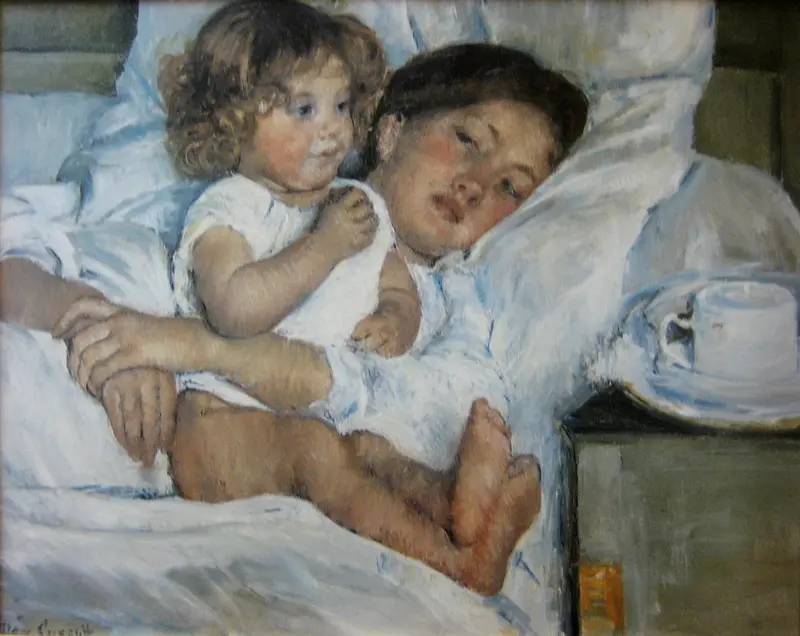
Breakfast in Bed
Mary Cassatt

Mother and Child (Baby Getting Up from His Nap)
Mary Cassatt
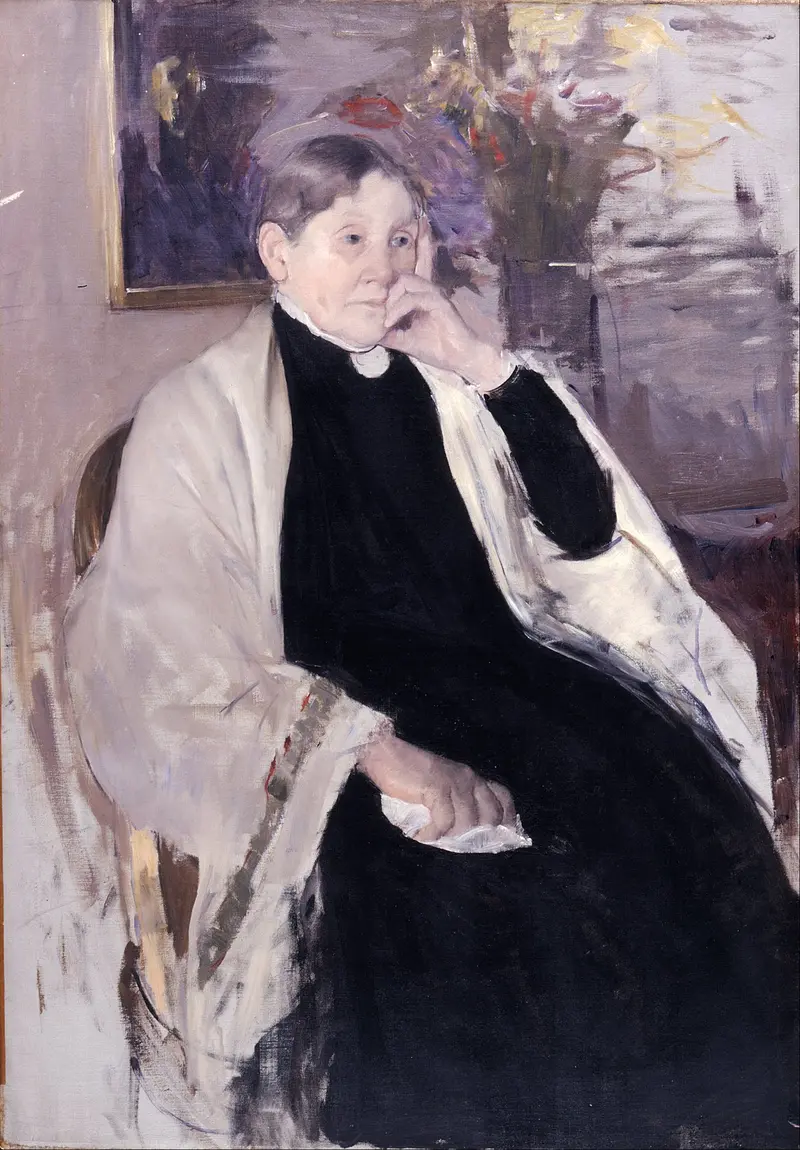
Mrs. Robert S. Cassatt, the Artist's Mother
Mary Cassatt
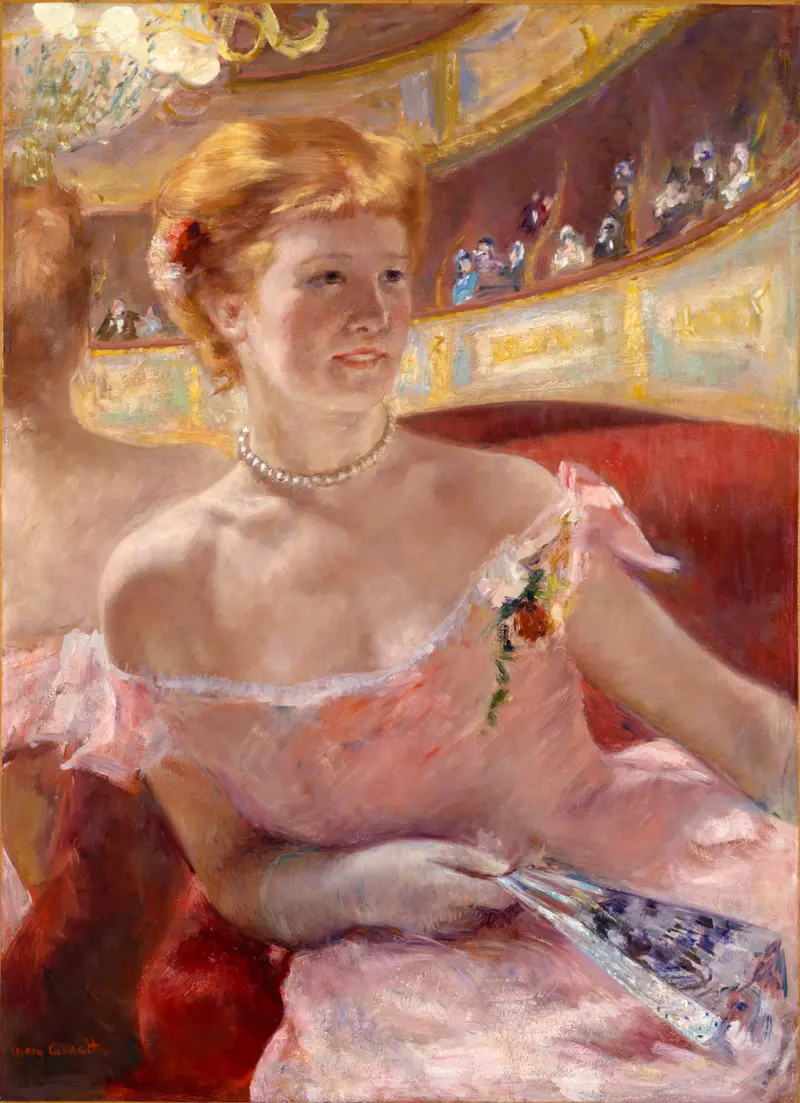
Woman with a Pearl Necklace in a Loge
Mary Cassatt
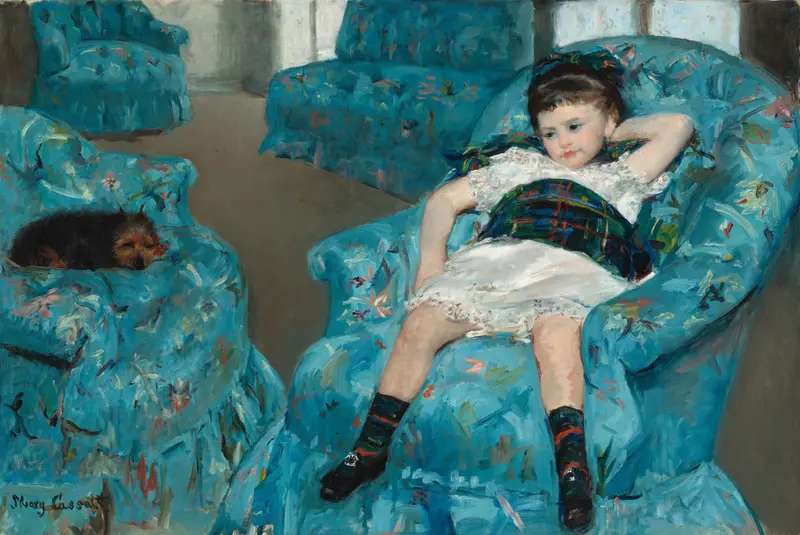
Little Girl in a Blue Armchair
Mary Cassatt
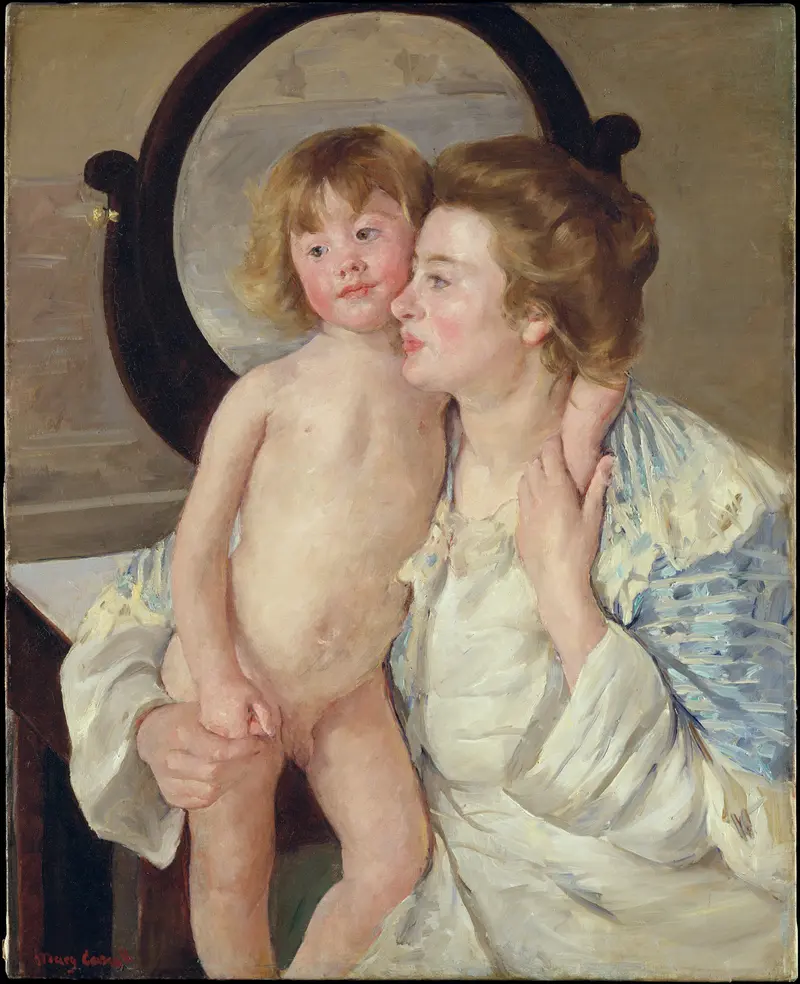
Mother and Child (The Oval Mirror)
Mary Cassatt
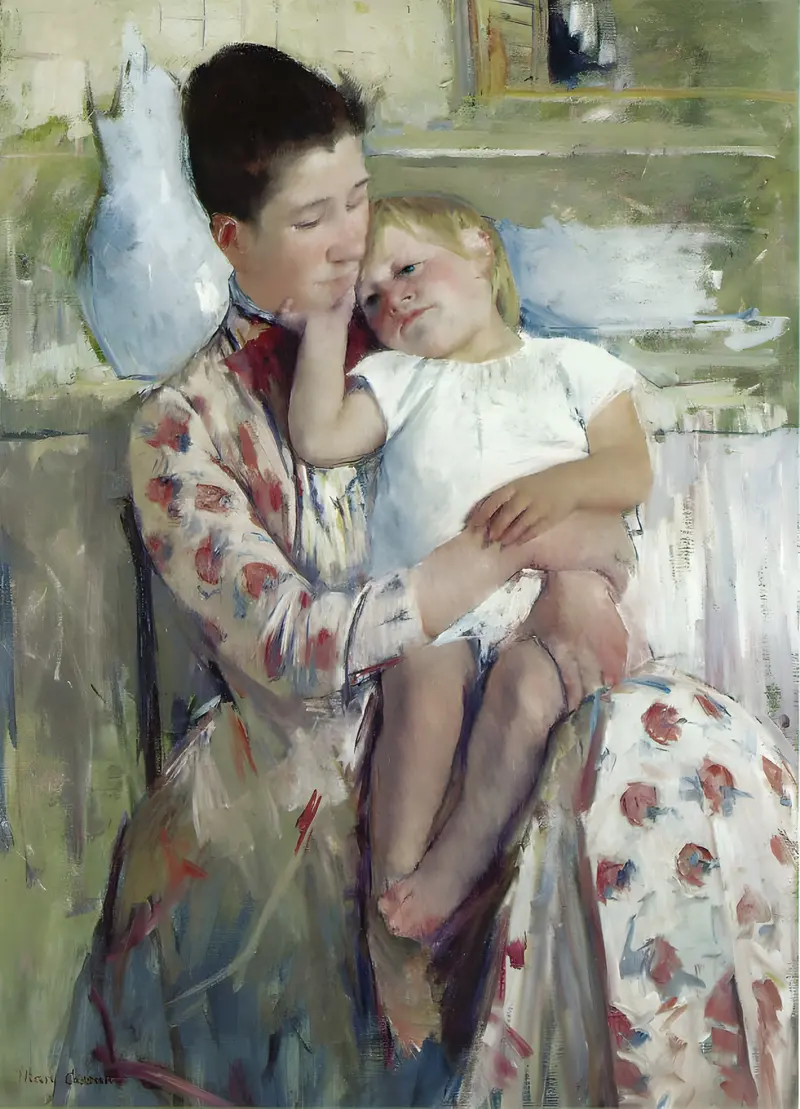
Mother and Child
Mary Cassatt
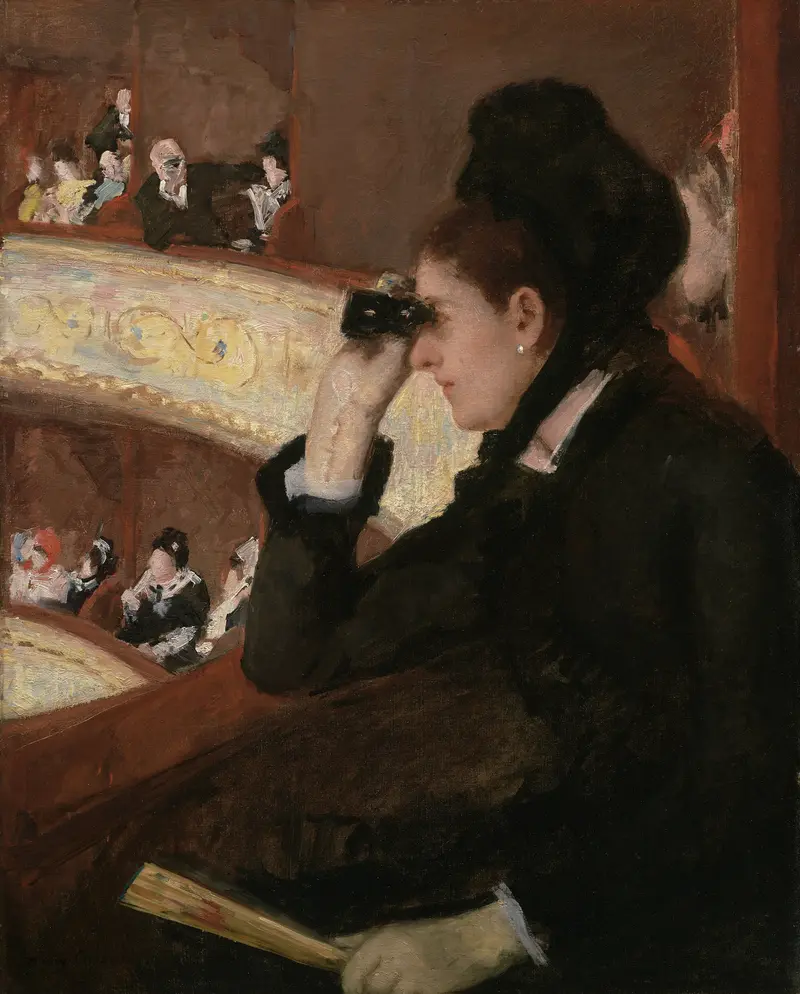
In The Loge
Mary Cassatt
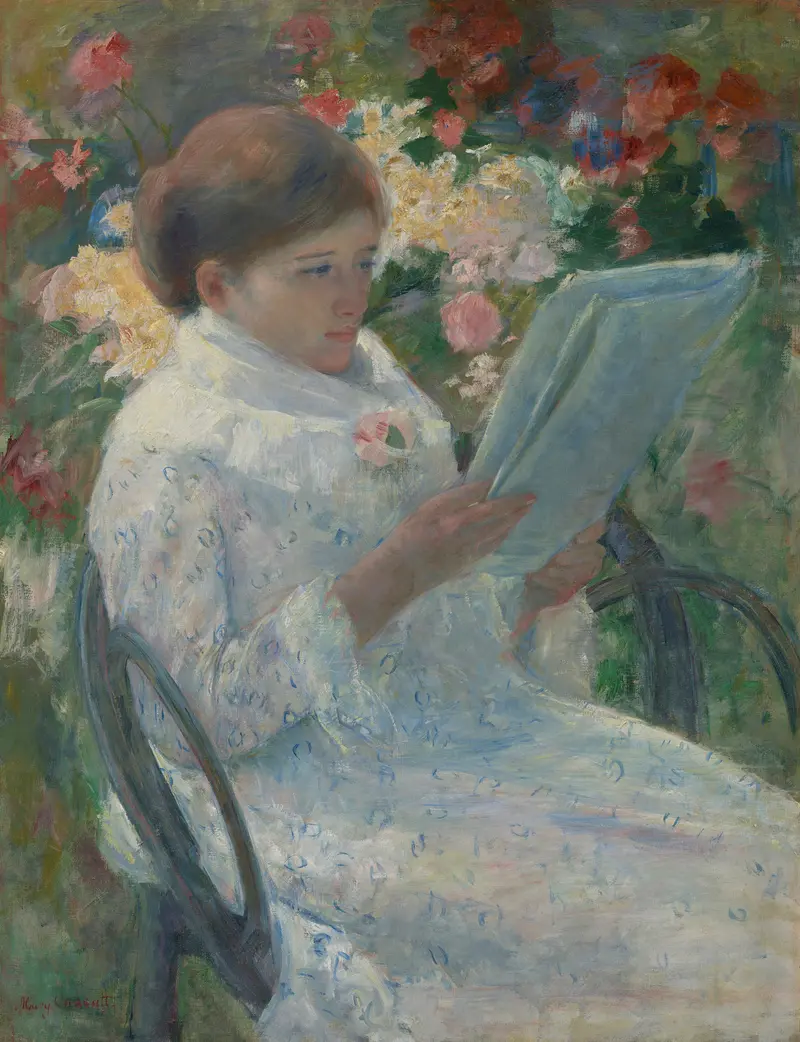
On a Balcony
Mary Cassatt
More Genre Scene Art

Banquet of the Officers of the St George Civic Guard
Frans Hals

Rembrandt and Saskia in the Scene of the Prodigal Son
Rembrandt van Rijn

Bal du moulin de la Galette
Pierre-Auguste Renoir

Quadrille at the Moulin Rouge
Henri de Toulouse-Lautrec

A Burial at Ornans
Gustave Courbet

When Will You Marry?
Paul Gauguin