
Musée Ingres-Bourdelle - Roger délivrant Angélique, Jean-Auguste-Dominique Ingres — History & Facts
When Jean Auguste Dominique Ingres unveiled Roger délivrant Angélique in 1841, the Parisian public immediately recognized the scene from Orlando Furioso, but it was the artist’s own obsession with the subject that drew attention. Ingres had first tackled Angélique’s rescue nearly thirty years earlier, producing a version for the French state in 1819, and would return to it again and again, each time refining his vision. The 1841 painting, now in the Musée Ingres-Bourdelle, stands as his most mature meditation on the theme—a testament to his lifelong fascination with chivalric romance and the female form. At the heart of the painting is the dramatic moment when the knight Roger, astride his winged steed, descends to save the nude Angélique, who is chained to a rock as a sea monster approaches.
Ingres freezes the instant of rescue: Roger’s armor gleams, his sword raised in defiance, while Angélique’s body, rendered with the artist’s signature precision, twists in fear and hope. The heavy chain binding her is not just a physical restraint but a symbol of vulnerability and the threat of violence. The turbulent sea and looming monster heighten the sense of peril.
Unlike Eugène Delacroix, whose own Roger délivrant Angélique (1841) brims with wild color and movement, Ingres’s version is marked by cool clarity and sculptural calm, emphasizing ideal beauty over raw emotion. The painting’s journey mirrors Ingres’s own career, rooted in the academic tradition yet always pushing its limits. Commissioned for the Musée du Luxembourg, the work was later transferred to the artist’s hometown of Montauban, where it now forms a highlight of the Musée Ingres-Bourdelle. Over the decades, it has been admired for its technical refinement and criticized for its detachment, sparking debate about Ingres’s place between Neoclassicism and the rising tide of Romanticism.
Today, it stands not only as a pinnacle of Ingres’s mythological subjects but also as a window into the shifting artistic values of nineteenth-century France.
More Artworks by Jean Auguste Dominique Ingres
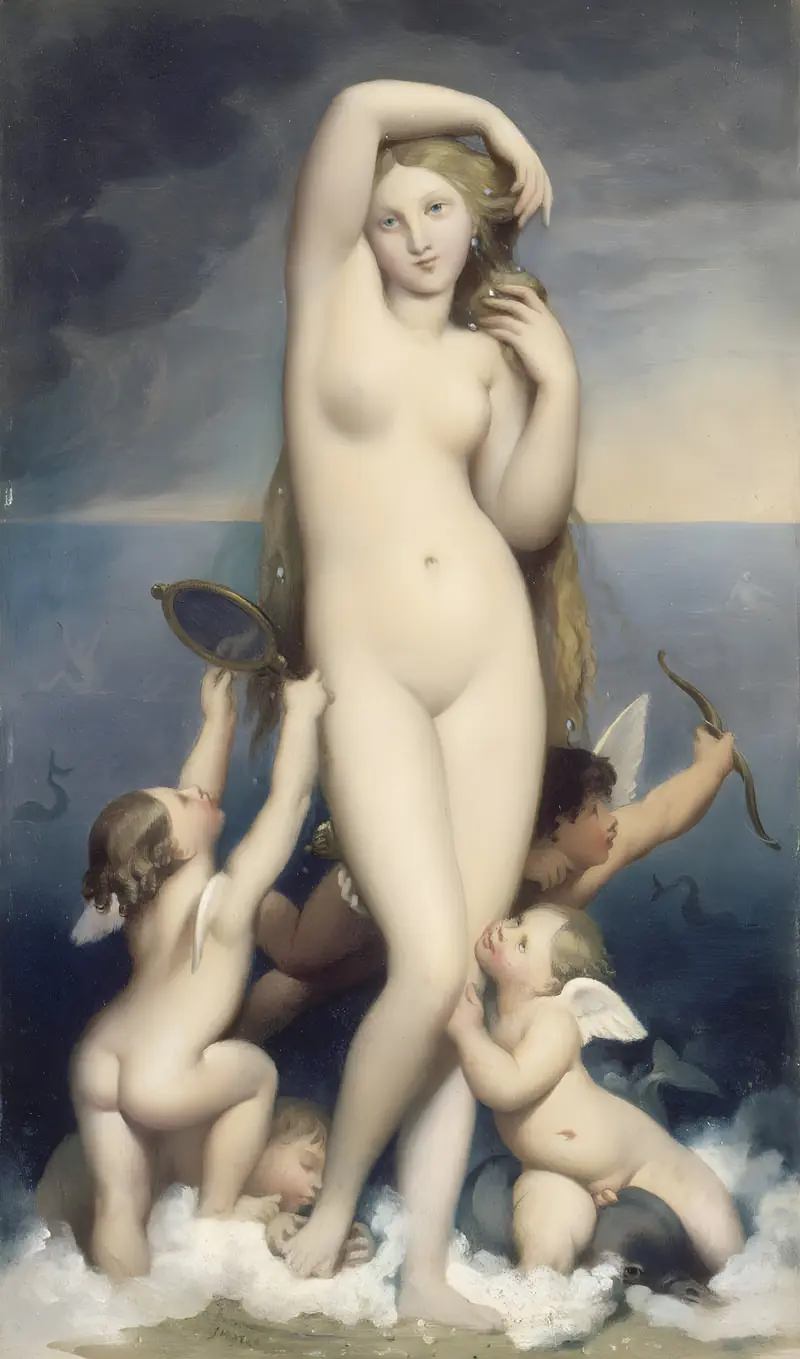
Vénus anadyomène
Jean Auguste Dominique Ingres
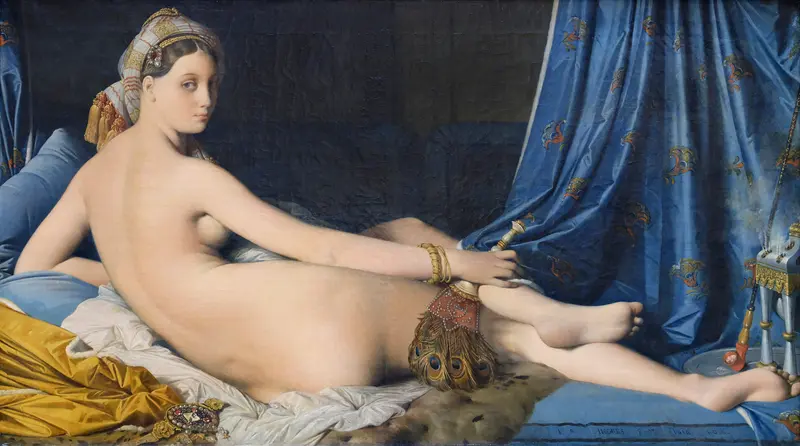
Grande Odalisque
Jean Auguste Dominique Ingres
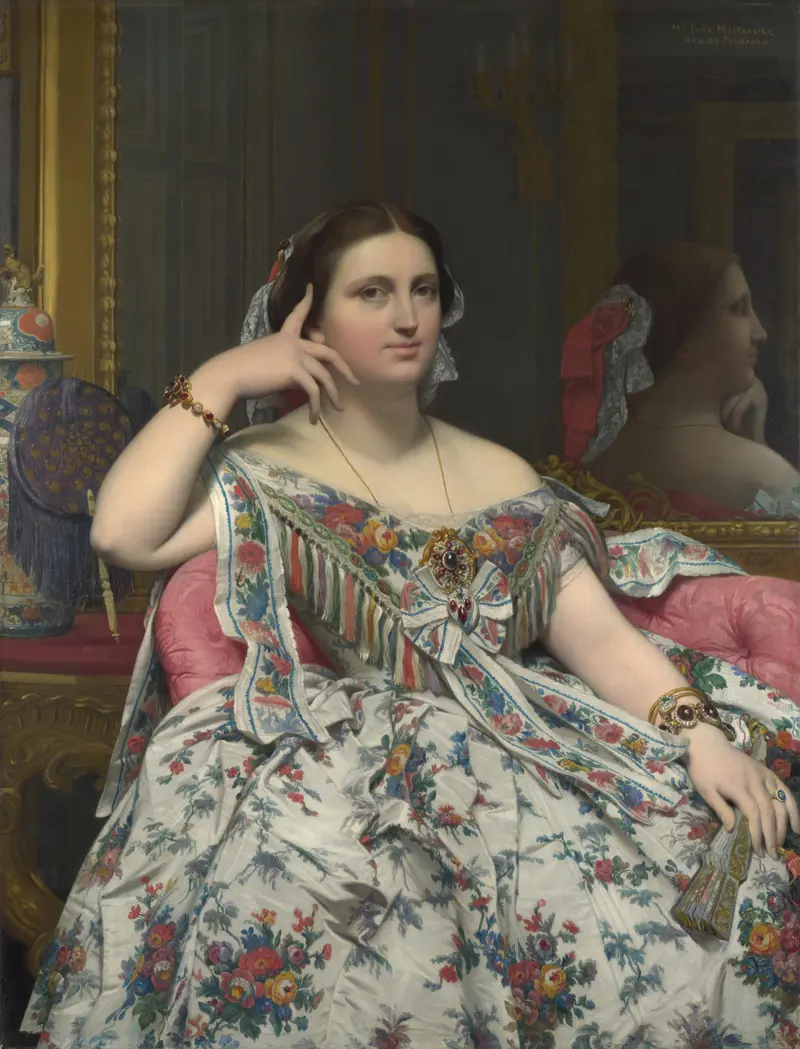
Madame Moitessier (seated)
Jean Auguste Dominique Ingres
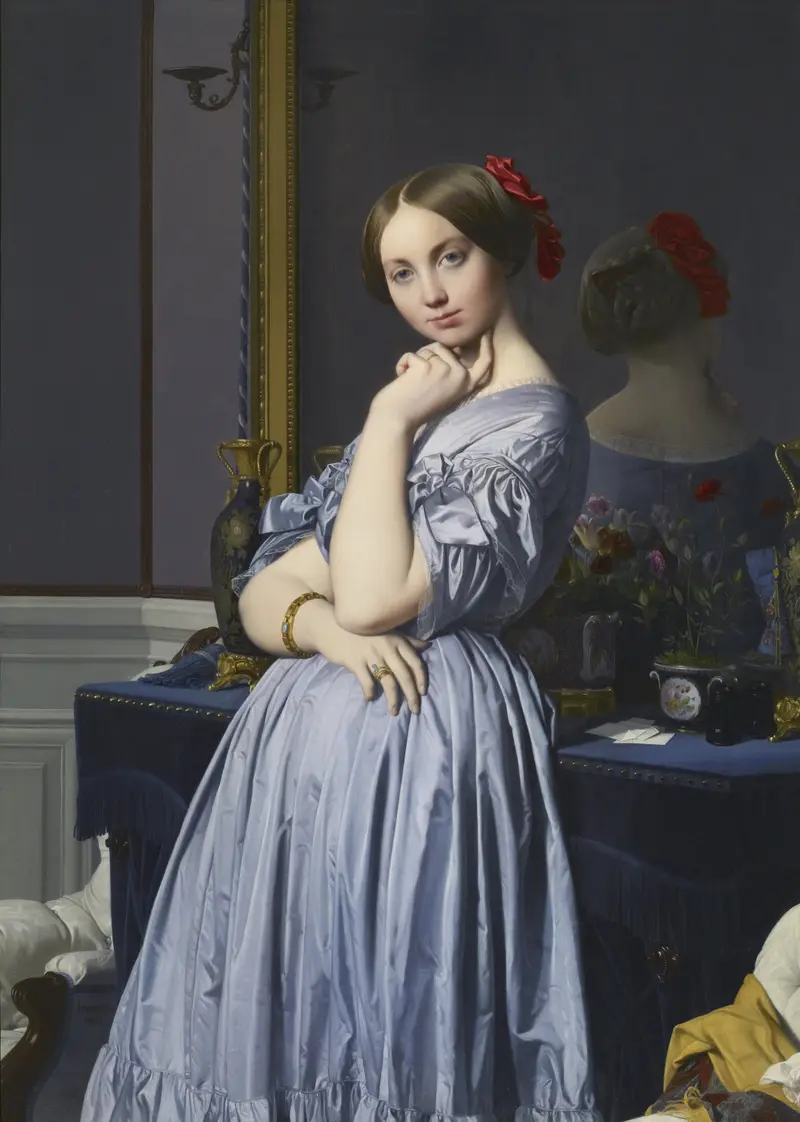
Portrait of Comtesse d’Haussonville
Jean Auguste Dominique Ingres
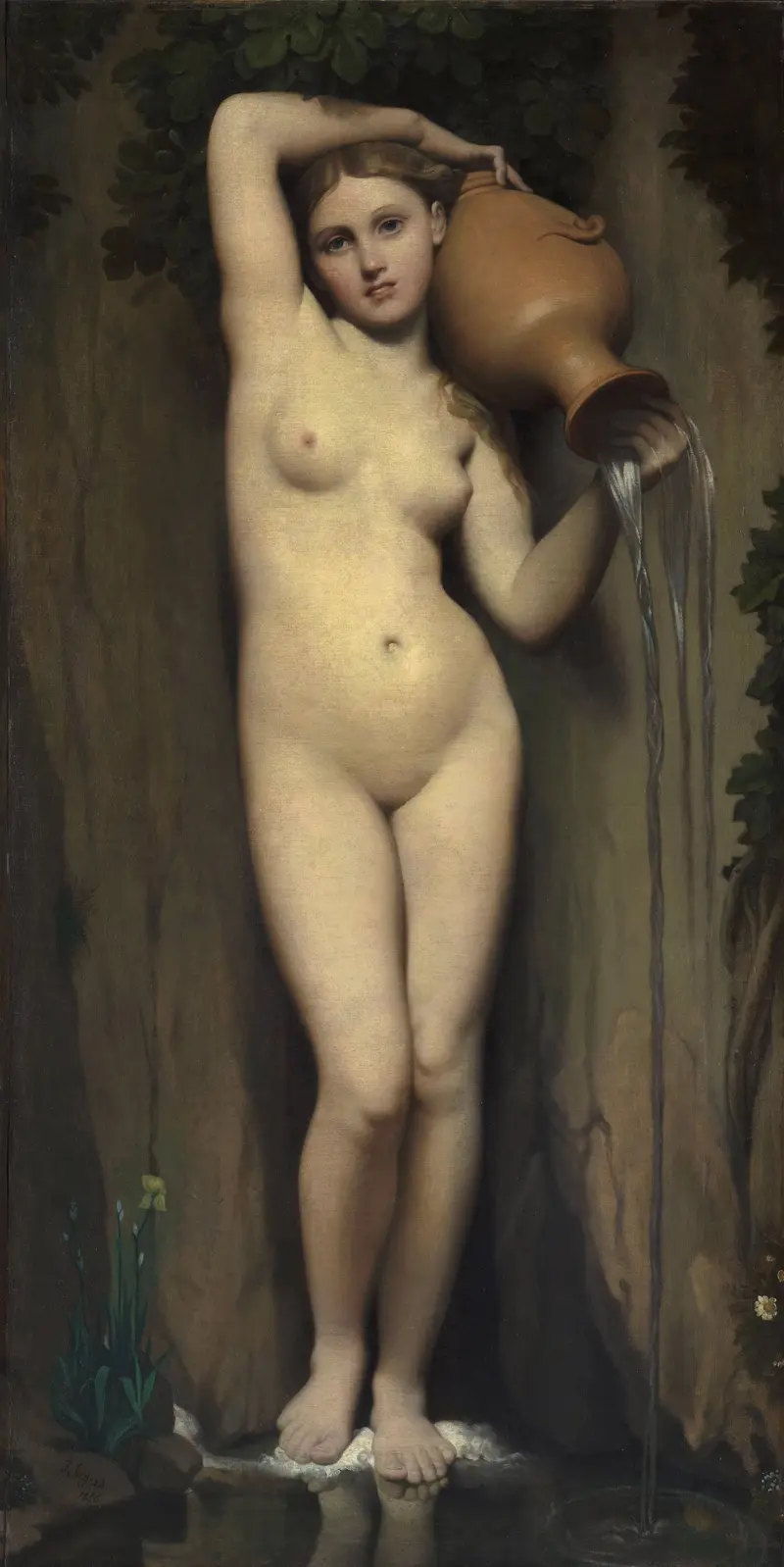
The Source
Jean Auguste Dominique Ingres
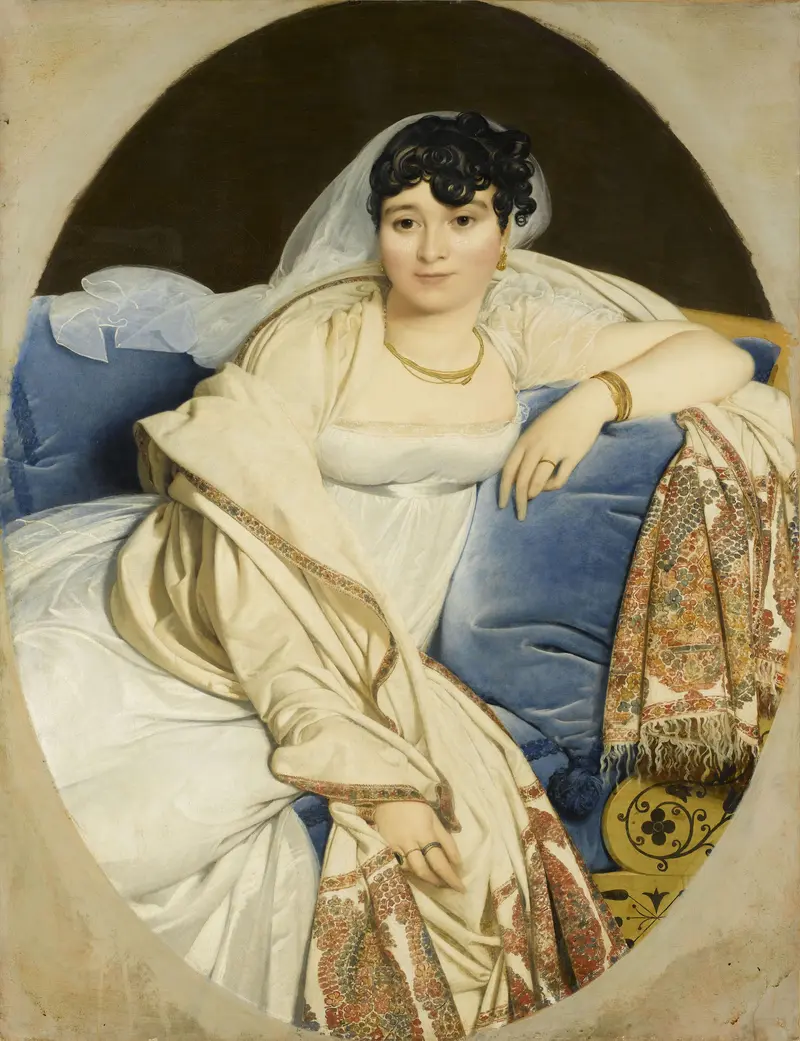
Madame Rivière
Jean Auguste Dominique Ingres

Madame Jean-Auguste-Dominique Ingres, née Madeleine Chapelle
Jean Auguste Dominique Ingres

Portrait of a Lady
Jean Auguste Dominique Ingres
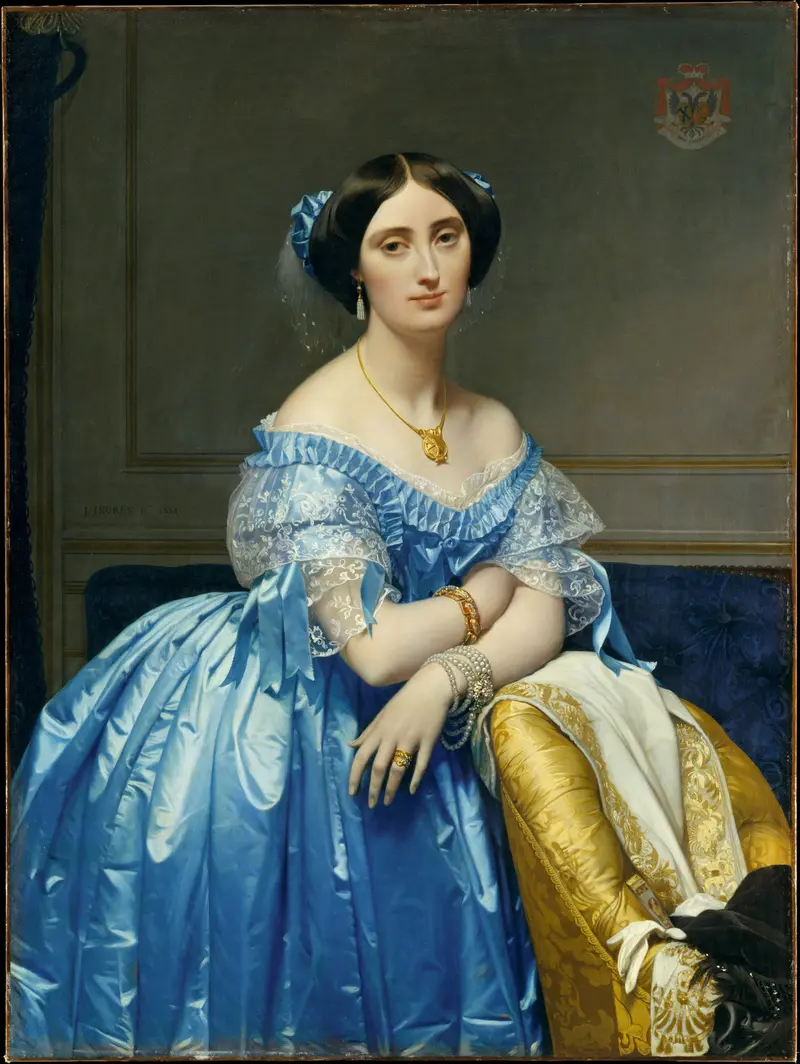
Joséphine-Éléonore-Marie-Pauline de Galard de Brassac de Béarn (1825–1860), Princesse de Broglie
Jean Auguste Dominique Ingres
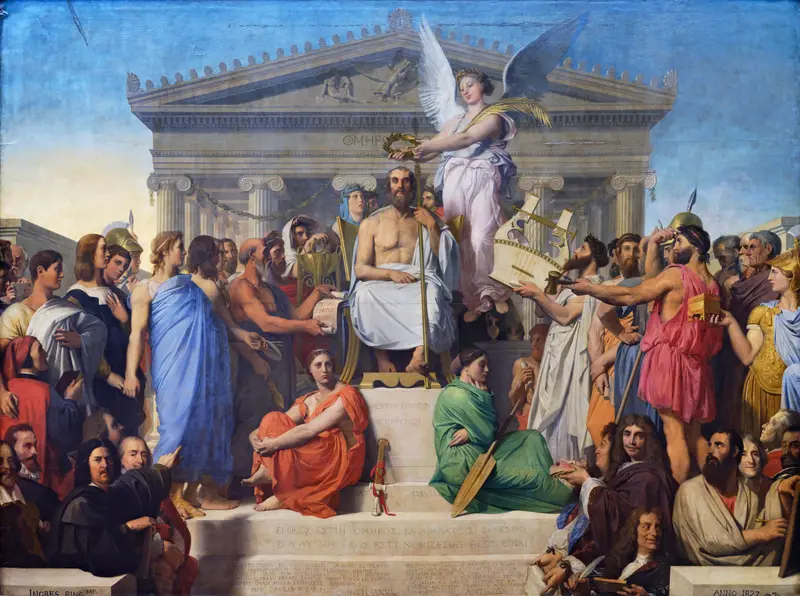
The Apotheosis of Homer
Jean Auguste Dominique Ingres





