
Nîmes,Beaux Arts181 — History & Facts
What draws the viewer in first is the languid pose of the reclining figure, half-draped in a rich ochre cloth that seems to glow against the cooler tones of the sky. The woman's relaxed arm, thrown behind her head, and the gentle turn of her face away from us, create a sense of private reverie. Light falls softly across her torso, guiding the eye along the curve of her body and into the folds of the fabric, which both conceals and reveals.
The clouds gathering above hint at a world beyond her dream, but she remains untouched, lost in a moment suspended between waking and sleep. Every detail, from the flush of her cheek to the careful placement of her hand, invites a closer look, as if the painting itself is pausing to breathe. Painted between circa 1725 and 1730, this work belongs to an era when French artists like Jean-François de Troy delighted in scenes of leisure and sensuality, often for private patrons seeking pleasure and escape within their own homes. The Rococo period brought a taste for intimate mythologies and playful nudes, where the boundaries between goddess and mortal, sleep and waking, were blurred in soft brushwork and glowing skin.
History has kept few traces of this particular painting’s journey, though it is now documented in a modern collection. What remains is the invitation to linger in this painted dusk, wondering what dreams the figure might be chasing just out of reach.
More Artworks by Jean-François de Troy
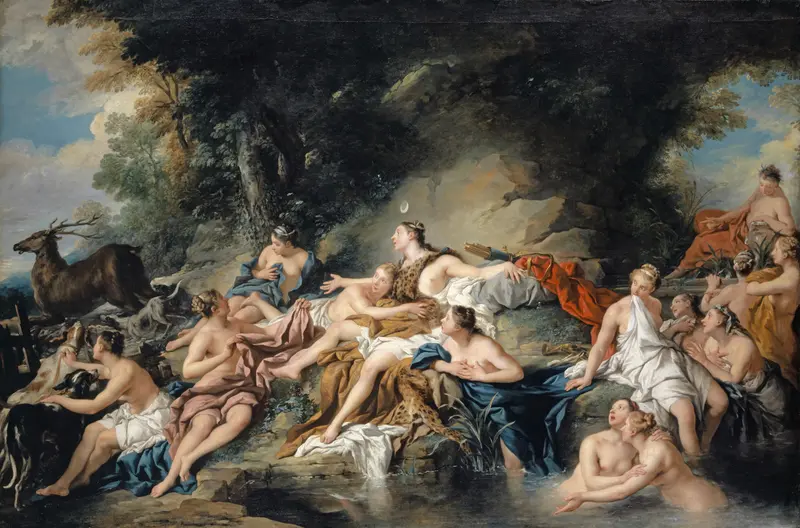
Diana and Actaeon
Jean-François de Troy
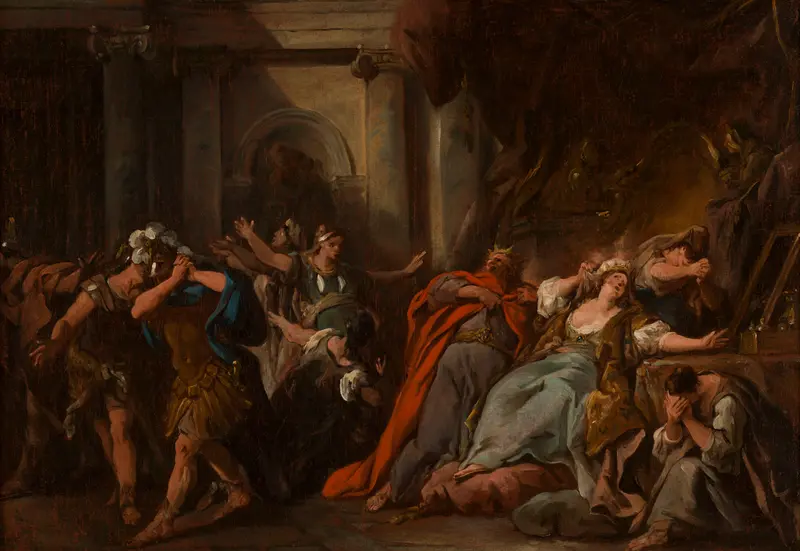
Créüse consumée par la robe empoisonnée
Jean-François de Troy
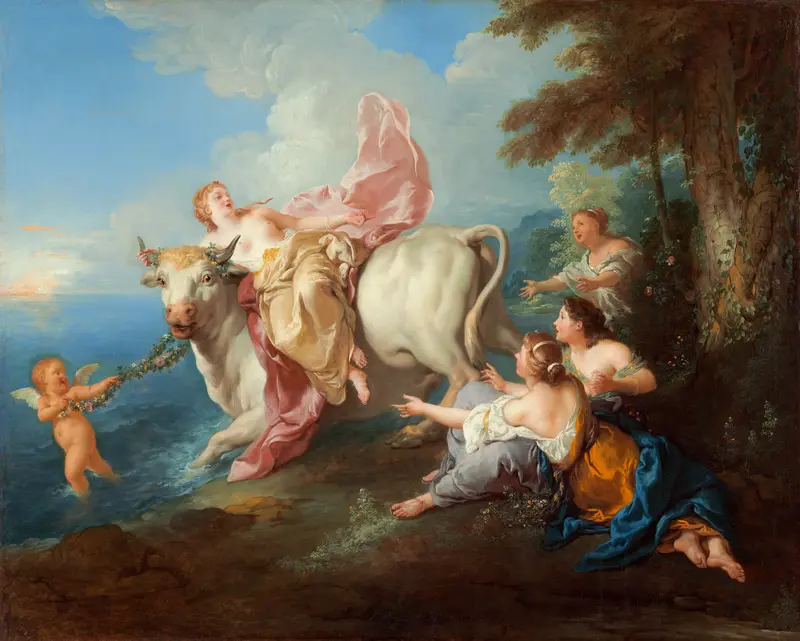
The Abduction of Europa
Jean-François de Troy
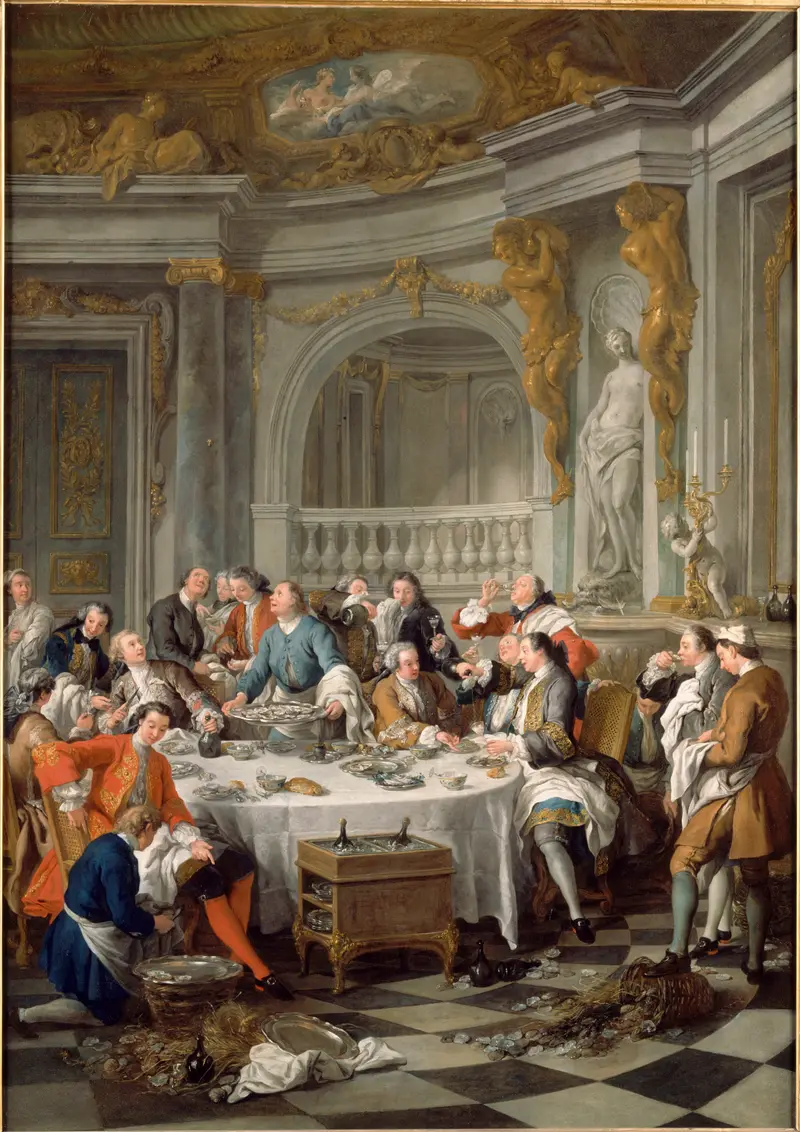
The Lunch of Oysters
Jean-François de Troy
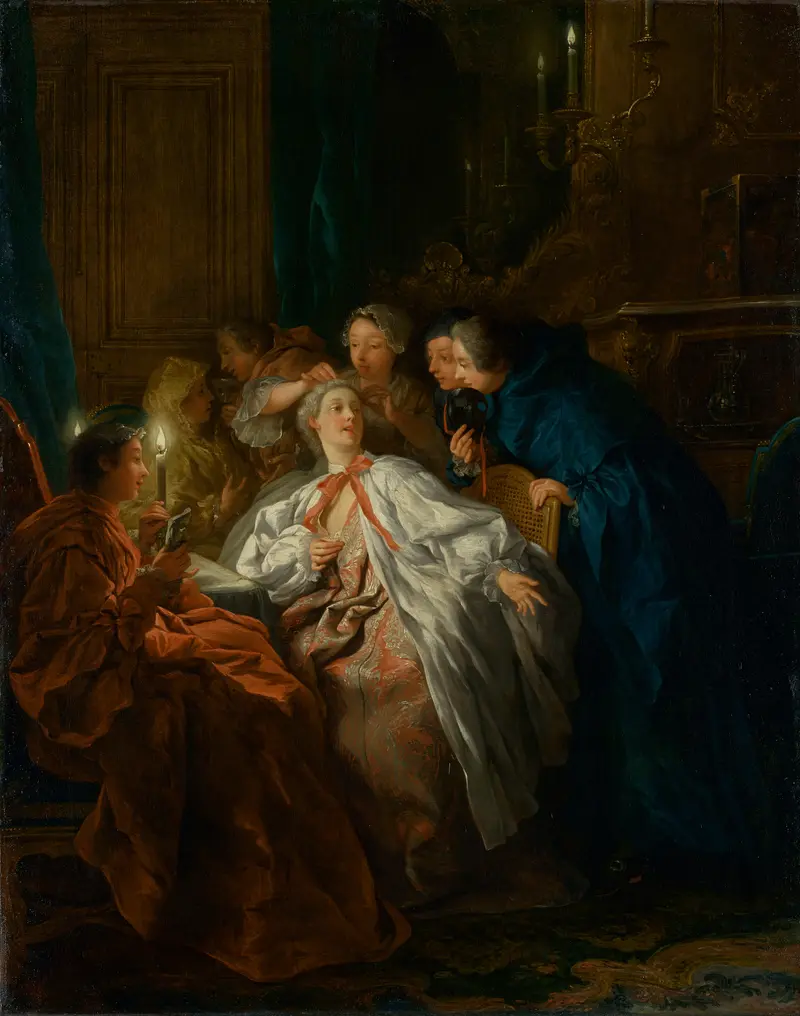
Before the Ball
Jean-François de Troy
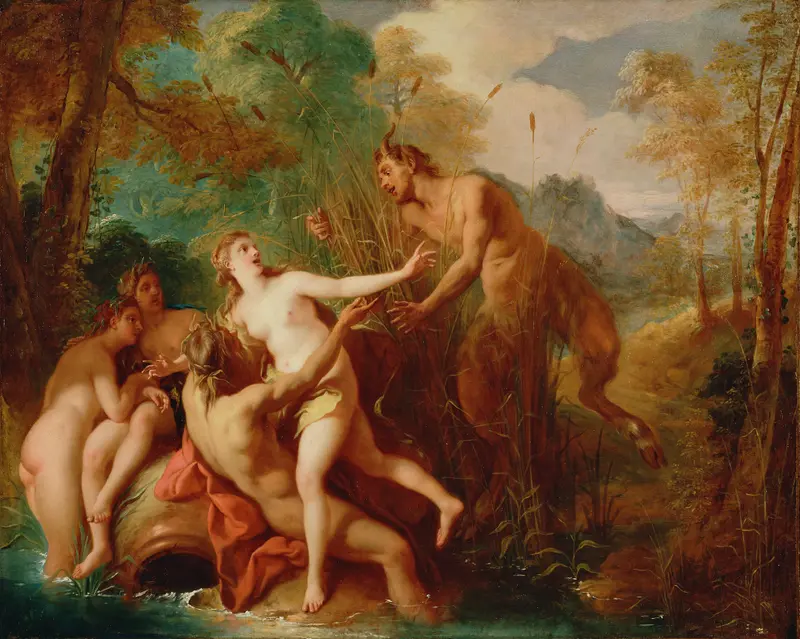
Pan and Syrinx
Jean-François de Troy

Le Combat des soldats nés des dents du serpent
Jean-François de Troy
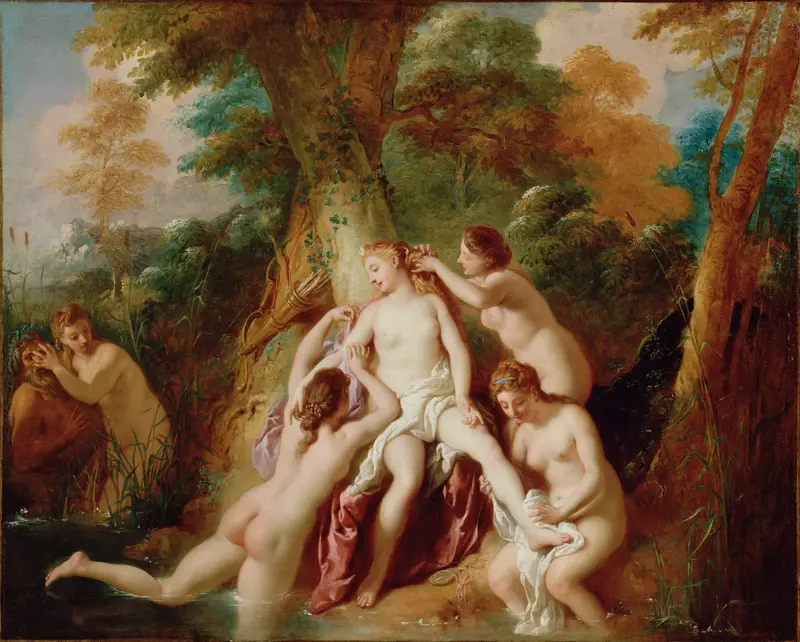
Diana and Her Nymphs Bathing
Jean-François de Troy
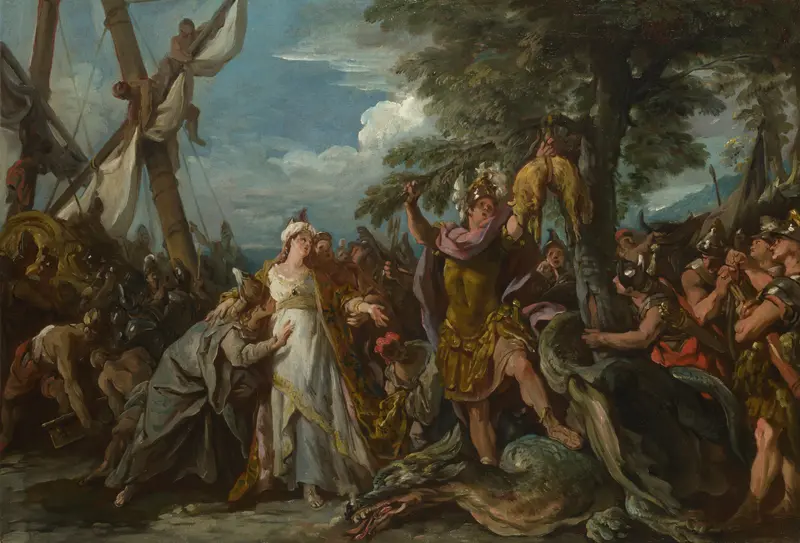
The Capture of the Golden Fleece
Jean-François de Troy

The Triumph of Mordecai
Jean-François de Troy



