
Pandora — History & Facts
What draws the viewer in first is the hush of anticipation: a young woman, wrapped in a deep blue gown, kneels alone in a shadowed forest, her pale skin catching the last light as she lifts the lid of an ornate golden chest. The painter leads the eye from the glimmering box—its surface alive with carved faces and sunbursts—up to the woman's intent profile, and then out into the cool, mysterious woods beyond. Wisps of smoke or spirit seem to drift from the chest, hinting at unseen forces now released.
The entire scene is staged on a rocky outcrop, with a stream tumbling quietly in the background, heightening the sense of isolation and fateful discovery. Every detail—the woman's bare feet, the rich folds of her dress, the careful rendering of the chest—serves to focus attention on this charged, irreversible moment. Painted in 1896, this work belongs to the late nineteenth-century fascination with myth and allegory, a period when artists like John William Waterhouse found new resonance in ancient stories. Such paintings were often created for private collectors eager to surround themselves with images of beauty, mystery, and moral ambiguity.
The Art Renewal Center now holds this painting, but history has kept few traces of its early journey or patrons. Works like this one reflect both the anxieties and the aspirations of the Victorian era—an age captivated by the power of myth to illuminate the hidden corners of the human soul. Let your gaze linger on the rising mist and the uncertain future it suggests.
More Artworks by John William Waterhouse
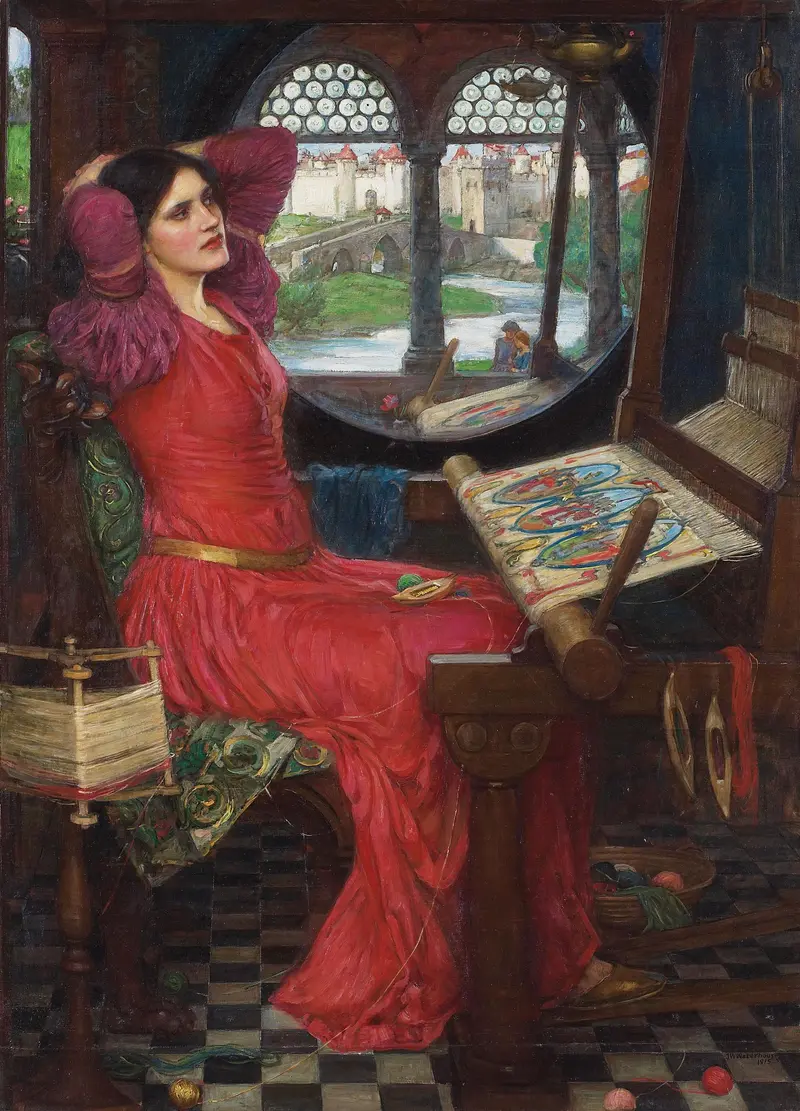
'I Am Half-Sick of Shadows,' Said the Lady of Shalott
John William Waterhouse

The Favourites of the Emperor Honorius, 1883
John William Waterhouse

The Lady of Shalott
John William Waterhouse
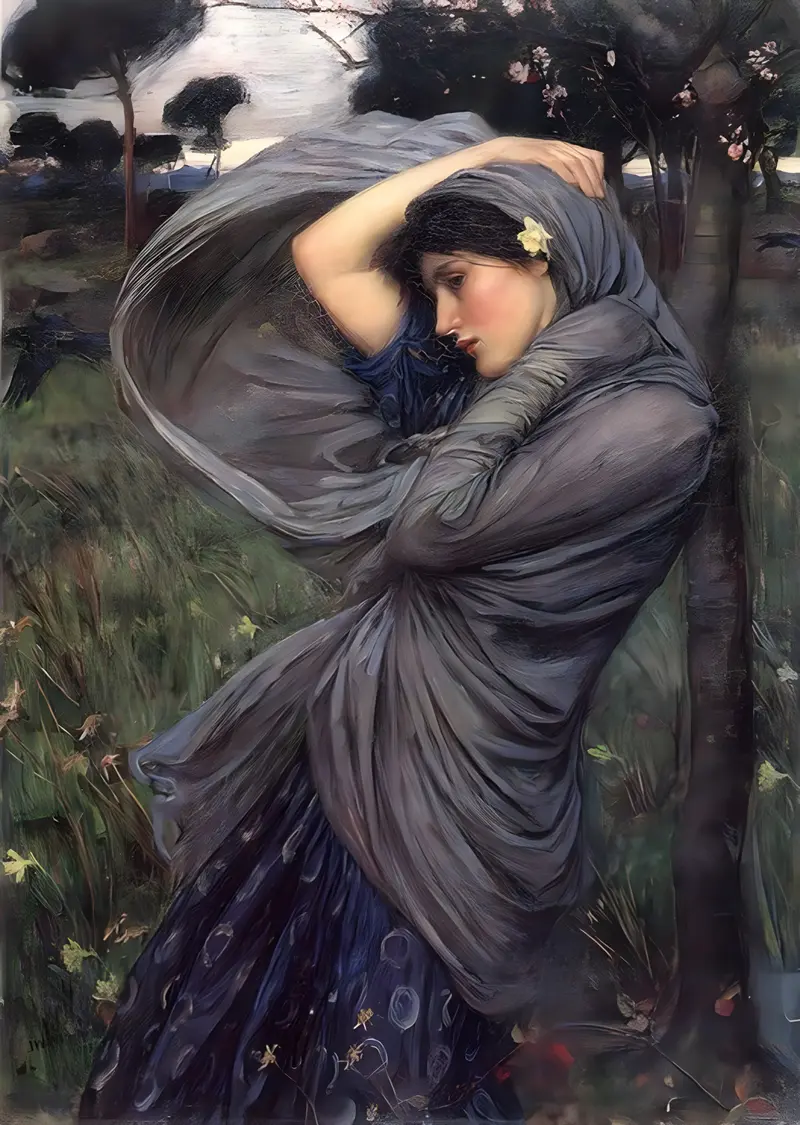
Boreas
John William Waterhouse
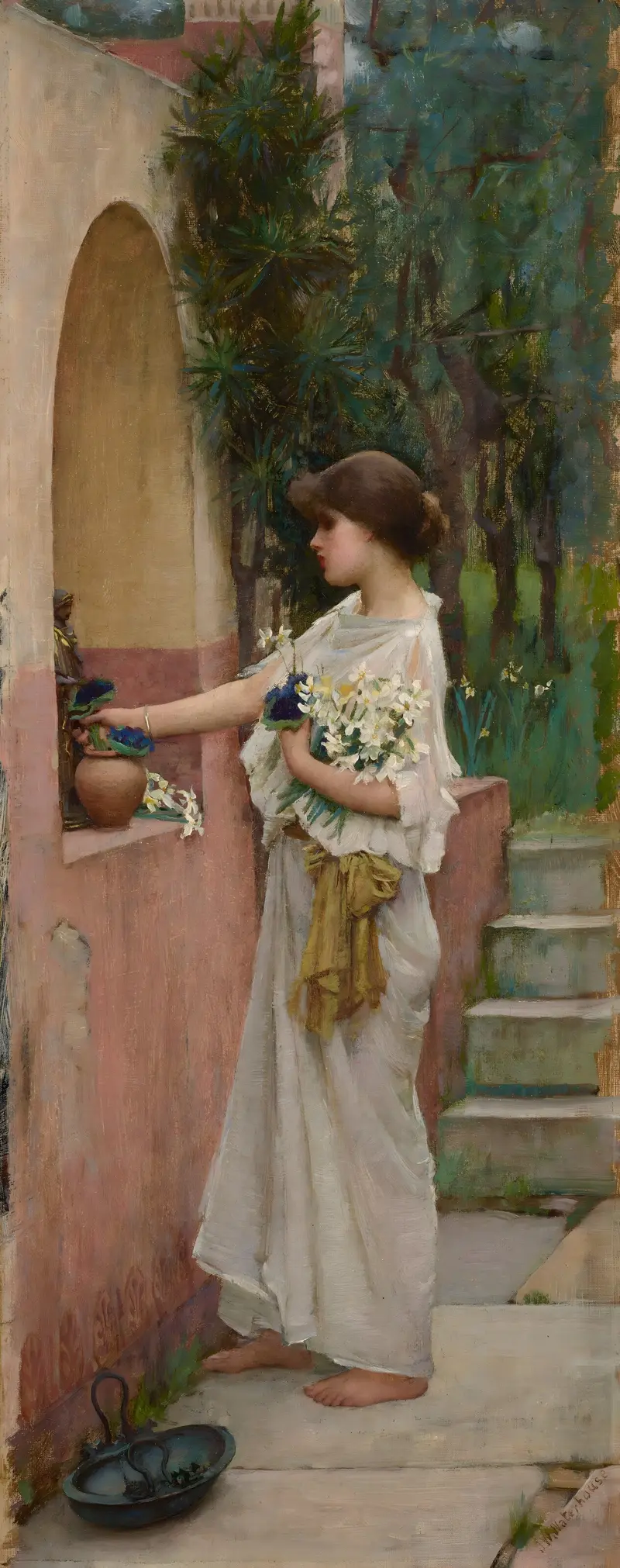
A Roman Offering
John William Waterhouse
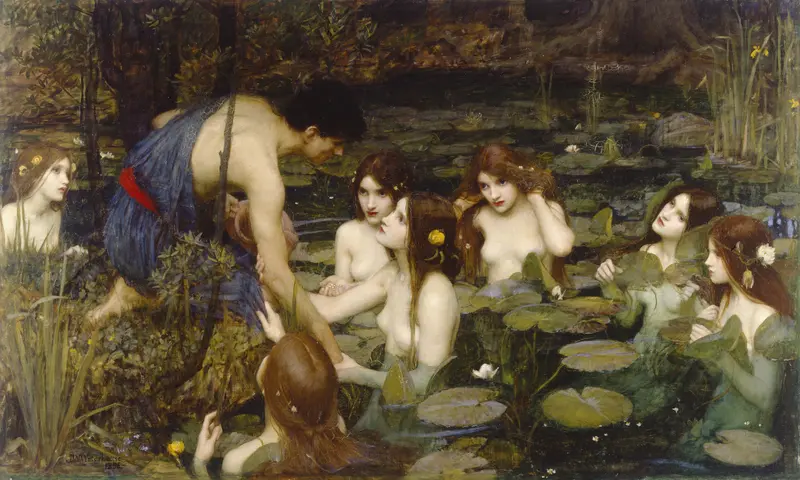
Hylas and the Nymphs
John William Waterhouse
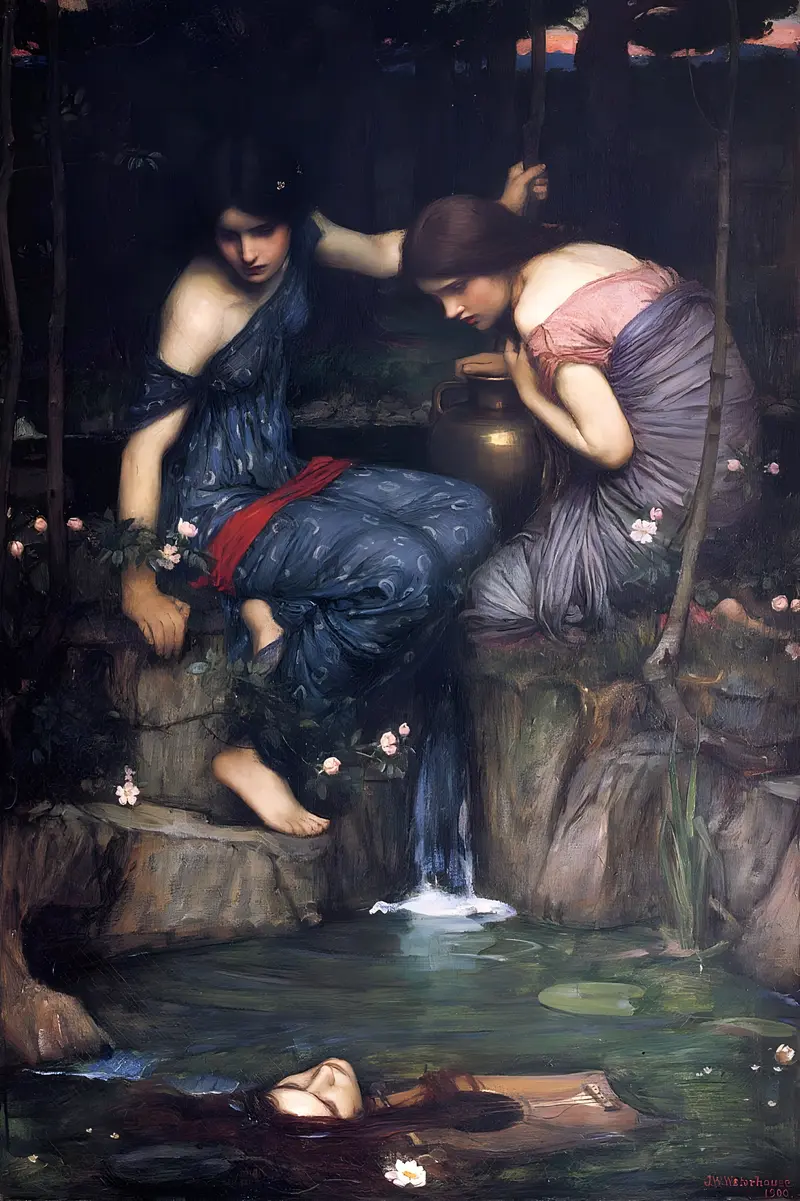
Nymphs Finding the Head of Orpheus
John William Waterhouse
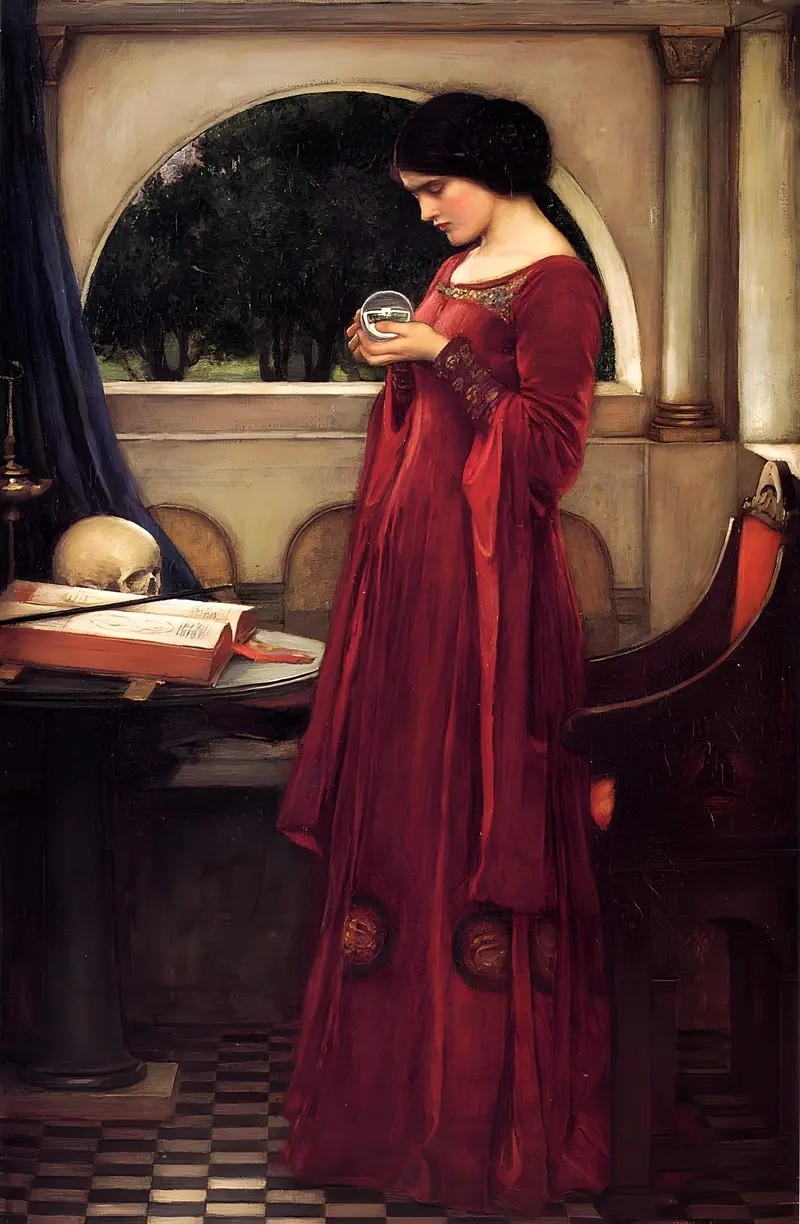
The Crystal Ball
John William Waterhouse
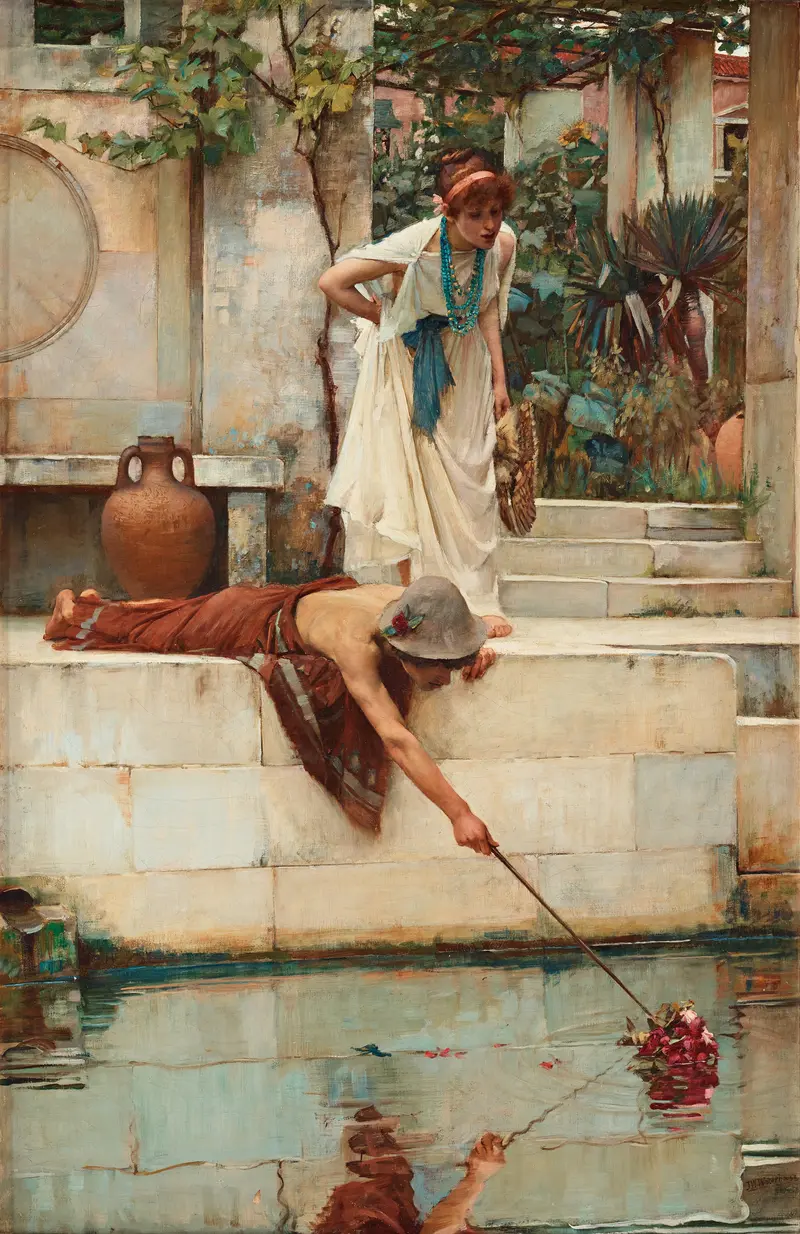
The Rescue
John William Waterhouse
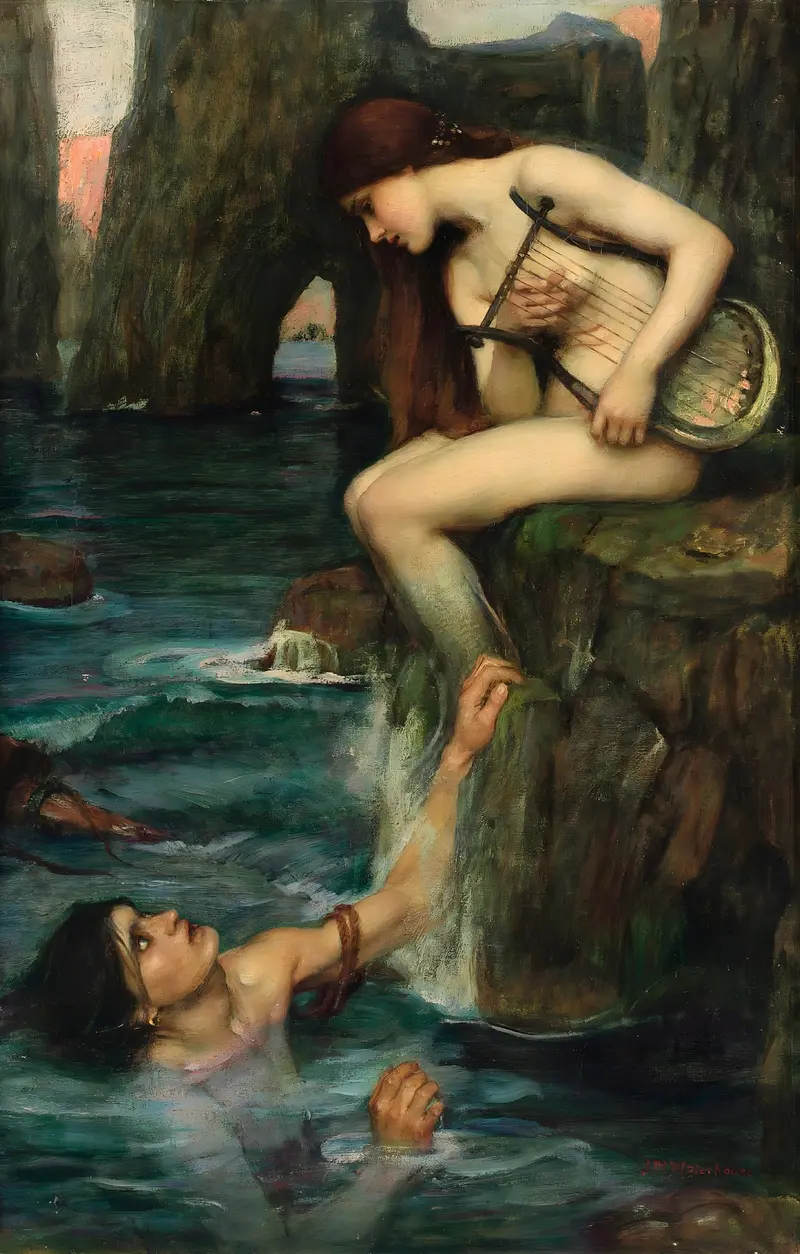
The Siren, 1900
John William Waterhouse





