
Peasant with Bicorne and Tankard — History & Facts
What draws the viewer in first is the sheer exuberance of the figure’s gesture: a peasant, his face flushed and animated, raises a hefty tankard as if to toast or taunt an unseen companion just beyond the frame. The enormous bicorne hat, comically outsized, nearly swallows his head and throws much of his face into shadow, but the painter’s quick, loaded brushwork picks out the glint of a smile and the ruddy tip of a nose—details that suggest both the warmth of drink and the rough humor of tavern life. The light, falling from the left, catches the rim of the mug and the man’s cheek, guiding the eye to the expressive tilt of his head and the lively play of his features.
Nothing here is polished or posed; the strokes are loose, the background almost unfinished, as if the artist cared only for the immediacy of the moment and the truth of the character. Painted in 1630, this work belongs to a world where scenes of everyday life—especially those of peasants and drinkers—were gaining new respect and popularity in the Low Countries. Artists like Adriaen Brouwer made their names by capturing the raw, unvarnished energy of common people, often for collectors who delighted in the wit and earthiness of such images. These pictures were not grand commissions for churches or courts, but small, intimate works destined for private enjoyment, prized for their humor and their insight into human nature.
Now in the Kunstmuseum Basel, Peasant with Bicorne and Tankard survives as a vivid fragment of that world, inviting us to lean in, laugh along, and wonder what stories were told over that mug.
More Artworks by Adriaen Brouwer

The Smokers
Adriaen Brouwer
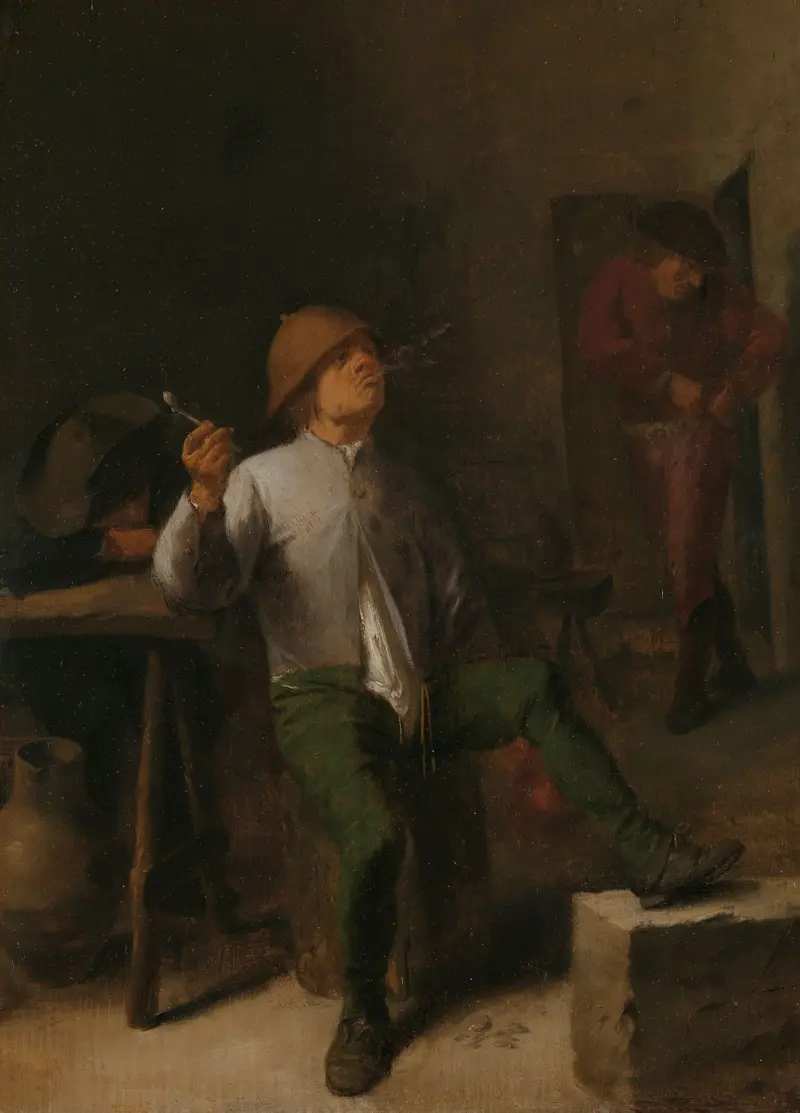
The Smoker
Adriaen Brouwer
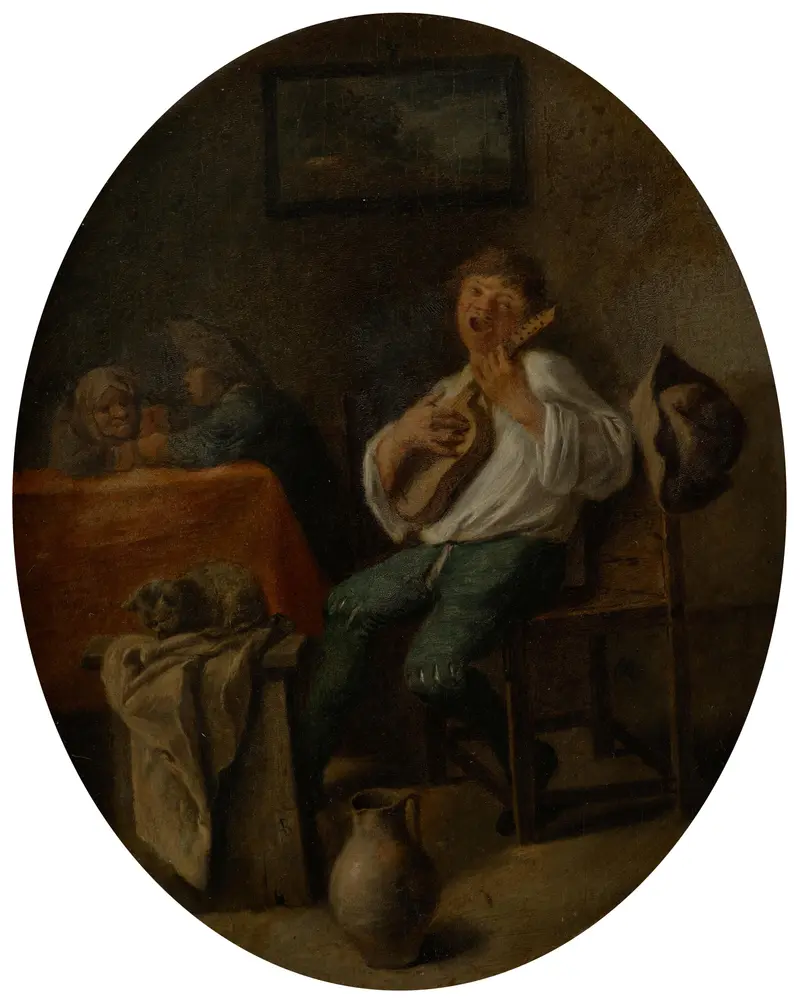
The Guitar Player
Adriaen Brouwer
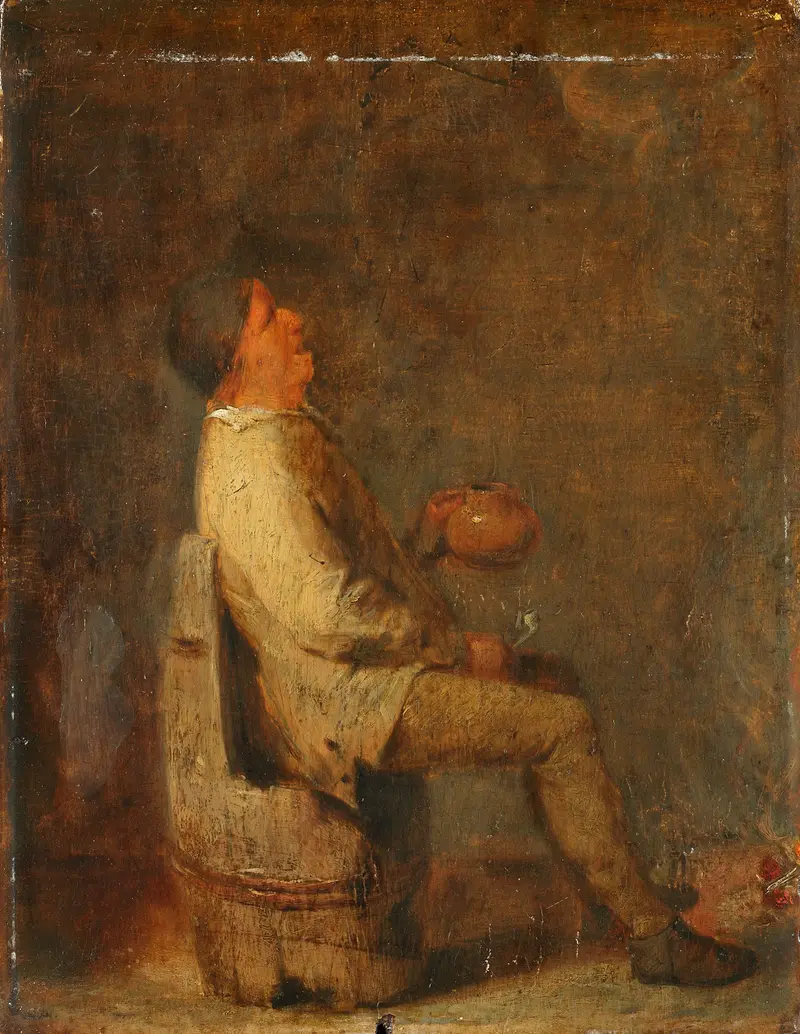
A Peasant Singing
Adriaen Brouwer
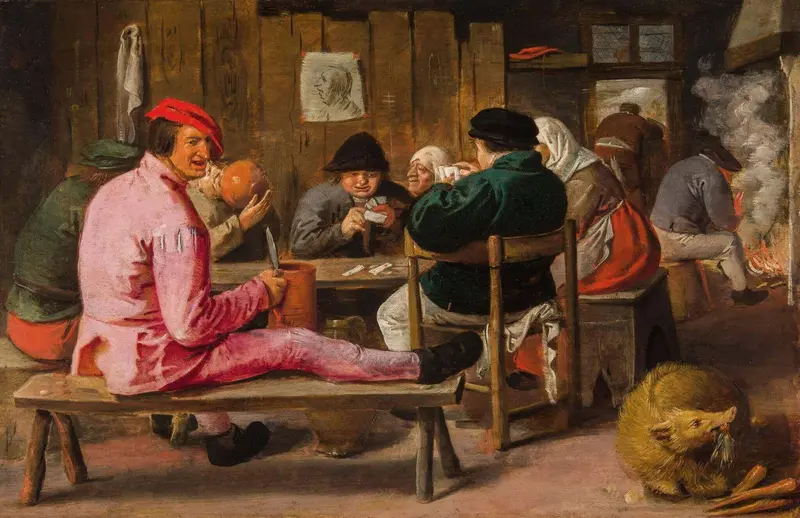
Merry Peasants in an Inn
Adriaen Brouwer
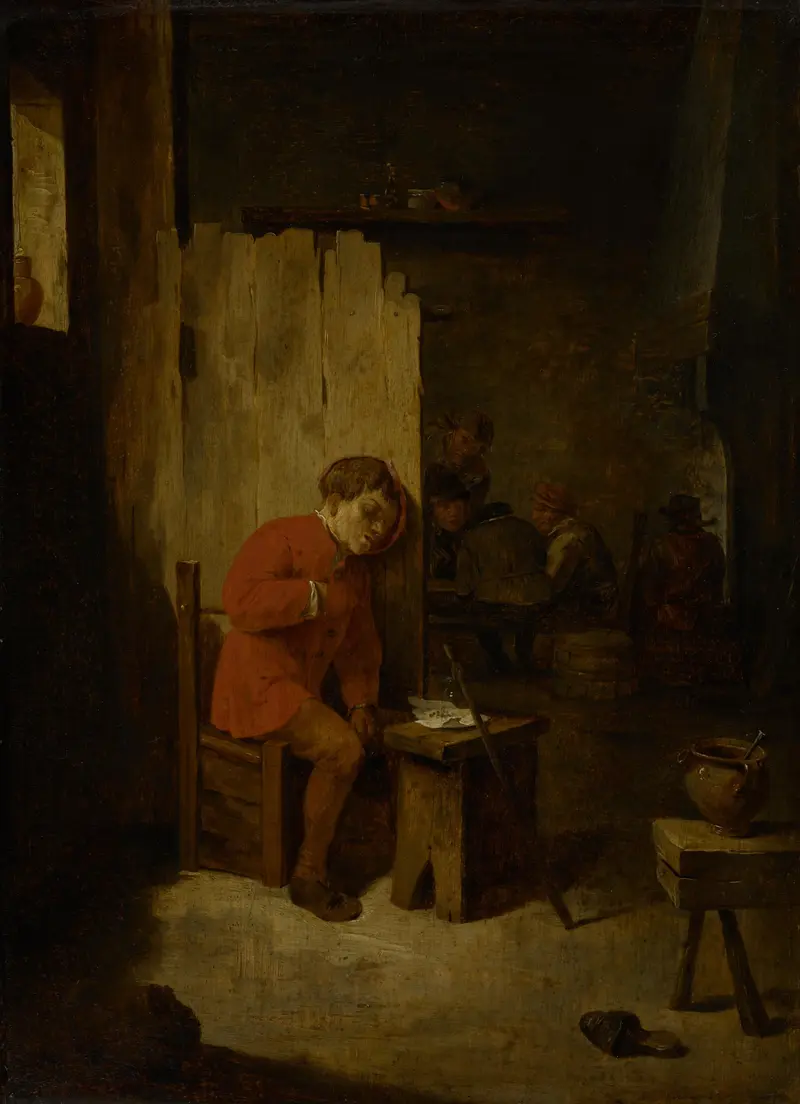
Nachahmer, Schlafender Bauer 853G Gemäldegalerie
Adriaen Brouwer
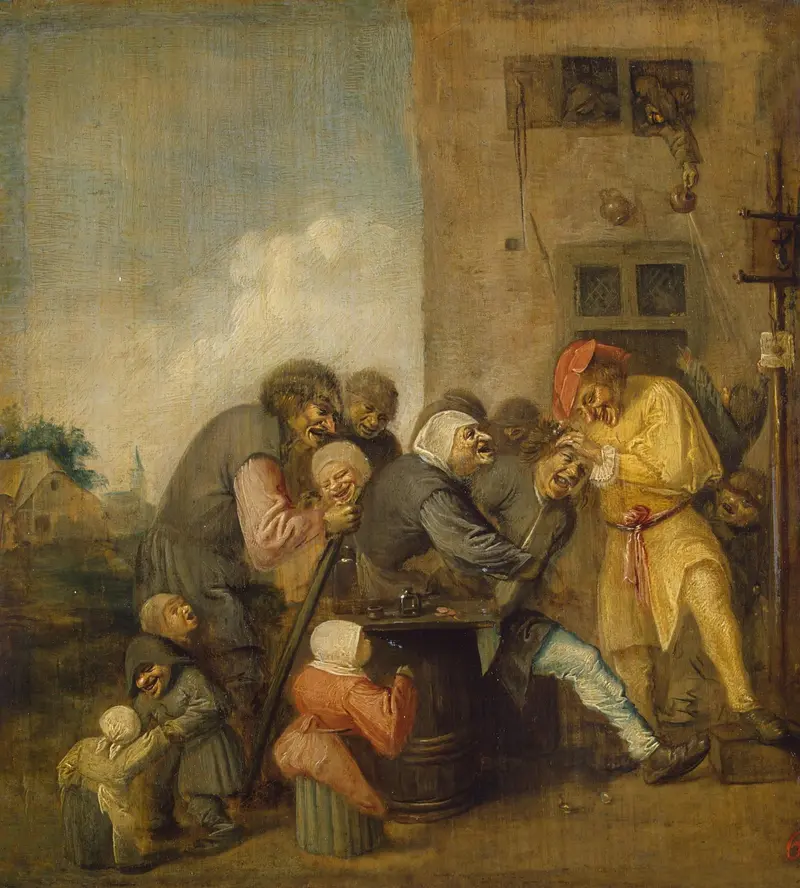
Village Charlatan (The Operation for Stone in the Head)
Adriaen Brouwer
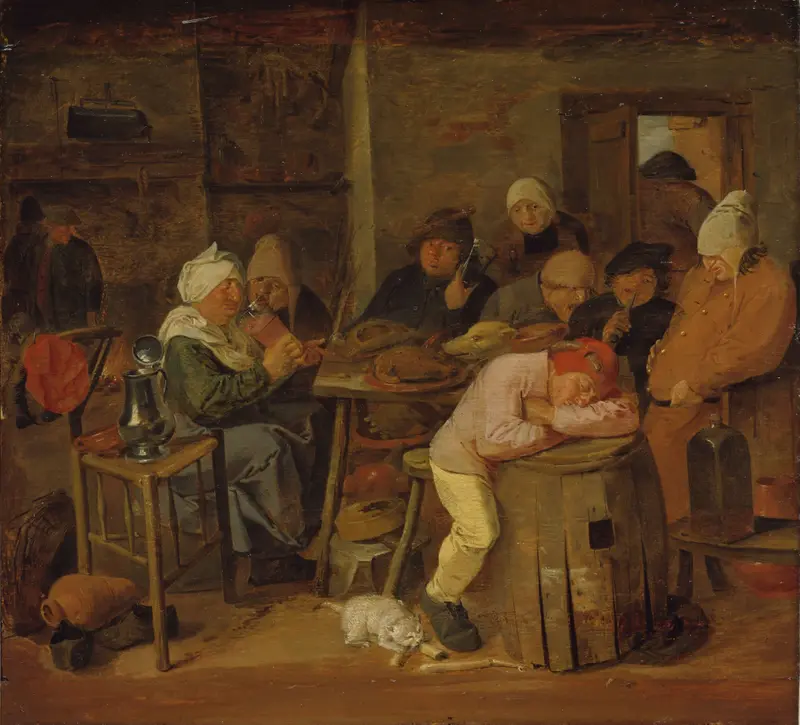
Peasants in an interior (The slaughter feast)
Adriaen Brouwer
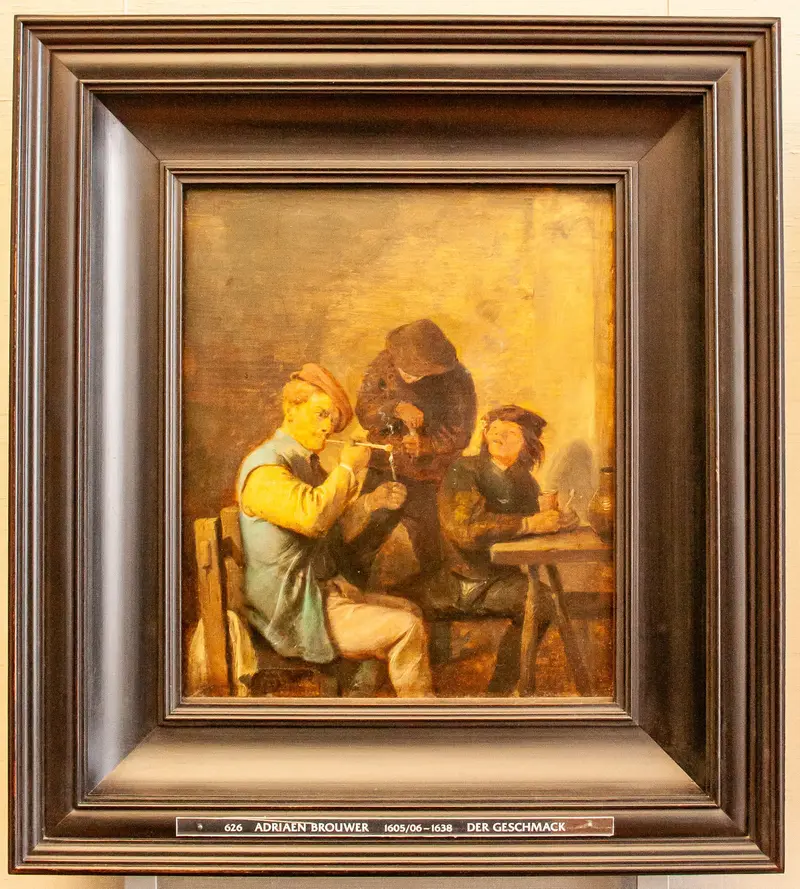
The Taste
Adriaen Brouwer
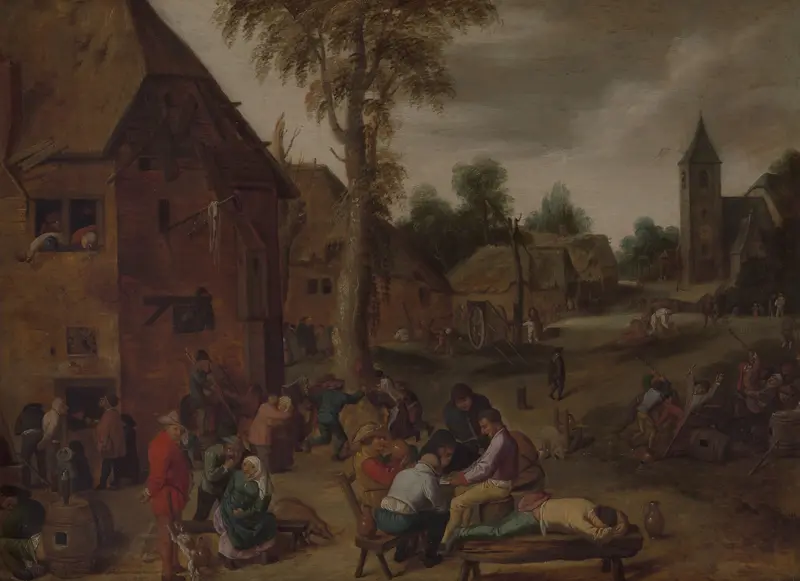
A Fair
Adriaen Brouwer
More Genre Scene Art

Banquet of the Officers of the St George Civic Guard
Frans Hals

Rembrandt and Saskia in the Scene of the Prodigal Son
Rembrandt van Rijn

Bal du moulin de la Galette
Pierre-Auguste Renoir

Quadrille at the Moulin Rouge
Henri de Toulouse-Lautrec

A Burial at Ornans
Gustave Courbet

When Will You Marry?
Paul Gauguin