
Phaedra — History & Facts
In 1880, Alexandre Cabanel presented Phaedra at the Paris Salon, where critics immediately recognized it as a bold return to tragic myth on a grand scale. The painting drew attention not only for its emotional intensity but also for its daring depiction of a heroine at her lowest ebb—a subject rarely given such prominence in academic circles of the time. The Salon’s catalogue noted the work’s “extraordinary pathos,” and contemporary viewers were struck by Cabanel’s choice to focus on the aftermath of Phaedra’s confession, rather than the more common scenes of accusation or death.
This decision set the painting apart from earlier treatments of the myth, such as those by Jean-Baptiste Regnault or Pierre-Narcisse Guérin. The moment Cabanel chose is one of exhaustion and despair: Phaedra, the doomed queen from Euripides’ tragedy, lies collapsed on her bed, her body draped in white, her face turned away from the light. She has just confessed her forbidden love for her stepson Hippolytus, a revelation that will destroy her and those around her. The heavy curtains, the scattered jewels, and the anxious maids at the edge of the scene all point to the chaos unleashed by her admission.
Cabanel’s use of cold, pale light isolates Phaedra, making her suffering both intimate and public. Unlike Guérin’s version, which emphasizes dramatic confrontation, Cabanel’s painting lingers in the silence after the storm, inviting the viewer to witness the cost of passion and shame. The exact commission of Phaedra remains unclear, but it was likely created for the Salon and quickly entered a private collection after its exhibition. Over the years, the painting has been admired as a late-career highlight for Cabanel, who was by then a pillar of the French academic tradition.
While not as widely reproduced as his The Birth of Venus, Phaedra has found a lasting place in discussions of nineteenth-century mythological painting, especially for its psychological depth. Today, the painting is held in a French museum, continuing to draw visitors who are captivated by its tragic beauty and Cabanel’s sensitive handling of a legendary queen’s downfall.
More Artworks by Alexandre Cabanel
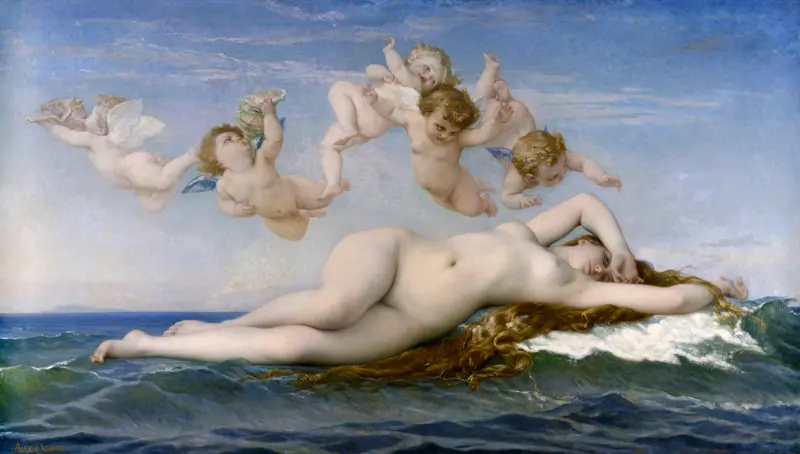
The Birth of Venus
Alexandre Cabanel
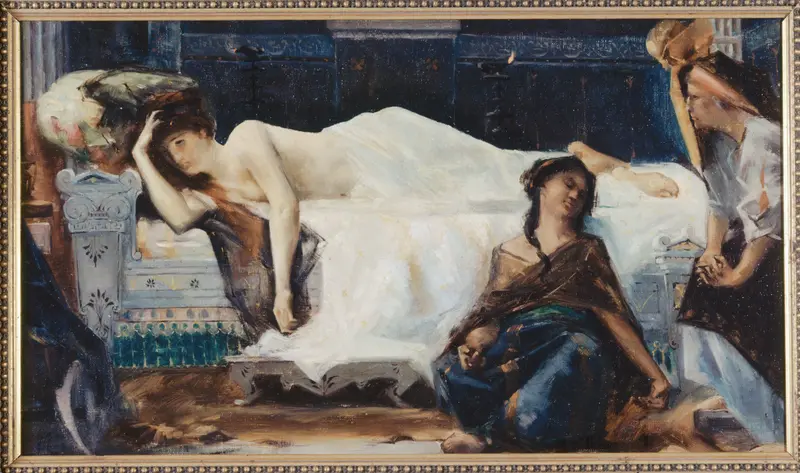
Phèdre
Alexandre Cabanel
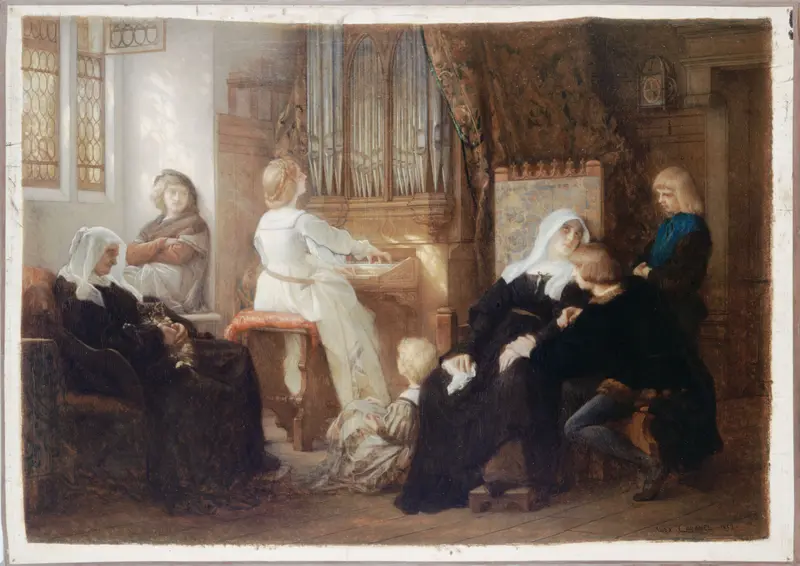
La veuve du maître de chapelle
Alexandre Cabanel
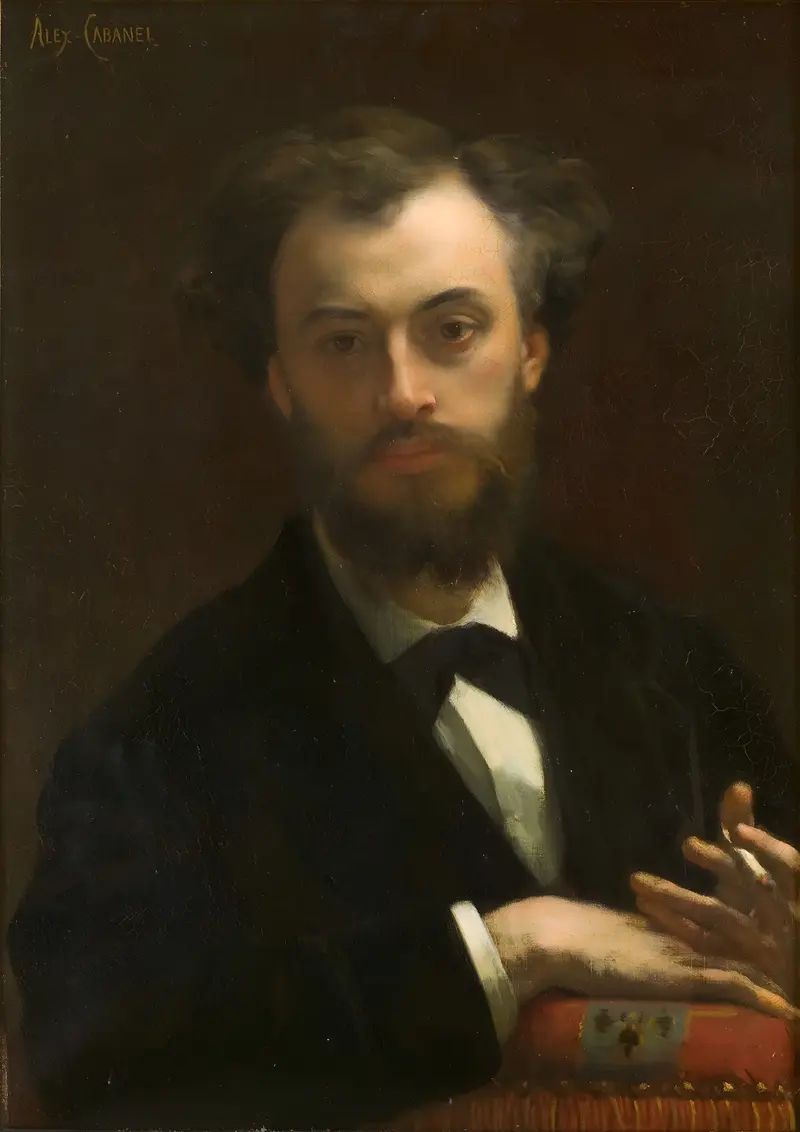
Portrait de M. Pierre Cabanel
Alexandre Cabanel
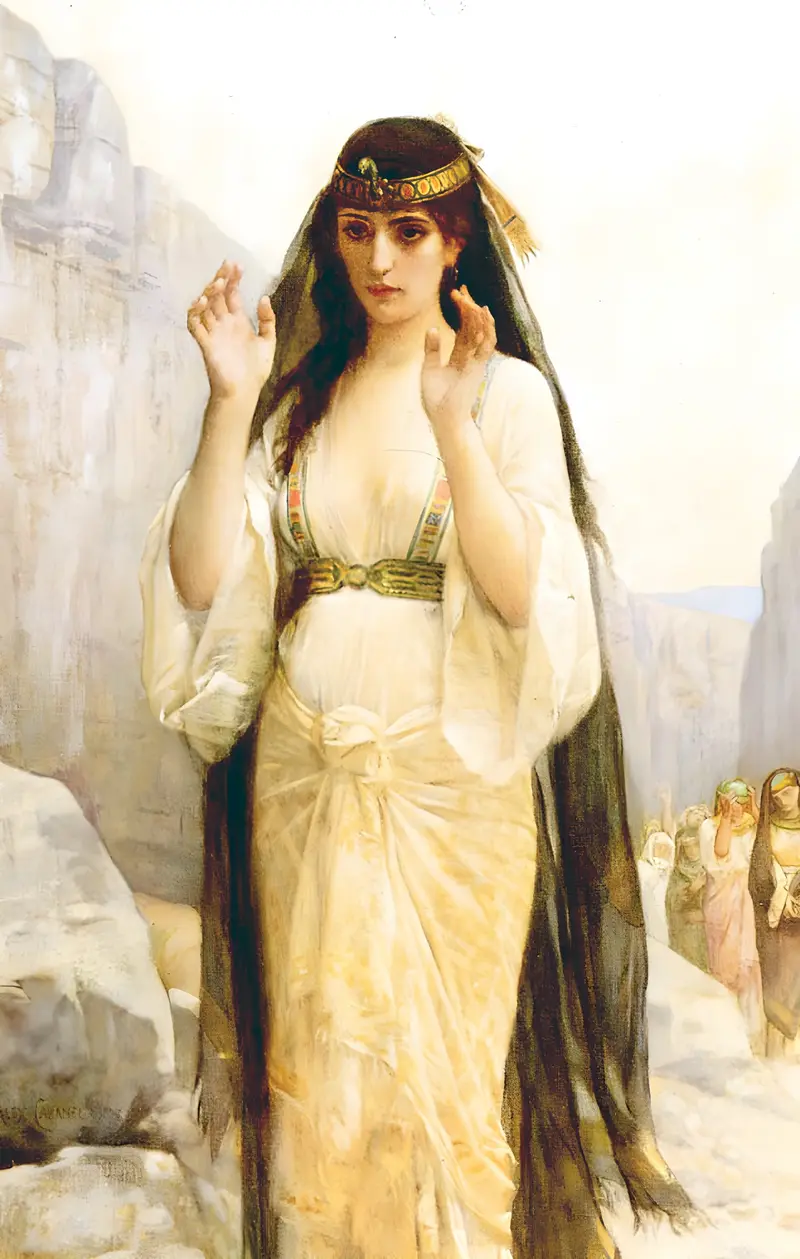
The Daughter of Jephthah
Alexandre Cabanel
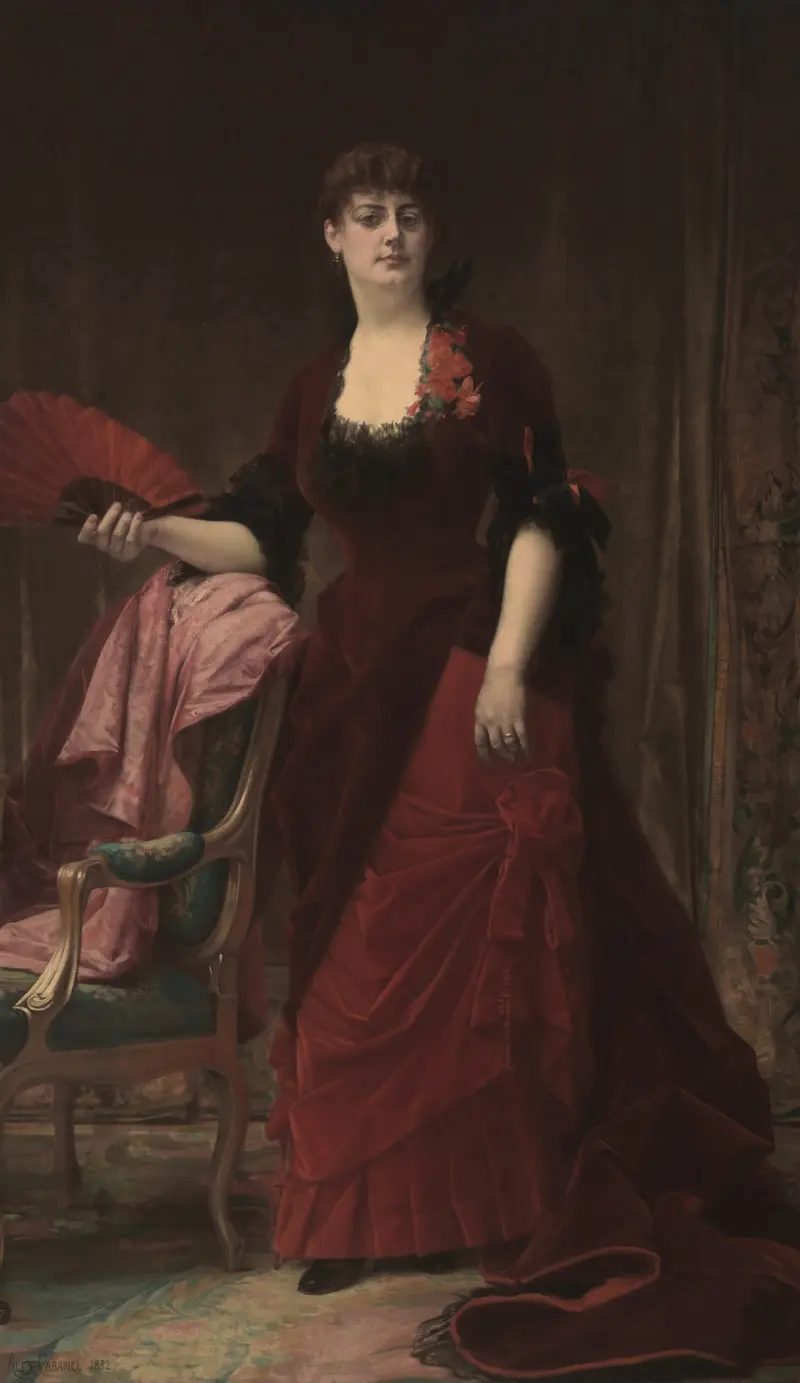
Portrait of Arabella Worsham (later Arabella Huntington)
Alexandre Cabanel
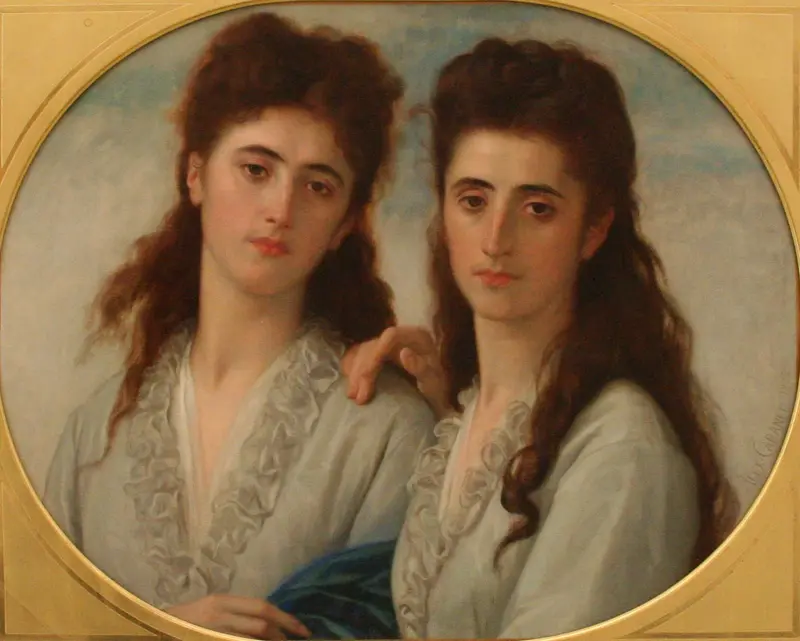
Portrait de mesdemoiselles Sophie et Berthe Cabanel
Alexandre Cabanel
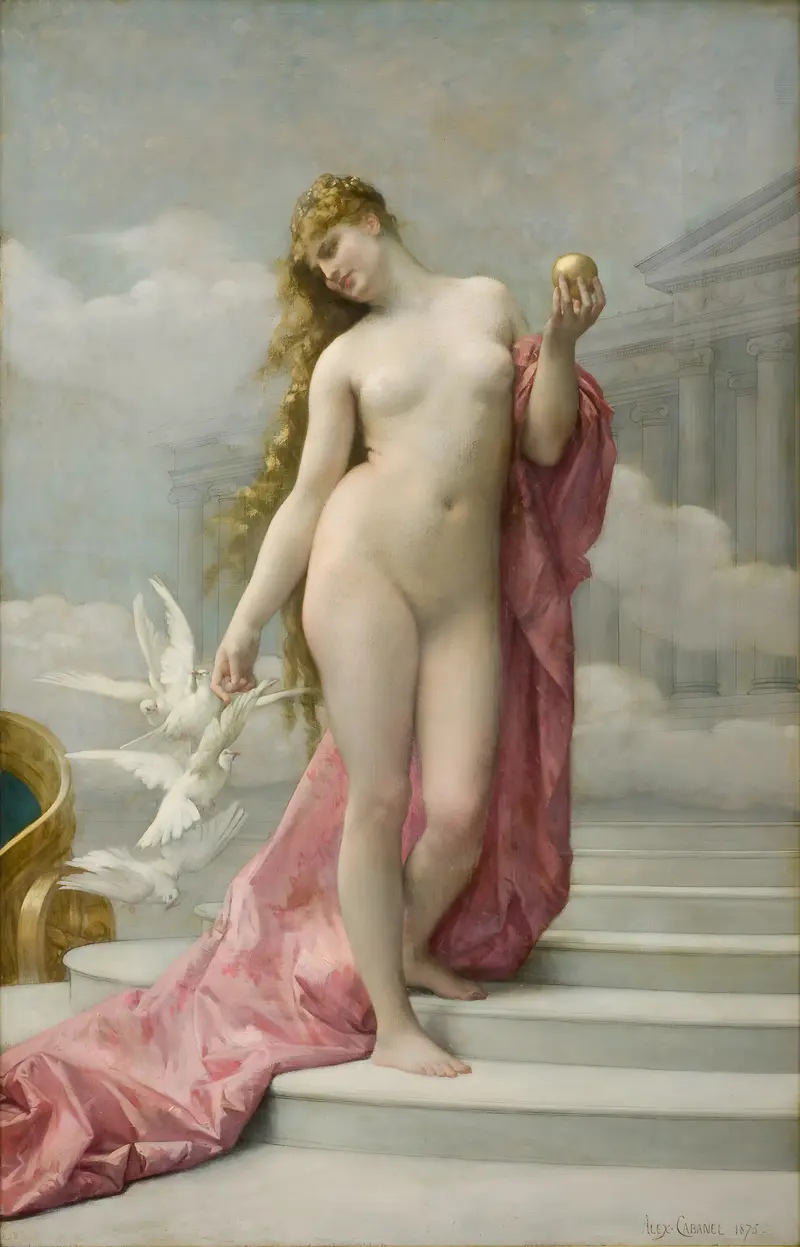
Vénus victorieuse
Alexandre Cabanel
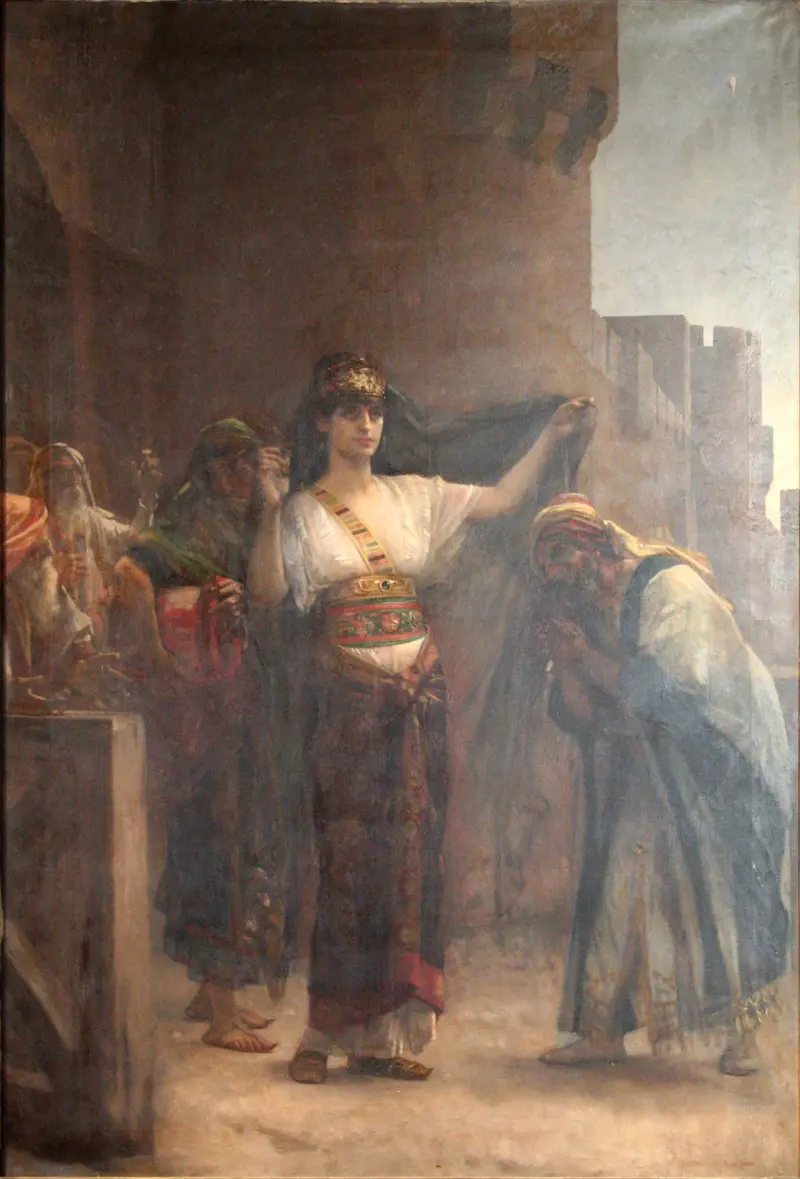
Judith
Alexandre Cabanel
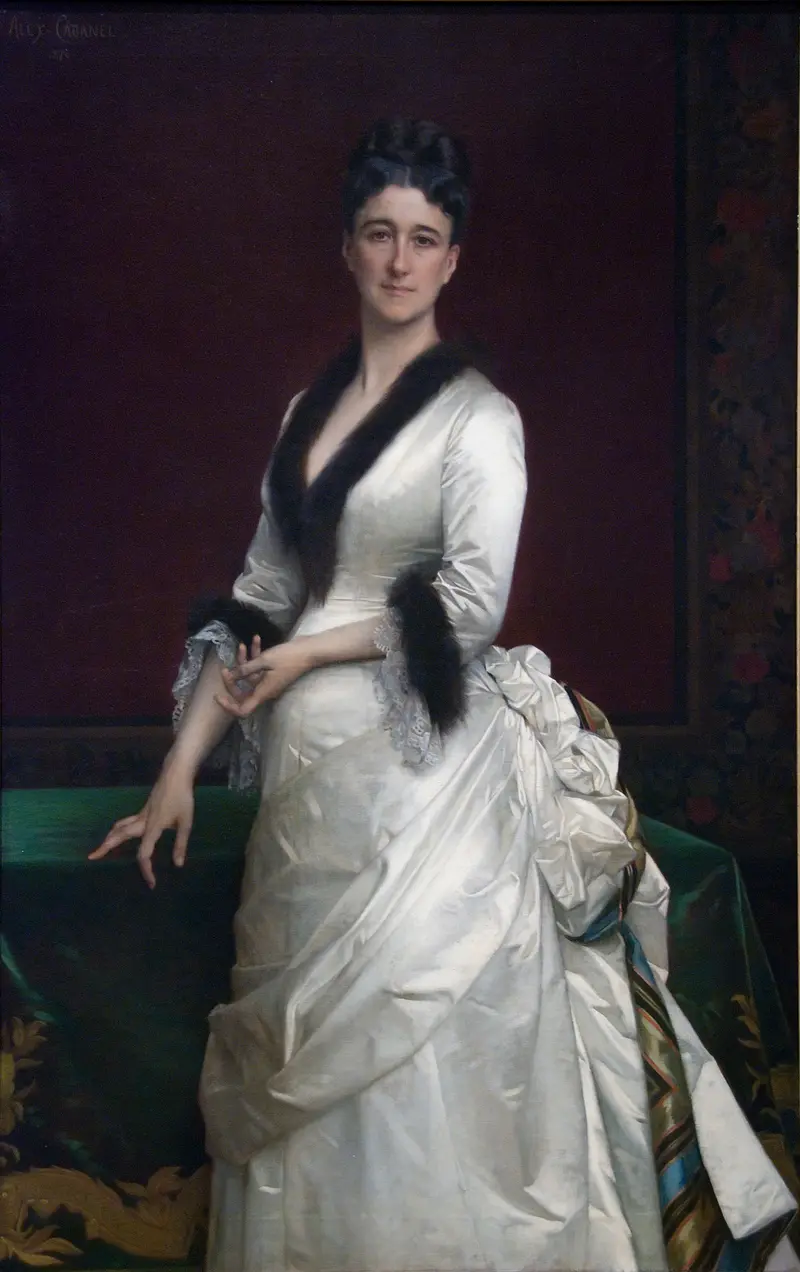
Catharine Lorillard Wolfe (1828–1887)
Alexandre Cabanel





