
Piercing of Christ's Side — History & Facts
No other painter of the early Renaissance captured the drama of Christ’s final moments quite like Fra Angelico. Among his most moving works, Piercing of Christ’s Side stands out for its focus on a single, harrowing instant: the moment when, according to the Gospel of John, a Roman soldier thrust a lance into Christ’s body after his death on the cross. This subject was rarely isolated in Italian art before the mid-15th century, making Fra Angelico’s treatment both innovative and deeply personal.
The painting is thought to have been created around 1450, near the end of the artist’s life, when his reputation as a painter-monk was at its height. The scene is set at Calvary, just after Christ has died. Fra Angelico chooses the instant when Longinus, the Roman centurion, pierces Christ’s side, fulfilling the prophecy that “not a bone of him shall be broken.” Blood and water flow from the wound, a detail that, for medieval viewers, symbolized the sacraments of Eucharist and Baptism. The Virgin Mary collapses in grief, supported by Saint John, while Mary Magdalene kneels at the foot of the cross.
The figures are arranged in a shallow space, their gestures restrained but charged with sorrow. Unlike Rogier van der Weyden’s more crowded and emotional depictions, Fra Angelico emphasizes the quiet gravity of the moment, using clear light and gentle color transitions to heighten the sense of sacred drama. Little is known about the original patron or the early history of Piercing of Christ’s Side. As with many works by Fra Angelico, it was likely created for a Dominican context, perhaps as part of an altarpiece or devotional cycle.
The painting’s medium remains uncertain, though the artist often worked in tempera on panel. Over the centuries, the work has been admired for its serene intensity and careful composition, and it has been attributed to Fra Angelico with growing confidence as scholarship has advanced. Today, it stands as a testament to the artist’s ability to combine narrative clarity with spiritual depth, representing a late flowering of his distinctive style.
More Artworks by Fra Angelico

Condemnation of St Lawrence by the Emperor Valerian
Fra Angelico
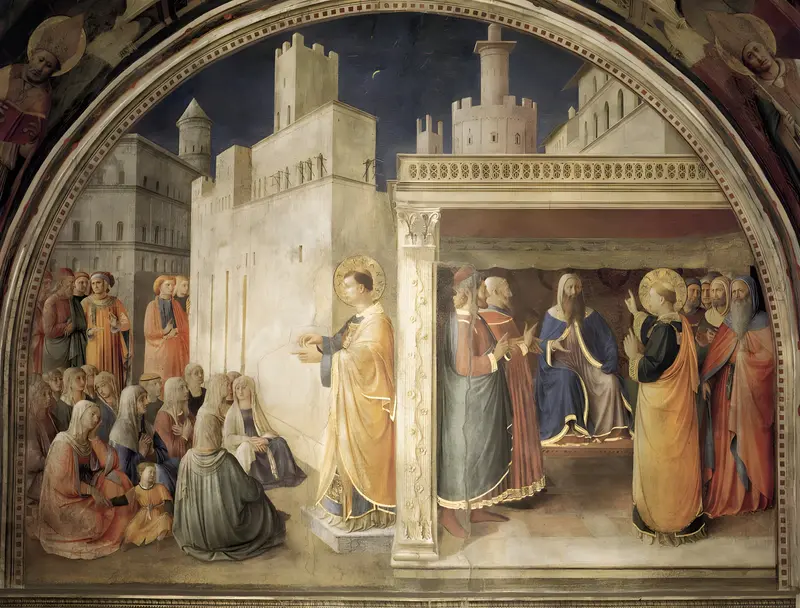
Lunette of the north wall
Fra Angelico
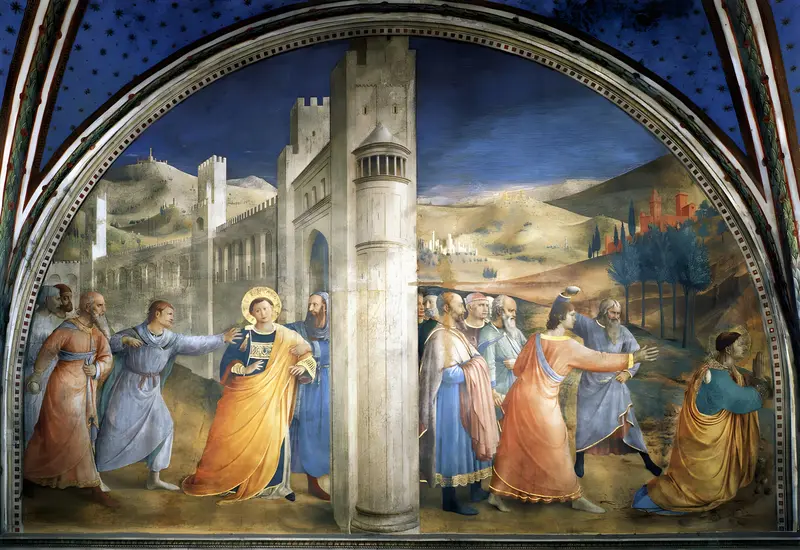
Lunette of the east wall in Niccoline Chapel
Fra Angelico
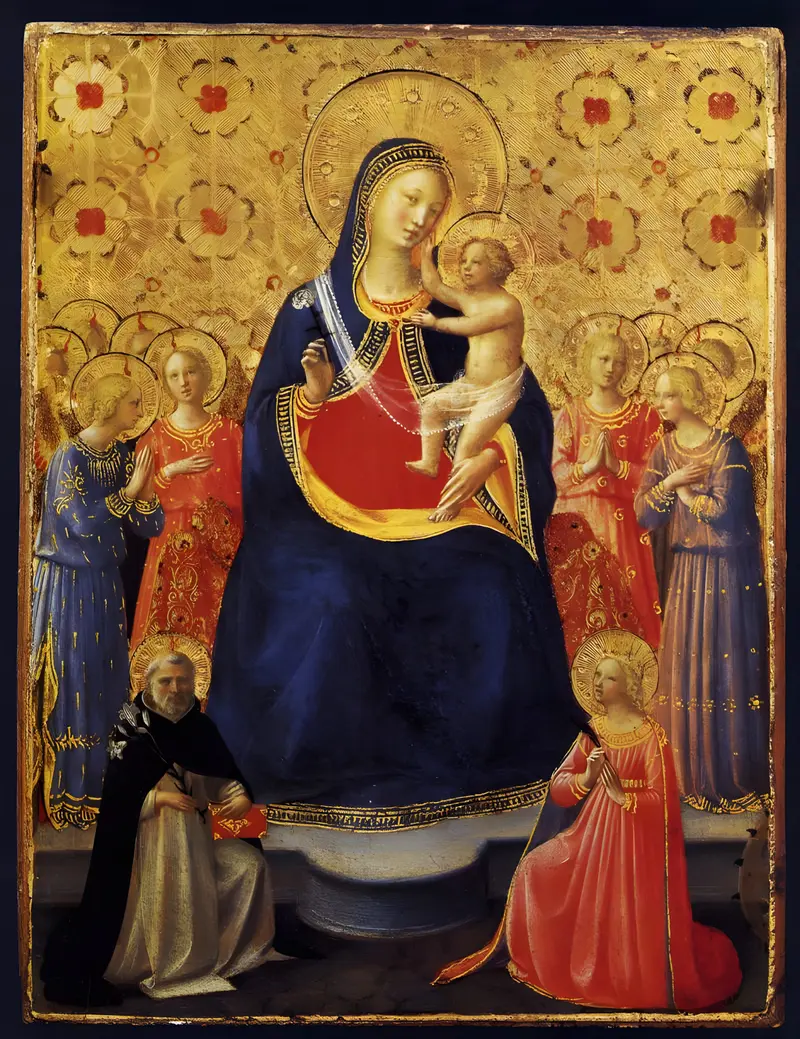
Madonna and Child Enthroned with Nine Angels and Saints Dominic and Catherine of Alexandria
Fra Angelico
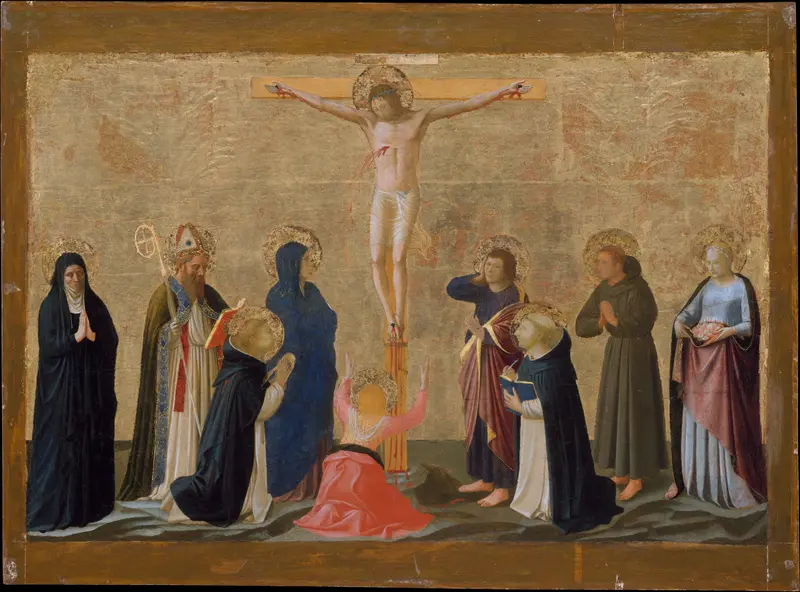
The Crucifixion
Fra Angelico
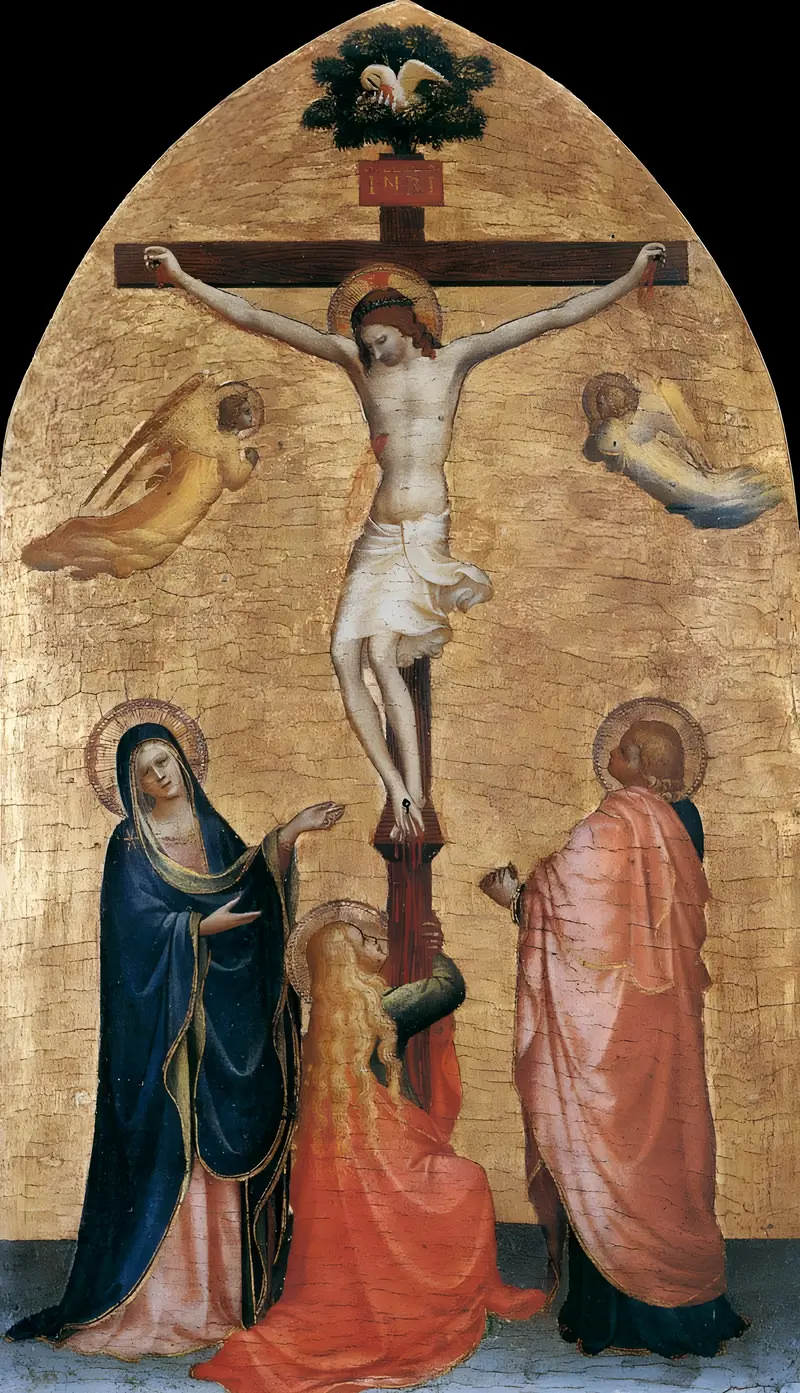
Crucifixion with the Virgin, John the Evangelist, and Mary Magdelene
Fra Angelico
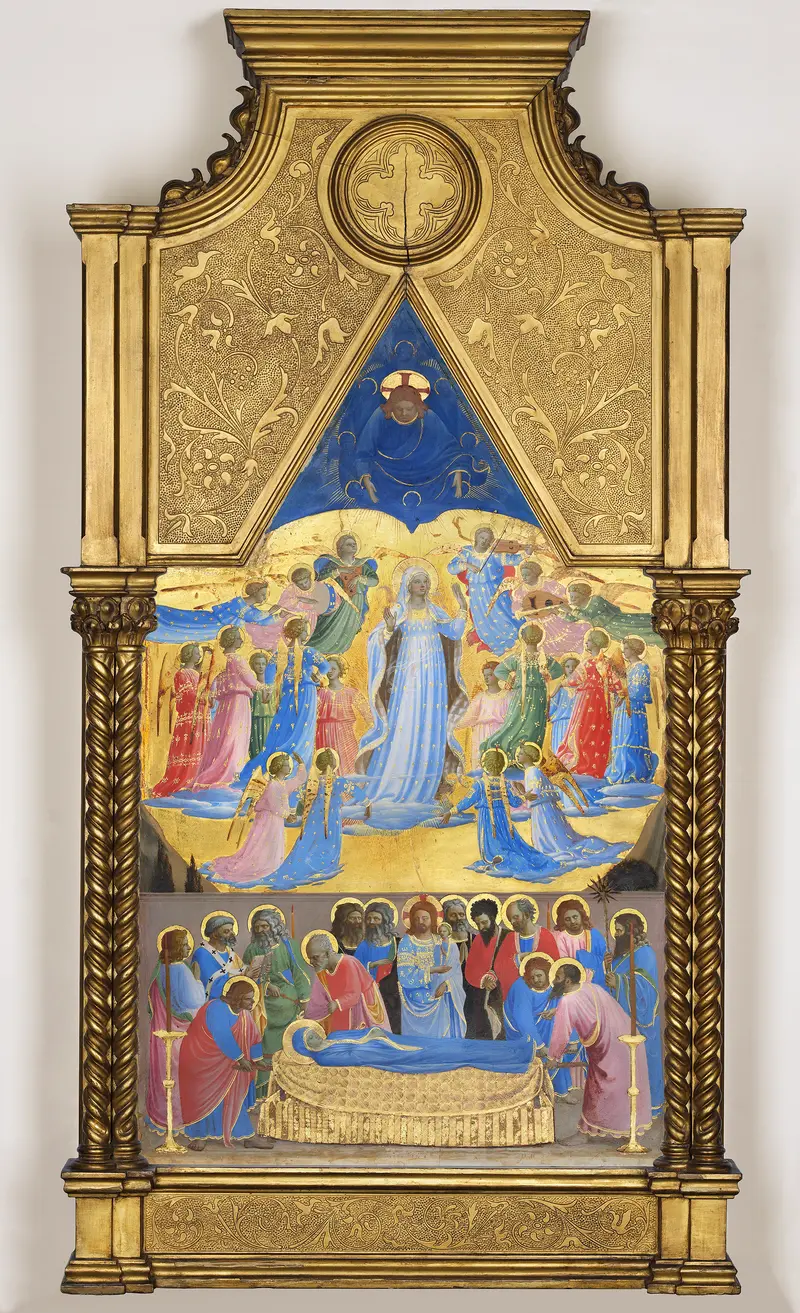
Dormition and Assumption of the Virgin
Fra Angelico
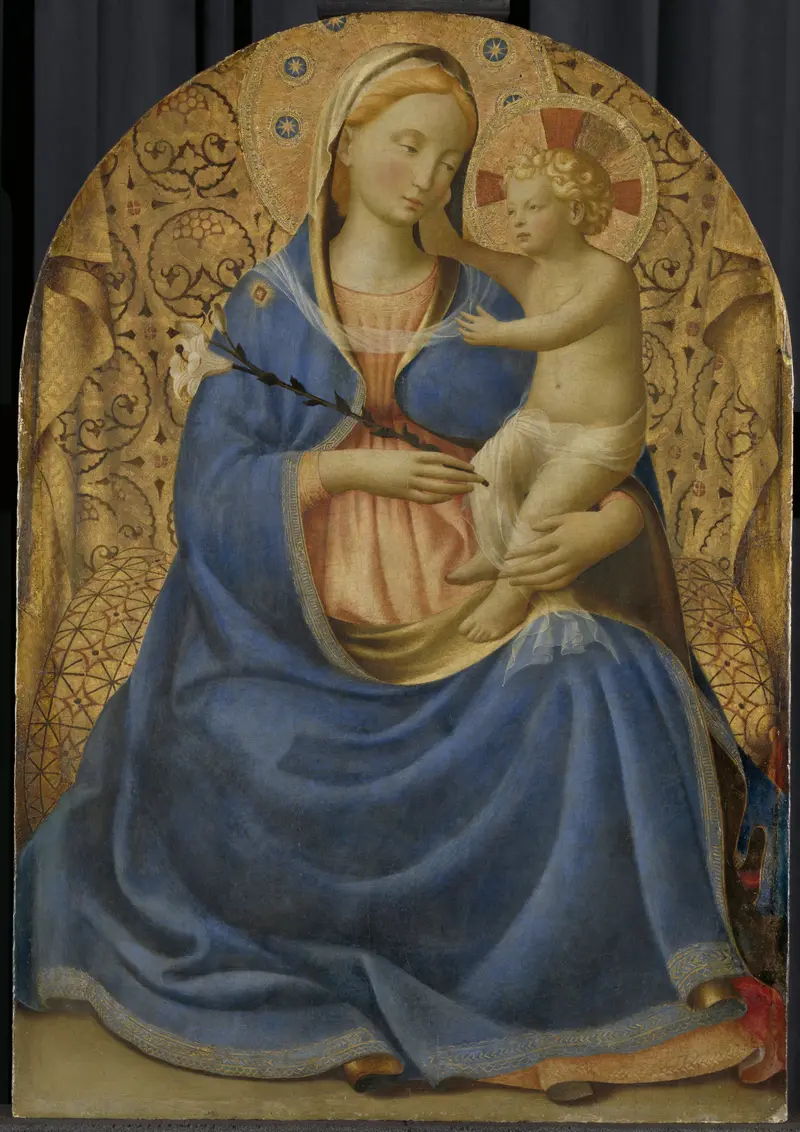
Madonna of Humility
Fra Angelico
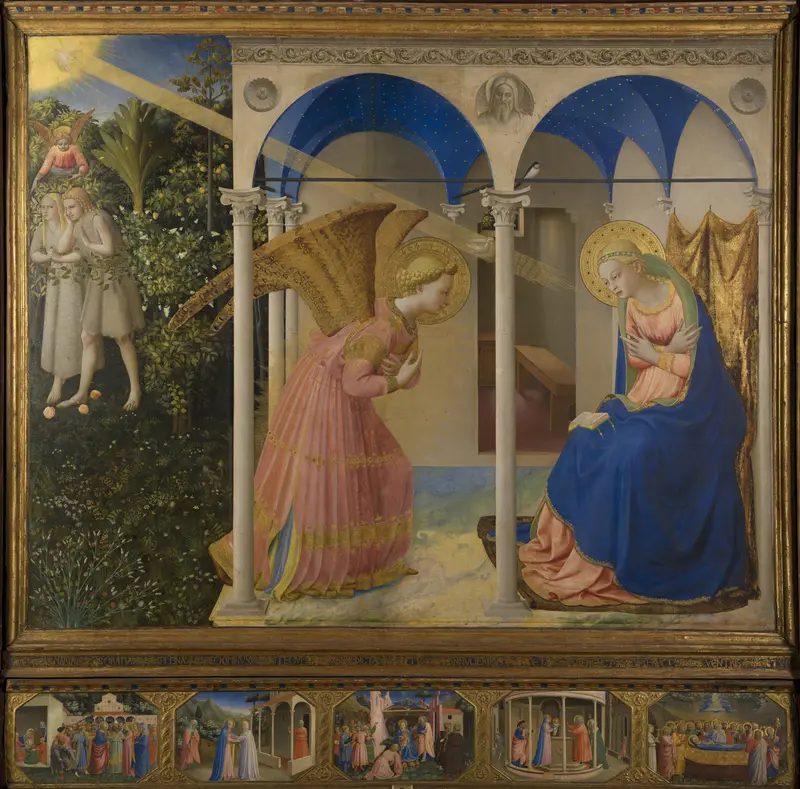
The Annunciation
Fra Angelico

Saint Anthony Abbot
Fra Angelico





