
Portrait de Madame de Staël — History & Facts
Few portraits have stirred as much conversation about their subject’s intellect as Portrait de Madame de Staël by Jean Auguste Dominique Ingres. When the young Ingres painted Germaine de Staël in 1800, she was already a formidable figure in European letters, known for her salons and her outspoken opposition to Napoleon. The painting’s unveiling caused a stir in Parisian circles, where critics debated whether Ingres had captured the true force of Madame de Staël’s personality or merely her likeness.
The sitter herself, never shy with opinions, reportedly found the result unsatisfying, feeling it betrayed her inner fire. In this portrait, Madame de Staël sits upright, her gaze direct yet contemplative, as if caught mid-thought—a fitting pose for a woman whose pen shaped public opinion. Her dress is simple, with a dark sash and a white gown, the fashion of the Directory era, and her hair is crowned with a turban, a nod to her cosmopolitan tastes. The background is muted, focusing all attention on her expressive face and hands, which rest on a closed book—an unmistakable symbol of her literary life.
Unlike David’s grand portraits of political figures, Ingres chooses intimacy over grandeur, inviting the viewer to meet the woman behind the reputation. The precise provenance of Portrait de Madame de Staël remains uncertain, as records from this early phase of Ingres’s career are incomplete. It is likely that the portrait was commissioned by Staël herself or her circle, eager to memorialize her image during her years of political exile. The work predates Ingres’s later neoclassical masterpieces, showing the artist at a crossroads between tradition and innovation.
Today, the painting is recognized as an early testament to both sitter and artist: a meeting of two restless minds at the dawn of the nineteenth century. Its current location is not firmly established, and it is seldom seen in public collections, adding to its aura of intrigue.
More Artworks by Jean Auguste Dominique Ingres
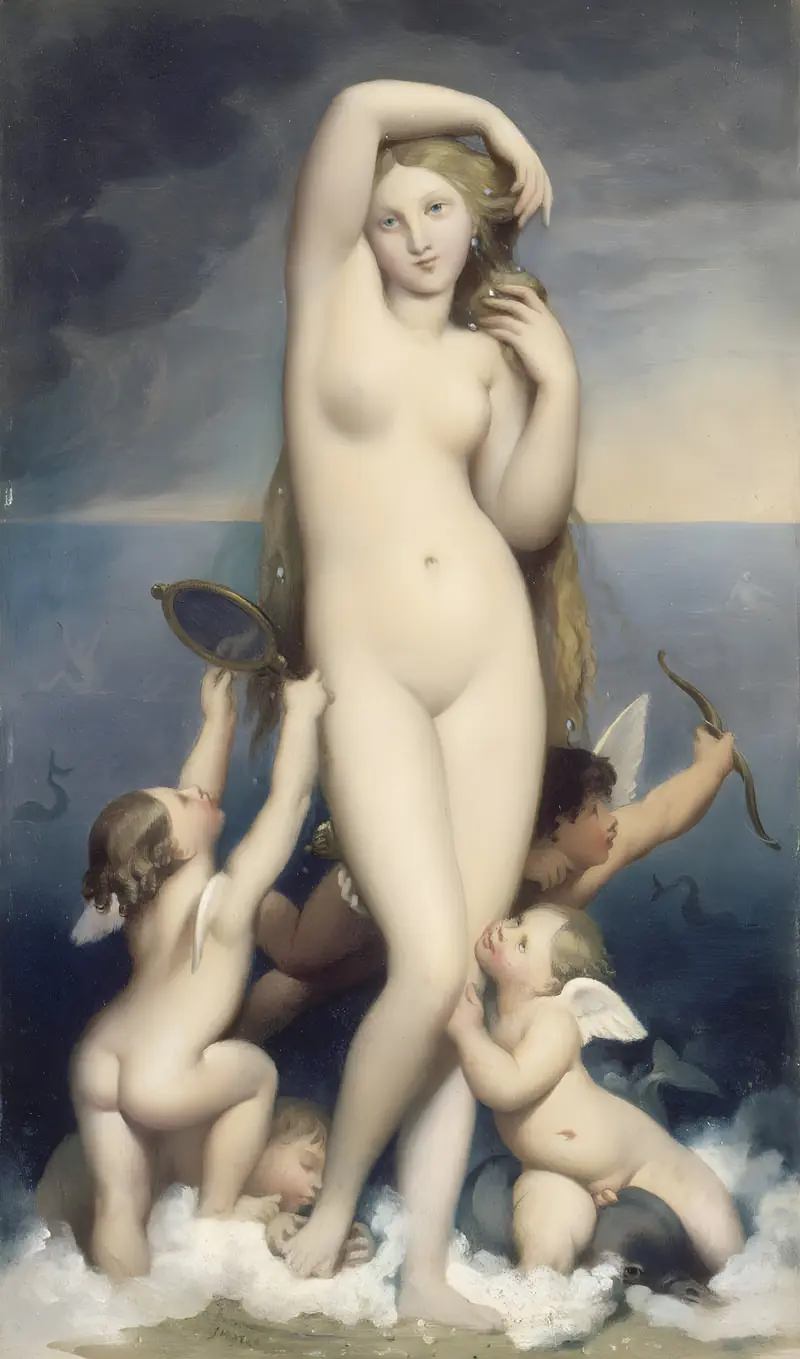
Vénus anadyomène
Jean Auguste Dominique Ingres
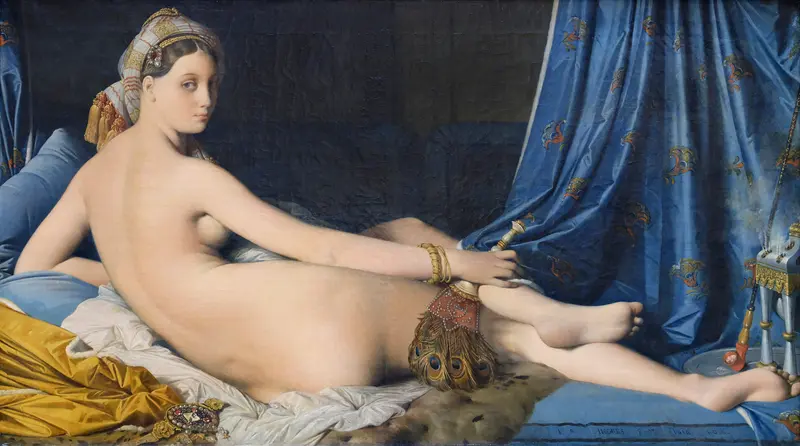
Grande Odalisque
Jean Auguste Dominique Ingres
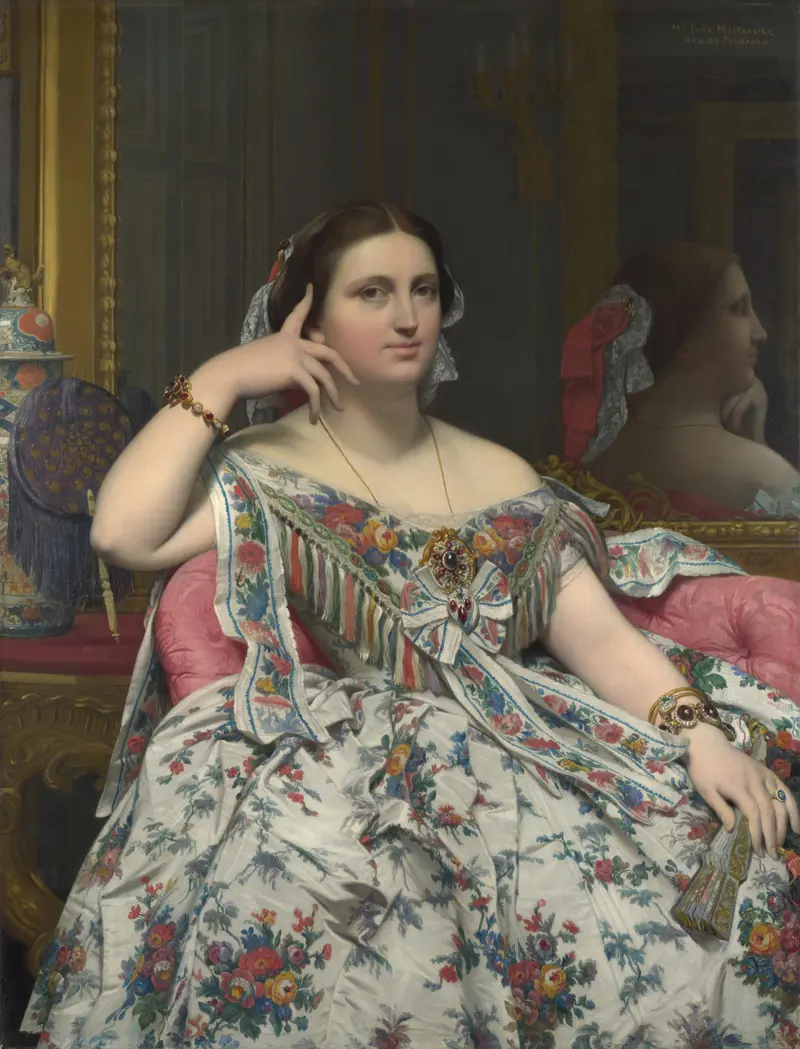
Madame Moitessier (seated)
Jean Auguste Dominique Ingres
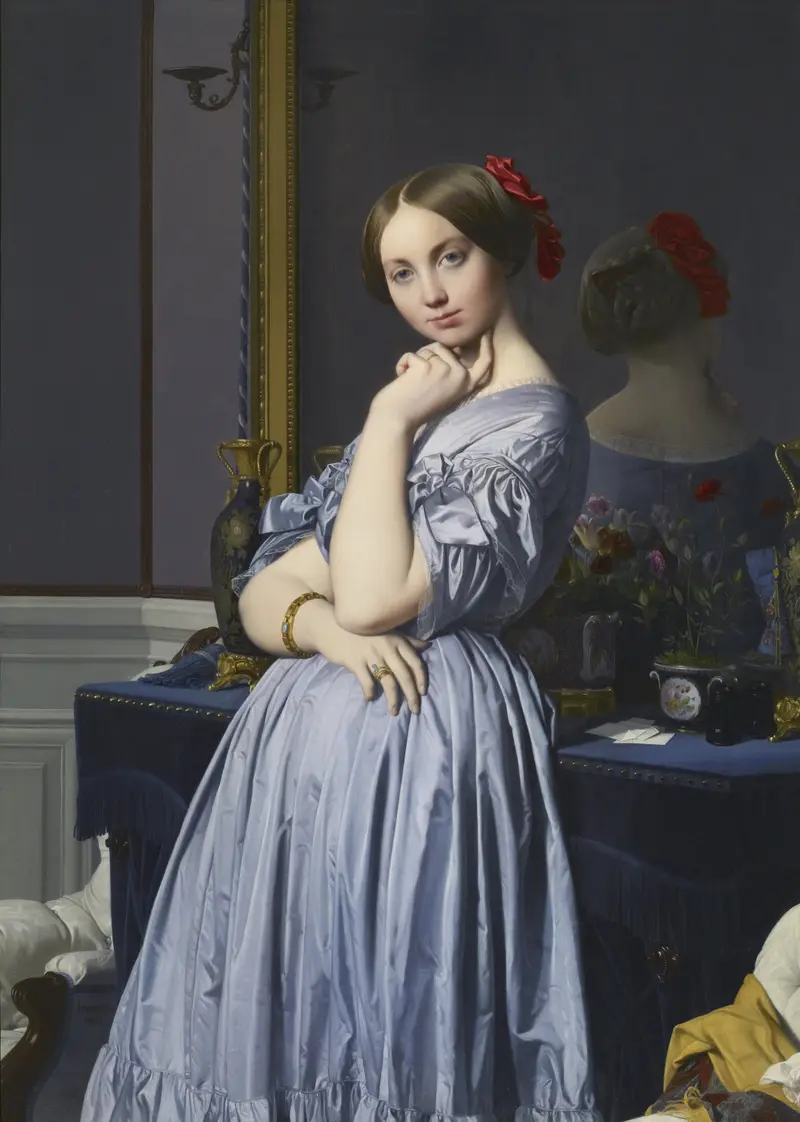
Portrait of Comtesse d’Haussonville
Jean Auguste Dominique Ingres
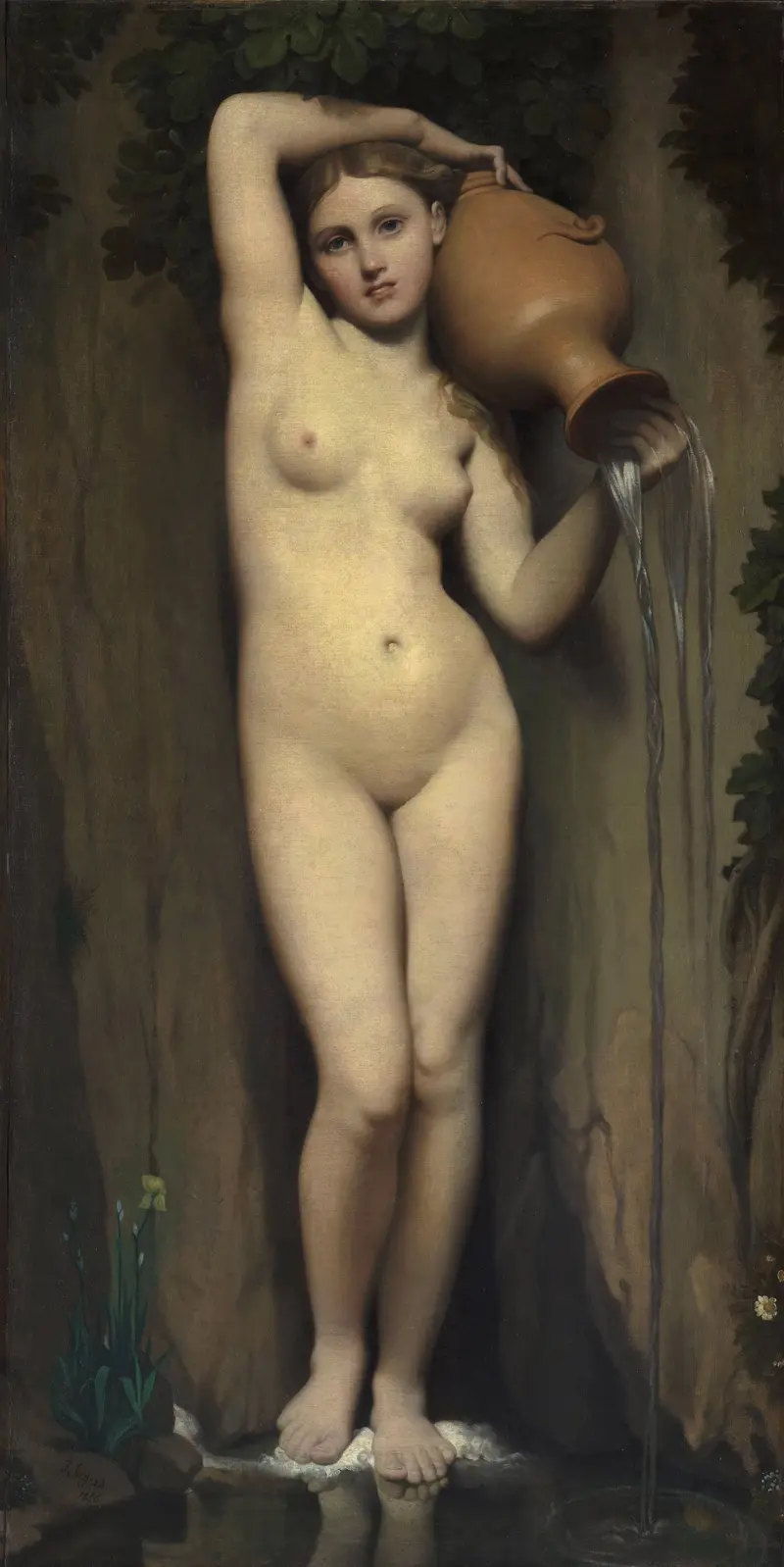
The Source
Jean Auguste Dominique Ingres
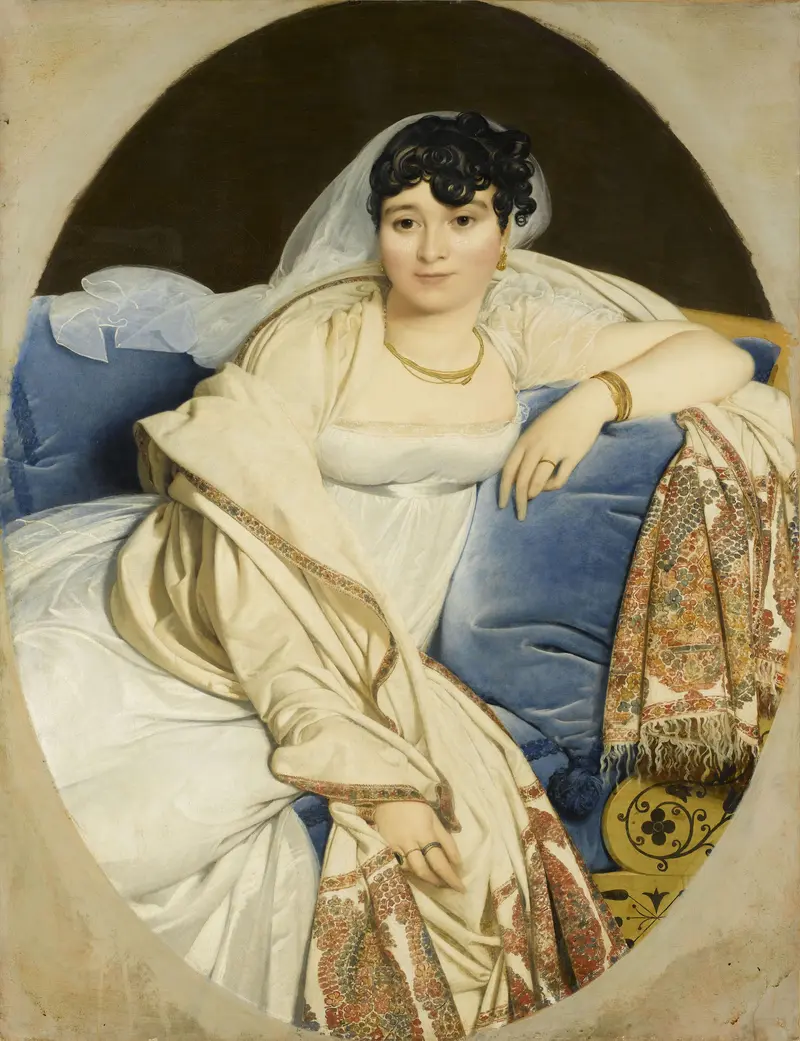
Madame Rivière
Jean Auguste Dominique Ingres

Madame Jean-Auguste-Dominique Ingres, née Madeleine Chapelle
Jean Auguste Dominique Ingres

Portrait of a Lady
Jean Auguste Dominique Ingres
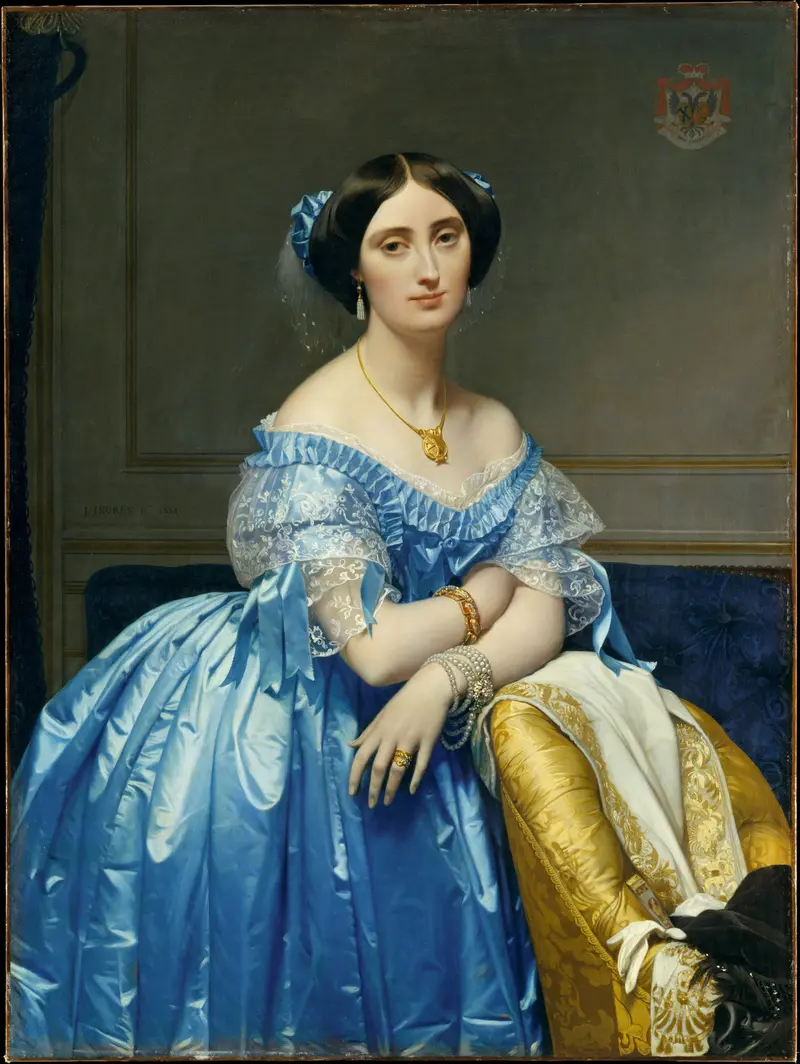
Joséphine-Éléonore-Marie-Pauline de Galard de Brassac de Béarn (1825–1860), Princesse de Broglie
Jean Auguste Dominique Ingres
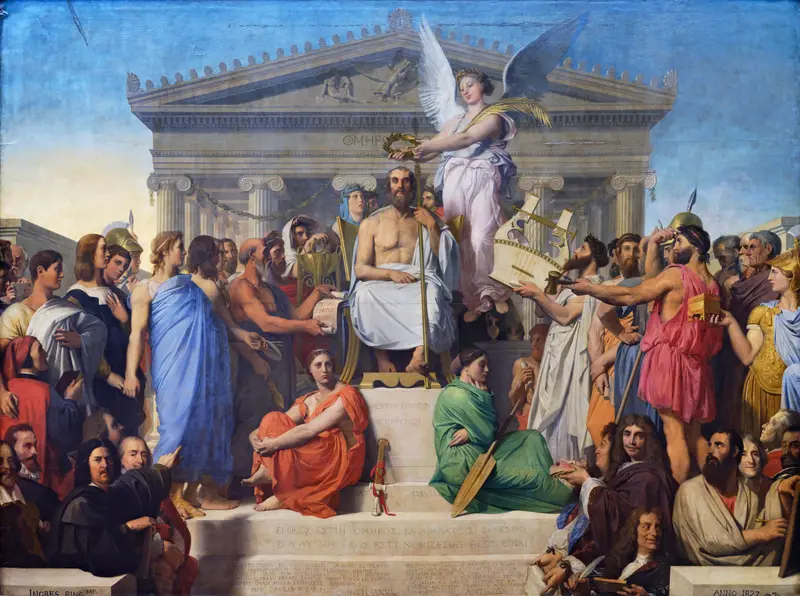
The Apotheosis of Homer
Jean Auguste Dominique Ingres





