
Portrait of a seated woman with a book — History & Facts
When Portrait of a seated woman with a book emerged from the Haarlem studio of Frans Hals in 1648, it joined a select group of his late portraits that have long puzzled scholars. The sitter’s identity remains unknown, and no contemporary record of the commission survives, fueling ongoing debate: was she a member of the city’s wealthy merchant class, or perhaps connected to the artist himself? Unlike Hals’s more famous civic guards or jovial drinkers, this painting stands out for its quiet introspection and the rare inclusion of a book—an object that, in 17th-century Dutch portraiture, often signified learning or piety, especially for women. The woman sits upright, her left hand resting gently on an open book, her gaze meeting the viewer with a composed, almost questioning expression. The crisp white of her lace collar and cuffs glows against the deep black of her dress, a visual shorthand for modesty and virtue in the Protestant Dutch Republic.
The book, possibly a Bible or devotional text, suggests literacy and spiritual engagement, while her direct gaze invites us to consider her as an individual, not merely a type. Hals’s brushwork here is looser than that of his contemporary Rembrandt van Rijn, whose Portrait of Agatha Bas from the same decade presents a similar subject with a more polished finish; Hals’s strokes seem to flicker with life, capturing the sitter’s presence rather than her likeness alone. The painting’s early provenance is uncertain—a common fate for many of Hals’s works, which were often dispersed among private collections after his death in 1666. It resurfaced in the 19th century, by which time Hals’s reputation had been revived by collectors and critics who praised his “true and lively character” (as the French critic Théophile Thoré-Bürger wrote in 1868).
Today, Portrait of a seated woman with a book is recognized as a late work, notable for its restraint and psychological depth, and is held in a major European museum, where it continues to invite questions about the sitter’s story and the artist’s intentions in his final years.
More Artworks by Frans Hals

Banquet of the Officers of the St George Civic Guard
Frans Hals

Portrait of Jacob Pietersz Olycan (1596-1638)
Frans Hals
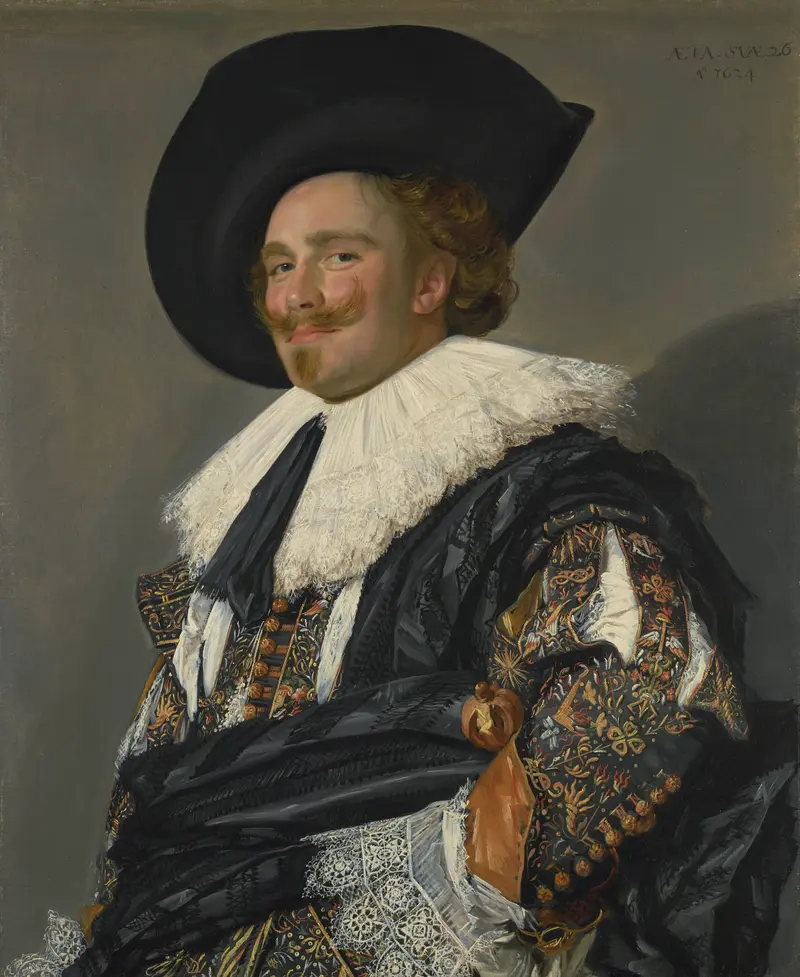
Laughing Cavalier
Frans Hals

Militia Company of District XI under the Command of Captain Reynier Reael, Known as ‘The Meagre Company’
Frans Hals
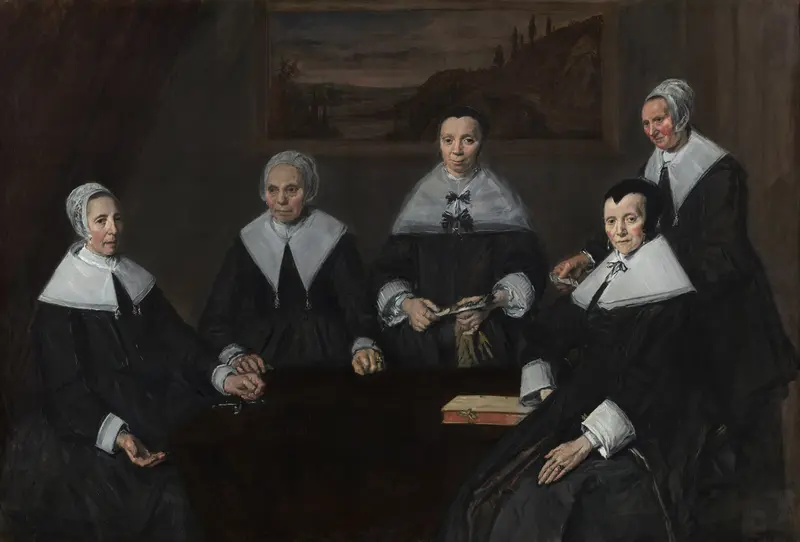
Regentesses of the Old Men's Alms House
Frans Hals
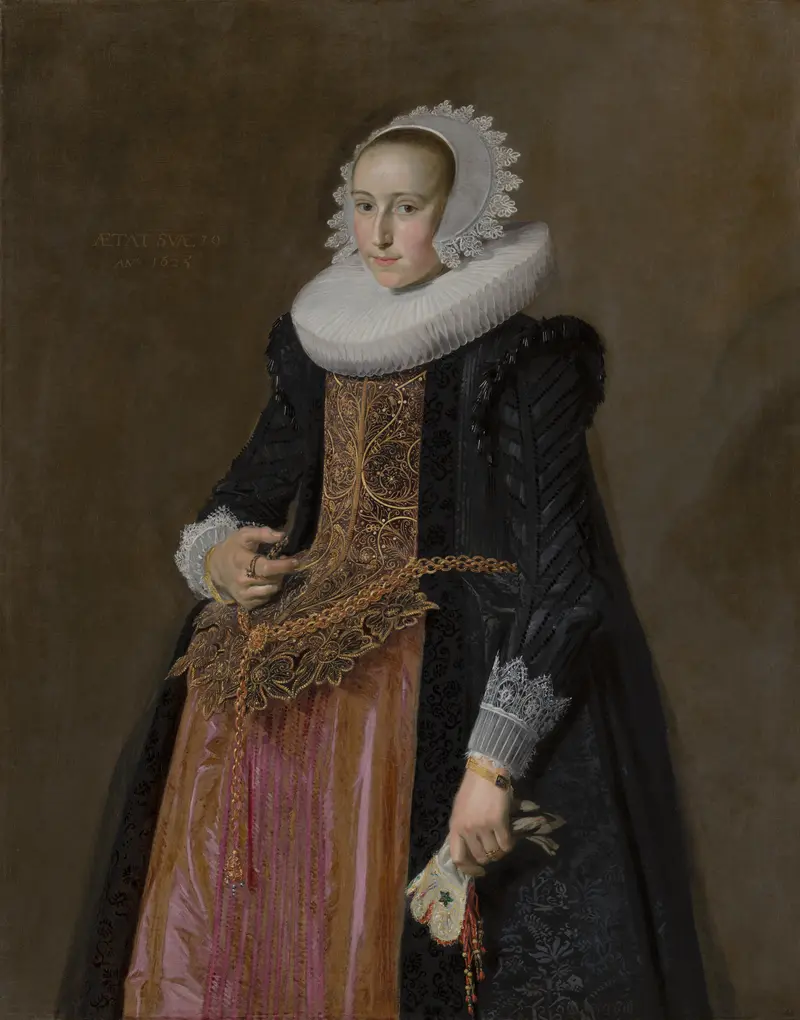
Portrait of Aletta Hanemans (1606–1653)
Frans Hals
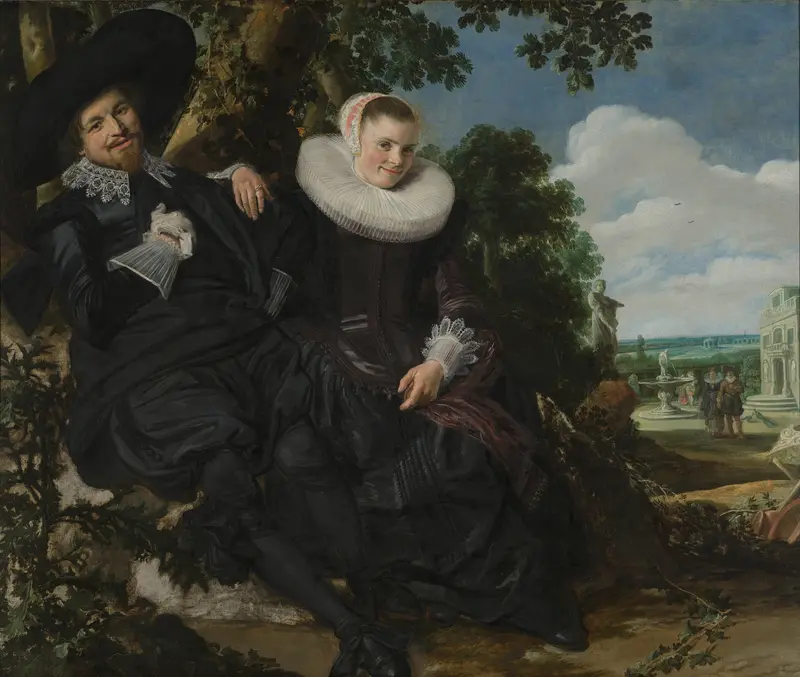
Portrait of a Married Couple, Likely Isaac Abrahamsz Massa and Beatrix van der Laen
Frans Hals
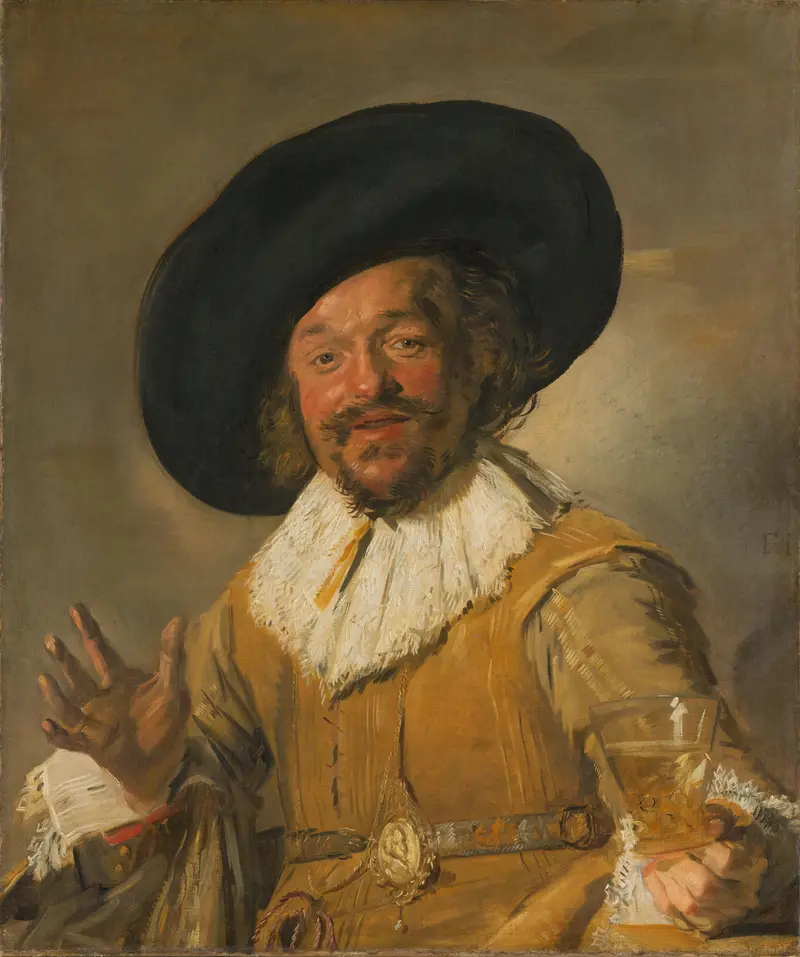
The Merry Drinker
Frans Hals
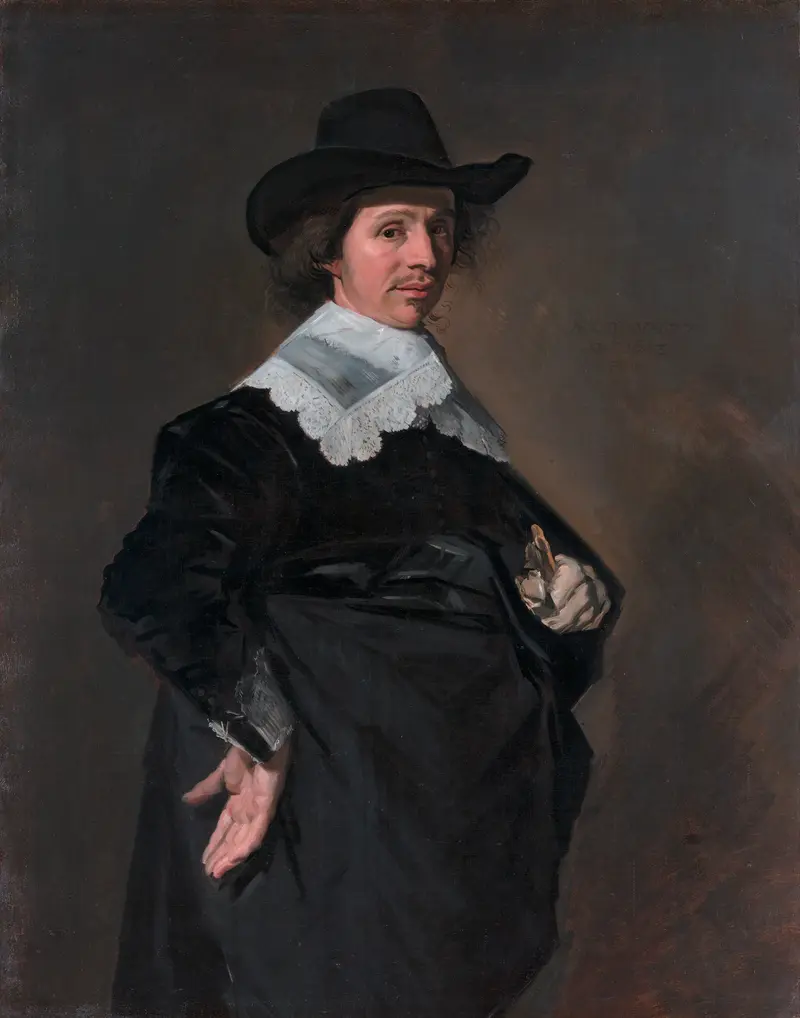
Portrait of Paulus Verschuur
Frans Hals
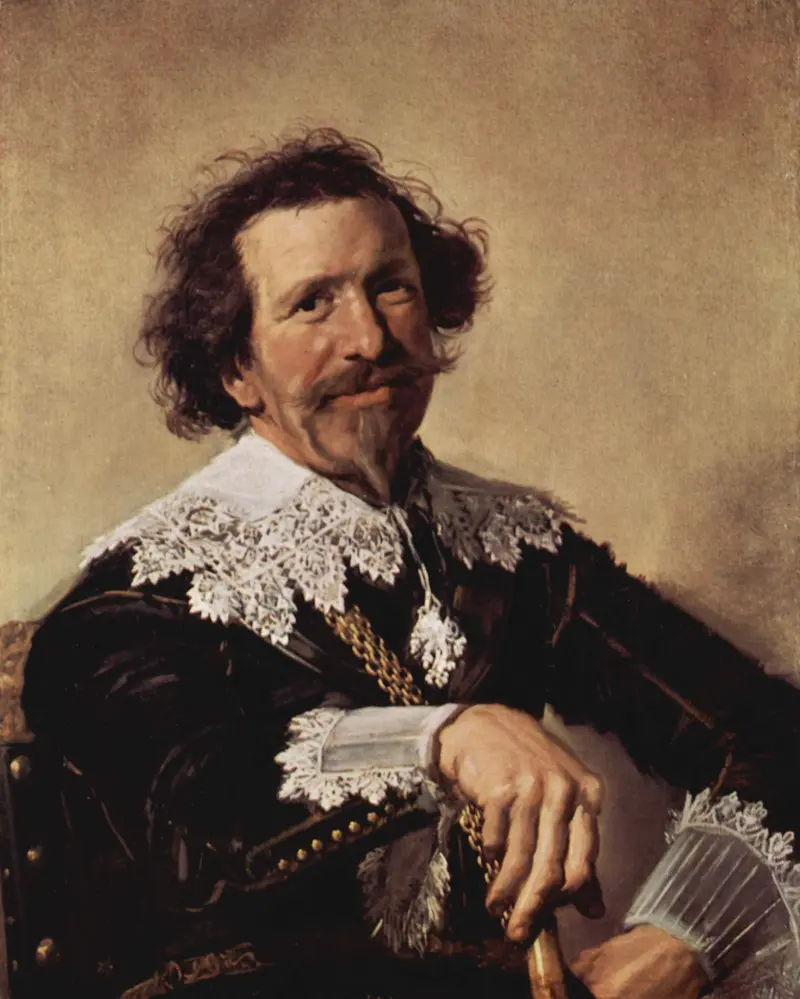
Portrait of Pieter van den Broecke
Frans Hals





