
Portrait of Alexander Edgar — History & Facts
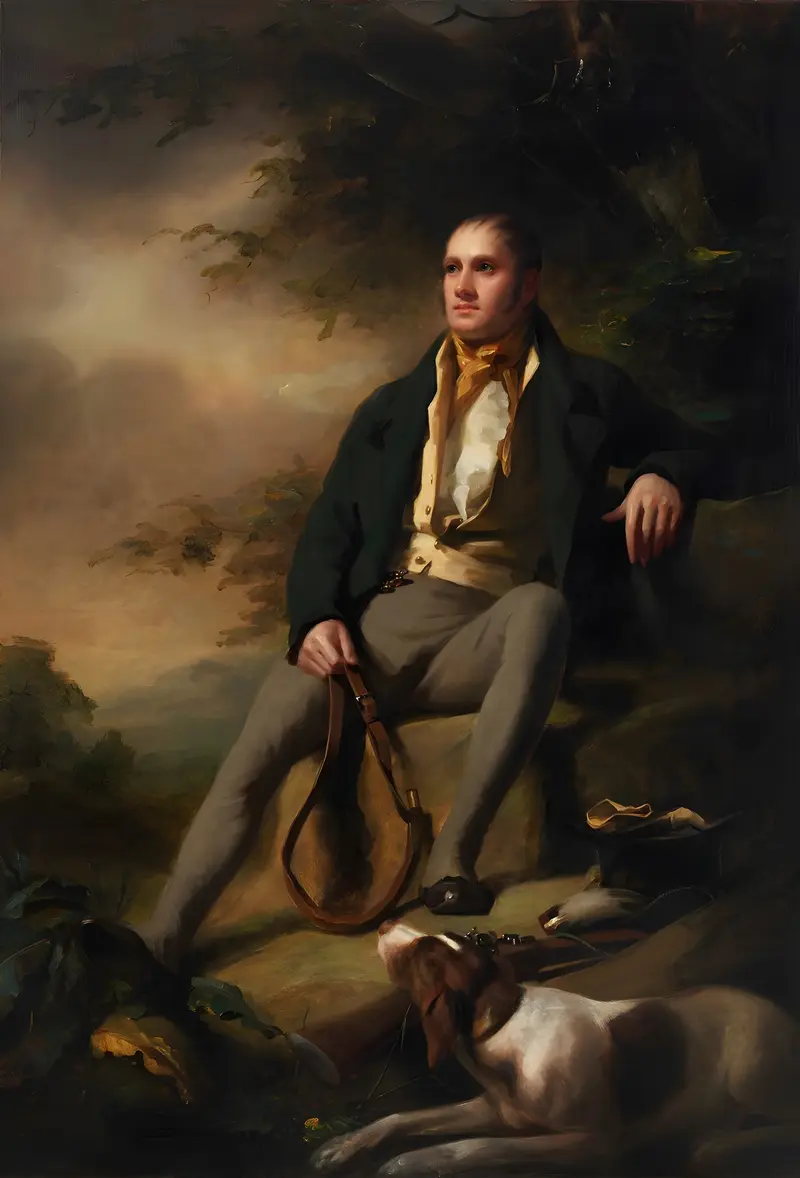
No other portrait by Sir Henry Raeburn has generated as much uncertainty as Portrait of Alexander Edgar. The sitter’s identity, once thought to be that of a minor Scottish laird, is still debated, and the painting’s date and original purpose remain elusive. What is certain, however, is that the work has never been firmly tied to any documented commission or exhibition during Raeburn’s lifetime, a rarity among his otherwise well-recorded society portraits.
This air of mystery has fueled speculation for generations, with some suggesting the painting was a private family piece, never intended for public view. We meet Alexander Edgar at a moment of composed introspection, his gaze steady but not confrontational, his attire modest yet dignified. Raeburn’s brushwork is direct and unembellished, capturing the sitter’s character through the play of light on his face and the careful rendering of his hands. The dark, neutral background throws Edgar’s features into sharp relief, a device Raeburn often used to focus attention on the psychological presence of his subjects.
Unlike the flamboyant society portraits of Thomas Lawrence, Raeburn’s approach here is restrained, emphasizing sincerity over grandeur. The sitter’s slight turn of the head and the gentle illumination suggest a man both present and reserved, inviting the viewer to consider the inner life behind the formal pose. The painting’s early history is obscure; it entered public collections only in the twentieth century, after surfacing in a private Scottish estate sale. Lacking clear provenance, it was attributed to Sir Henry Raeburn based on stylistic grounds and the distinct handling of flesh tones and fabric.
Today, Portrait of Alexander Edgar stands as a representative example of Raeburn’s mature period, when he was celebrated for his ability to capture the individuality of Edinburgh’s professional class. The work now hangs in a national collection, offering a glimpse into both the sitter’s world and the quiet confidence of Raeburn’s portraiture. Its unresolved mysteries continue to invite fresh inquiry from scholars and visitors alike.
More Artworks by Sir Henry Raeburn

Portrait of Hugh Hope
Sir Henry Raeburn
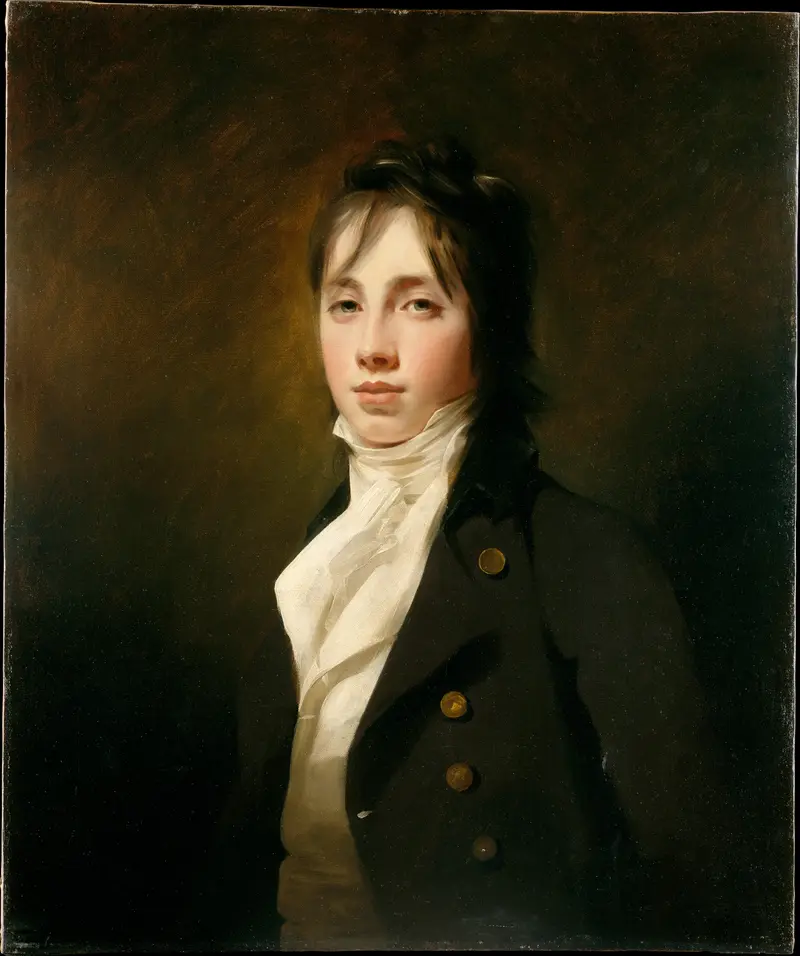
William Fraser of Reelig (1784–1835)
Sir Henry Raeburn
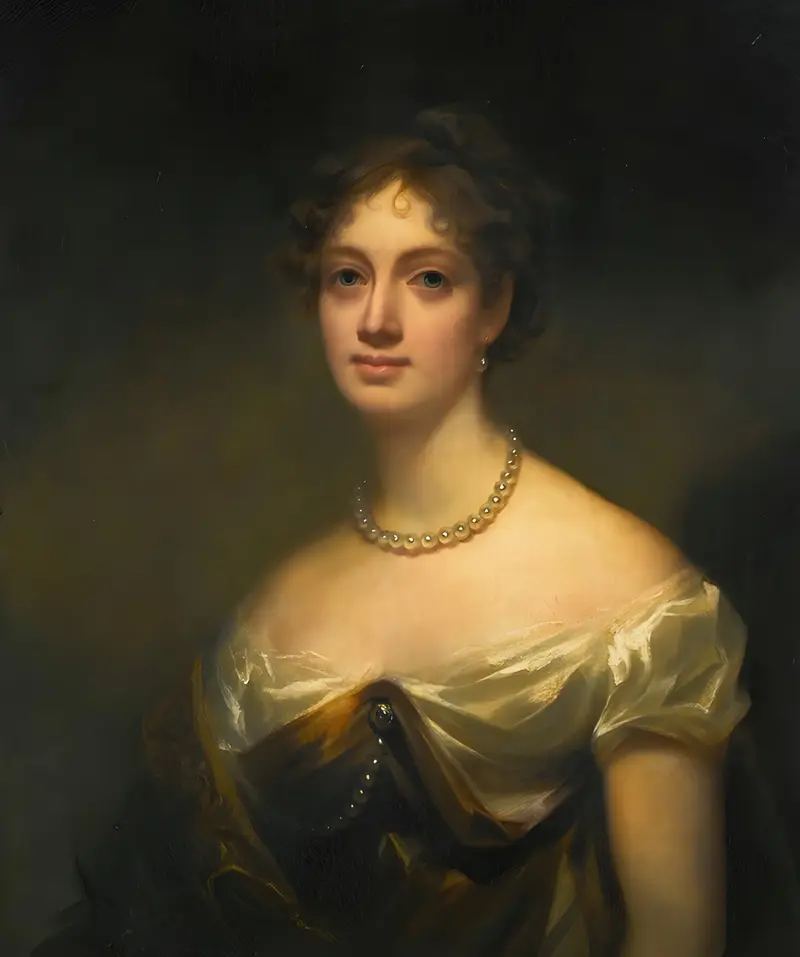
Portrait Of Anne Blair Maconochie Welwood Of Garvock, Lady Meadowbank (1784–1866)
Sir Henry Raeburn
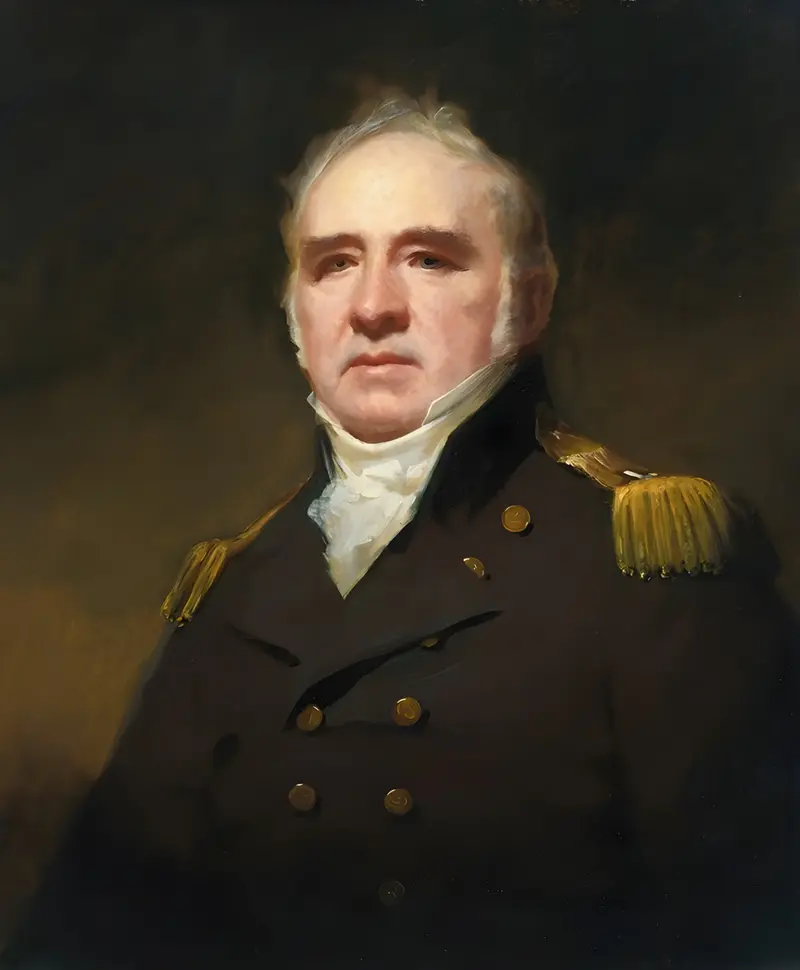
Portrait Of Captain James Forbes-Drummond, R.N., Of Hawthornden
Sir Henry Raeburn
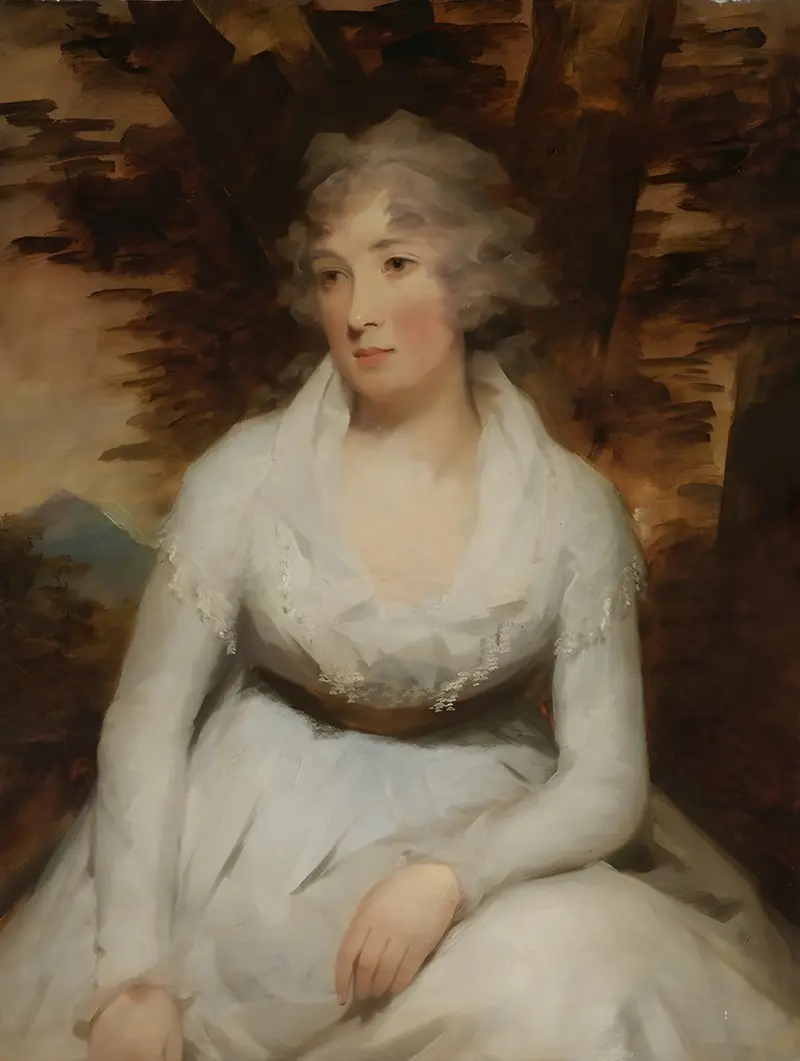
Miss Elizabeth Dalrymple (afterwards Mrs. George Leith)
Sir Henry Raeburn
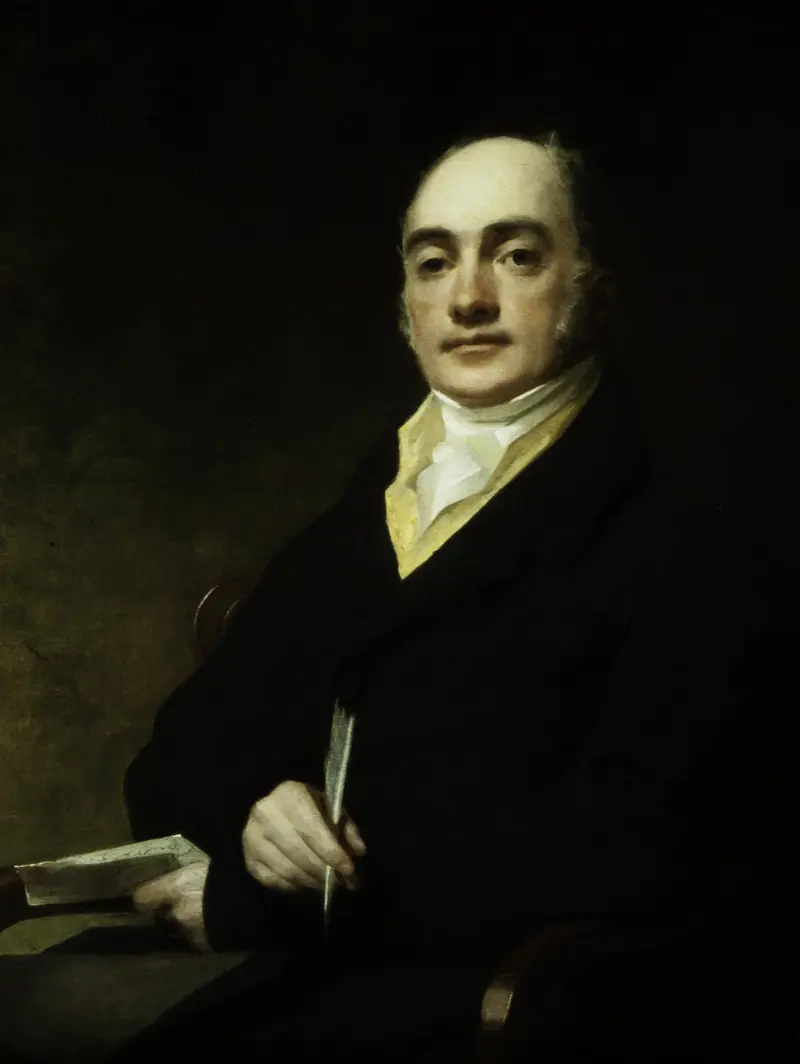
Portrait of John Baillie (1772-1833)
Sir Henry Raeburn
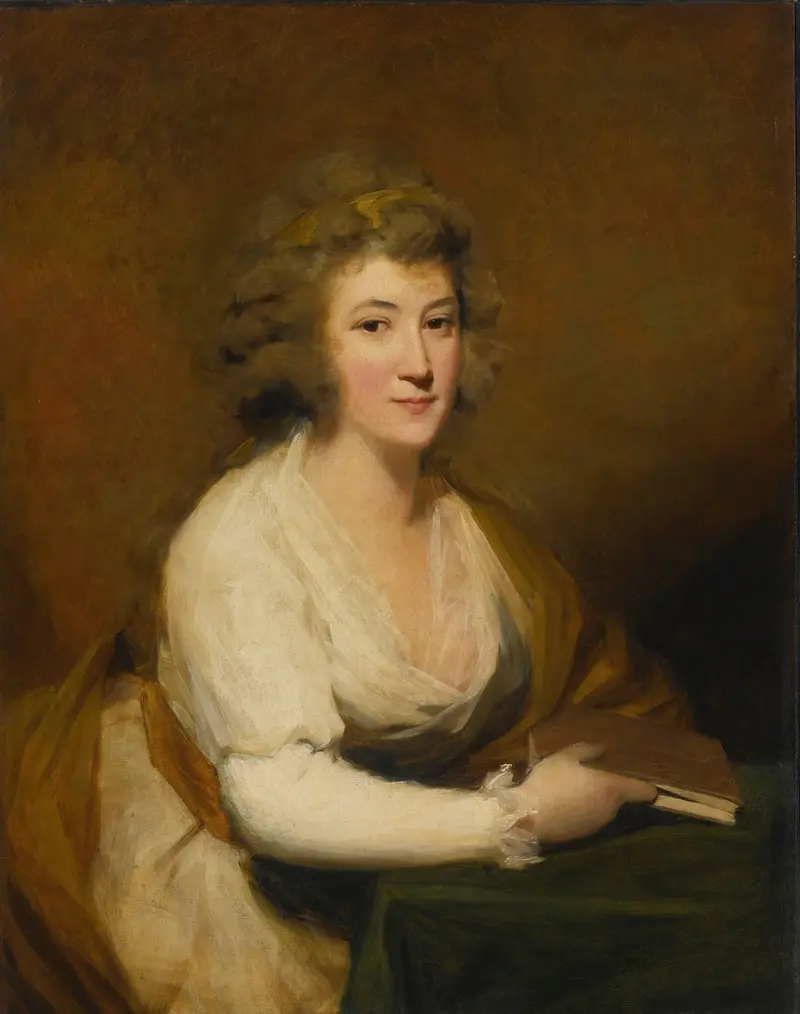
Portrait Of Lady Nasmyth, In A White Dress And Brown Shawl, Seated At A Table, Holding A Book
Sir Henry Raeburn
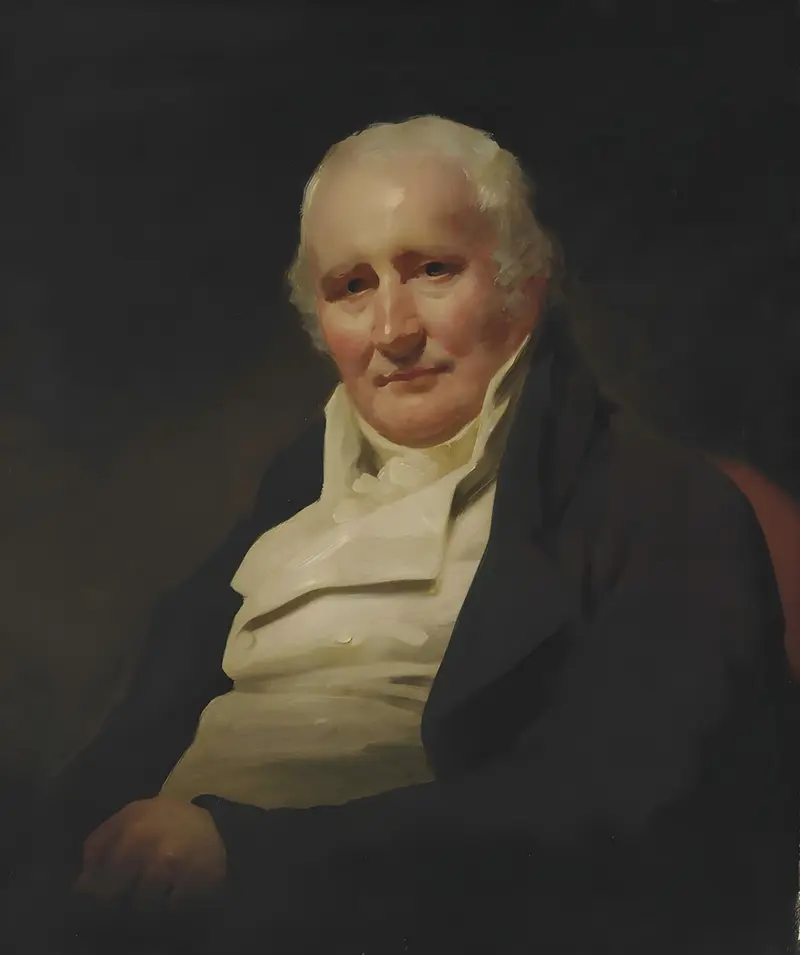
Portrait Of Mr. Spottiswood
Sir Henry Raeburn
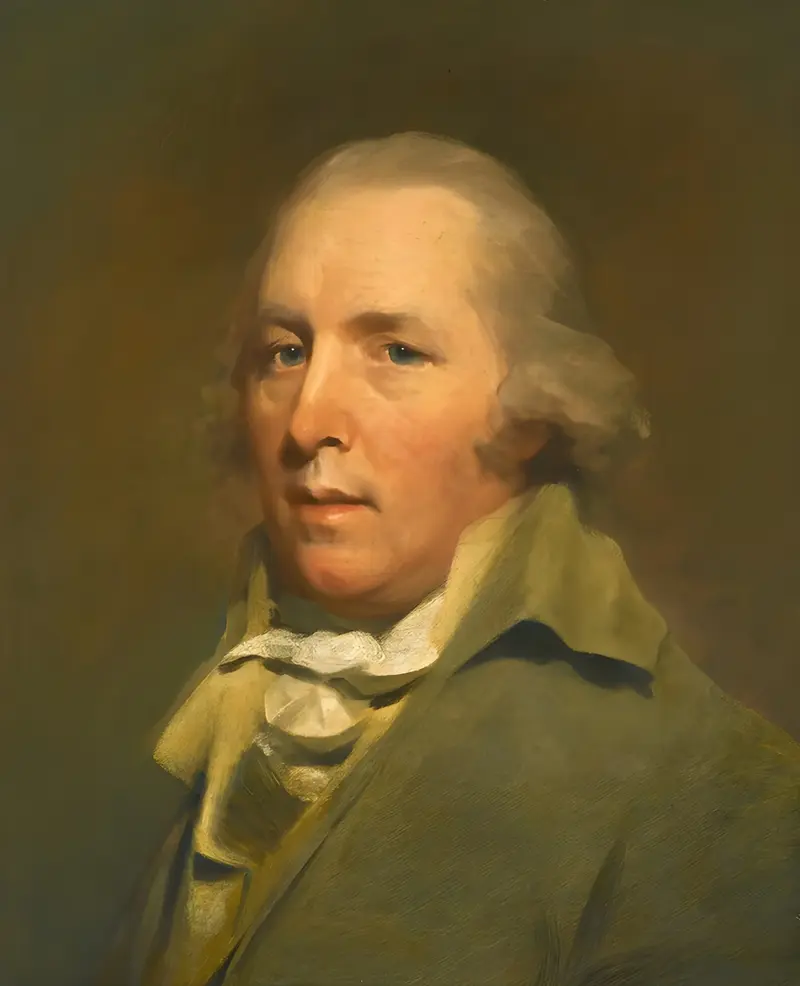
Portrait Of The Reverend John Home (1722-1808)
Sir Henry Raeburn
Portrait of William Hunt (c.1796-1854), Pittencrief House, Dunfermline
Sir Henry Raeburn





