
Portrait of an Elderly Lady in a Bonnet: Red Background — History & Facts
When Mary Cassatt exhibited Portrait of an Elderly Lady in a Bonnet: Red Background in 1887, critics immediately took note of its bold departure from the pastel domesticity that had made her reputation. The painting’s vivid red backdrop, rare in her oeuvre, drew particular attention and sparked speculation about the sitter’s identity—some suggested a family member, while others saw a tribute to the aging women Cassatt so often painted with empathy and respect. The work stands out for its psychological intensity, with one contemporary reviewer remarking on the “quiet dignity” of the subject’s gaze. Cassatt captures her sitter at rest, yet fully present, hands folded in her lap beneath a crisp white bonnet.
The woman’s face, lined with age, is rendered with a directness that refuses sentimentality. The red background, flat and unmodulated, pushes the figure forward, making her presence almost confrontational. Unlike the soft interiors of Berthe Morisot or the social scenes of Edgar Degas, Cassatt’s focus here is on the individual, stripped of setting or distraction.
The bonnet, a symbol of respectability and tradition, frames the face like a halo, while the sitter’s steady gaze meets the viewer with a mixture of reserve and quiet strength. The painting’s early provenance remains unclear, as is often the case with Cassatt’s privately commissioned portraits from the 1880s. It likely remained in the possession of the sitter’s family for some decades before entering a public collection. Today, Portrait of an Elderly Lady in a Bonnet: Red Background is valued as a rare example of Cassatt’s engagement with portraiture outside her more familiar mother-and-child theme.
It marks a period when she was experimenting with color and composition, pushing the boundaries of Impressionism and laying the groundwork for her later, more daring works.
More Artworks by Mary Cassatt

The Child's Bath
Mary Cassatt
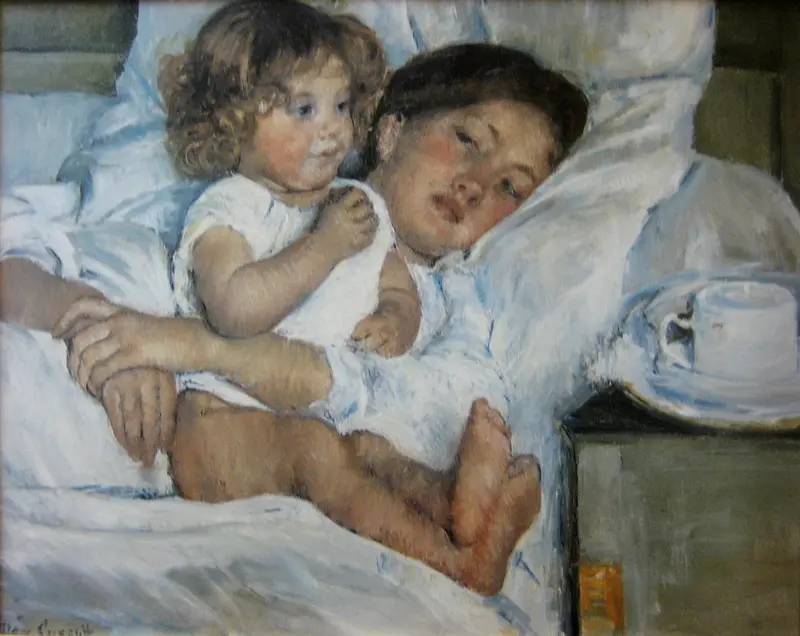
Breakfast in Bed
Mary Cassatt

Mother and Child (Baby Getting Up from His Nap)
Mary Cassatt
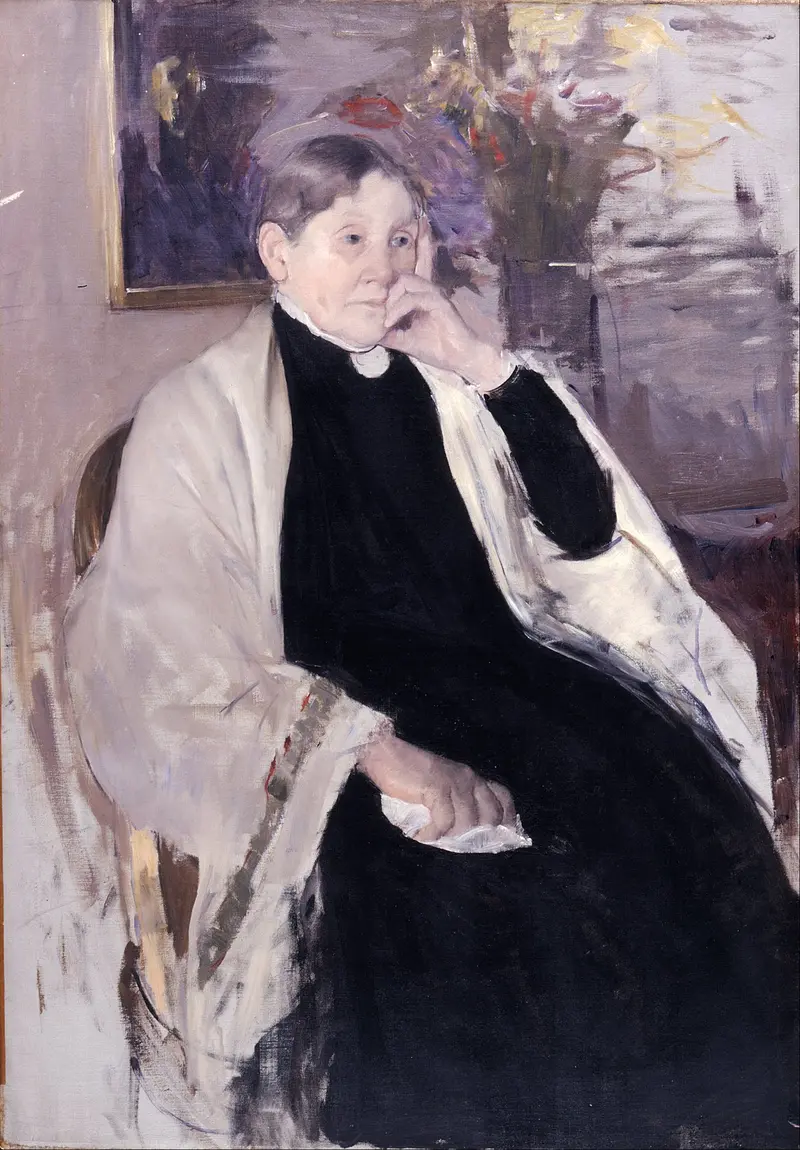
Mrs. Robert S. Cassatt, the Artist's Mother
Mary Cassatt
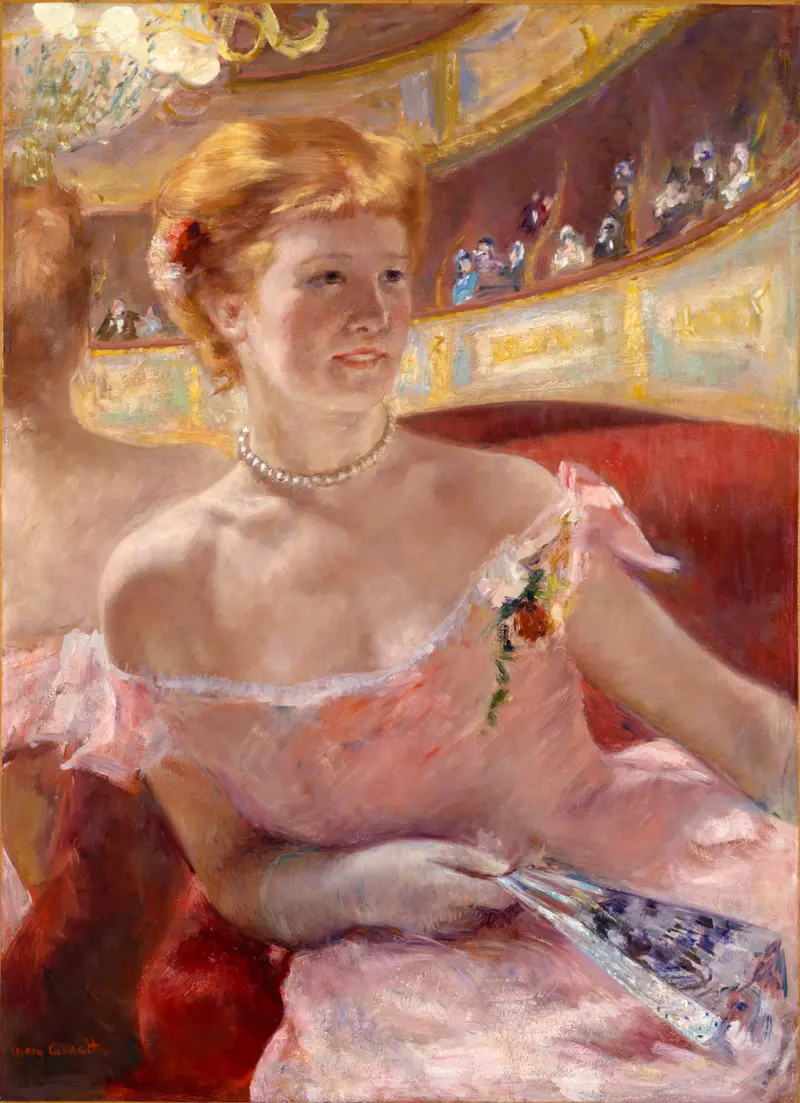
Woman with a Pearl Necklace in a Loge
Mary Cassatt
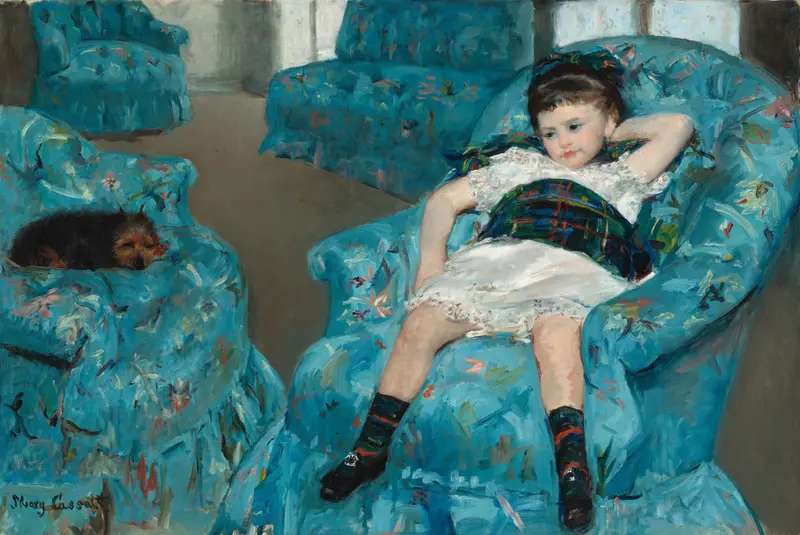
Little Girl in a Blue Armchair
Mary Cassatt
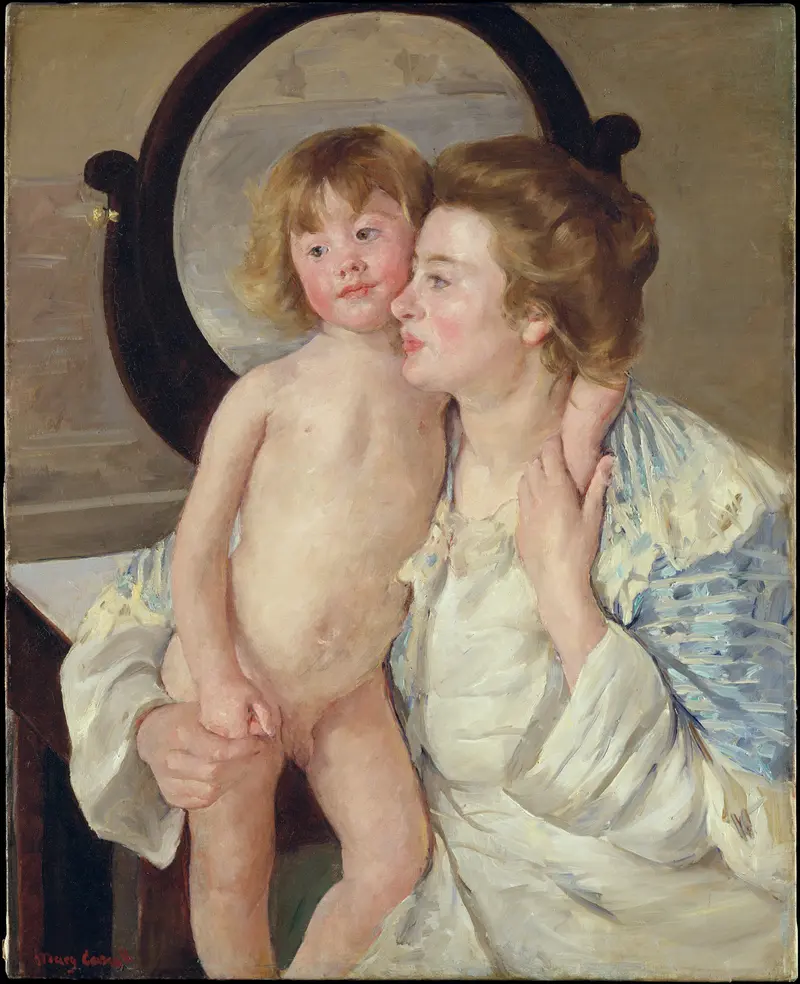
Mother and Child (The Oval Mirror)
Mary Cassatt
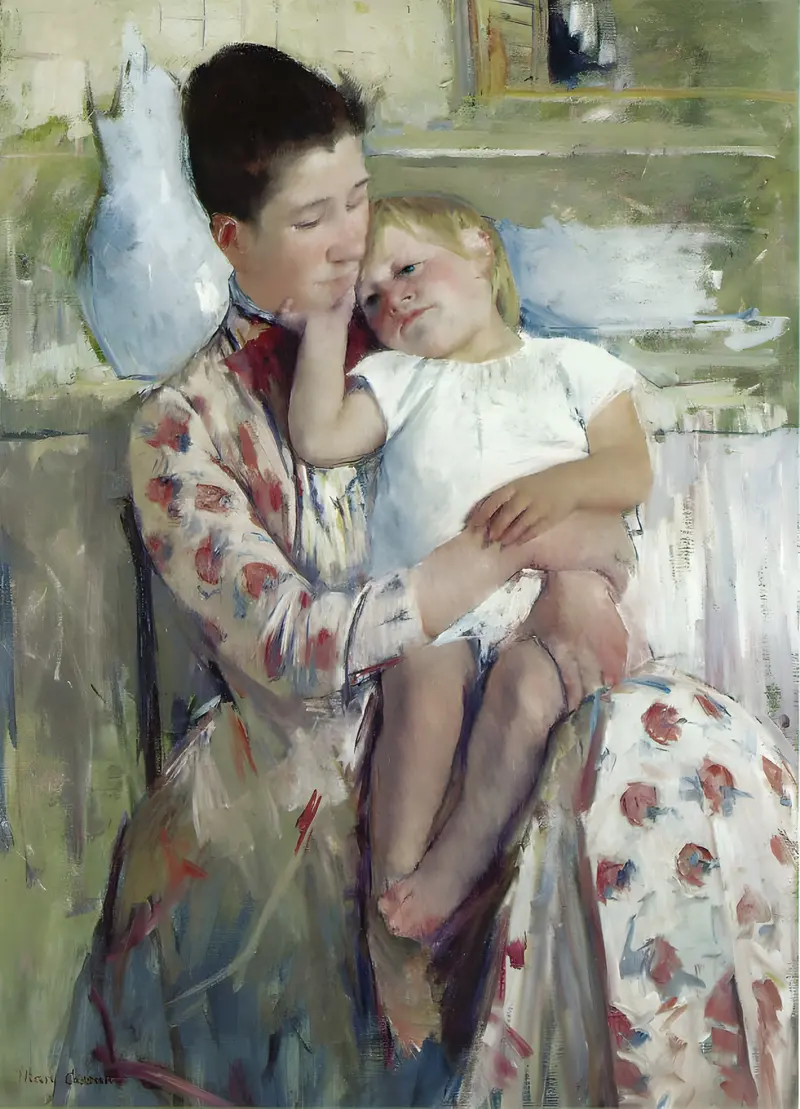
Mother and Child
Mary Cassatt
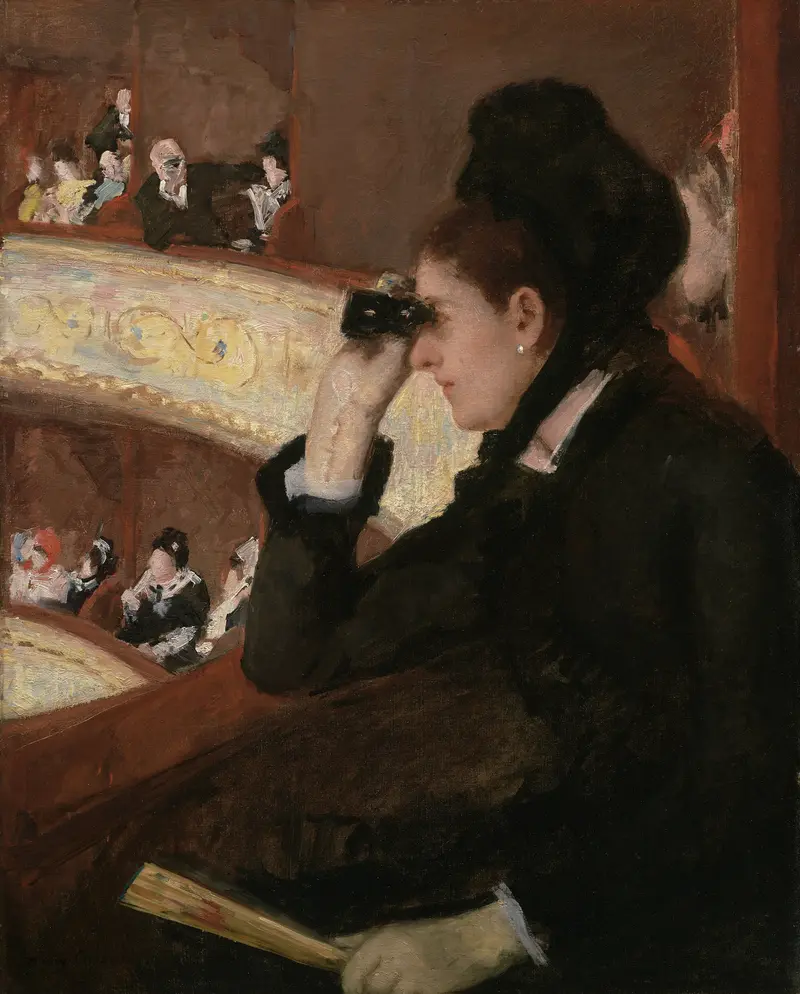
In The Loge
Mary Cassatt
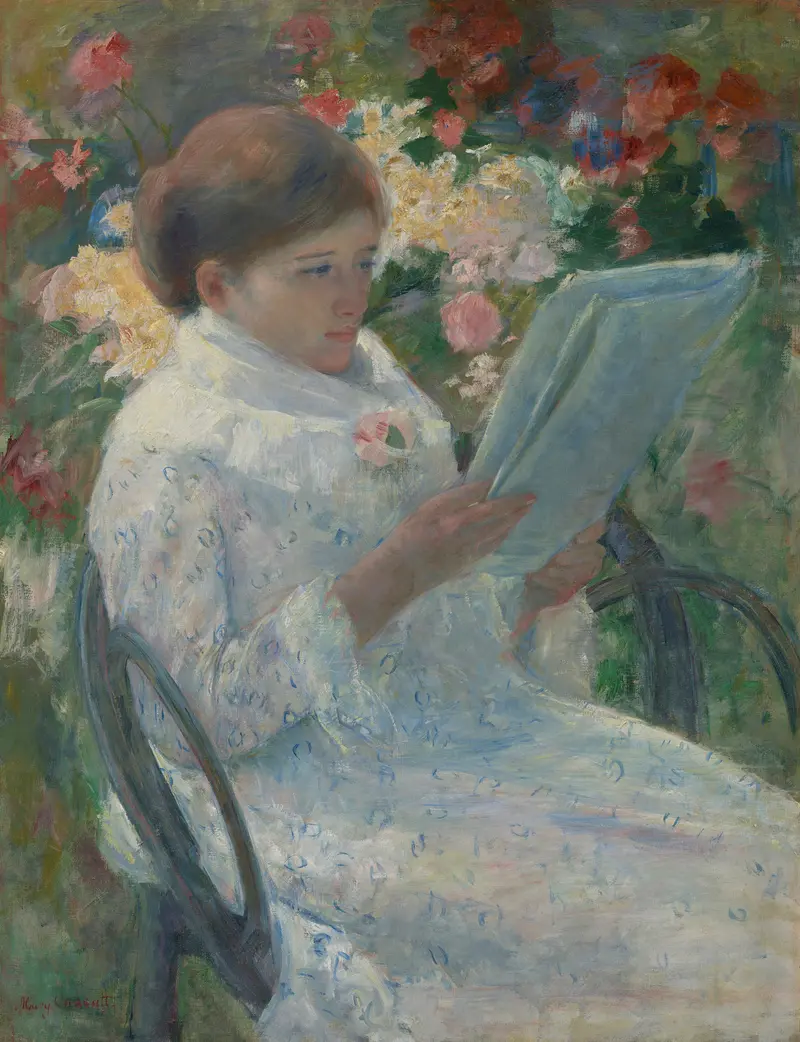
On a Balcony
Mary Cassatt





