
Portrait of Edvard Munch — History & Facts
What first catches the eye in Portrait of Edvard Munch by Akseli Gallen-Kallela is the thick, almost sculptural play of shadow and golden light across the sitter’s face—a face that seems both present and withdrawn, caught in a private current of thought. The painter leads us in close, the background dissolving into darkness so that the drama of the portrait is all in the posture and the gaze. Munch’s head tilts downward, his eyes fixed somewhere just out of reach, the set of his mouth neither wholly relaxed nor tense.
The suit is rendered in deep, enveloping browns and blacks, but a flash of green in the tie draws the eye to the heart, as if to suggest that the inner life is where the real color lies. The brushwork is confident, the modeling of the face almost theatrical in its use of light, and yet the effect is one of intimacy rather than spectacle. Painted in 1895, this work belongs to a period when artists across Europe were probing the boundaries of the portrait, using it as a stage for psychological exploration as much as for likeness. The late nineteenth century saw the rise of the artist-as-celebrity and the intellectual circle, and portraits like this one were as much about capturing a reputation as a face.
Akseli Gallen-Kallela was a contemporary of Edvard Munch, and both men were part of a restless generation that sought new ways to express the anxieties and ambitions of modern life. While history has kept few traces of this specific painting’s journey, its presence in the Bridgeman Art Library today is a reminder of how artists once painted each other not just as friends or rivals, but as living symbols of an age. The longer you look, the more the sitter’s inwardness seems to invite your own.
More Artworks by Akseli Gallen-Kallela
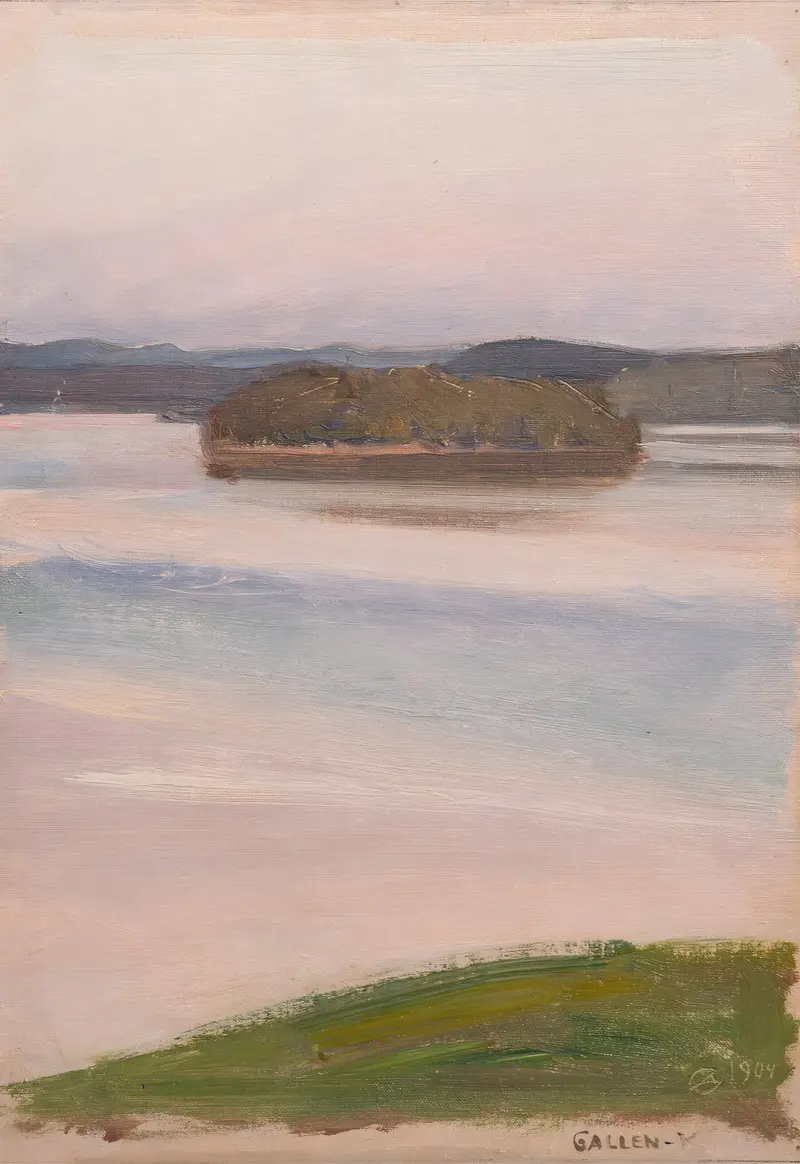
Lake Keitele
Akseli Gallen-Kallela
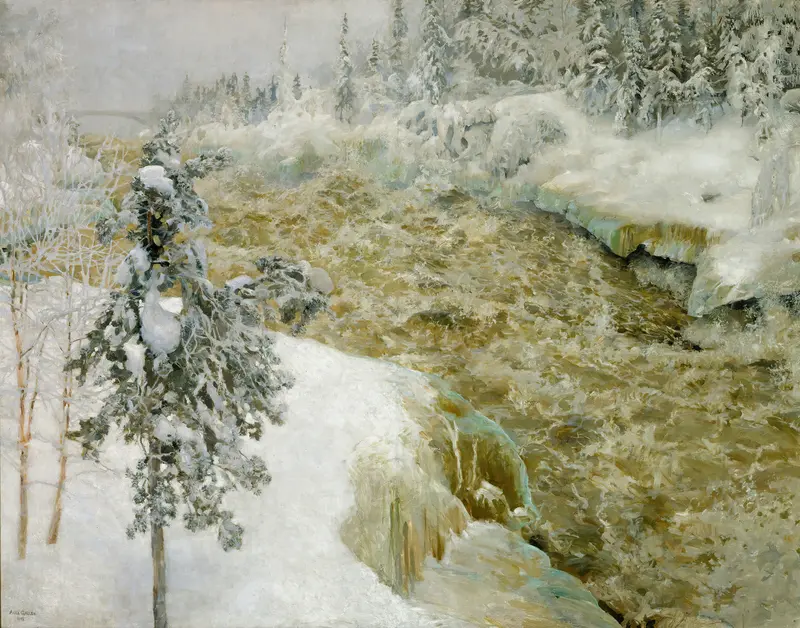
Imatra Falls in Snow ; Imatra in Winter
Akseli Gallen-Kallela
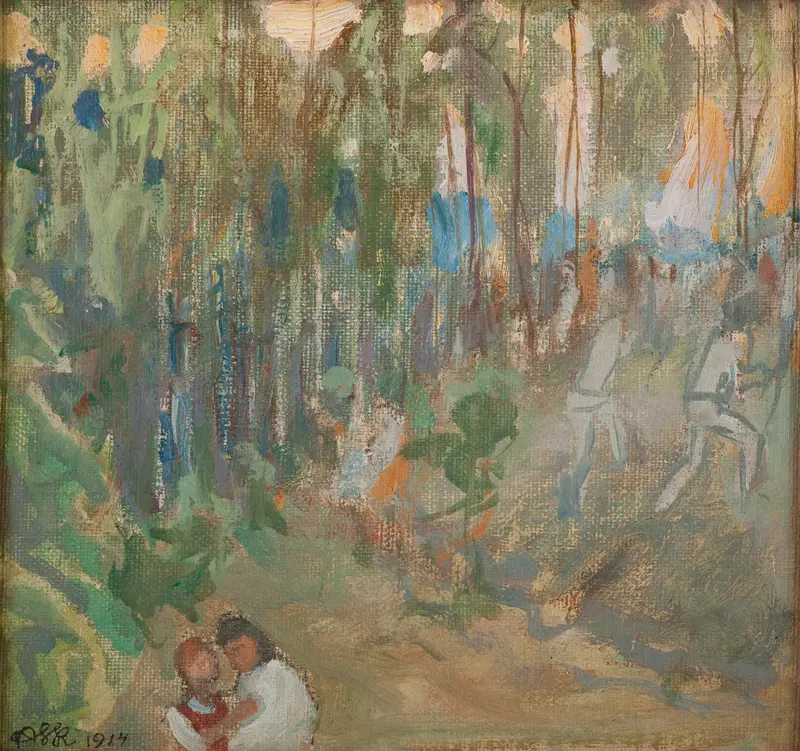
Vainovalkeat
Akseli Gallen-Kallela
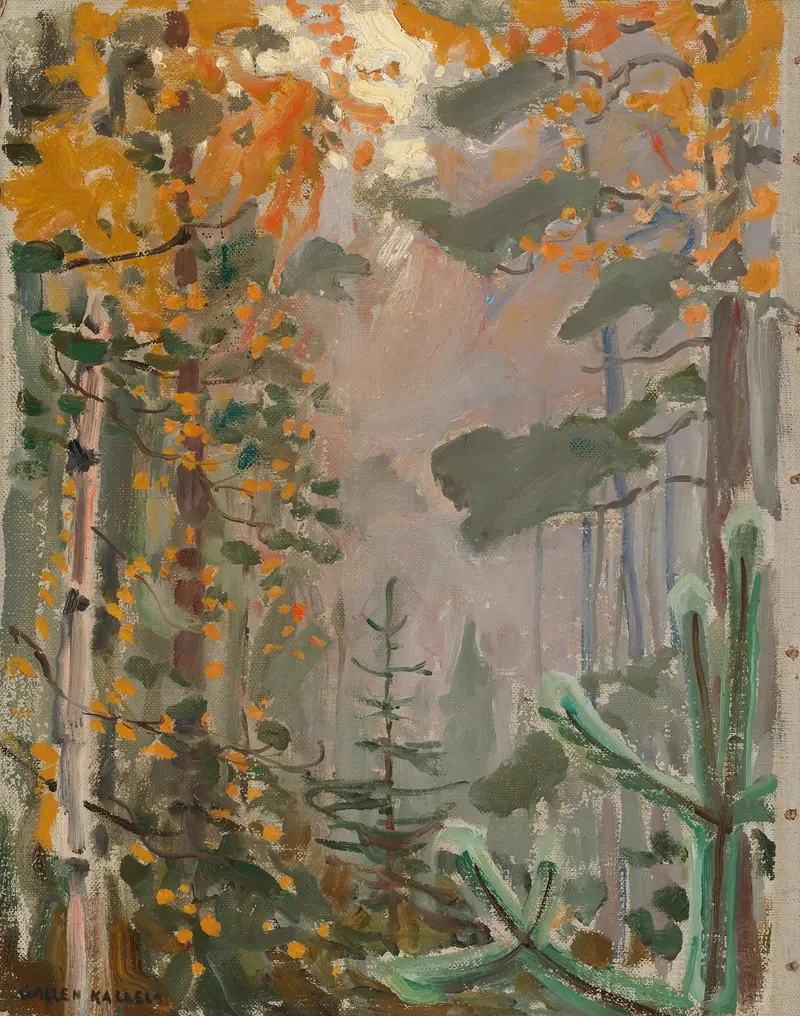
Autumn Landscape
Akseli Gallen-Kallela
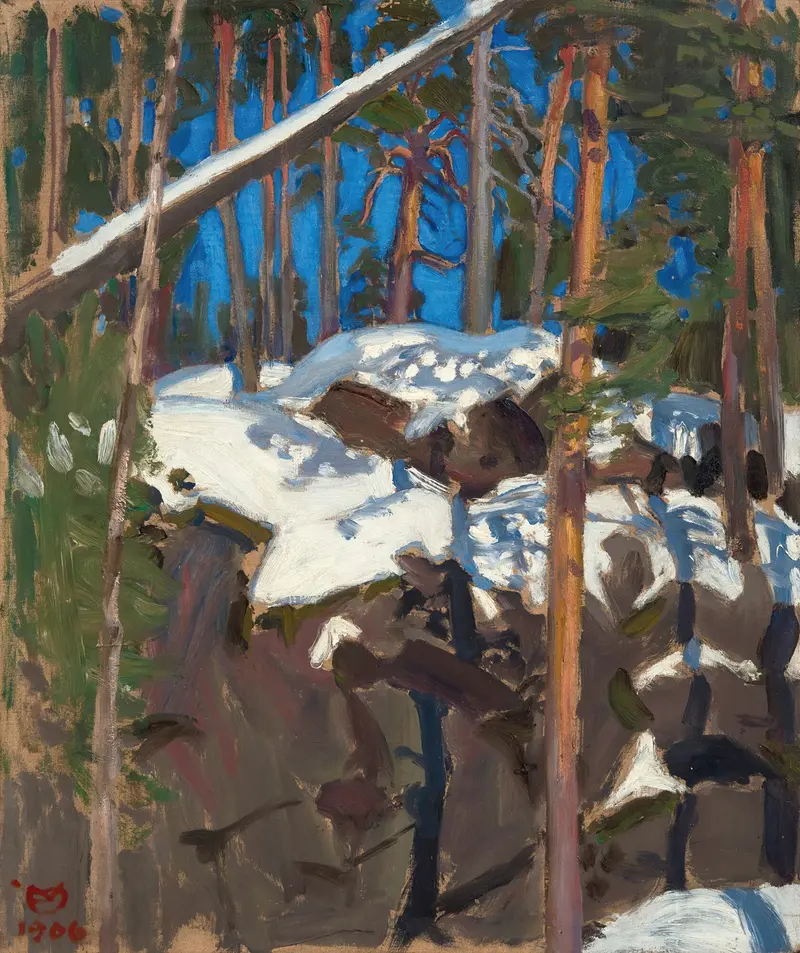
Spring Sun At Konginkangas
Akseli Gallen-Kallela
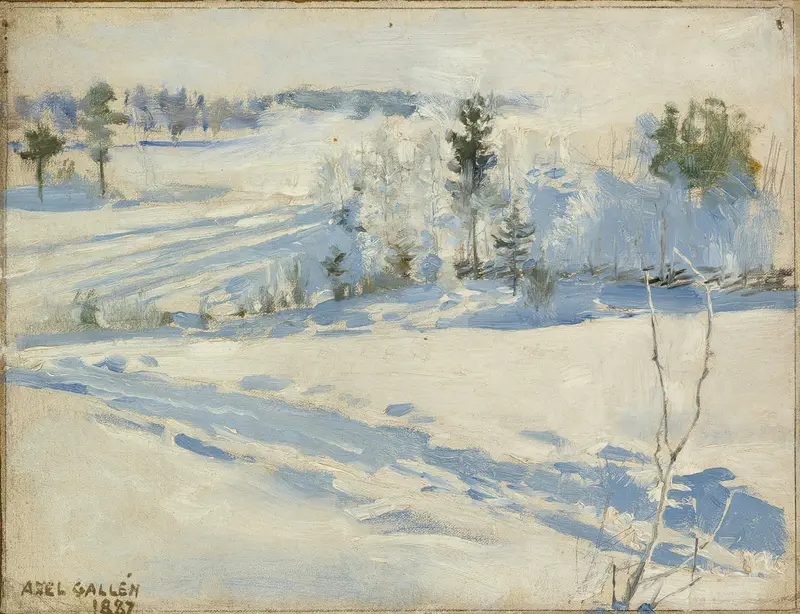
Winter Landscape
Akseli Gallen-Kallela

First Snow
Akseli Gallen-Kallela
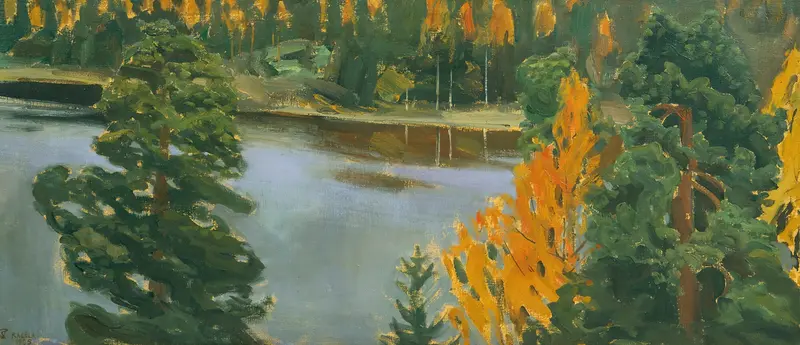
Lake View In Autumn
Akseli Gallen-Kallela
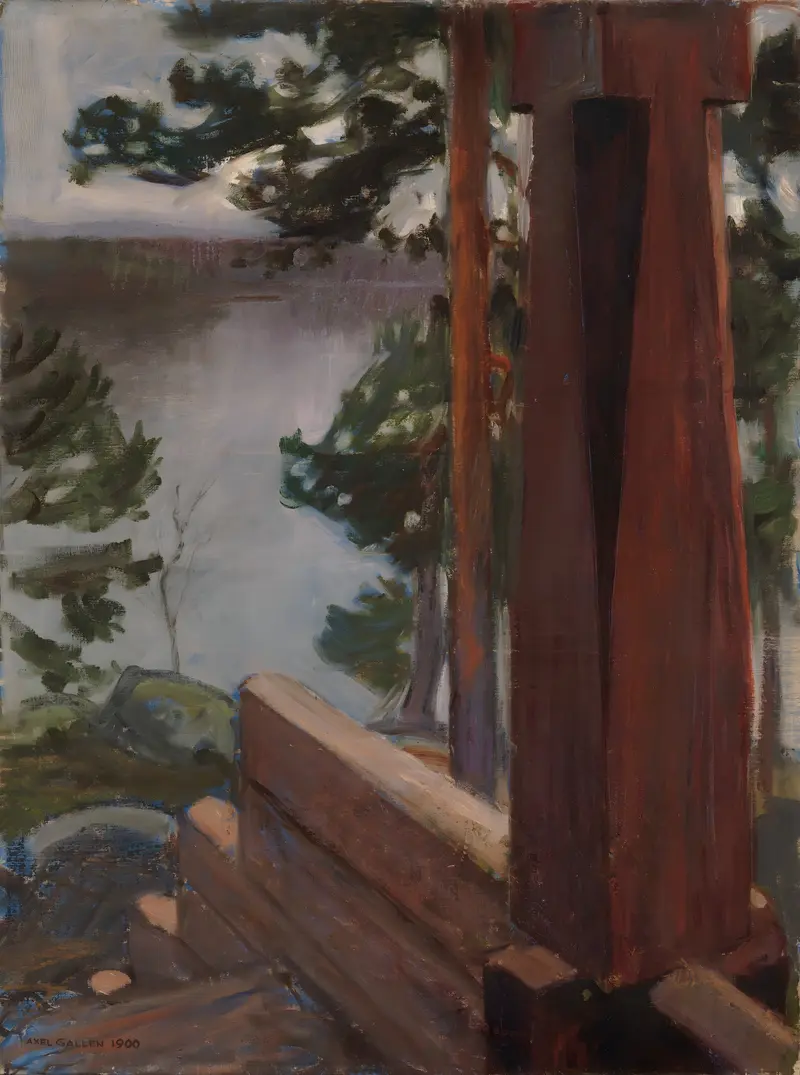
The Kalela Porch
Akseli Gallen-Kallela

Light Behind The Clouds
Akseli Gallen-Kallela





