
Portrait Of Lieutenant General William Stuart — History & Facts
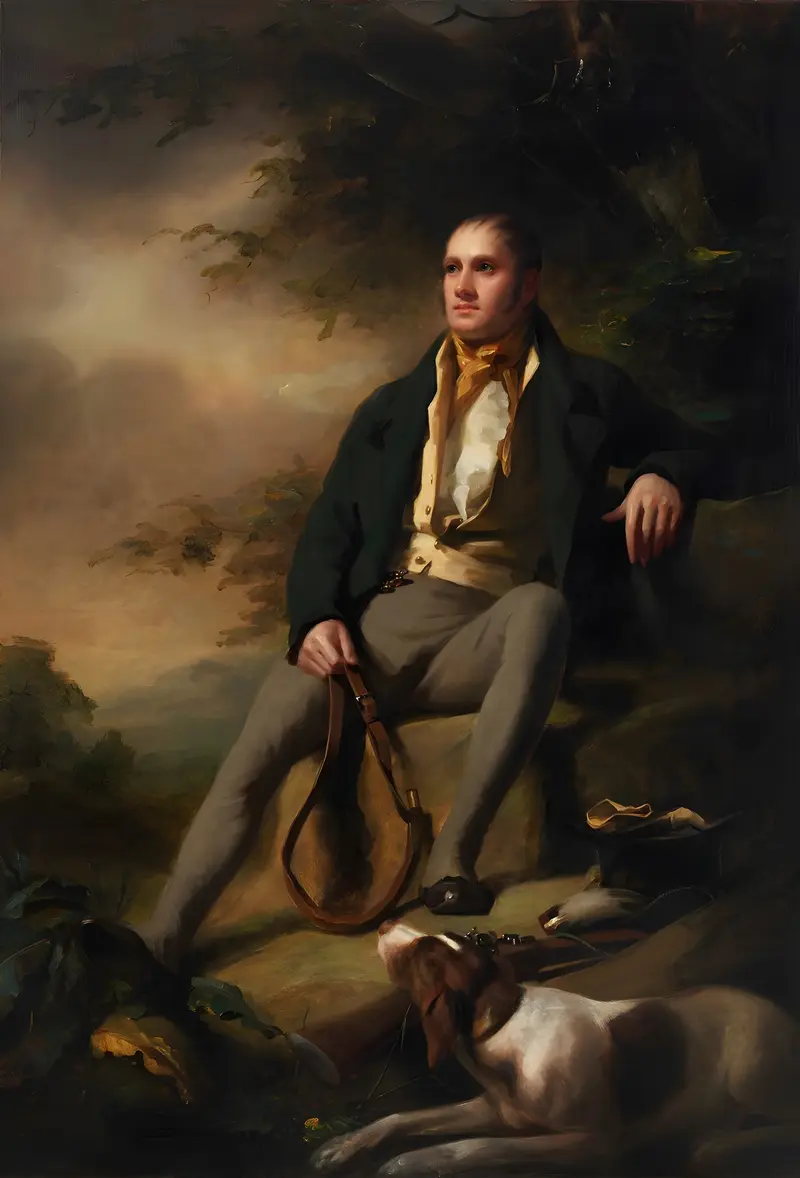
Lieutenant General William Stuart, the subject of this portrait, was not only a decorated officer but also a figure at the heart of Britain’s turbulent Napoleonic era. His military career spanned some of the most significant campaigns of the late 18th and early 19th centuries, including the Peninsular War, where British fortunes in Spain and Portugal often hung in the balance. The portrait’s origins are shrouded in some mystery: while Sir Henry Raeburn was celebrated for his likenesses of Edinburgh’s elite, it is not clear whether this commission came directly from Stuart himself or was a tribute from his regiment or family.
What is certain is that the painting stands as a rare visual testament to a soldier whose life was shaped by war and empire. Raeburn captures Stuart at a moment of composed authority, his gaze steady and his uniform immaculate, the gold braid and crimson sash unmistakable marks of rank and honor. The general’s posture, upright yet relaxed, suggests both readiness and confidence, while the soft illumination across his face and chest draws the viewer’s eye to the man rather than the trappings of his station. Unlike the martial bombast of Thomas Lawrence’s military portraits, Raeburn’s approach is quieter, more introspective, focusing on character rather than spectacle.
The absence of battlefield or weaponry shifts the emphasis from action to presence, inviting us to consider the burdens and responsibilities behind the uniform. The painting’s subsequent history is less well documented than that of many of Raeburn’s works. It likely remained in the Stuart family for several generations, as was customary for portraits of prominent ancestors, before entering the art market in the late 19th or early 20th century. Attribution to Sir Henry Raeburn has never been seriously questioned, thanks to the distinctive brushwork and psychological insight characteristic of his mature style.
Today, Portrait Of Lieutenant General William Stuart is recognized as a significant example of British portraiture from the period, offering a window into both the sitter’s world and the artist’s evolving vision.
More Artworks by Sir Henry Raeburn

Portrait of Hugh Hope
Sir Henry Raeburn
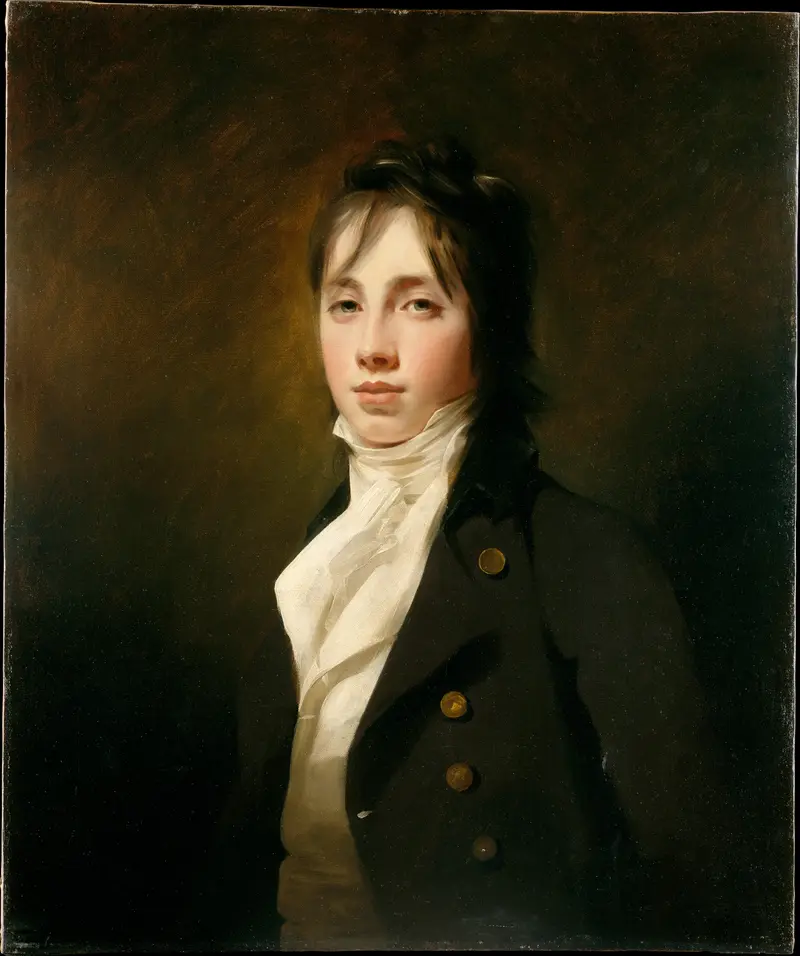
William Fraser of Reelig (1784–1835)
Sir Henry Raeburn
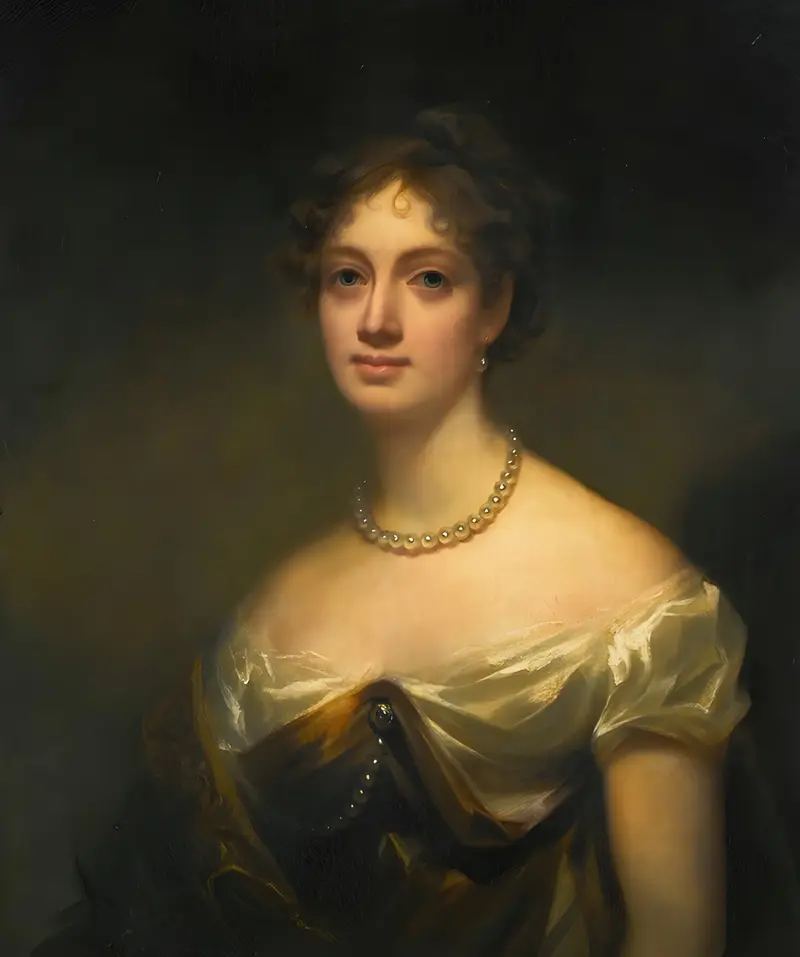
Portrait Of Anne Blair Maconochie Welwood Of Garvock, Lady Meadowbank (1784–1866)
Sir Henry Raeburn
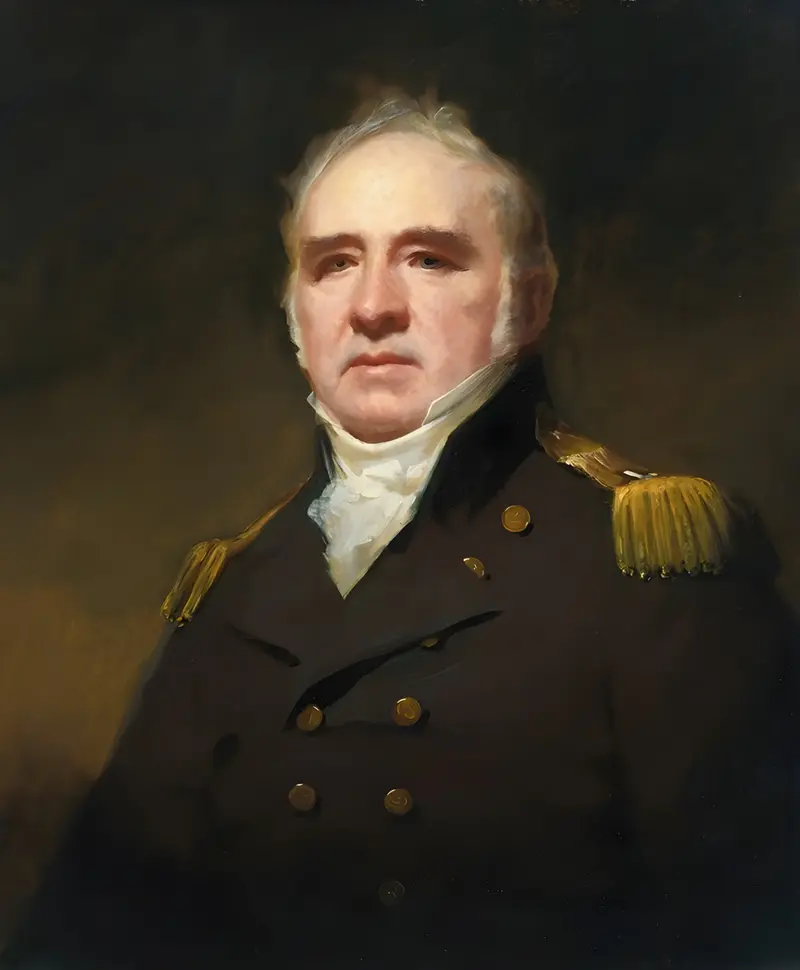
Portrait Of Captain James Forbes-Drummond, R.N., Of Hawthornden
Sir Henry Raeburn
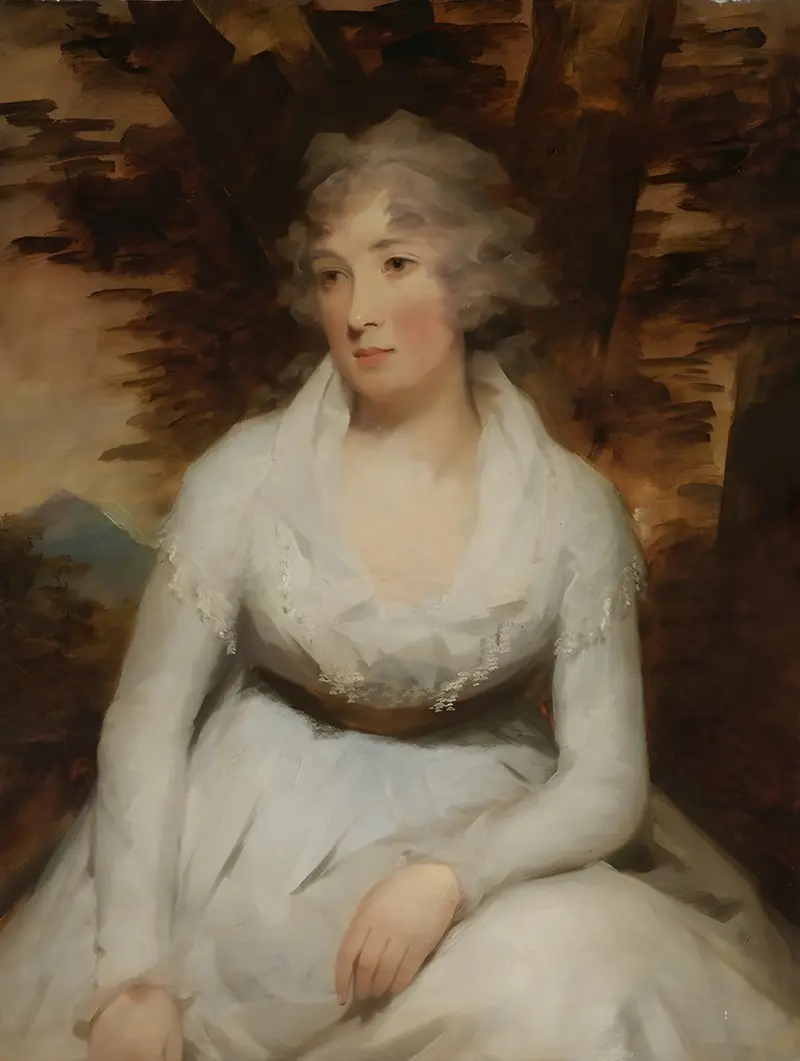
Miss Elizabeth Dalrymple (afterwards Mrs. George Leith)
Sir Henry Raeburn
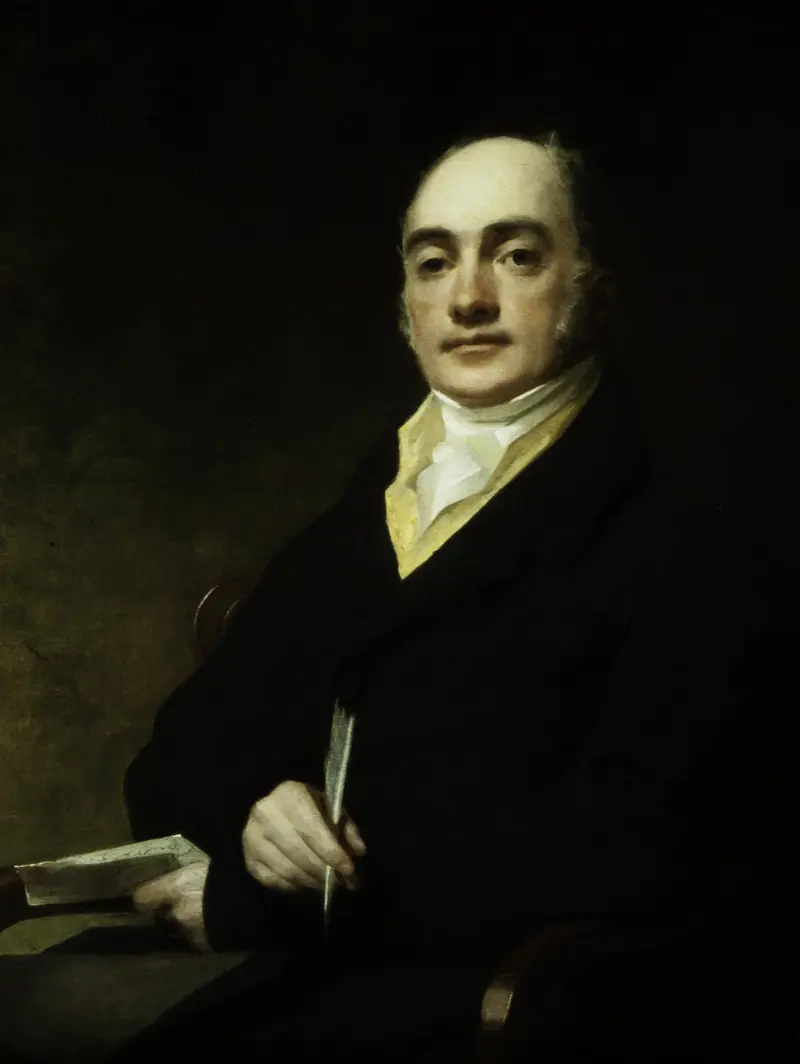
Portrait of John Baillie (1772-1833)
Sir Henry Raeburn
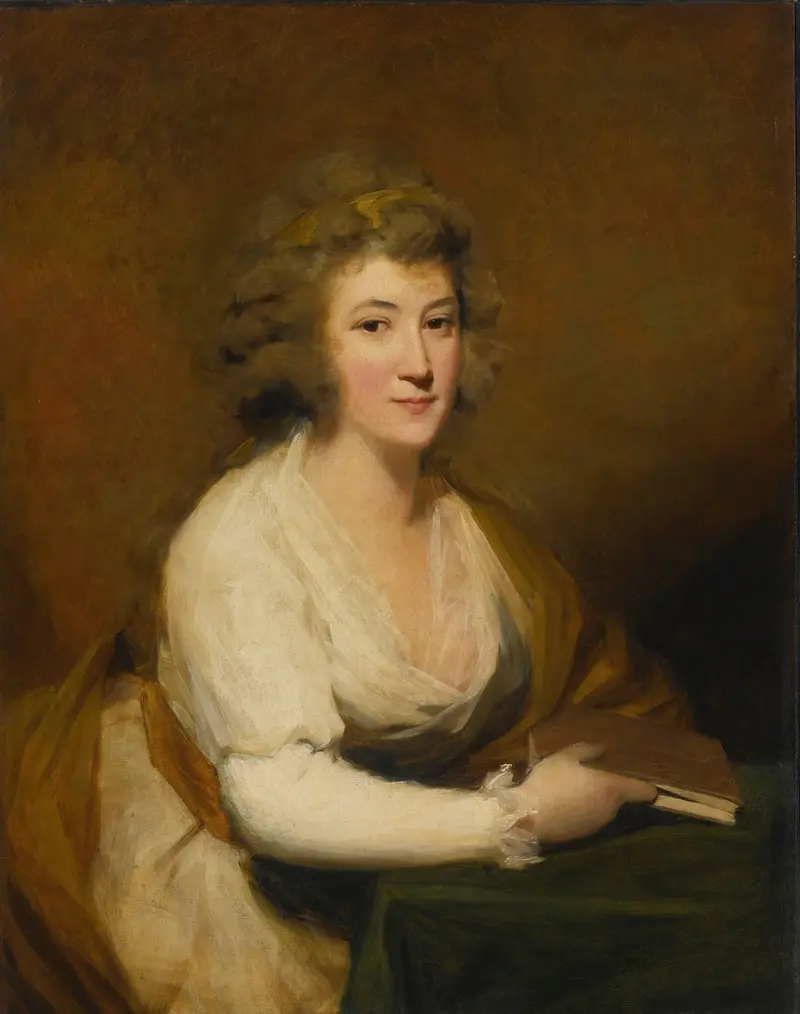
Portrait Of Lady Nasmyth, In A White Dress And Brown Shawl, Seated At A Table, Holding A Book
Sir Henry Raeburn
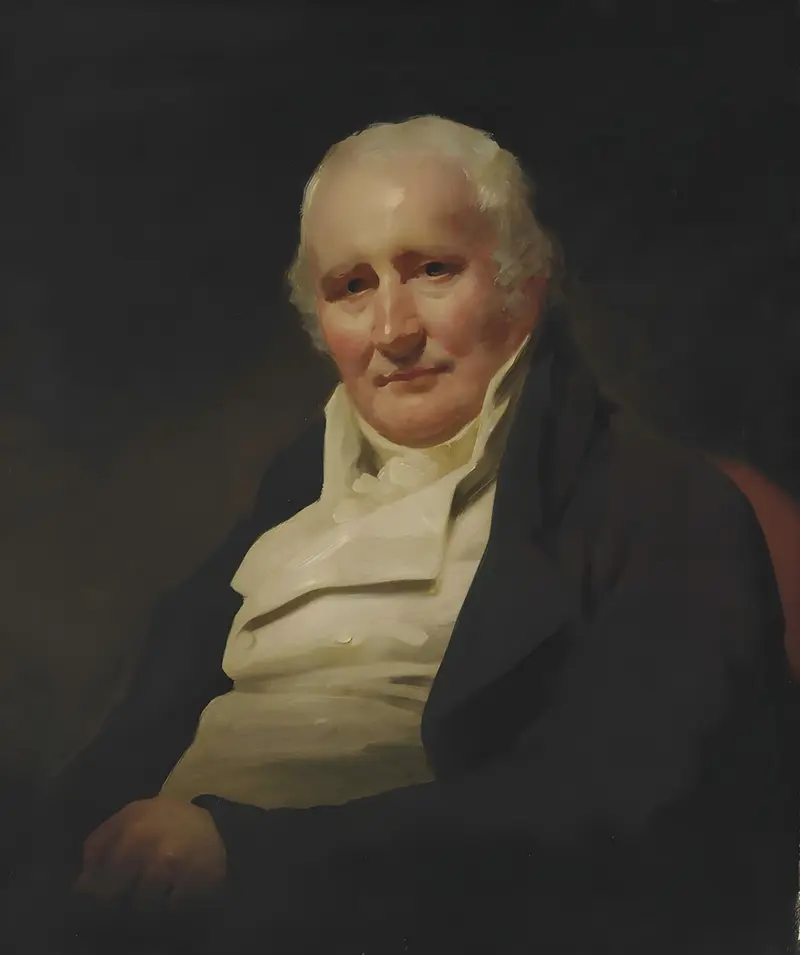
Portrait Of Mr. Spottiswood
Sir Henry Raeburn
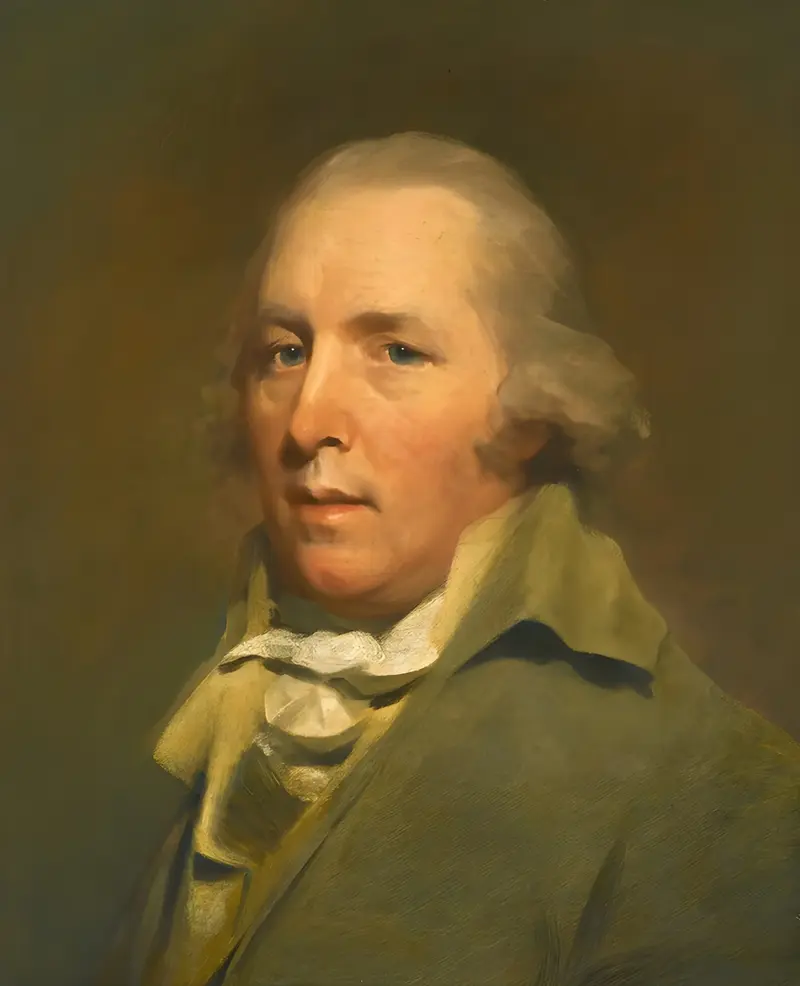
Portrait Of The Reverend John Home (1722-1808)
Sir Henry Raeburn
Portrait of William Hunt (c.1796-1854), Pittencrief House, Dunfermline
Sir Henry Raeburn





