
Portrait of Madame Jacques Ignace Hittorf as Juno — History & Facts
When Jean Auguste Dominique Ingres painted Portrait of Madame Jacques Ignace Hittorf as Juno in 1864, he was nearing the end of his storied career, and the sitter’s transformation into the queen of the gods was a pointed tribute to both her status and his own classical ideals. The portrait was commissioned by Jacques Ignace Hittorf, a celebrated architect of the Second Empire, as a homage to his wife and to Ingres’s own reputation as the last great standard-bearer of French Neoclassicism. This painting stands out as one of Ingres’s final completed portraits, and it is remarkable for its fusion of portraiture and mythology—a genre he had revisited throughout his life, but rarely with such personal resonance. Ingres chooses the moment of serene authority: Madame Hittorf, costumed as Juno, sits enthroned, her gaze steady and imperious.
The peacock feather fan at her side is a direct allusion to Juno’s sacred bird, symbolizing majesty and watchfulness, while the diadem in her hair echoes ancient Roman statuary. Her hands rest on a jeweled scepter, reinforcing the mythic role, but the delicate rendering of her features and the subtle play of light across her face recall the intimate realism of Ingres’s earlier portraits. Unlike the tempestuous drama of Peter Paul Rubens’s Juno depictions, Ingres’s version is cool, poised, and almost architectural, befitting both sitter and artist. The painting’s subsequent history is less dramatic than its conception, but it reflects the shifting tastes of the late nineteenth and early twentieth centuries.
Remaining in the Hittorf family for several generations, Portrait of Madame Jacques Ignace Hittorf as Juno was little exhibited and largely unknown to the wider public until the resurgence of interest in Ingres’s late works. Today, it is recognized as a testament to his enduring fascination with antiquity and the idealized feminine, and it marks a fitting coda to his long engagement with the portrait genre. The painting’s current location is not widely publicized, and its medium—whether oil on canvas or another support—remains a subject of scholarly inquiry.
More Artworks by Jean Auguste Dominique Ingres
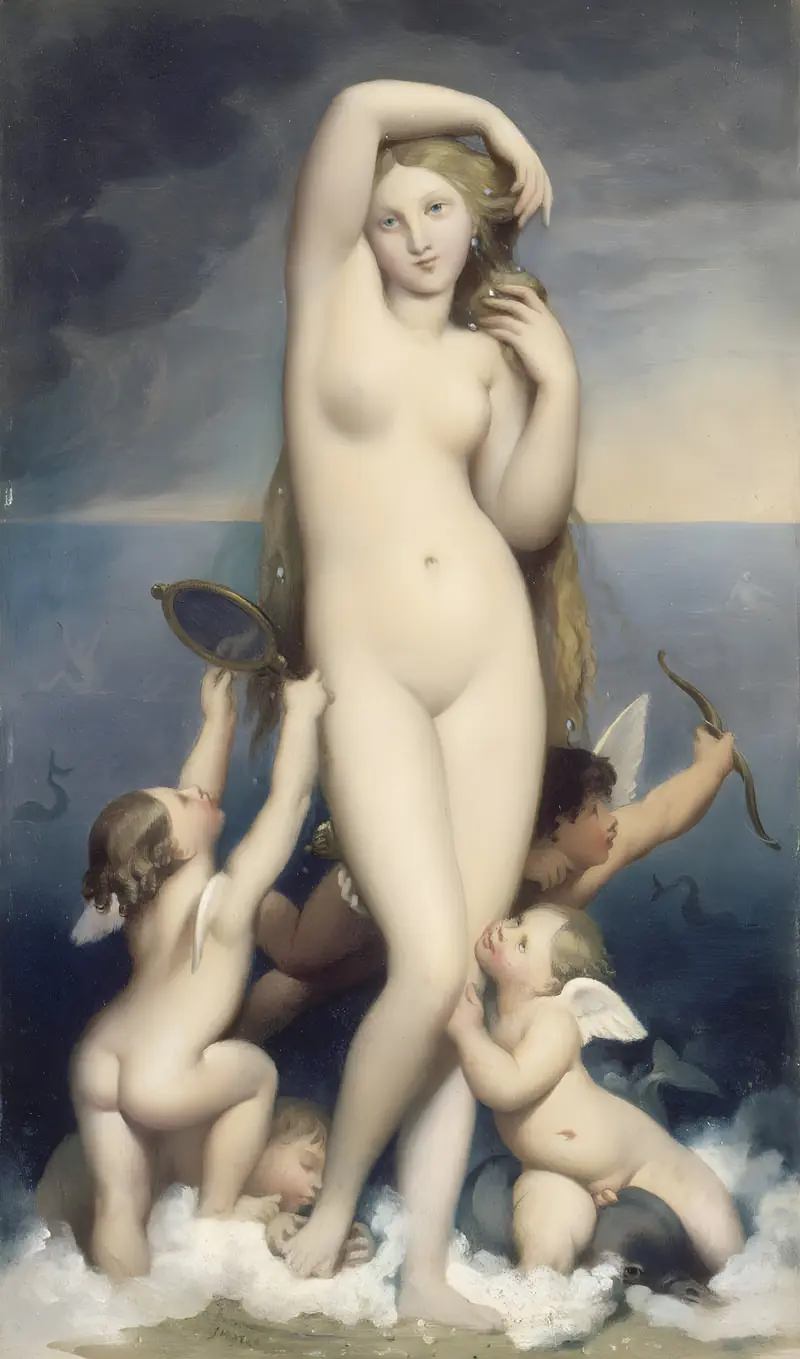
Vénus anadyomène
Jean Auguste Dominique Ingres
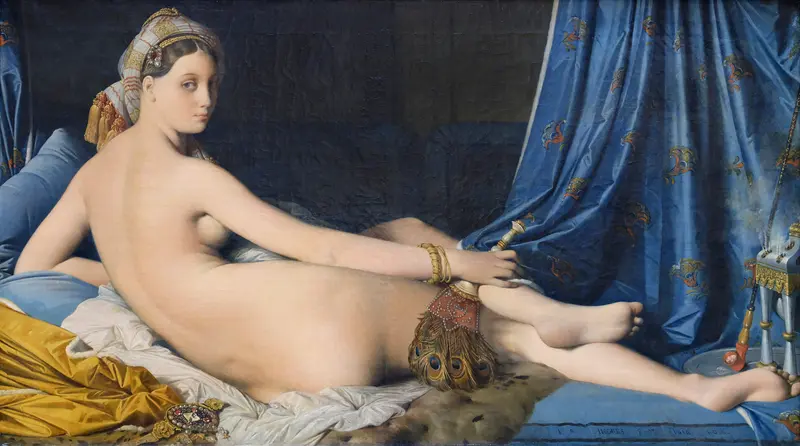
Grande Odalisque
Jean Auguste Dominique Ingres
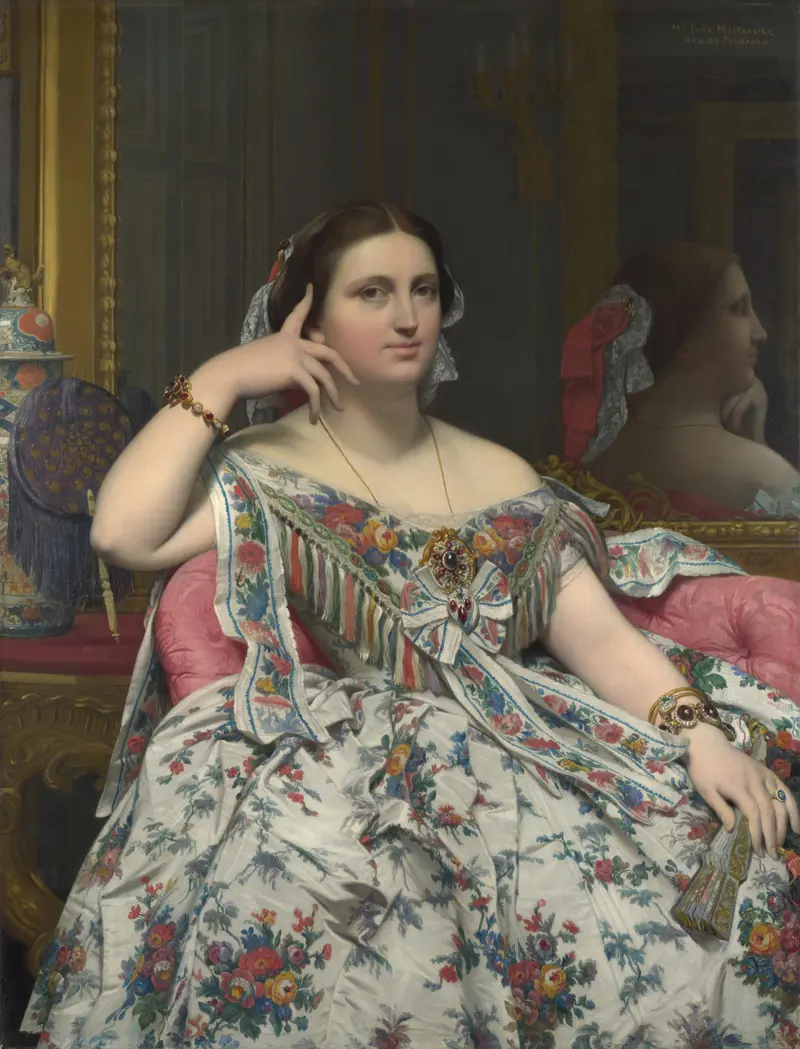
Madame Moitessier (seated)
Jean Auguste Dominique Ingres
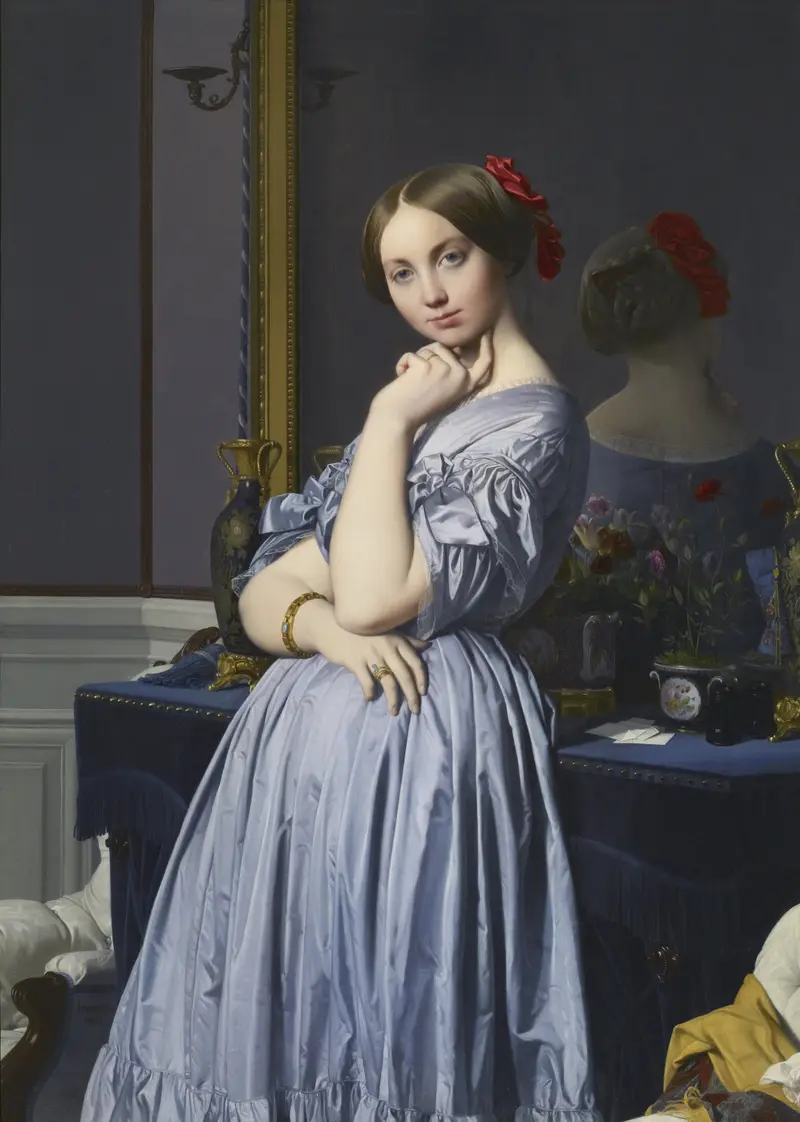
Portrait of Comtesse d’Haussonville
Jean Auguste Dominique Ingres
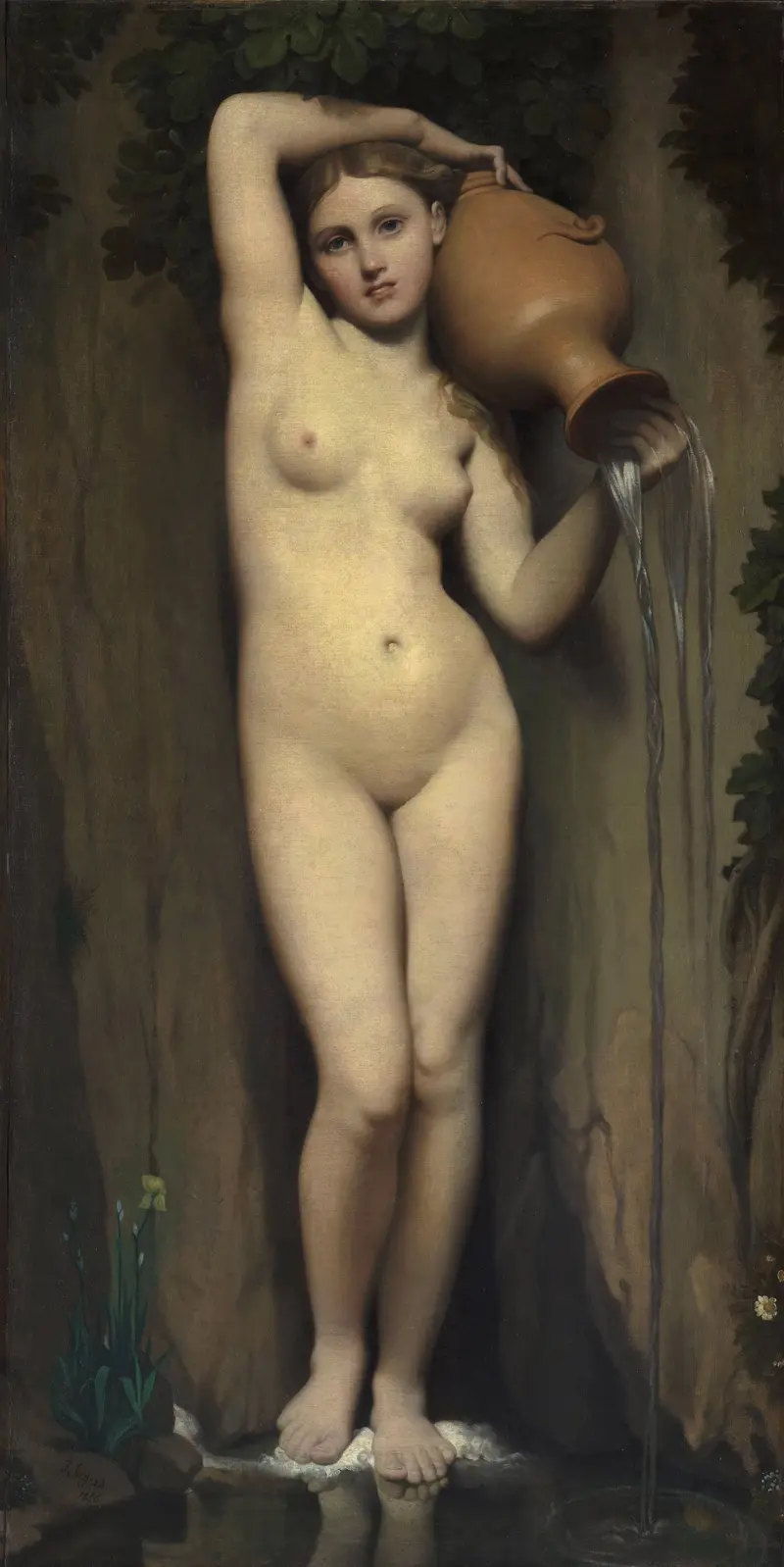
The Source
Jean Auguste Dominique Ingres
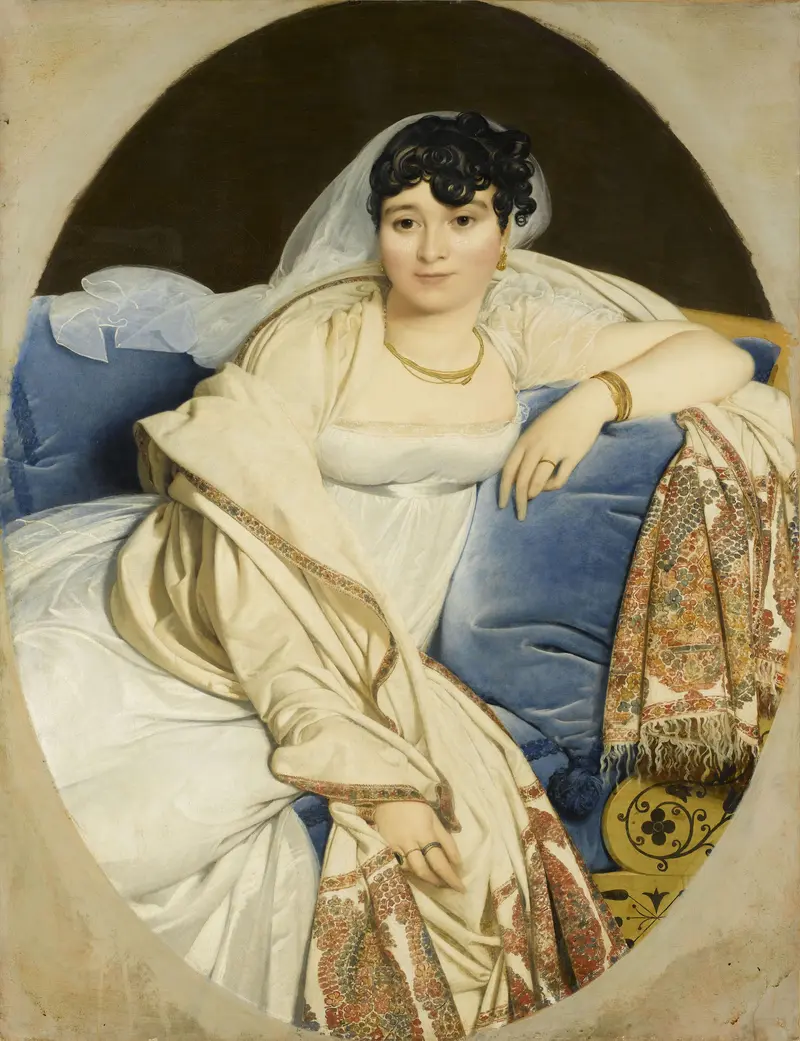
Madame Rivière
Jean Auguste Dominique Ingres

Madame Jean-Auguste-Dominique Ingres, née Madeleine Chapelle
Jean Auguste Dominique Ingres

Portrait of a Lady
Jean Auguste Dominique Ingres
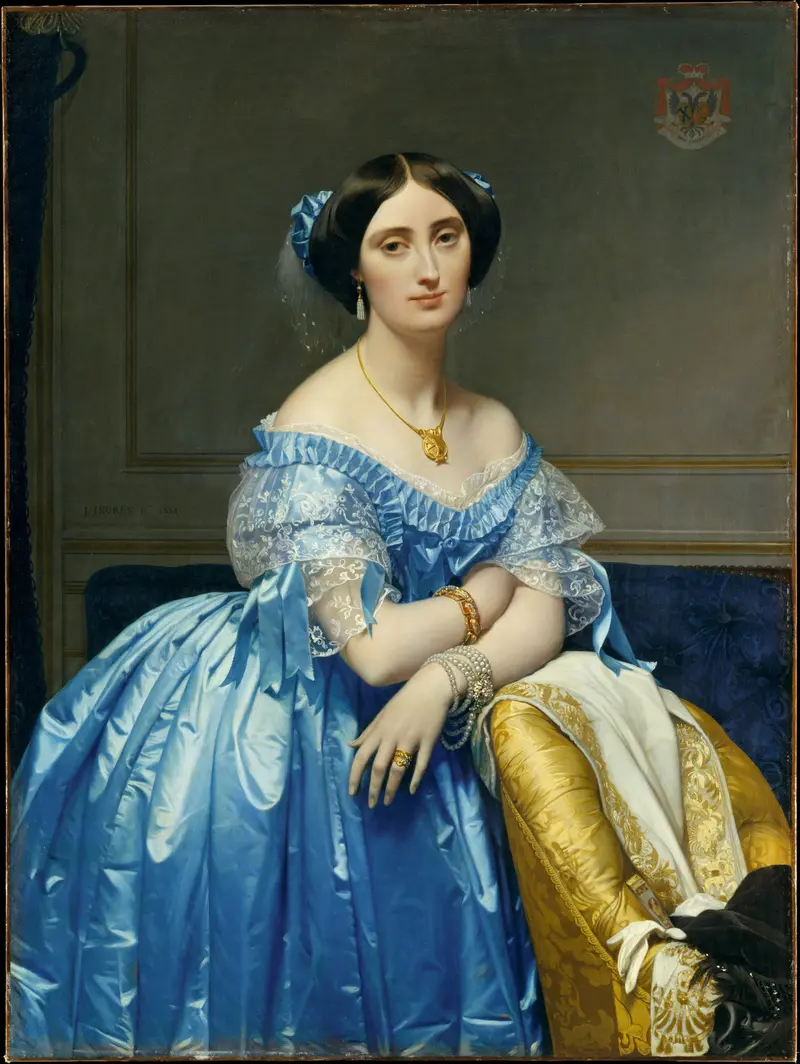
Joséphine-Éléonore-Marie-Pauline de Galard de Brassac de Béarn (1825–1860), Princesse de Broglie
Jean Auguste Dominique Ingres
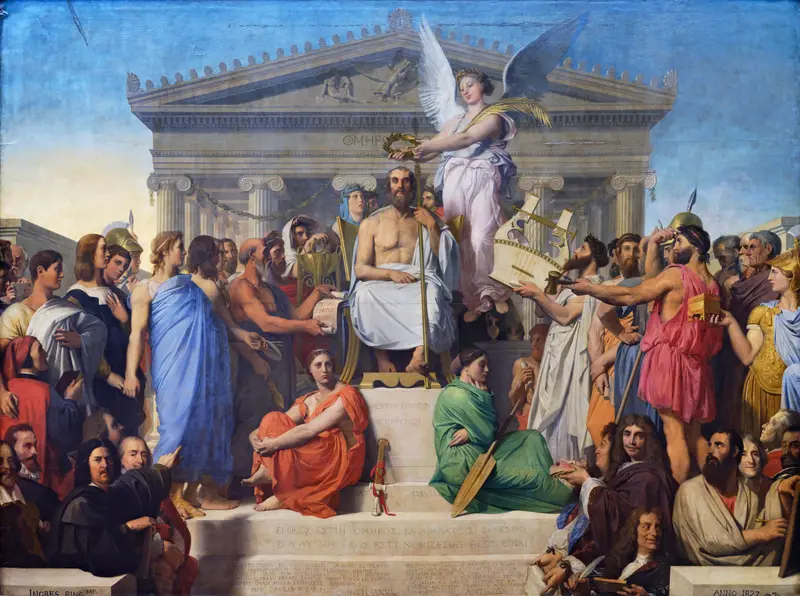
The Apotheosis of Homer
Jean Auguste Dominique Ingres





