
Portrait of Paulus van Beresteyn — History & Facts
Few portraits from the Dutch Golden Age have sparked as much debate over their true date as Portrait of Paulus van Beresteyn. For generations, art historians puzzled over the inscription and style, with some mistakenly assigning it to the year 1700—decades after the death of Frans Hals himself. The confusion arises from later additions and overpainting, a reminder that even celebrated works can carry the fingerprints of history's revisions and misreadings. In the painting, Paulus van Beresteyn stands turned slightly toward the viewer, his right hand gloved and resting on his hip, his left holding a pair of fine gloves—symbols of status and refinement in early 17th-century Haarlem.
The crisp white ruff frames his face, its intricate folds rendered with the brisk, energetic brushwork that is the hallmark of Frans Hals. His dark, sober clothing is enlivened by the lively expression and direct gaze, capturing both the dignity and the approachable humanity of the sitter. Unlike the more restrained portraits of Rembrandt, Hals’s approach here is animated, the sitter caught in a moment of lively presence rather than solemn introspection. Commissioned by the prosperous Beresteyn family, this portrait originally formed a pendant with the likeness of van Beresteyn’s wife, a common practice among the Dutch elite.
Over the centuries, the painting passed through several hands, at times separated from its companion piece. Its attribution to Frans Hals was reaffirmed by stylistic analysis, despite the misleading date once visible on the canvas. Today, Portrait of Paulus van Beresteyn is recognized as a prime example of Hals’s ability to infuse portraiture with immediacy and character, and it hangs in the collection of the Rijksmuseum, a lasting testament to the vibrancy of Haarlem’s portrait tradition.
More Artworks by Frans Hals

Banquet of the Officers of the St George Civic Guard
Frans Hals

Portrait of Jacob Pietersz Olycan (1596-1638)
Frans Hals
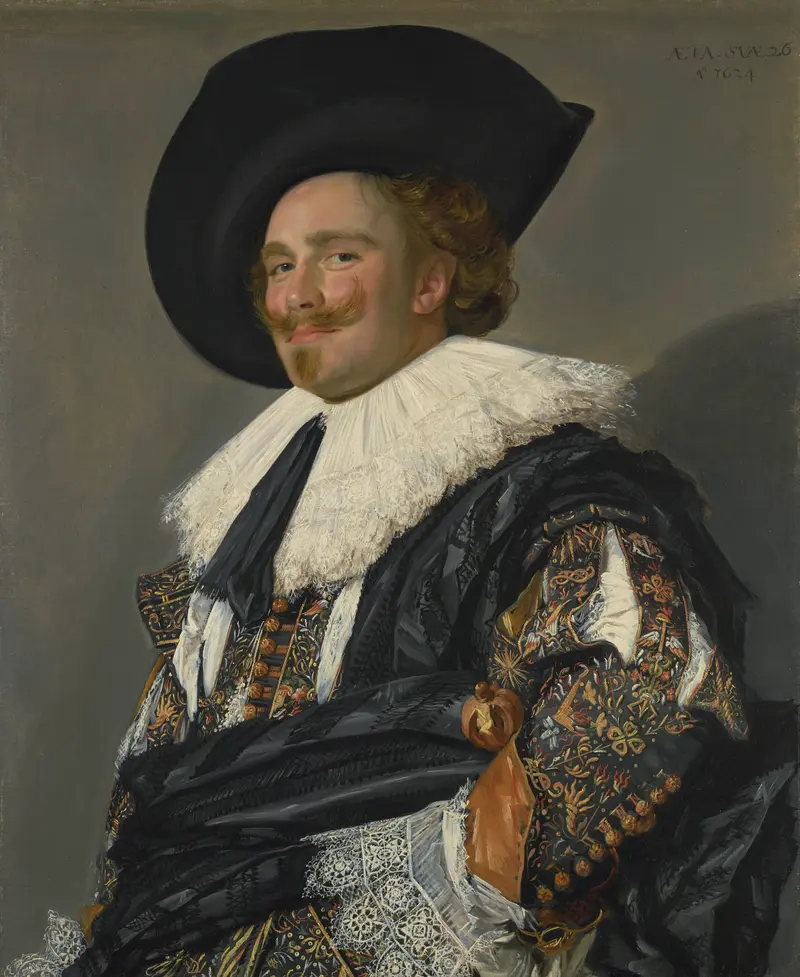
Laughing Cavalier
Frans Hals

Militia Company of District XI under the Command of Captain Reynier Reael, Known as ‘The Meagre Company’
Frans Hals
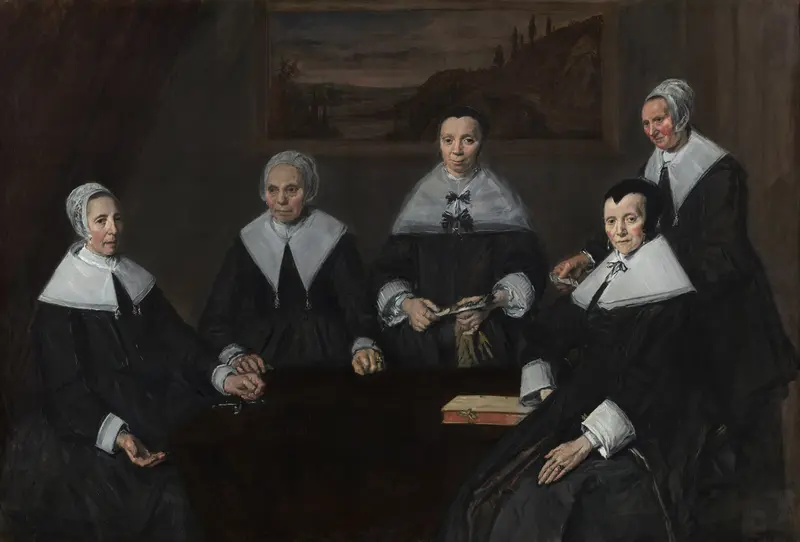
Regentesses of the Old Men's Alms House
Frans Hals
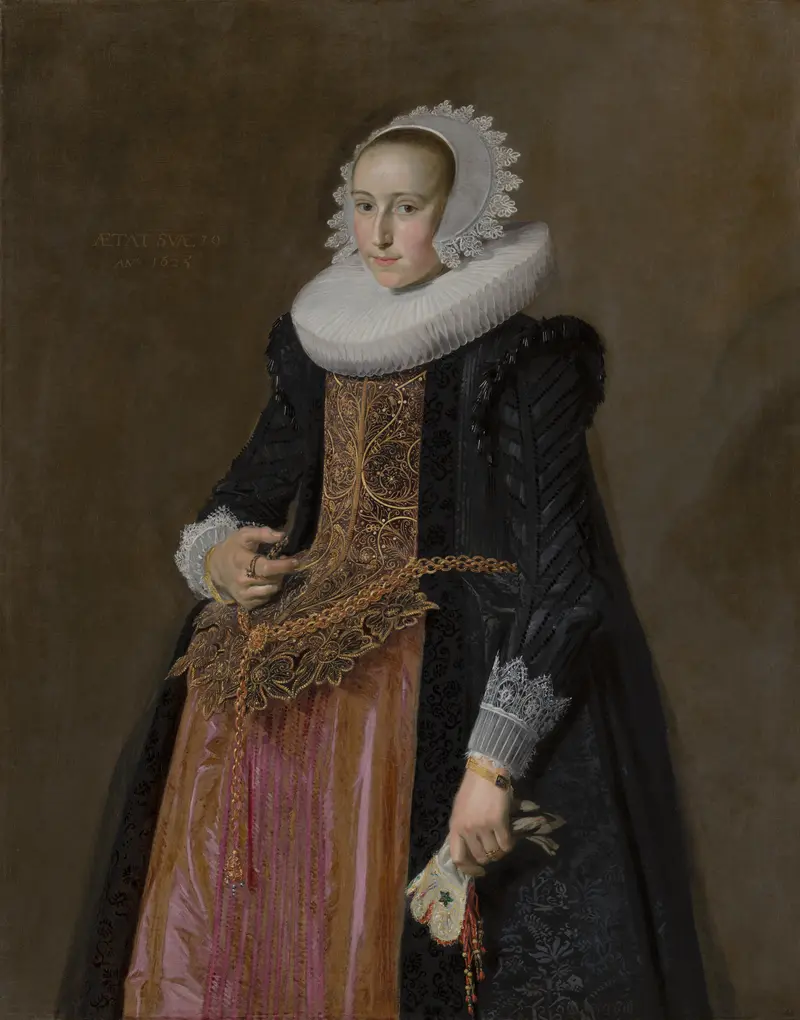
Portrait of Aletta Hanemans (1606–1653)
Frans Hals
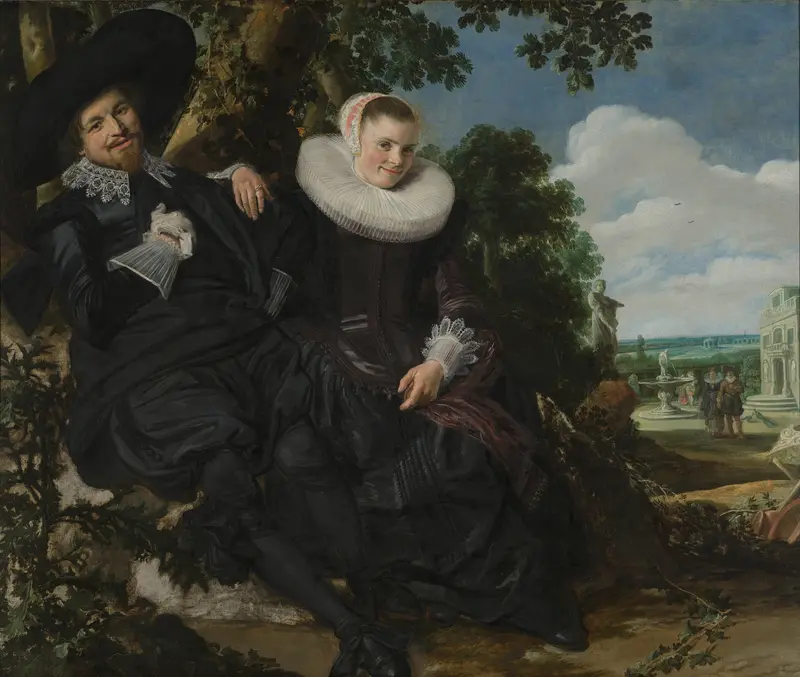
Portrait of a Married Couple, Likely Isaac Abrahamsz Massa and Beatrix van der Laen
Frans Hals
The Merry Drinker
Frans Hals
Portrait of Paulus Verschuur
Frans Hals
Portrait of Pieter van den Broecke
Frans Hals





