
Portrait of Pieter Verdonck — History & Facts
Few portraits have caused as much speculation as Portrait of Pieter Verdonck by Frans Hals, painted in 1627. The sitter, Pieter Verdonck, was a Haarlem notary who gained notoriety for his sharp tongue and satirical verses, earning him the nickname "the Lion of Haarlem." This painting became infamous after Hals originally depicted Verdonck holding a jawbone—an unmistakable allusion to the biblical Samson, who slew his enemies with such a weapon. The jawbone was later painted over, likely due to the controversy it stirred in Haarlem’s tight-knit community. At the center of the painting, Verdonck leans forward, his eyes bright and mouth half-open as if caught mid-sentence, his hand (in the original version) brandishing the jawbone.
This gesture, combined with his wild hair and energetic pose, transforms Verdonck into a living symbol of unruly speech and defiant wit. The jawbone, a rare and provocative prop, directly references the Book of Judges, where Samson slays a thousand Philistines. By giving a contemporary figure such a biblical attribute, Hals blurs the line between portrait and allegory—a bold move compared to more restrained portraits by Rembrandt or Van Dyck, who rarely risked such pointed symbolism. The painting’s physical history is as layered as its meaning.
After the initial scandal, the jawbone was painted out, possibly at Verdonck’s own request or that of his family, and for centuries the portrait seemed a straightforward likeness. Only in the twentieth century did restoration reveal the original motif beneath the surface, reigniting debates about intent and censorship in Dutch art. Today, Portrait of Pieter Verdonck is housed in the Royal Museum of Fine Arts Antwerp, a testament to Frans Hals’s daring approach to portraiture during the Dutch Golden Age.
More Artworks by Frans Hals

Banquet of the Officers of the St George Civic Guard
Frans Hals

Portrait of Jacob Pietersz Olycan (1596-1638)
Frans Hals
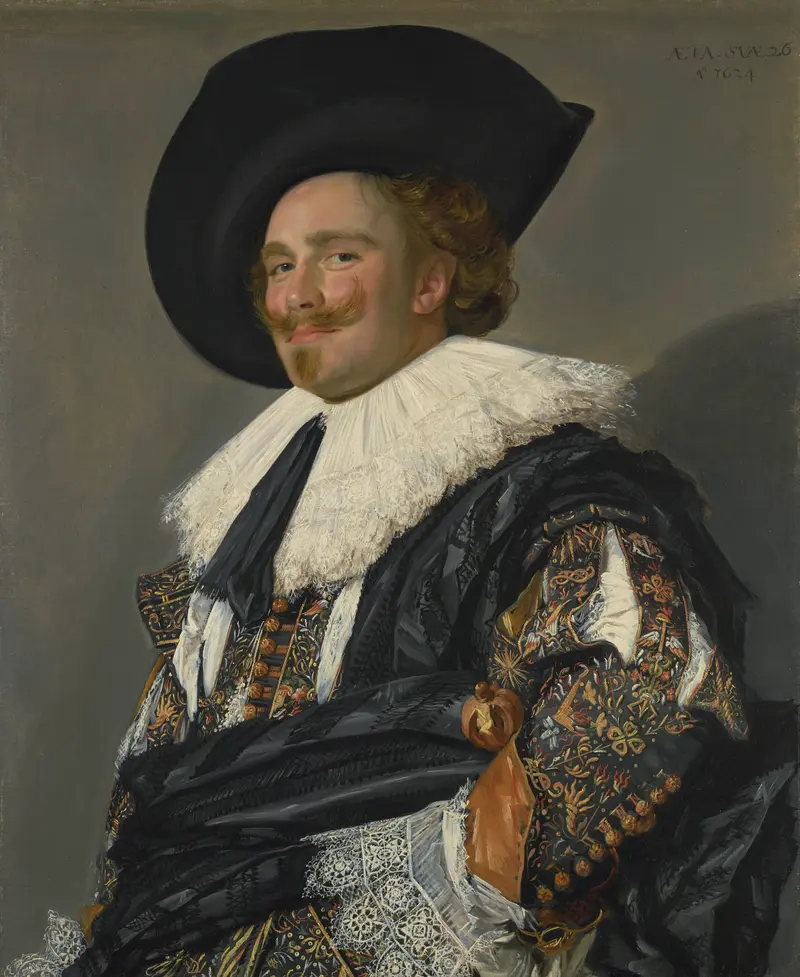
Laughing Cavalier
Frans Hals

Militia Company of District XI under the Command of Captain Reynier Reael, Known as ‘The Meagre Company’
Frans Hals
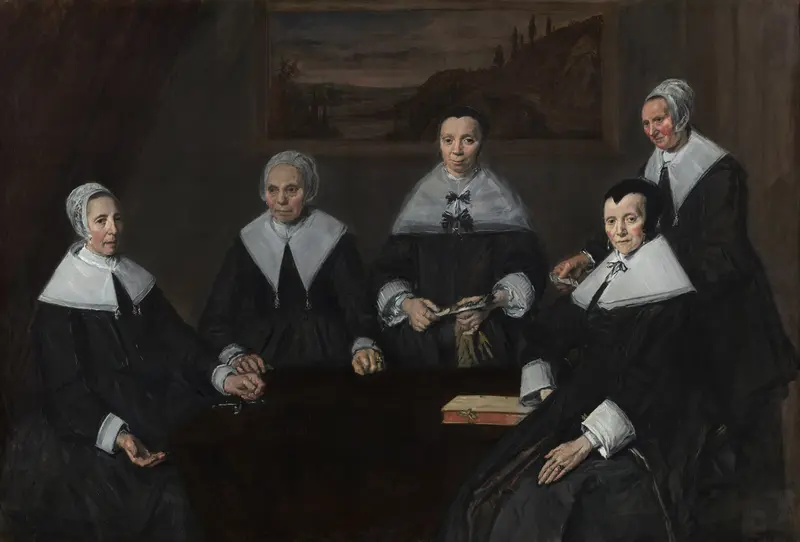
Regentesses of the Old Men's Alms House
Frans Hals
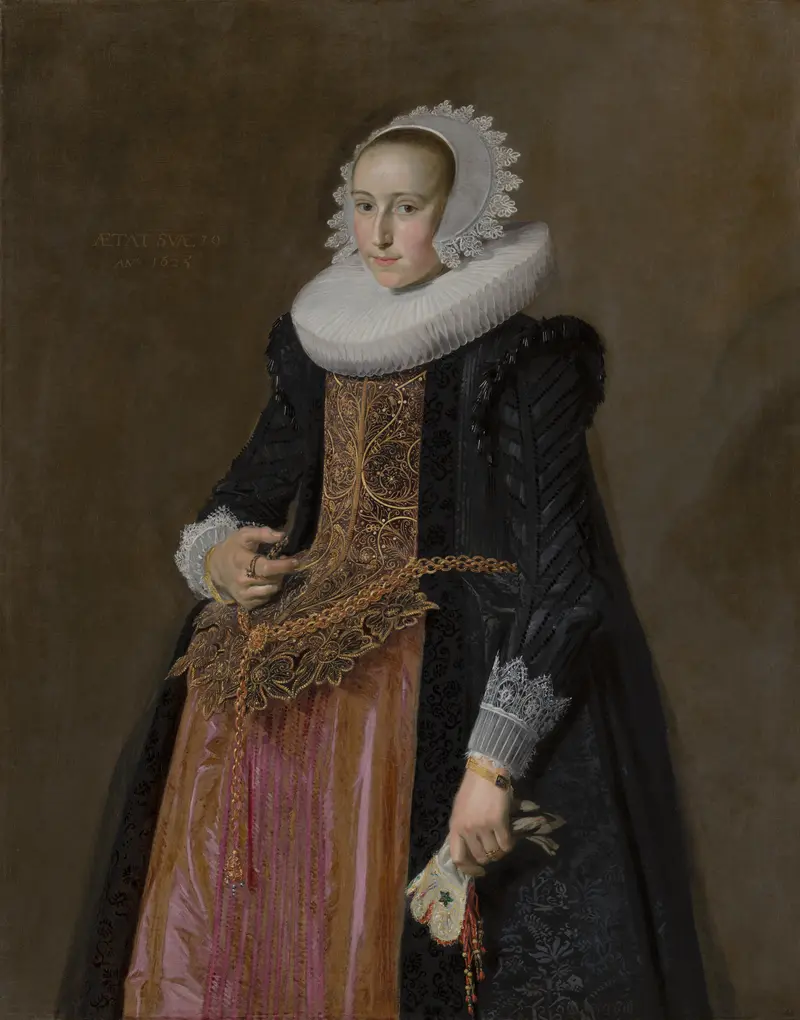
Portrait of Aletta Hanemans (1606–1653)
Frans Hals
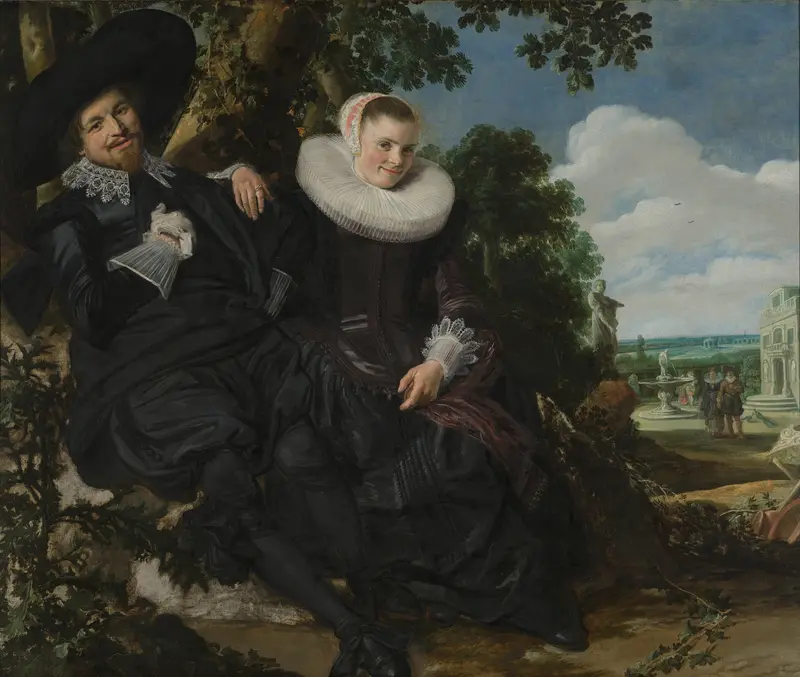
Portrait of a Married Couple, Likely Isaac Abrahamsz Massa and Beatrix van der Laen
Frans Hals
The Merry Drinker
Frans Hals
Portrait of Paulus Verschuur
Frans Hals
Portrait of Pieter van den Broecke
Frans Hals





