
Posthumous Portrait of Mary I Stuart (1631- 1660) with a Servant — History & Facts
What first catches the eye in Posthumous Portrait of Mary I Stuart (1631-1660) with a Servant is the theatricality of its masquerade. Mary Stuart stands poised, her gaze steady and self-possessed, yet she is draped not in the sober silks of a royal widow, but in a riot of feathers and pearls, her head crowned with a turban and ostrich plumes. The servant at her side, rendered with careful attention to expression and gesture, offers her a bracelet, his presence heightening the sense of exotic spectacle.
Every detail is a deliberate flourish: the brilliant red feathered cloak, the luminous pearls, the golden costume of the attendant, and the heavy, patterned drapery that frames the pair. Light glances off Mary’s pale skin and the sheen of her costume, guiding the viewer’s attention to her hand, her jewelry, her composed face—a performance of identity, power, and fantasy. This portrait, painted by Adriaen Hanneman in 1664, belongs to a world in which courtly display and identity were endlessly staged and restaged for both private and public audiences. The costume ball, with its elaborate disguises and coded meanings, was a favored pastime among European elites, and here Mary appears in the guise of an “American” or “Indian”—a choice meant to dazzle, to intrigue, to signal worldliness and command of the exotic.
Such portraits were not only commemorations, but also statements: of status, of taste, of the sitter’s place within a shifting web of alliances and aspirations. Painted several years after Mary’s early death, this work is shaped as much by memory as by spectacle, and by the ambitions of a Dutch court eager to display its connections to English royalty. The painting now resides in the Mauritshuis, a reminder that portraiture in the age of Hanneman was as much about invention as it was about likeness—inviting us to look again, and to wonder at the stories behind the mask.
More Artworks by Adriaen Hanneman
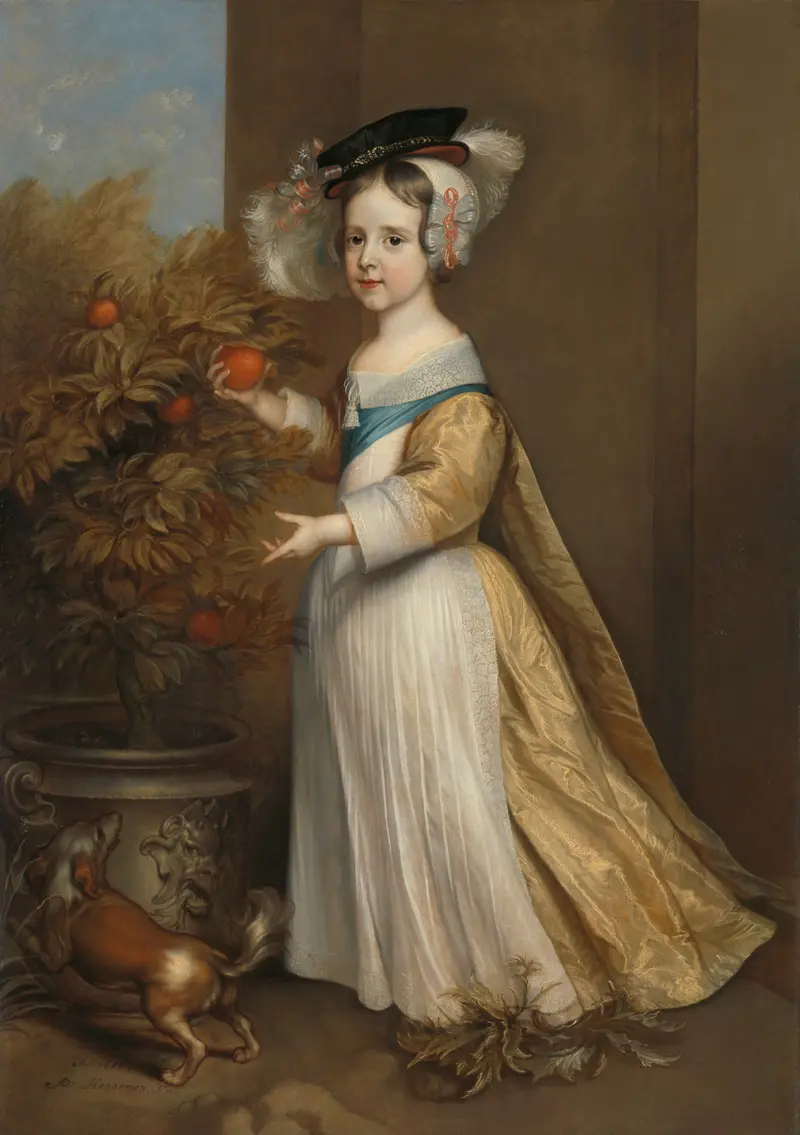
Portrait of Willem III (1650-1702), Prince of Orange, as a Child
Adriaen Hanneman
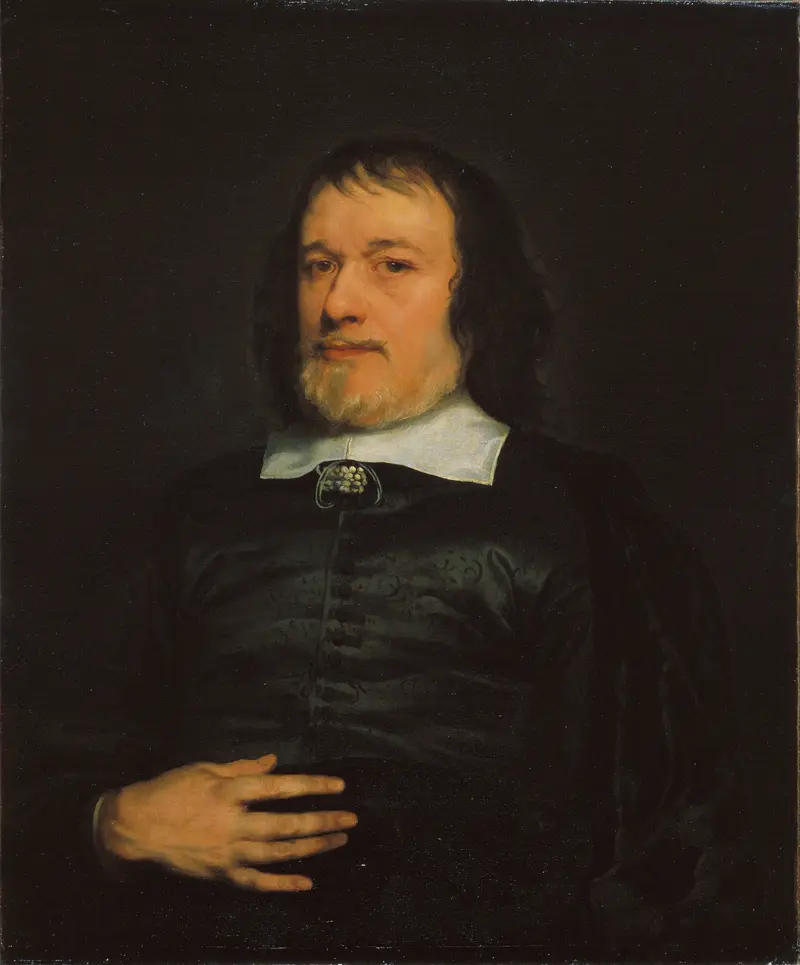
Portrait of a Gentleman
Adriaen Hanneman
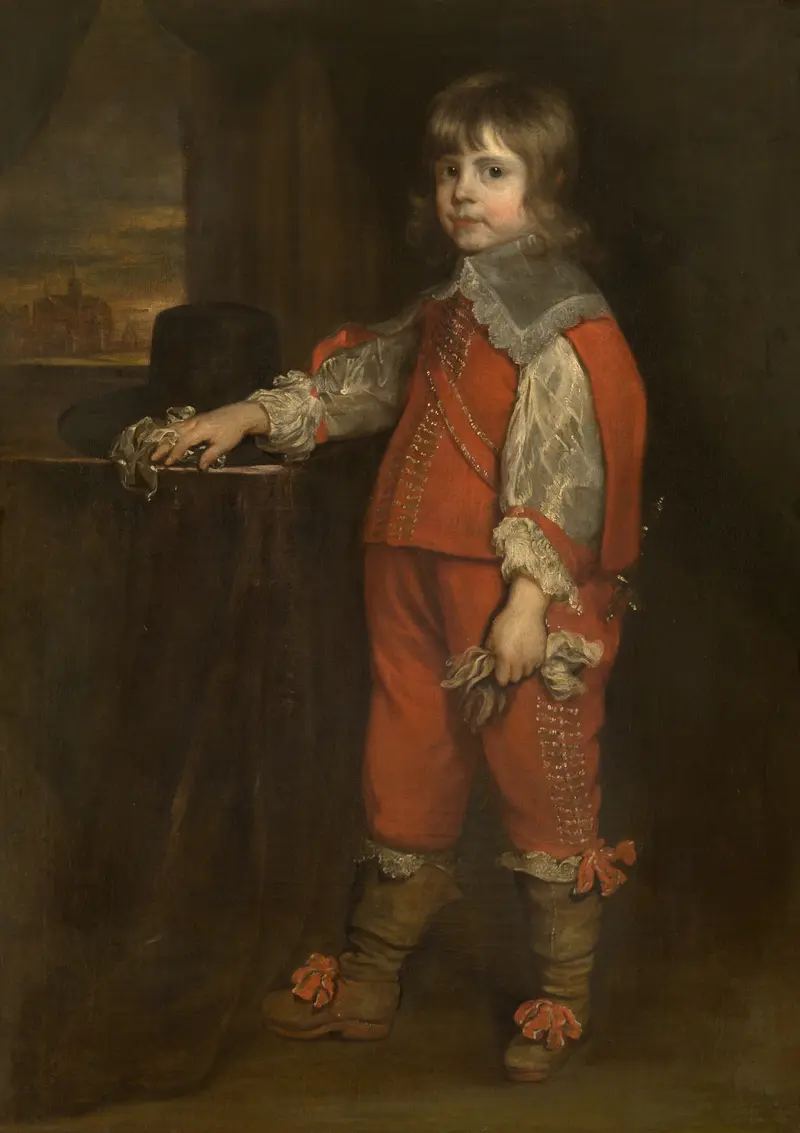
Charles II, when Prince of Wales
Adriaen Hanneman
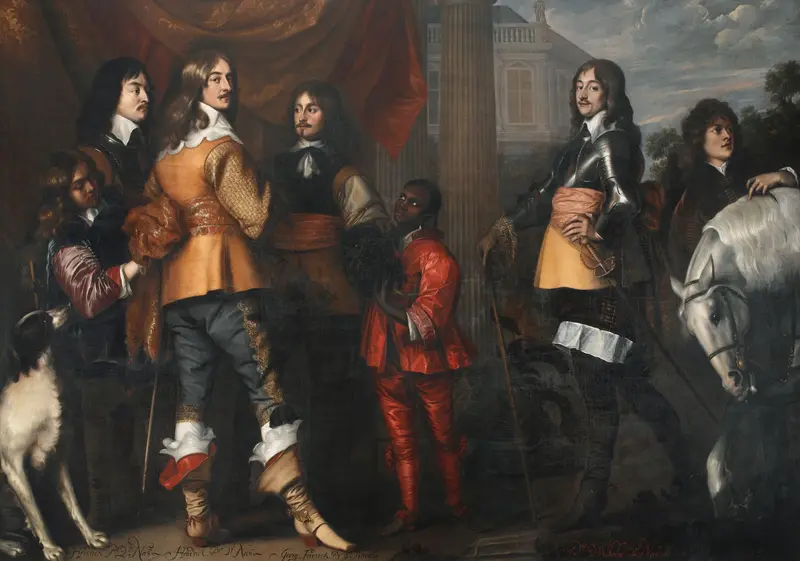
Group portrait Willem Frederik v Nassau-Dietz,Hendrik Casimir I v Nassau-Dietz,Hendrik v Nassau-Siegen,George Frederik v Nassau-Siegen with servants
Adriaen Hanneman
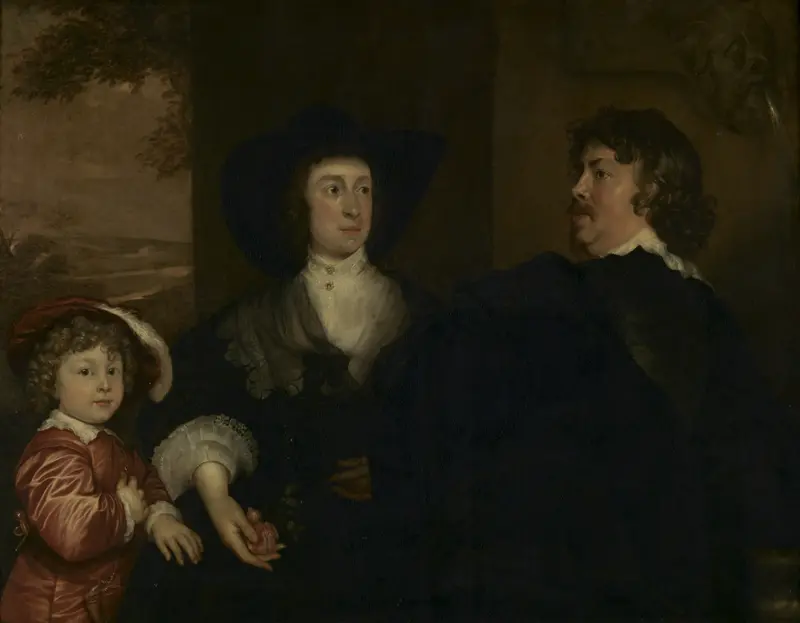
Family portrait of Cornelis Janson van Ceulen (1593-1661), Elisabeth Beck (died 1670) and their son Cornelis Janson van Ceulen (1634-1715)
Adriaen Hanneman
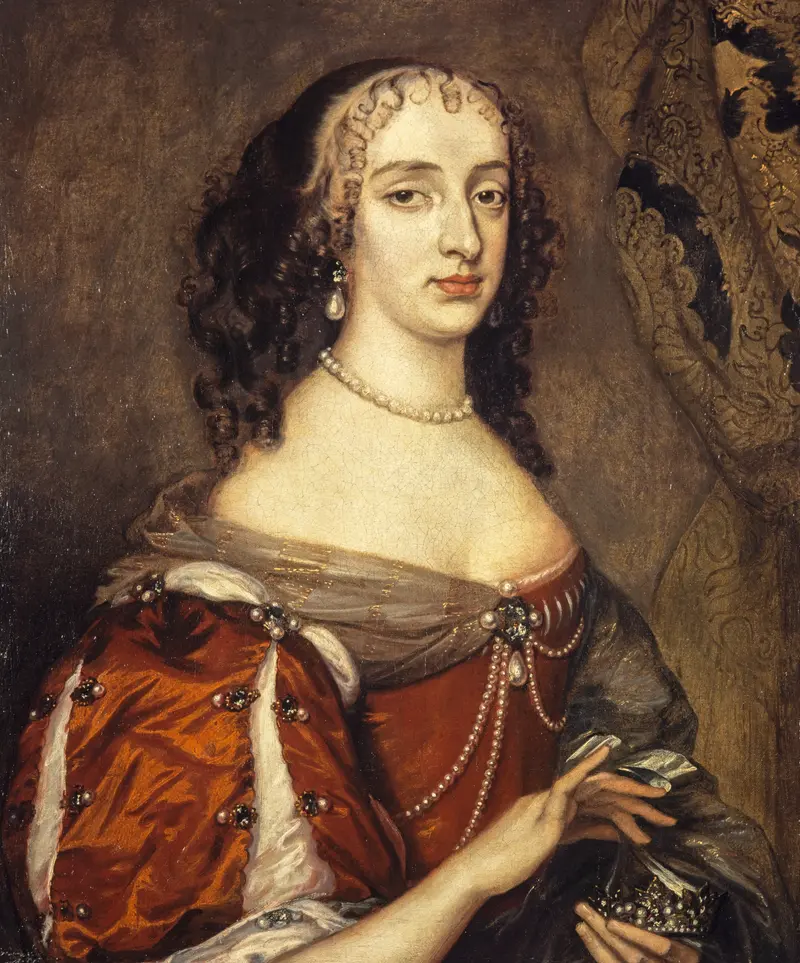
Princess Mary, 1631 - 1660. Eldest daughter of Charles I; Princess of Orange
Adriaen Hanneman
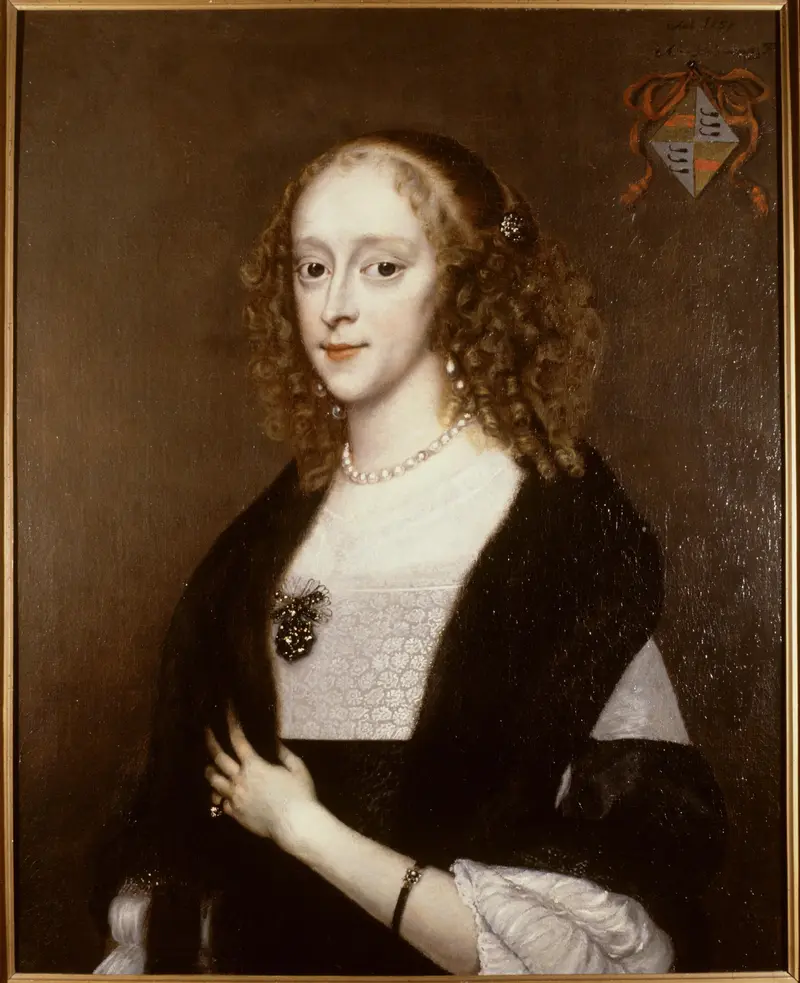
Portrait of Wendela Bicker (1636-1668)
Adriaen Hanneman
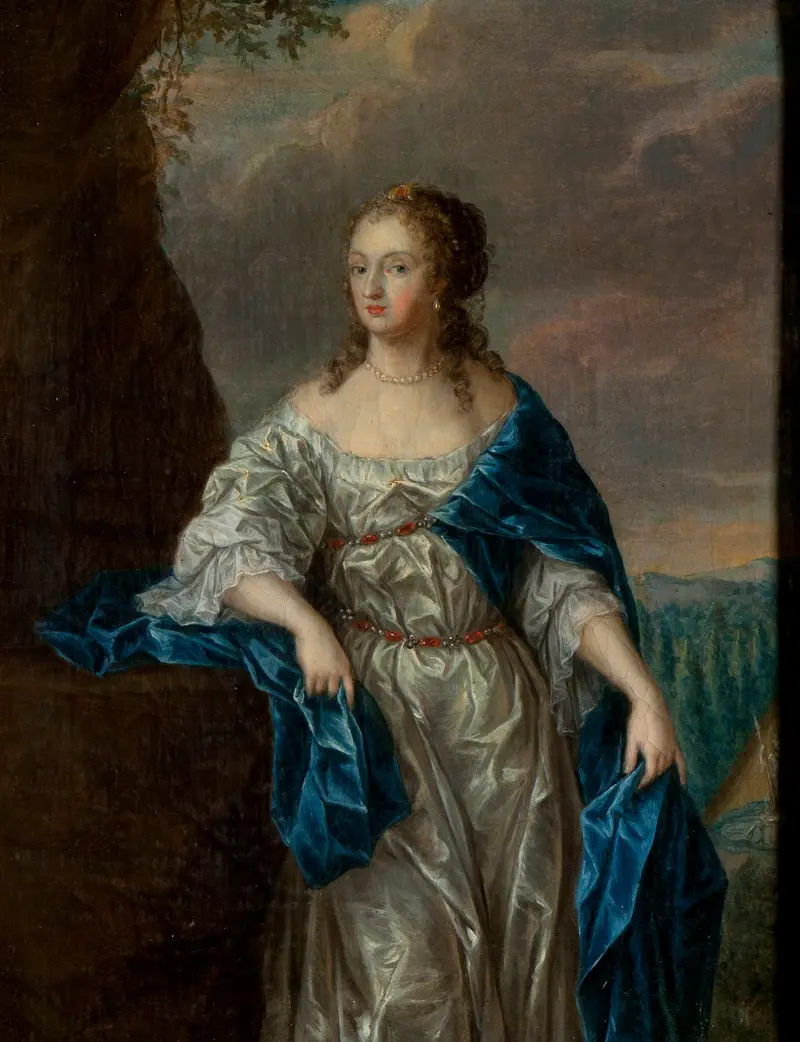
Mary Killegrew (born 1627), Countess of Nassau. Wife of Frederik van Nassau-Zuylenstein
Adriaen Hanneman
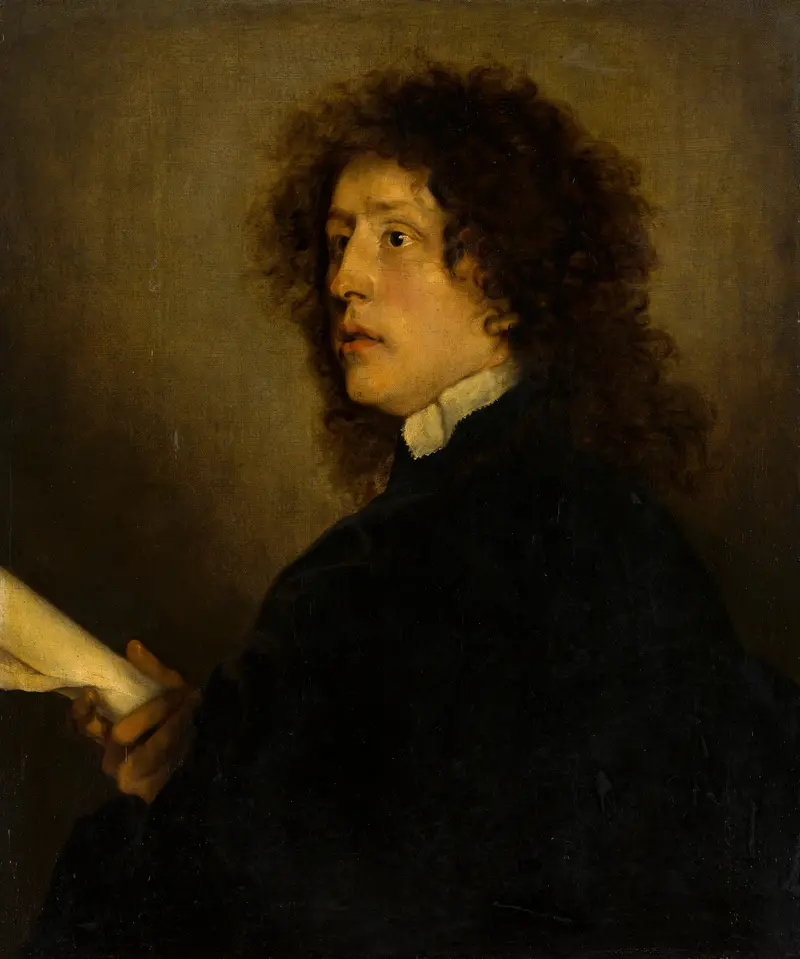
Portrait of a Man
Adriaen Hanneman
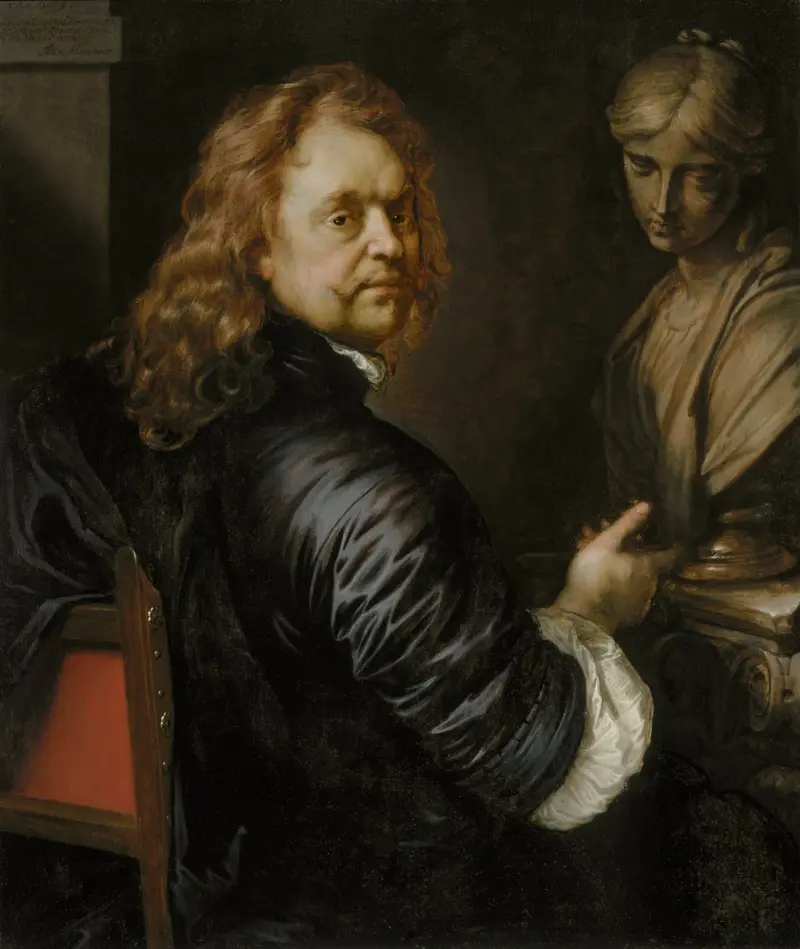
Self-portrait
Adriaen Hanneman





