
Psyche Opening the Golden Box — History & Facts
What draws the eye first in Psyche Opening the Golden Box is the hush of suspense that hangs over the scene. Psyche, wrapped in a flowing rose-colored gown, is caught in a moment of utter stillness, her body curved protectively around the ornate box she cradles. The painter leads us to her intent gaze, the way her fingers delicately lift the lid, and the faint wisp of vapor that escapes—hinting at the box’s forbidden contents.
Around her, the forest closes in, its dark trunks and tangled roots making her vulnerability even sharper, while the pale poppies at her feet echo the fragile beauty and danger of the moment. Every element—the soft light, the muted earth tones, the careful placement of the box—serves to heighten the sense of a secret about to be revealed. Painted in 1904 by John William Waterhouse, this work belongs to the world of late Victorian and Edwardian Britain, when stories from ancient myth were a favored subject among artists and collectors alike. The era’s fascination with classical legend gave rise to countless images of heroines poised at the threshold of fate, and Waterhouse’s approach—combining Pre-Raphaelite detail with a mood of psychological tension—was especially prized.
Such paintings were often commissioned for private homes, intended to both instruct and enchant, and their popularity reflected a society both nostalgic for the past and anxious about the future. Though little is recorded about the specific journey of this canvas, its presence in The Art and Life of John William Waterhouse collection invites us to linger on Psyche’s hesitation, and to wonder what she truly sees inside the golden box.
More Artworks by John William Waterhouse
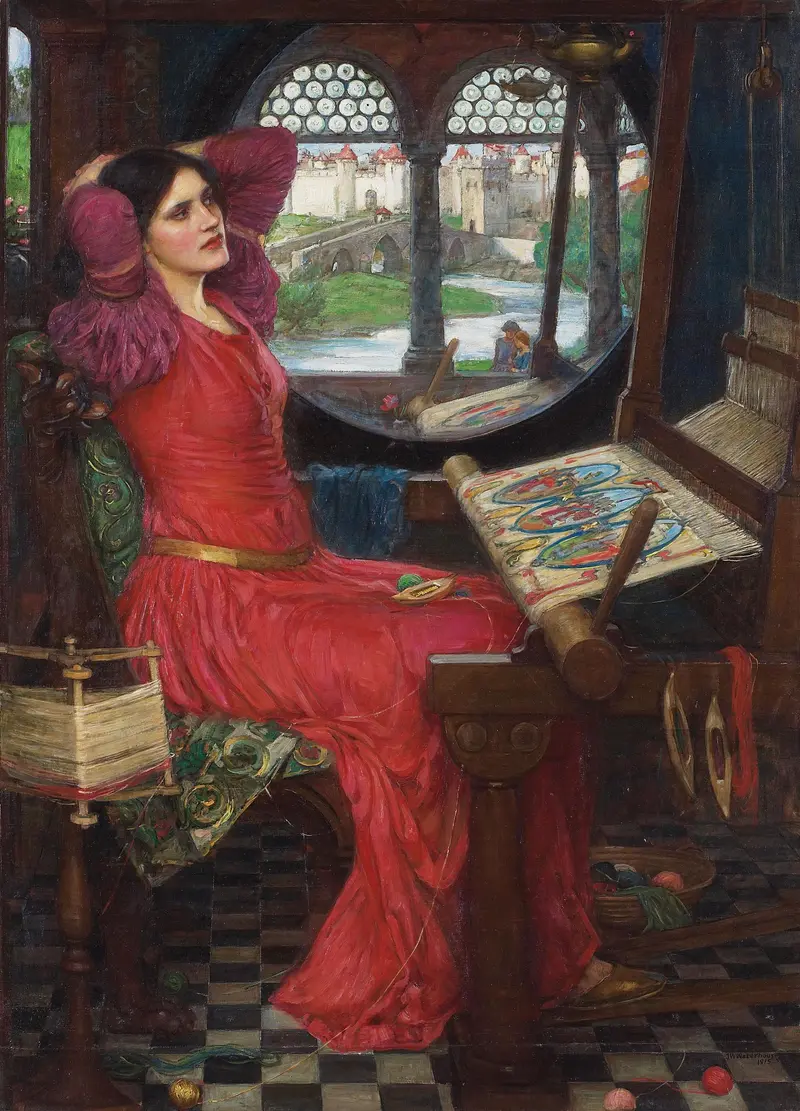
'I Am Half-Sick of Shadows,' Said the Lady of Shalott
John William Waterhouse

The Favourites of the Emperor Honorius, 1883
John William Waterhouse

The Lady of Shalott
John William Waterhouse
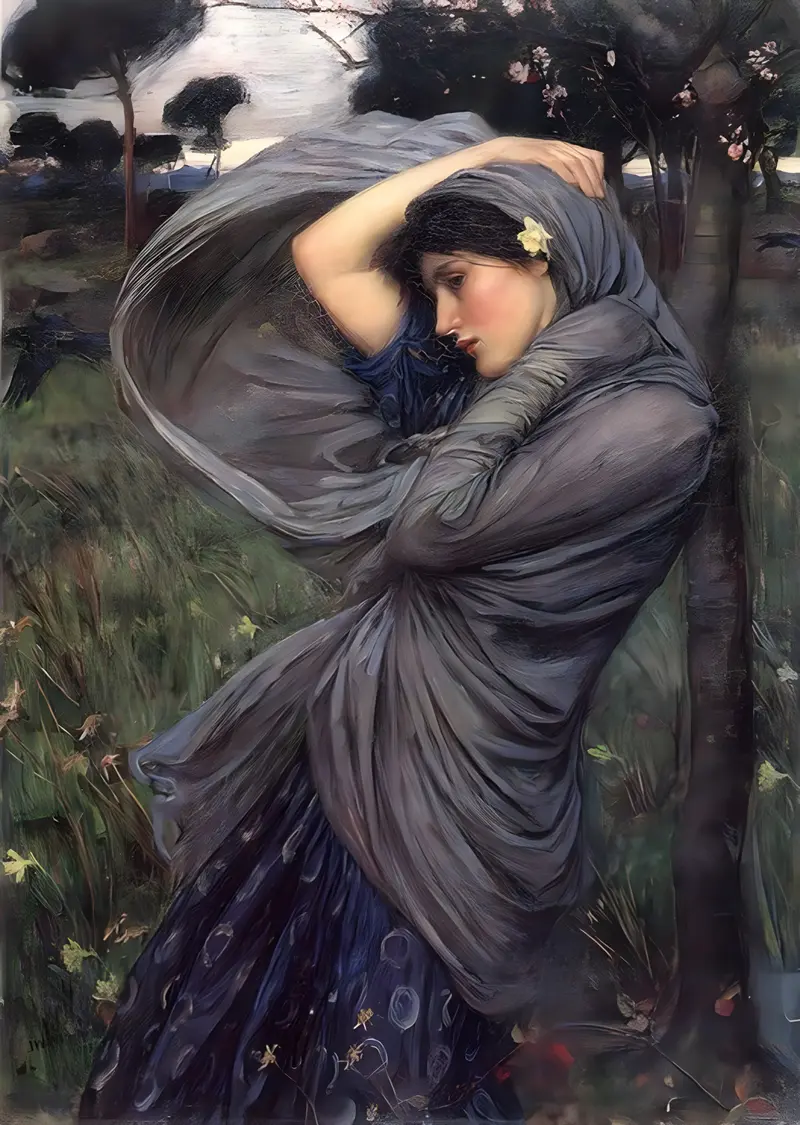
Boreas
John William Waterhouse
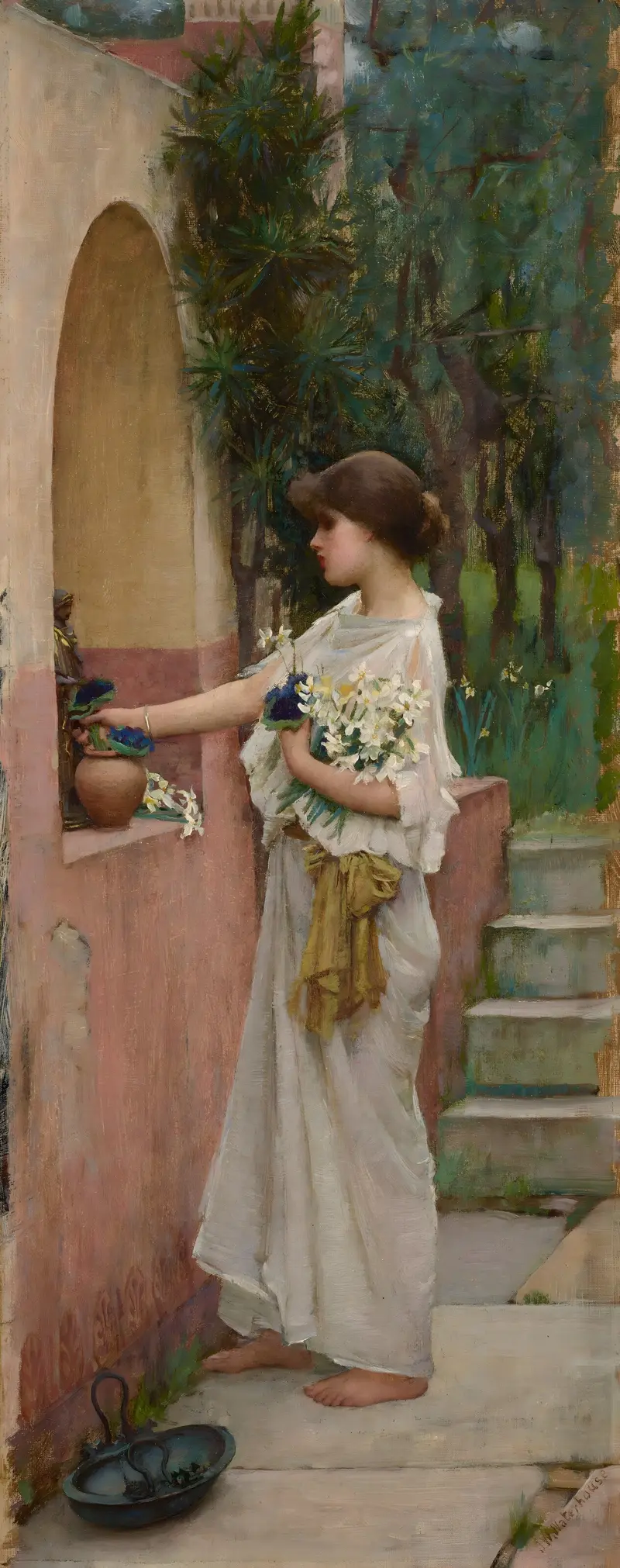
A Roman Offering
John William Waterhouse
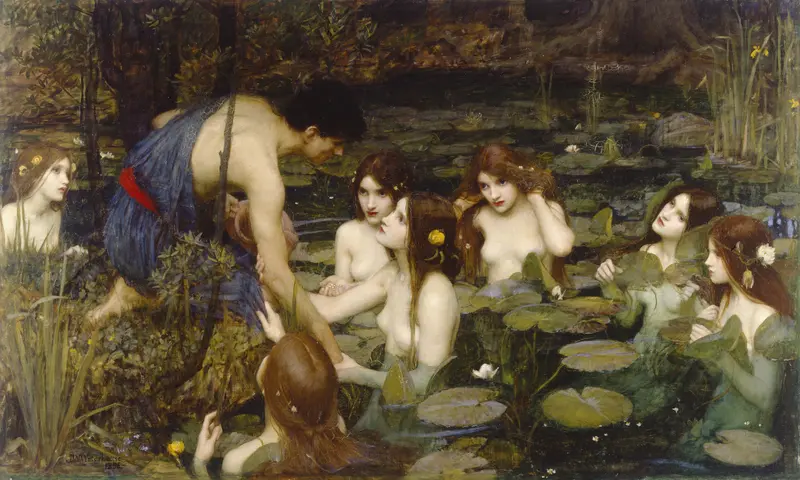
Hylas and the Nymphs
John William Waterhouse
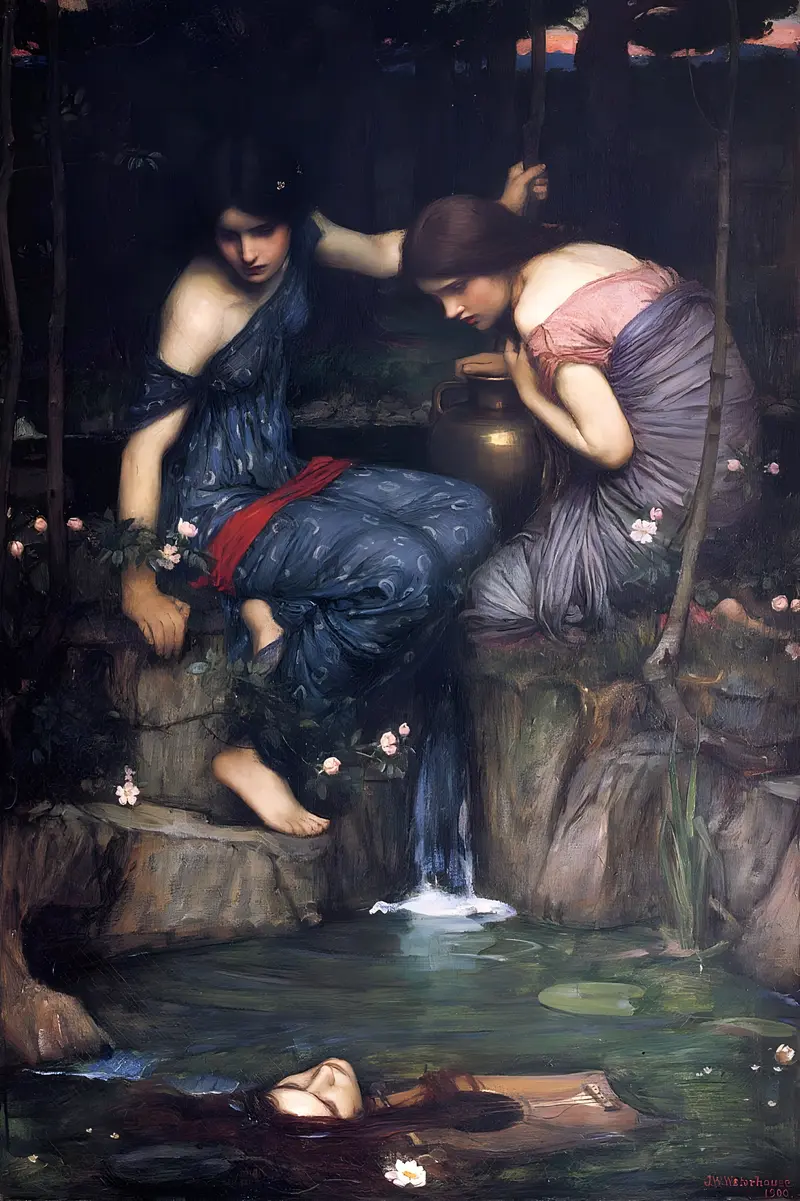
Nymphs Finding the Head of Orpheus
John William Waterhouse
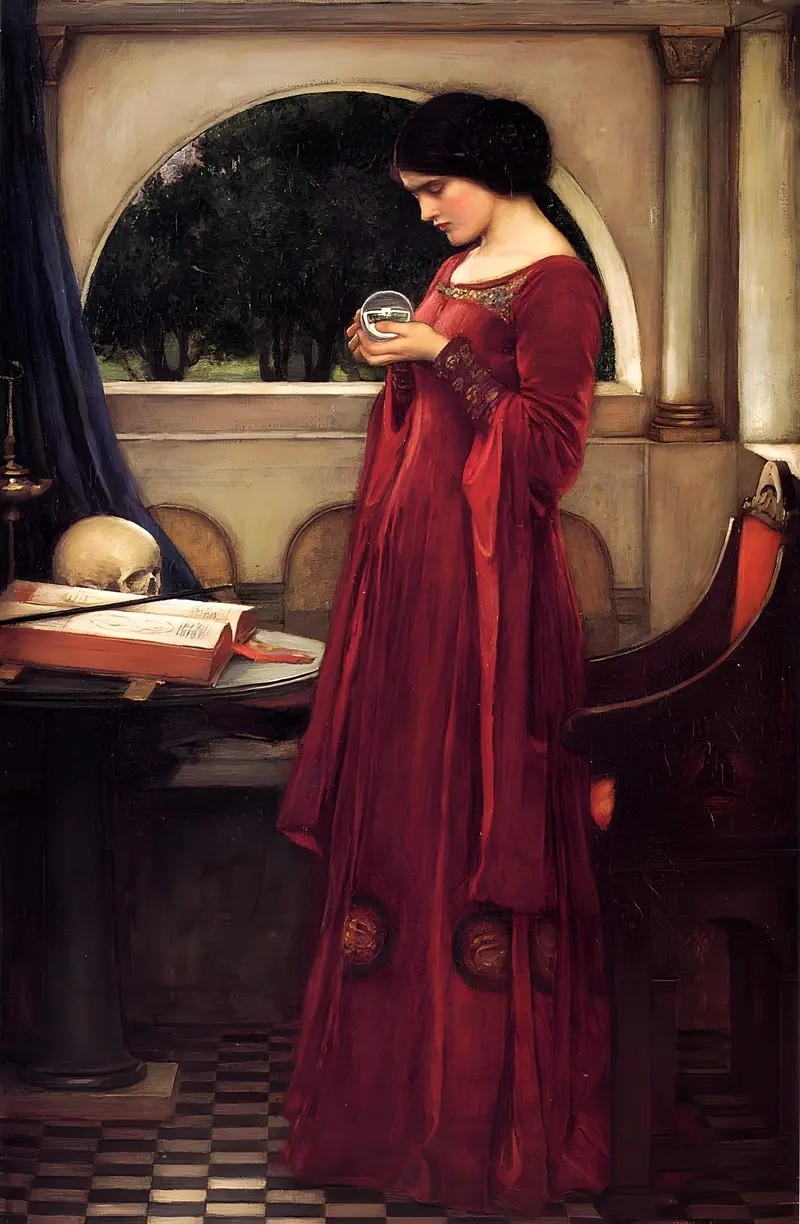
The Crystal Ball
John William Waterhouse
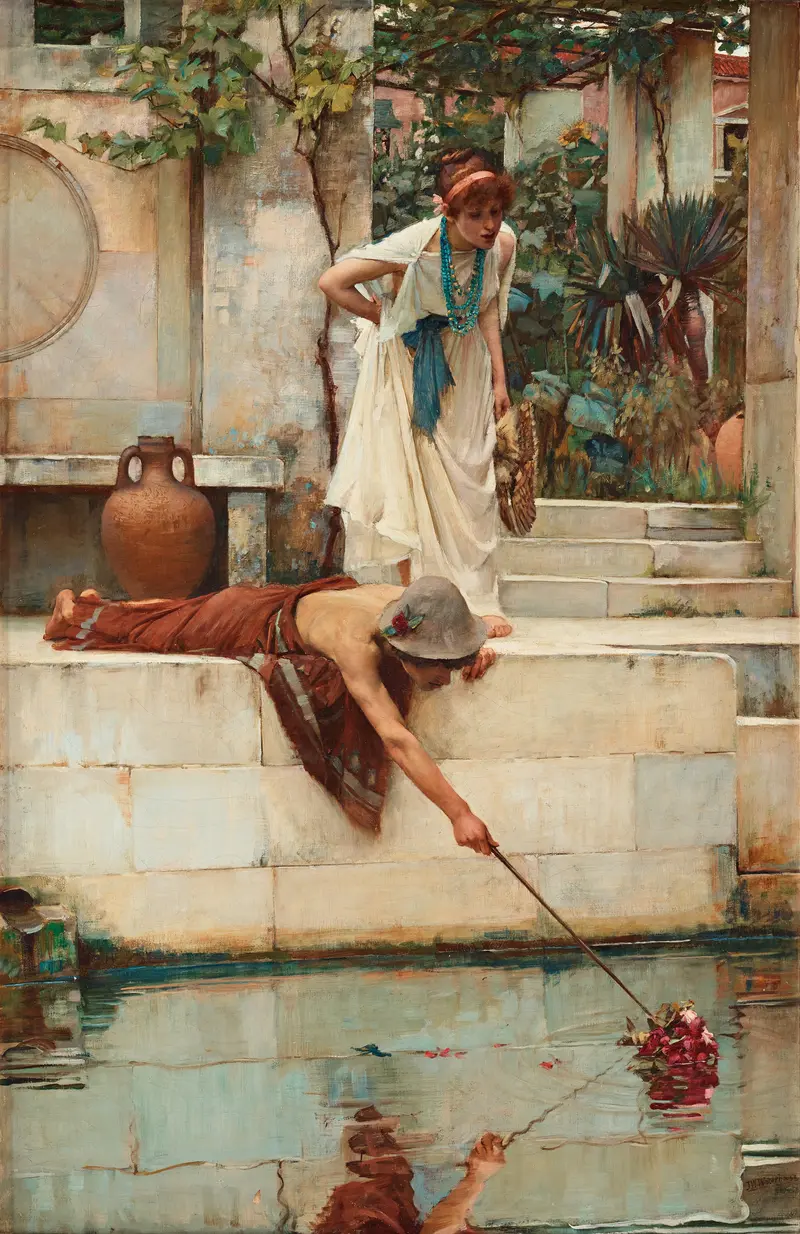
The Rescue
John William Waterhouse
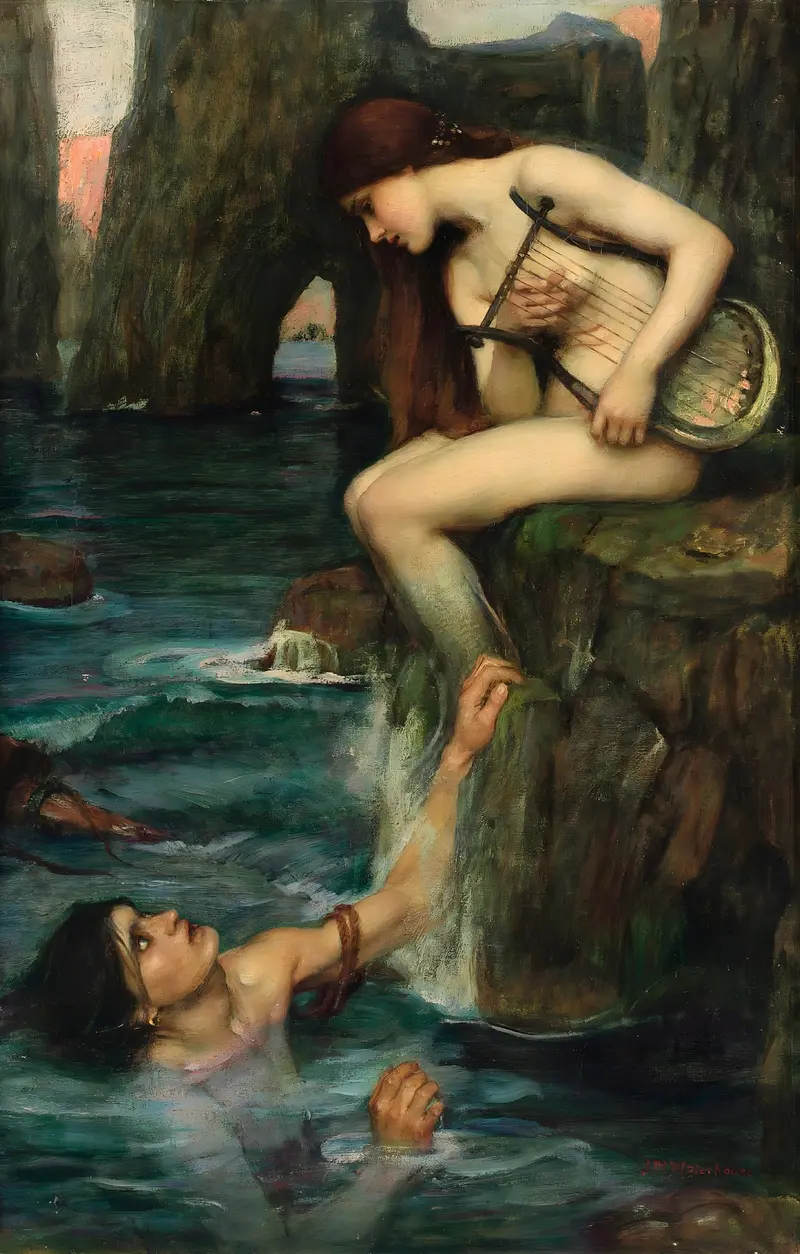
The Siren, 1900
John William Waterhouse





