
Raffaello Sanzio - Le martyre de Sainte-Cécile — History & Facts
No surviving work by Raffaello Sanzio is known by the title Le martyre de Sainte-Cécile, and no documentation links a painting of Saint Cecilia's martyrdom to Raphael in the year 1600—a date after the artist's death in 1520. This uncertainty has fueled debate among art historians, who have long puzzled over the origins and attributions of various Saint Cecilia images. The best-known Raphael depiction of the saint is Saint Cecilia (c.
1516–1517), painted for the church of San Giovanni in Monte, Bologna, but no record exists of a martyrdom scene by his hand. Saint Cecilia, the patroness of music, was said to have been condemned to death for her Christian faith in the 3rd century. According to legend, after surviving an attempted suffocation in her own bath, she was struck three times on the neck with a sword and left to die. Artists often chose to depict her at the moment of her martyrdom or in the company of musical instruments, symbols of her spiritual harmony.
In the famous Saint Cecilia by Raphael, the saint stands among broken instruments, her gaze lifted heavenward, suggesting her soul's ascent; if a martyrdom scene by Raphael existed, it might have contrasted this serenity with the violence of her final moments, as seen in later Baroque treatments by Carlo Dolci or Guido Reni. If Le martyre de Sainte-Cécile were indeed a lost or misattributed work by Raphael, its journey would be a fascinating tale of rediscovery and scholarly debate. The attribution of paintings to Raphael has often shifted with new research and technical analysis, as with the re-examination of his workshop's role in several altarpieces. Today, the only universally accepted Raphael painting of Saint Cecilia resides in the Pinacoteca Nazionale in Bologna, while other works remain subjects of speculation.
The mystery surrounding Le martyre de Sainte-Cécile reminds us how the history of art is shaped as much by what is lost or uncertain as by what survives.
More Artworks by Raphael

Madonna of the Goldfinch
Raphael

Madonna with the Fish
Raphael
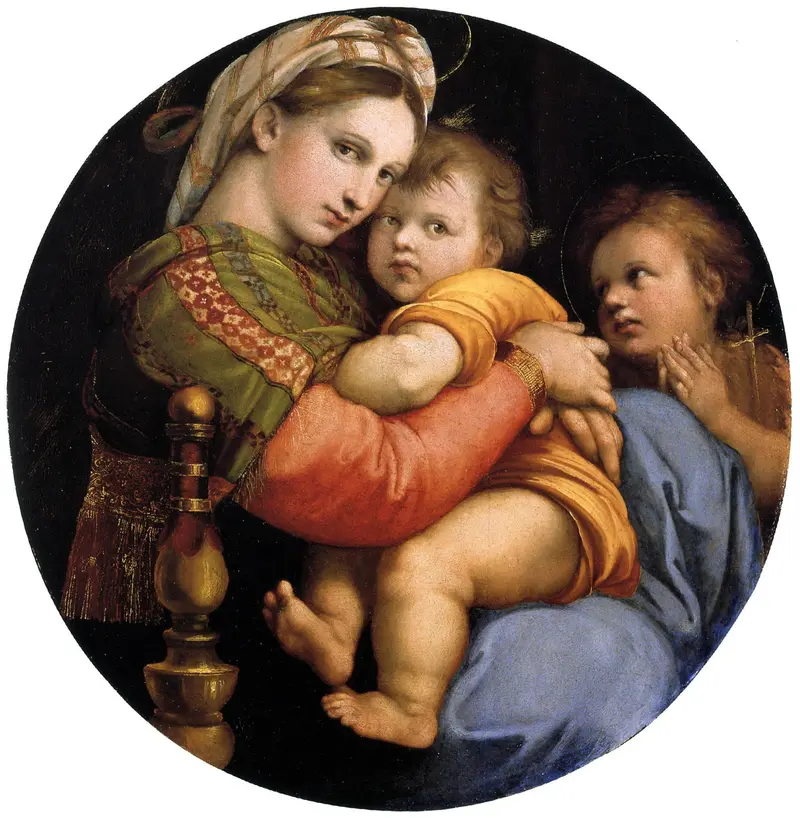
Madonna and Child (Madonna della Seggiola)
Raphael
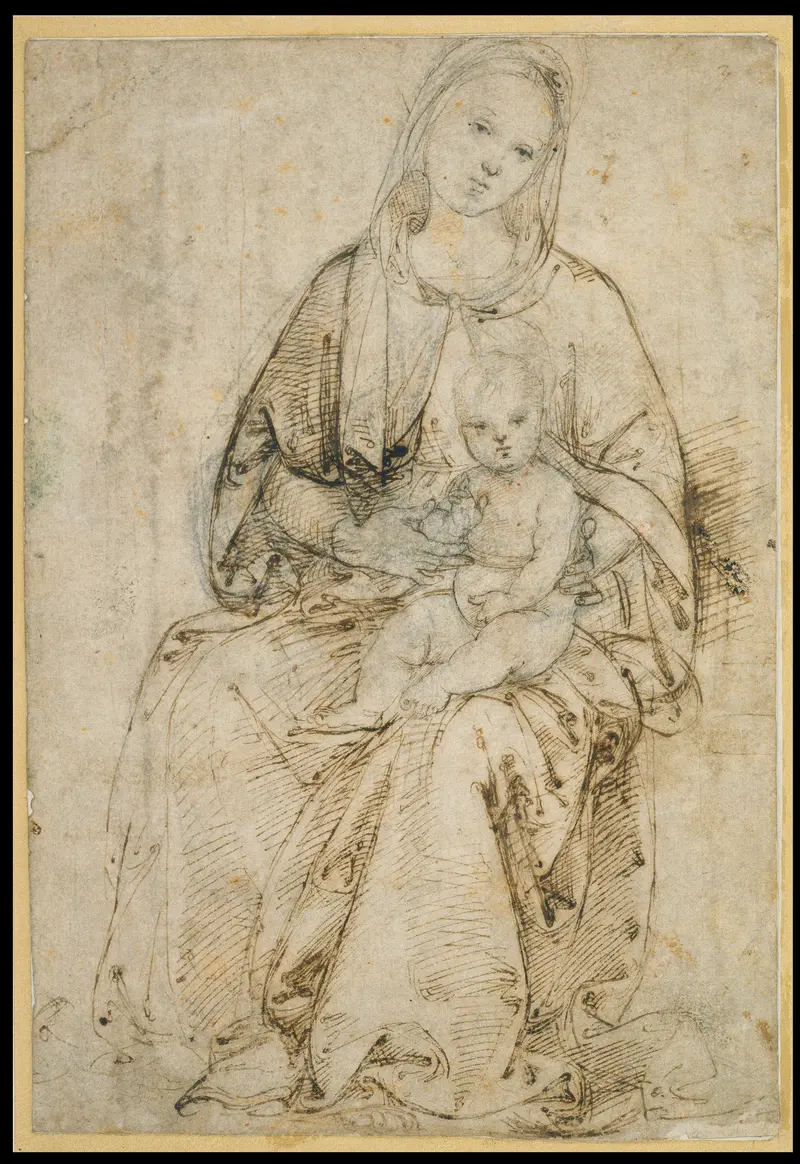
Seated Madonna and Child
Raphael
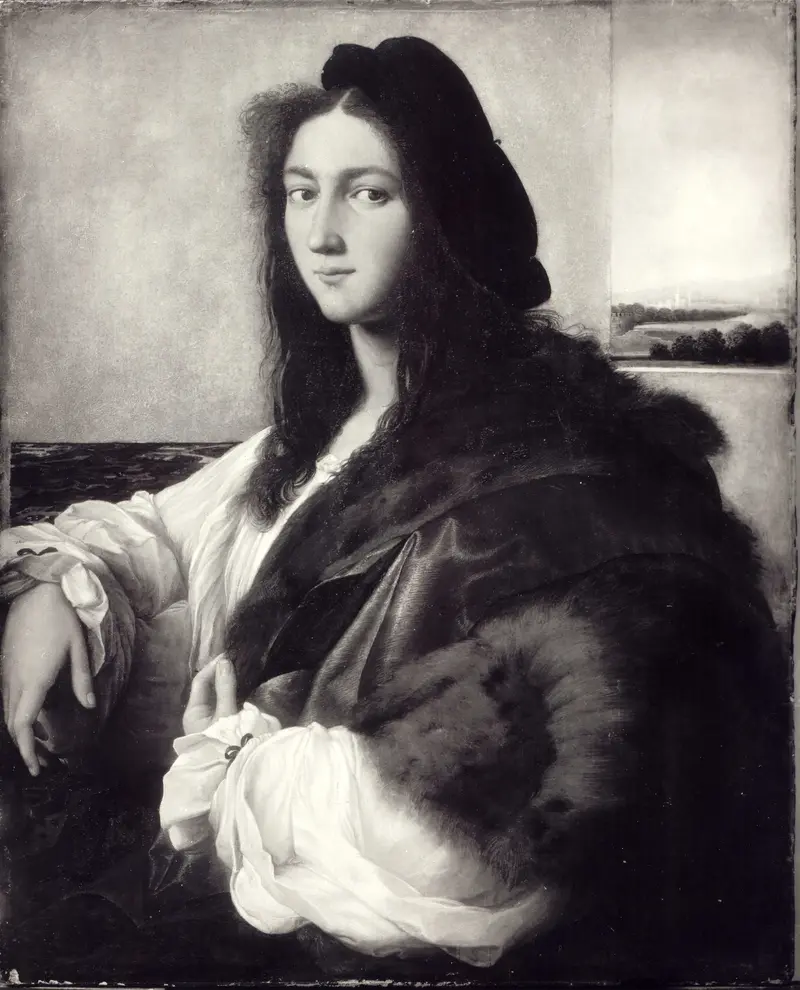
Portrait of a Young Man
Raphael
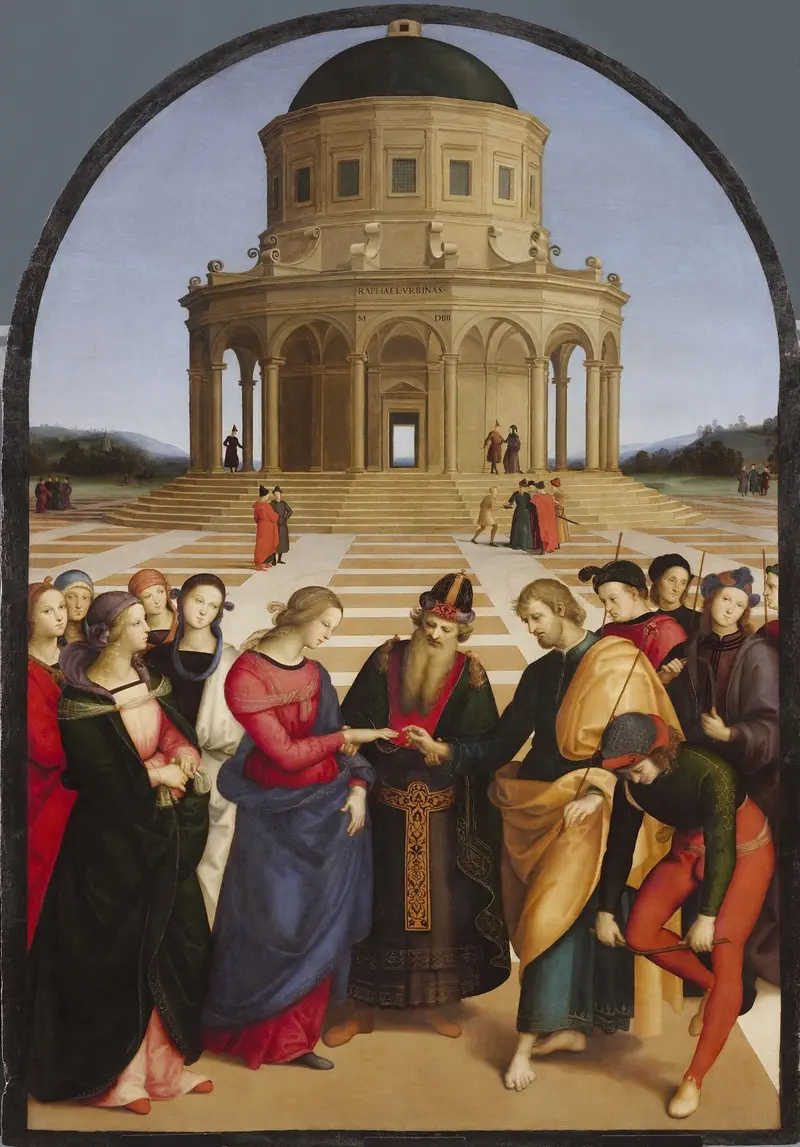
The Marriage of the Virgin
Raphael
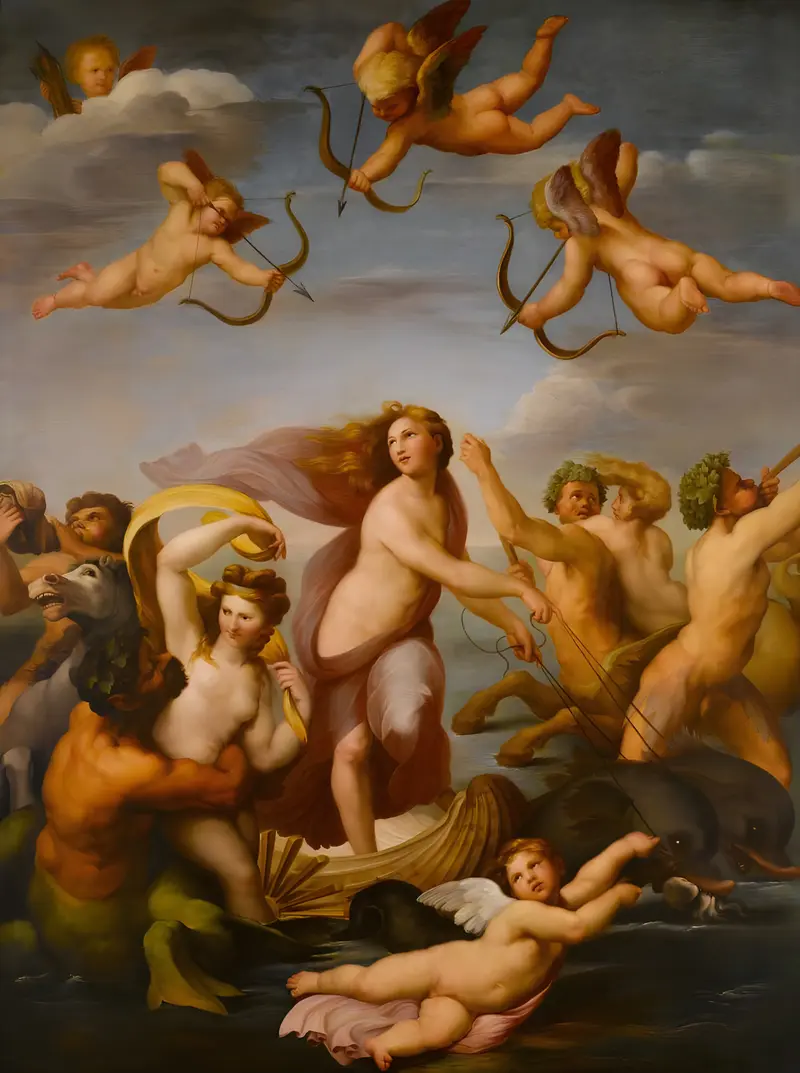
The Triumph of Galatea (copy after Raphael)
Raphael
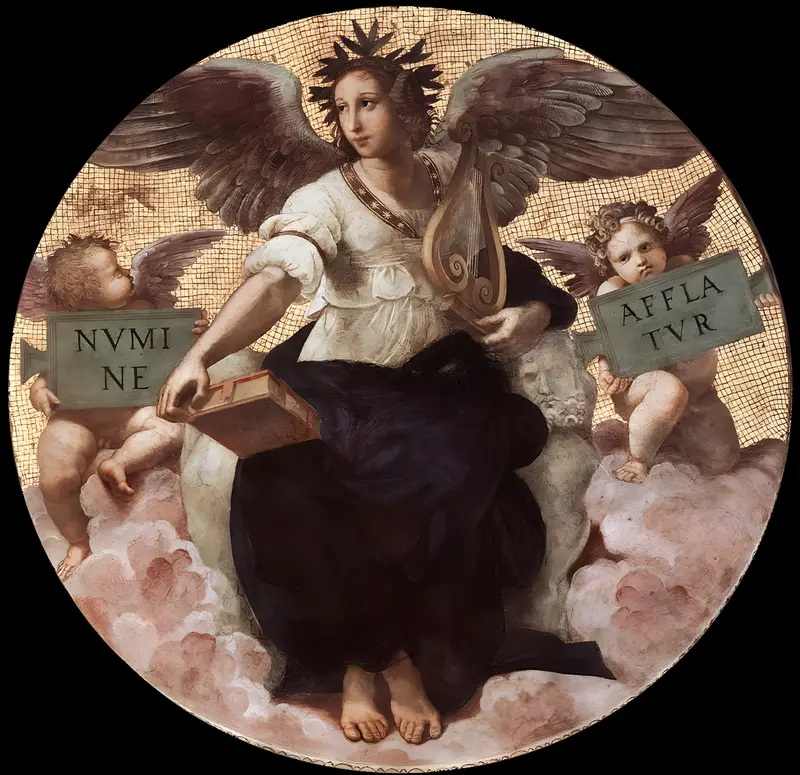
Poetry
Raphael
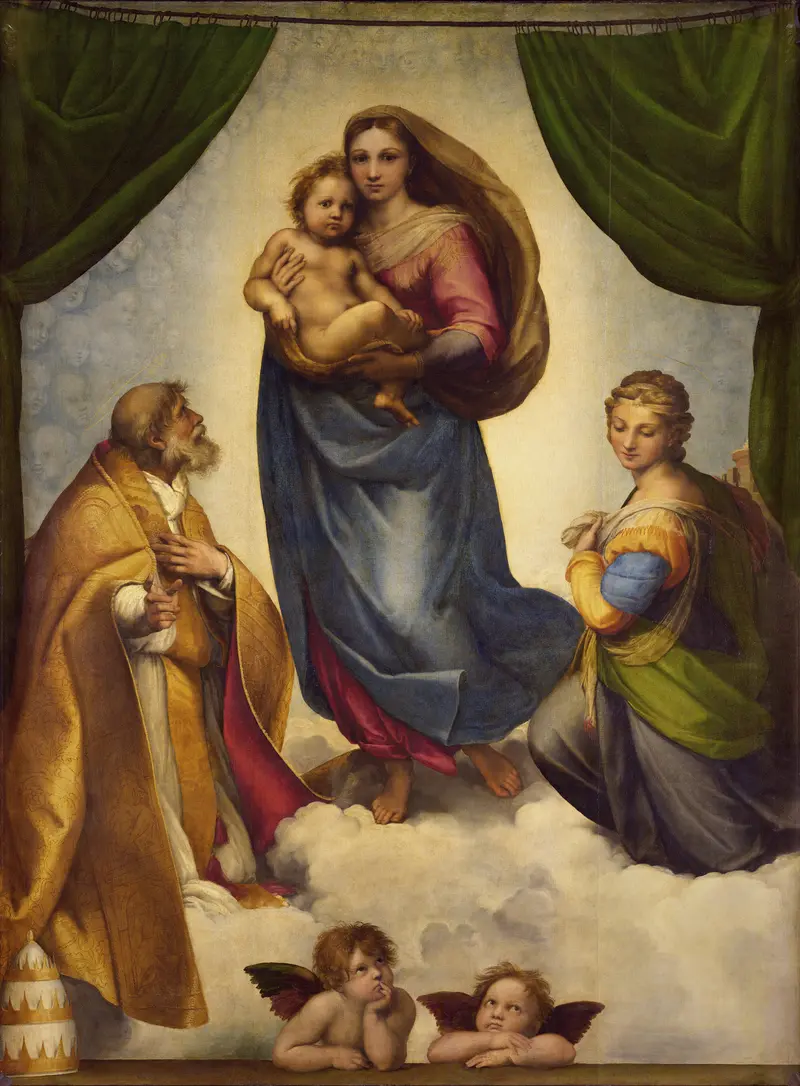
Sistine Madonna
Raphael
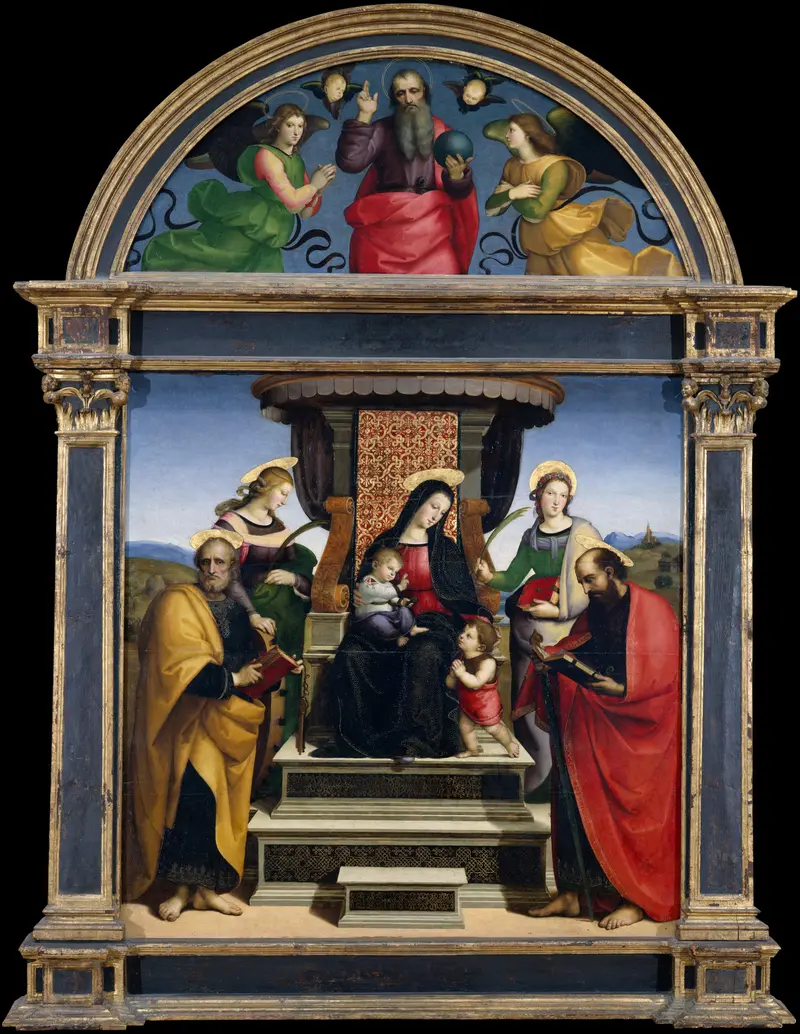
Madonna and Child Enthroned with Saints
Raphael




