
Regina Angelorum — History & Facts
In 1657, Francisco de Zurbarán painted Regina Angelorum as one of his final major religious works, at a time when his reputation in Seville was waning and commissions were increasingly scarce. What makes this painting especially intriguing is that it stands as one of the few large-scale Marian images by Zurbarán, who was far better known for his saints and monastic figures. The painting’s whereabouts were uncertain for centuries, and it was only in the 20th century that scholars confidently attributed it to Zurbarán, after a period when it was sometimes credited to his workshop or followers. At the center of Regina Angelorum, the Virgin Mary is crowned Queen of Angels, elevated on clouds and surrounded by a celestial host.
Zurbarán chooses the moment of her glorification, capturing Mary in serene majesty, her hands gently folded and her gaze lowered in humility. The angels, rendered with the artist’s characteristic attention to fabric and gesture, cluster around her in adoration, each holding musical instruments or symbols of purity. The luminous whites and deep blues of Mary’s robes, set against a dark background, draw the viewer’s eye upward, echoing the spiritual ascent.
Compared to Murillo’s more sentimental Madonnas, Zurbarán’s Mary is dignified and remote, embodying an ideal of divine queenship rather than maternal affection. The precise circumstances of the painting’s commission remain unclear, though it likely originated for a Sevillian convent or church devoted to Marian worship. Over the centuries, Regina Angelorum passed through various hands, at times misattributed, before its reemergence in scholarly literature restored its place in Zurbarán’s oeuvre. Today, it is recognized as a testament to the late Baroque devotion to the Virgin, and to Zurbarán’s enduring ability to convey spiritual grandeur through simplicity and restraint.
The painting now hangs in the Museo del Prado, where it stands as a quiet but commanding presence among the Spanish masters.
More Artworks by Francisco de Zurbarán
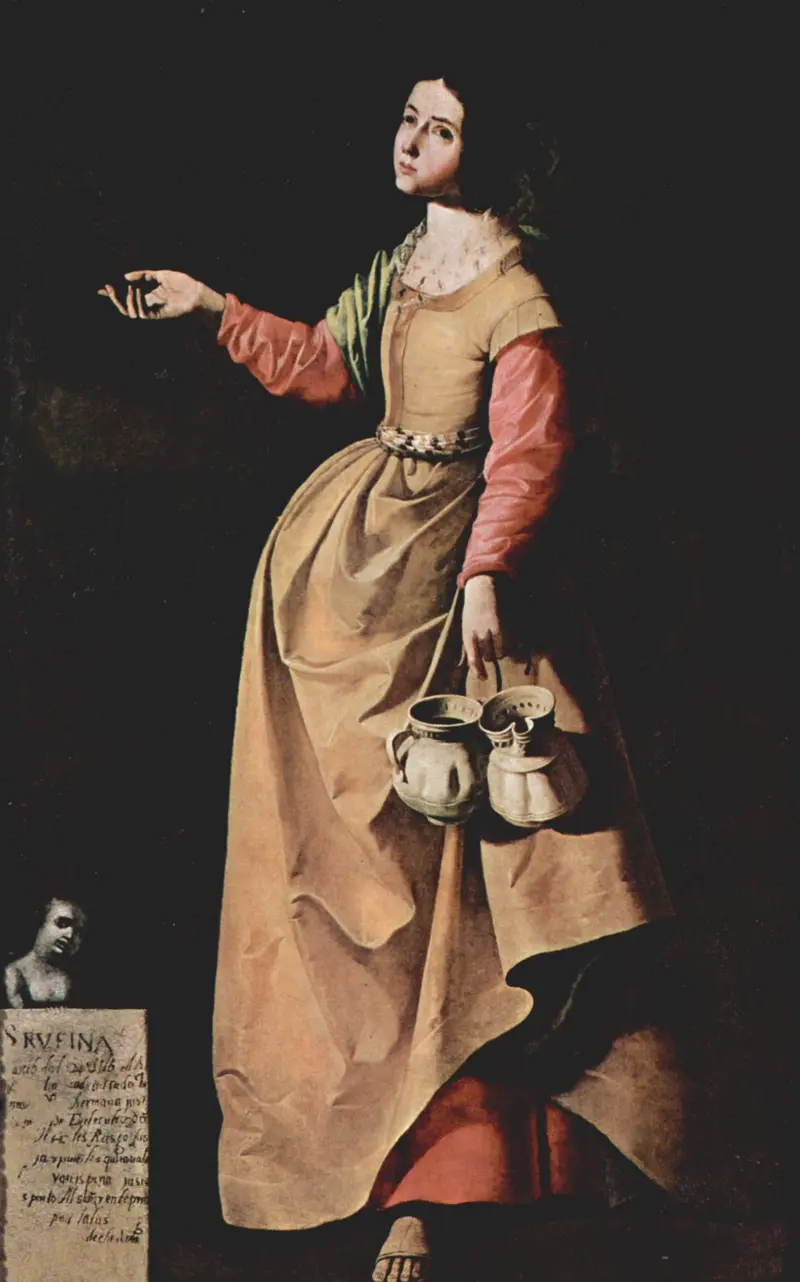
Saint Rufina
Francisco de Zurbarán
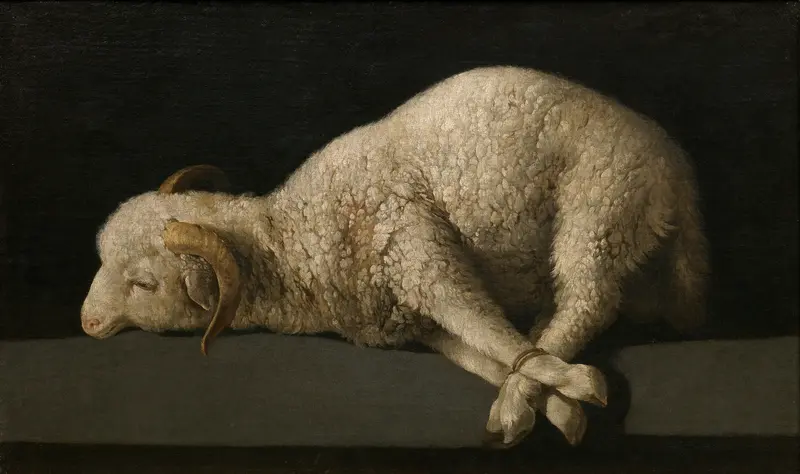
Agnus Dei
Francisco de Zurbarán
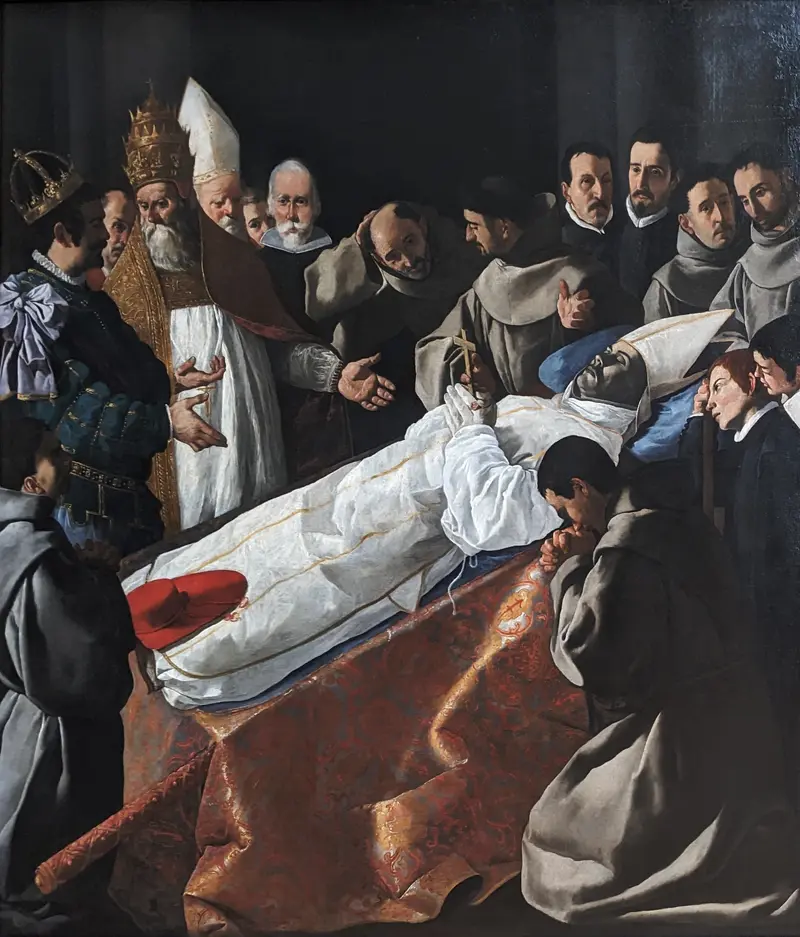
Saint Bonaventure's Body Lying in State
Francisco de Zurbarán
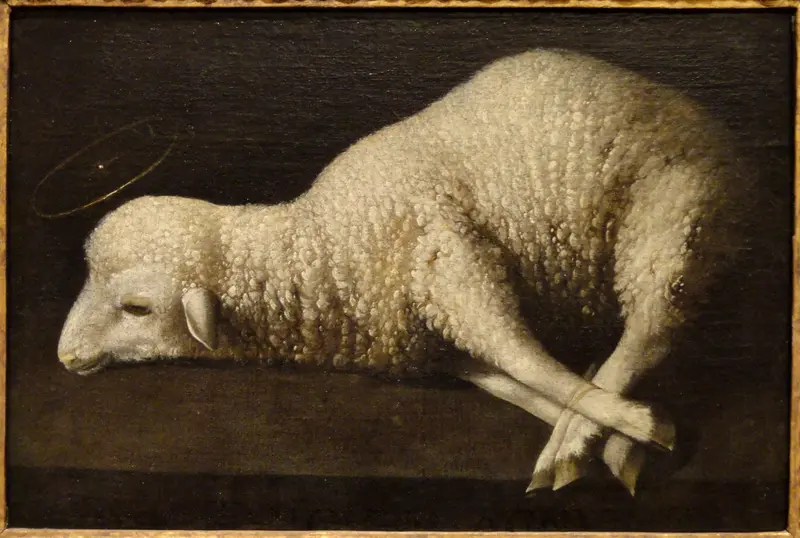
The Lamb of God
Francisco de Zurbarán

Adoration of the Magi
Francisco de Zurbarán
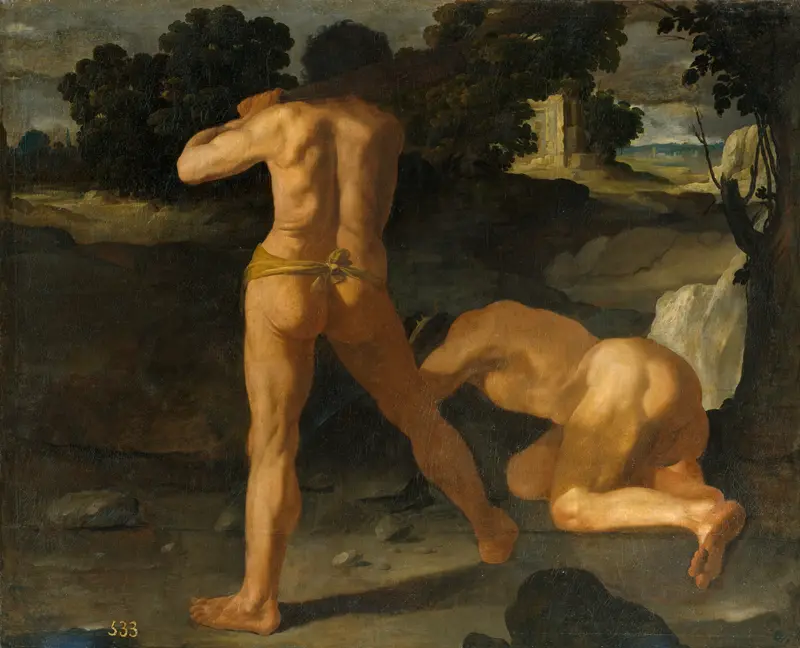
Hercules defeats King Geryon
Francisco de Zurbarán
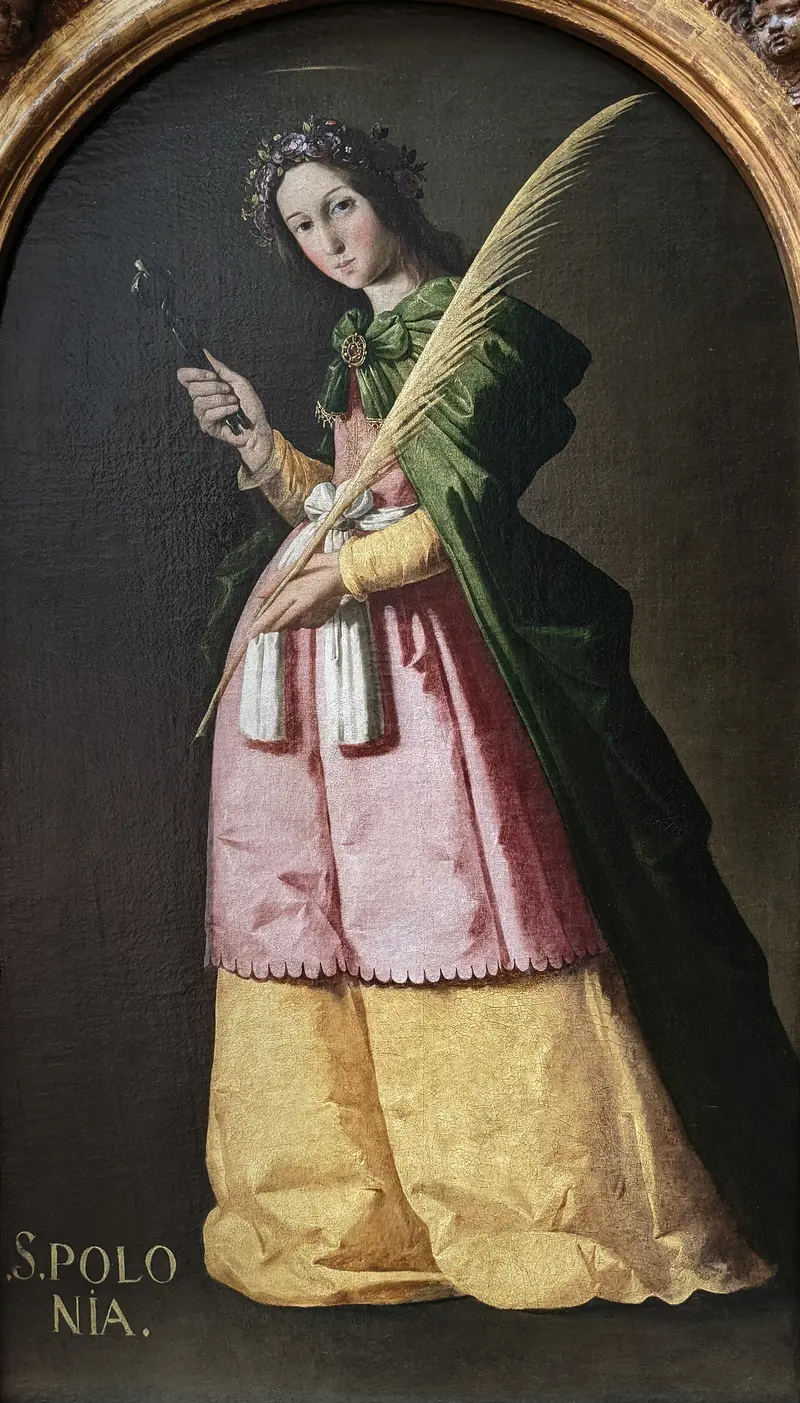
Saint Apollonia
Francisco de Zurbarán
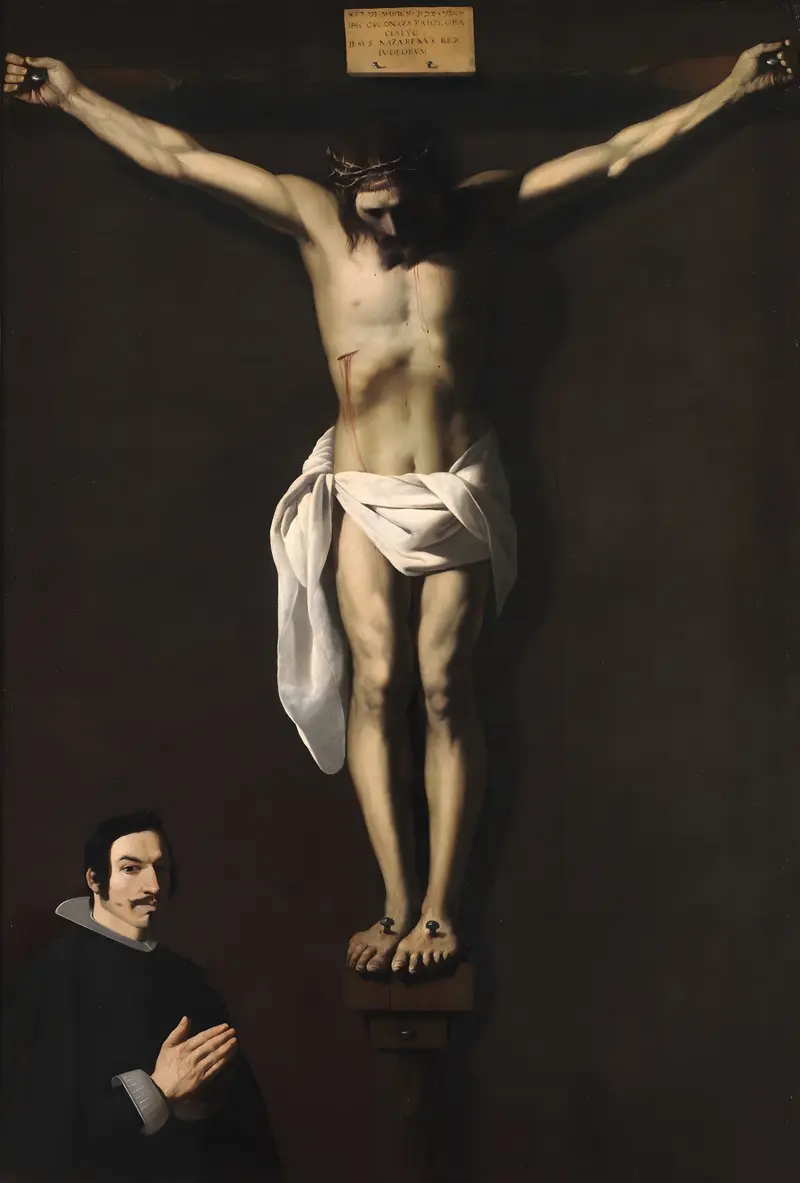
The Crucified Christ with a Donor
Francisco de Zurbarán
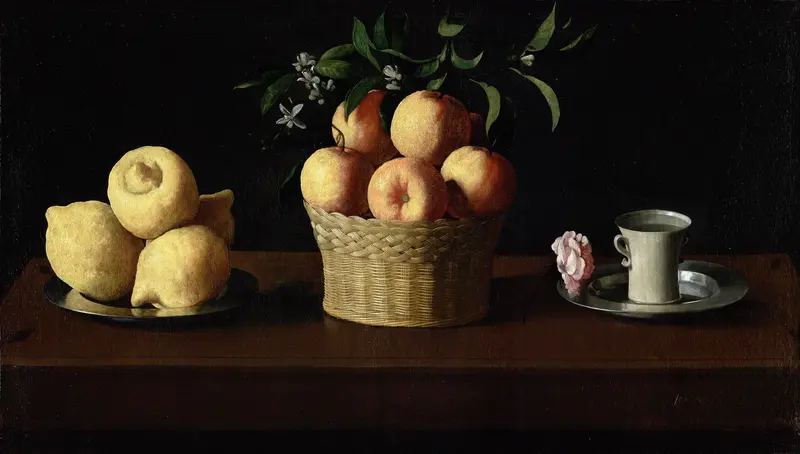
Still Life with Lemons, Oranges and a Rose
Francisco de Zurbarán
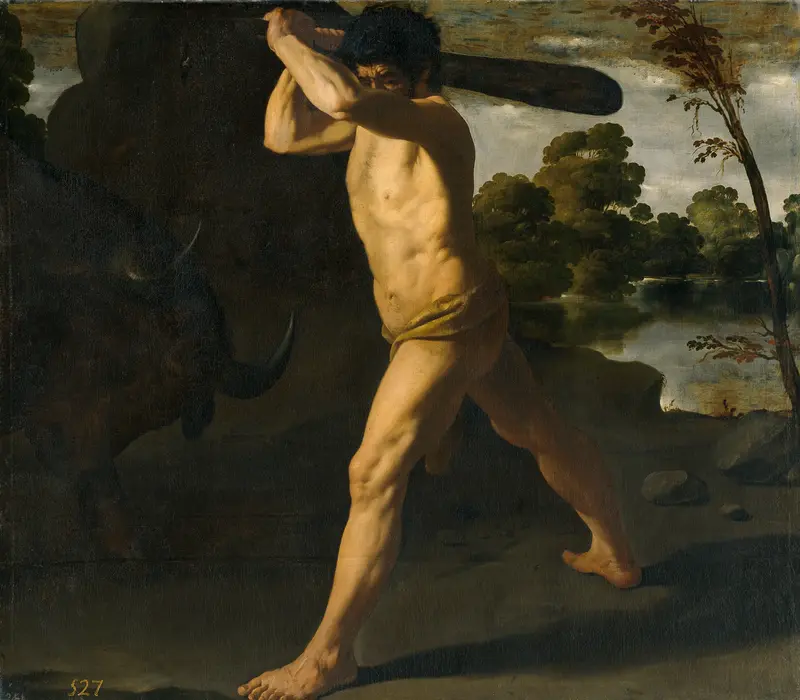
Hercules and the Cretan Bull
Francisco de Zurbarán





