Renaissance Ornament No. 6 — History & Facts
The first thing that seizes the eye in Renaissance Ornament No. 6 by Owen Jones is its dazzling parade of color and form—a grid that feels almost musical in its rhythm. Each compartment is a world unto itself, yet together they create a symphony of Renaissance revival: stylized leaves, fantastical flowers, and interlacing scrolls, all rendered in crisp chromolithographic clarity.
The human face peering out from a corona of petals in the second panel draws you in, a reminder that ornament was never just background—it was meant to delight, to surprise, to speak. The palette is unmistakably Jones: vibrant blues, oranges, and greens, each hue chosen to both harmonize and command attention. Look closely and you’ll see how repetition and variation guide the eye, echoing the Renaissance fascination with both order and invention. This page belongs to a world obsessed with cataloging beauty and learning from the past.
In mid-19th century Britain, pattern books like this one were prized by architects, designers, and craftsmen eager to revive and reinterpret historical styles for a new industrial age. Owen Jones’s The Grammar of Ornament, from which this plate comes, was published in London and became a touchstone for design education, its influence spreading far beyond its time. The Polona Digital Library preserves this 1910 edition, a testament to how such works were treasured and reprinted for generations.
As you linger over each motif, you glimpse not only Renaissance Italy but also Victorian London’s hunger for knowledge, order, and beauty—inviting you to imagine how these patterns might once have adorned walls, books, or textiles.
More Artworks by Owen Jones

Greek Ornament No. 1
Owen Jones
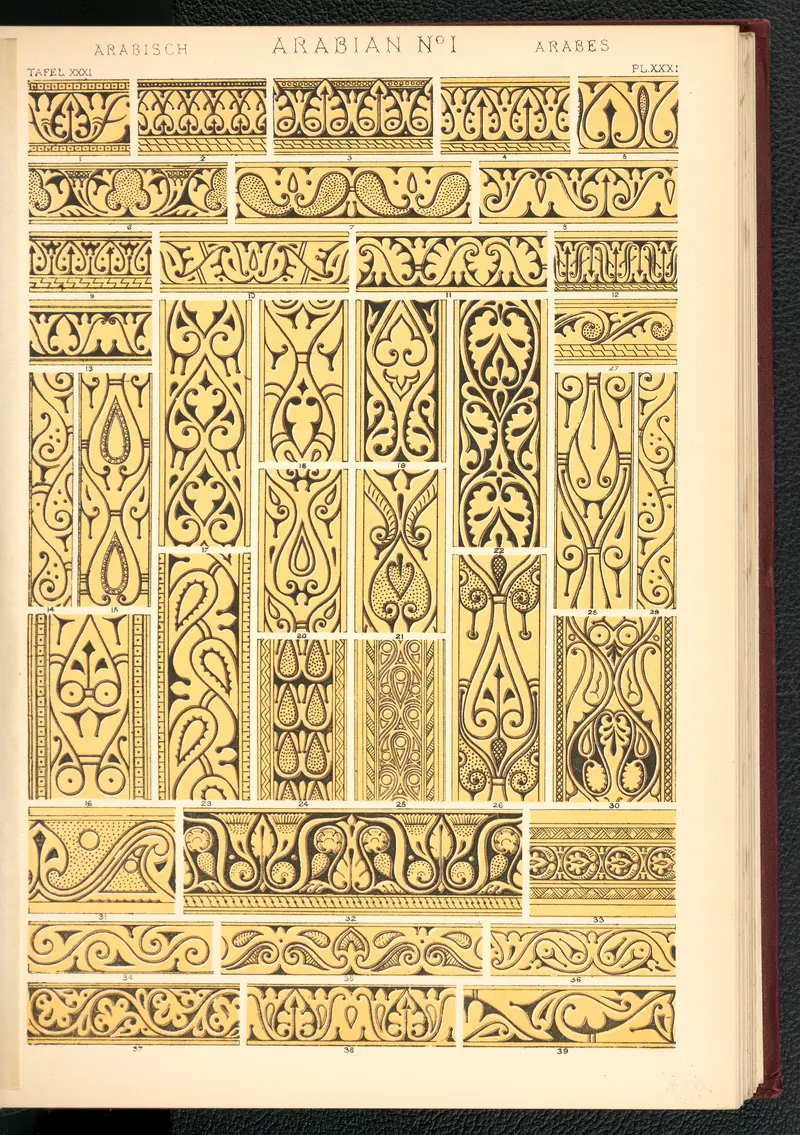
Arabian Ornament No. 1
Owen Jones
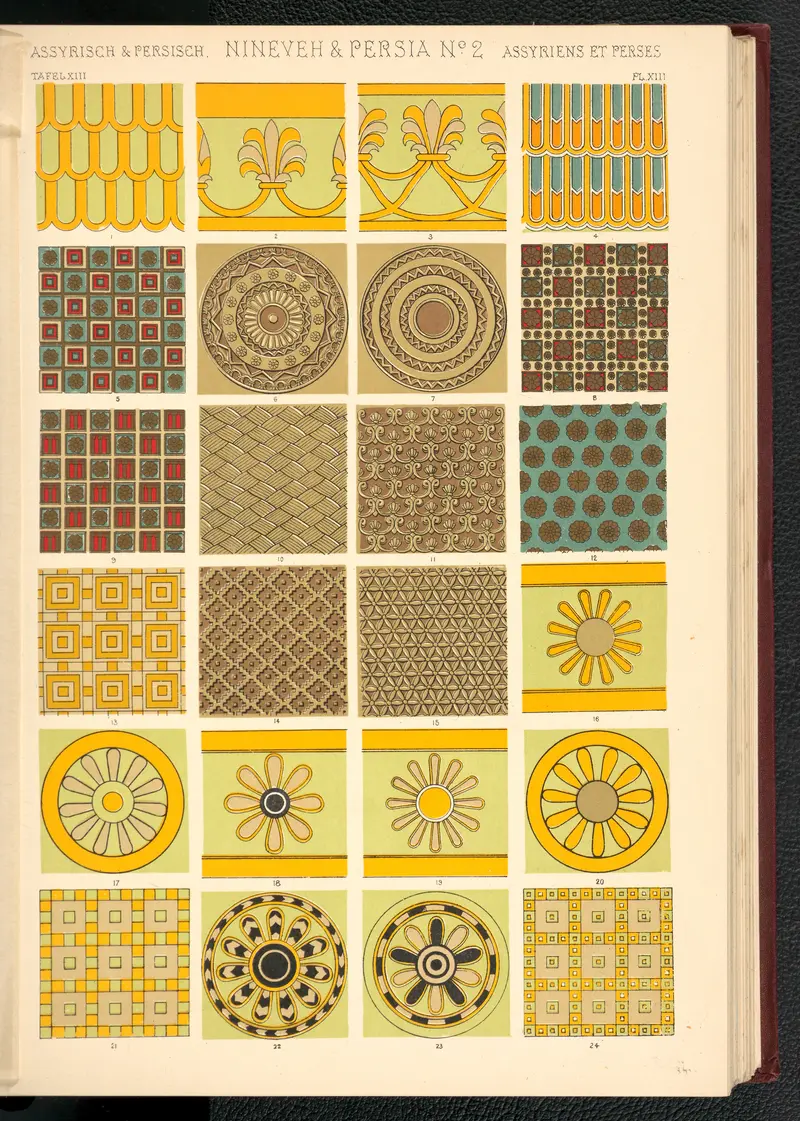
Assyrian Ornament No. 2
Owen Jones

Egyptian Ornament No. 3
Owen Jones
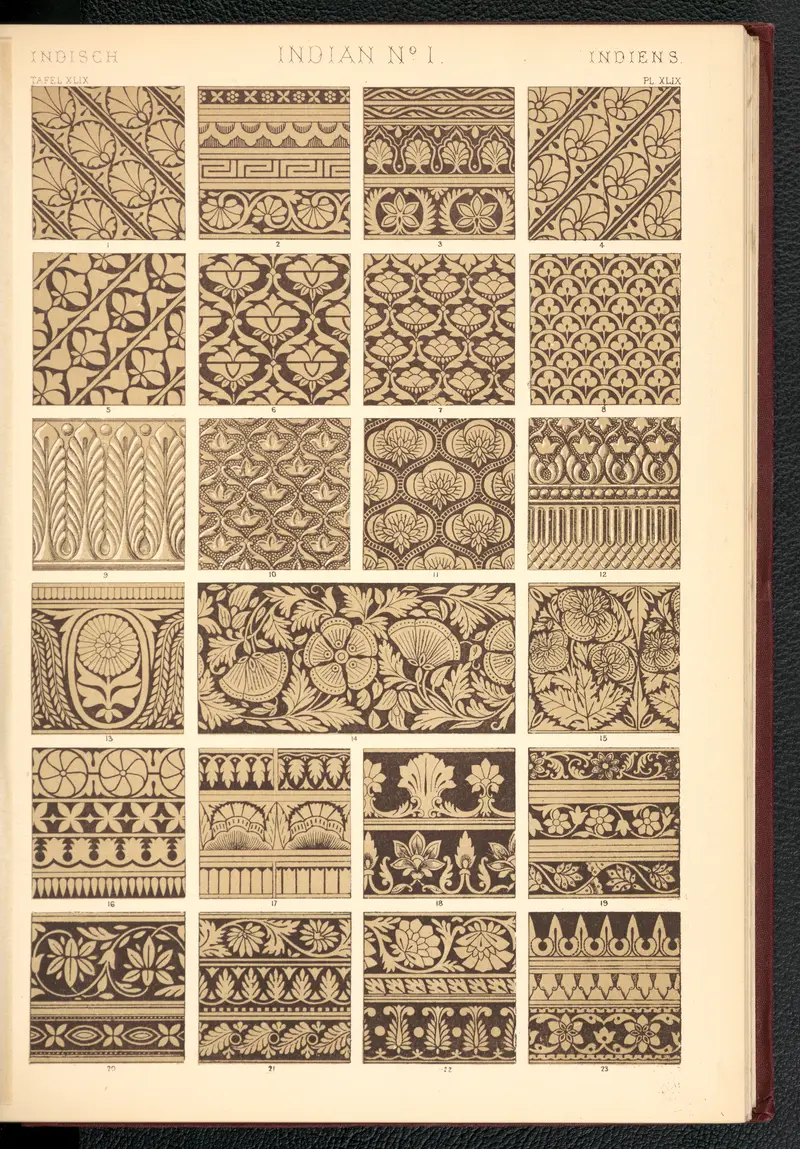
Indian Ornament No. 1
Owen Jones
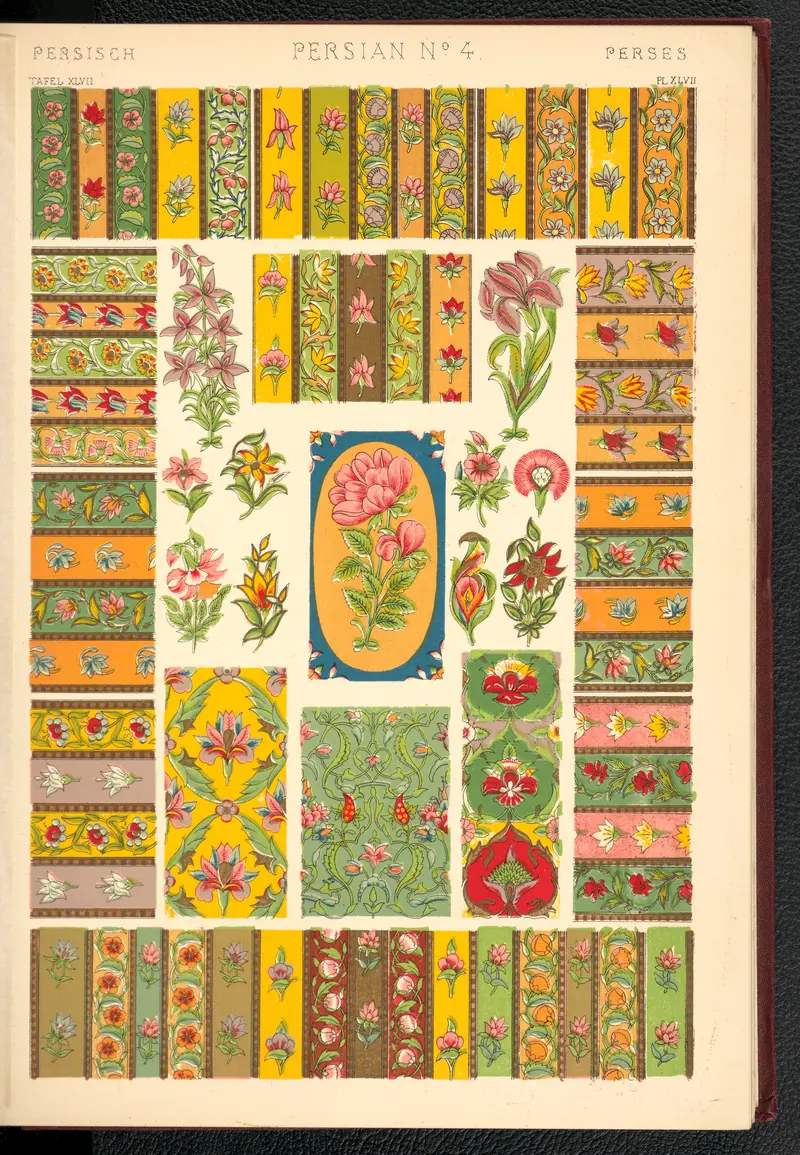
Persian Ornament No. 4
Owen Jones
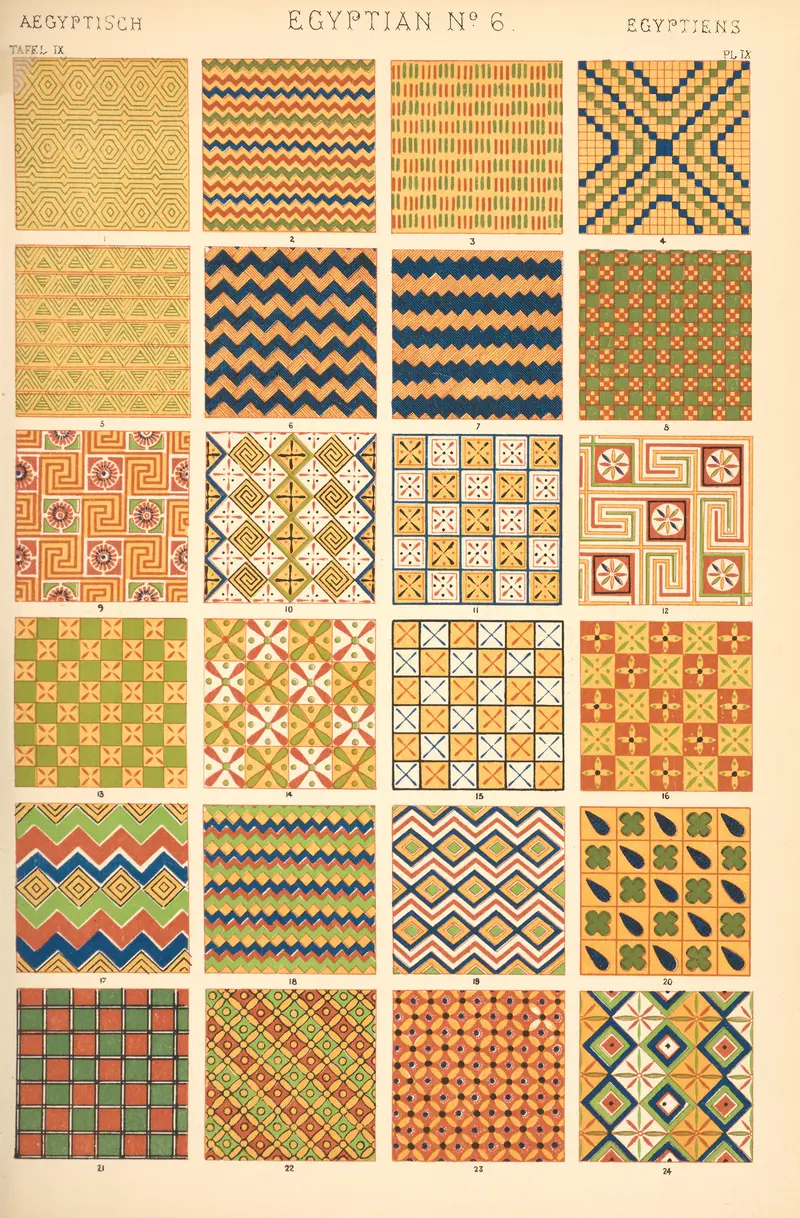
Egyptian Ornament No. 6
Owen Jones
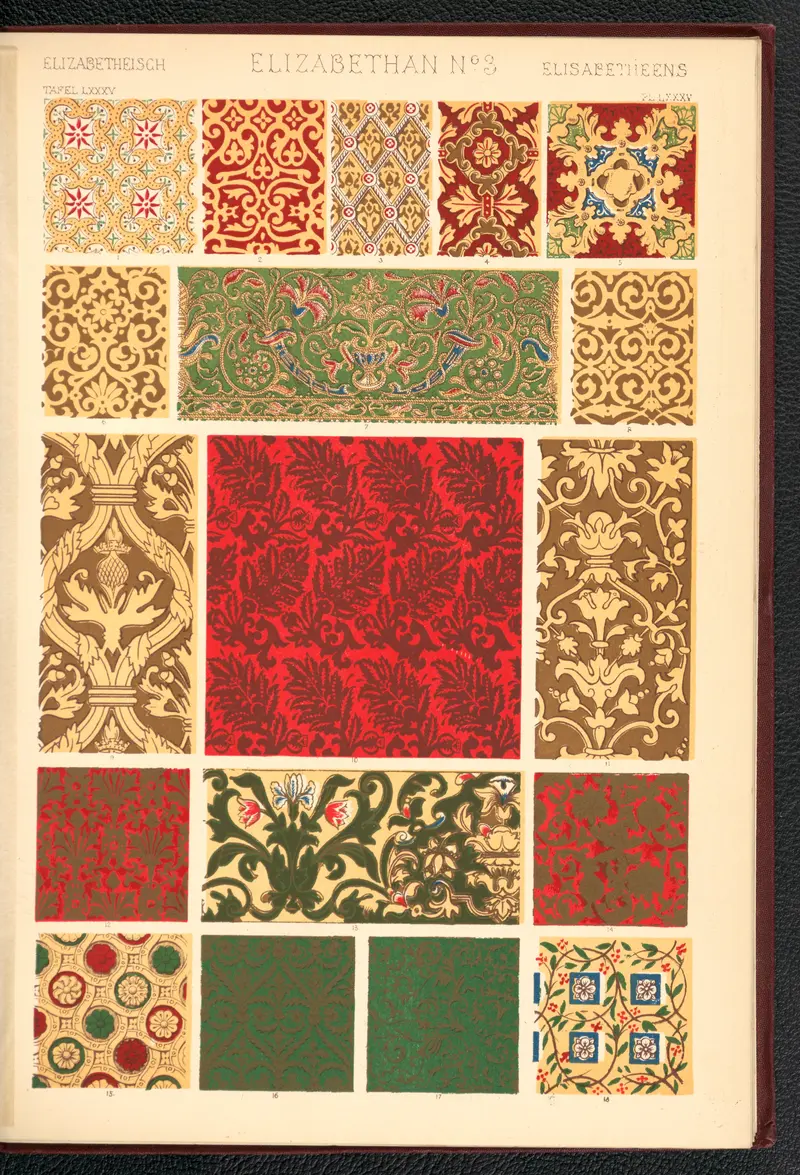
Elizabethan Ornament No. 3
Owen Jones
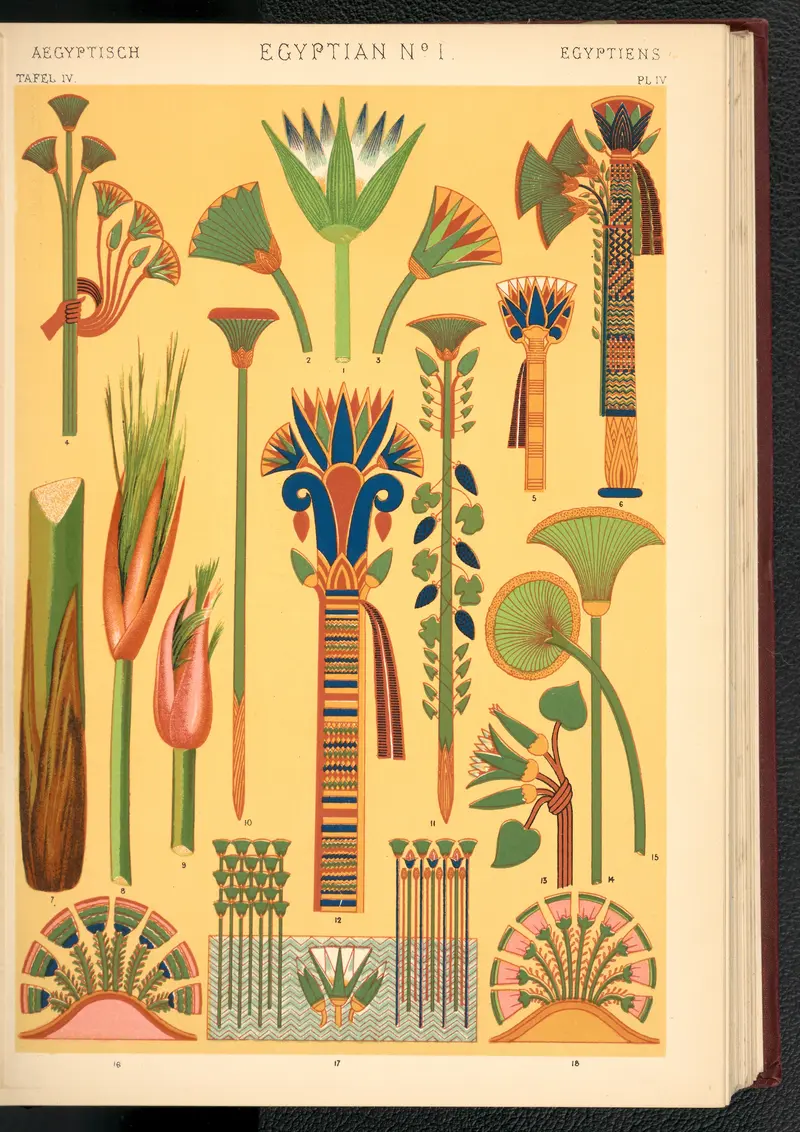
Egyptian Ornament No. 1
Owen Jones
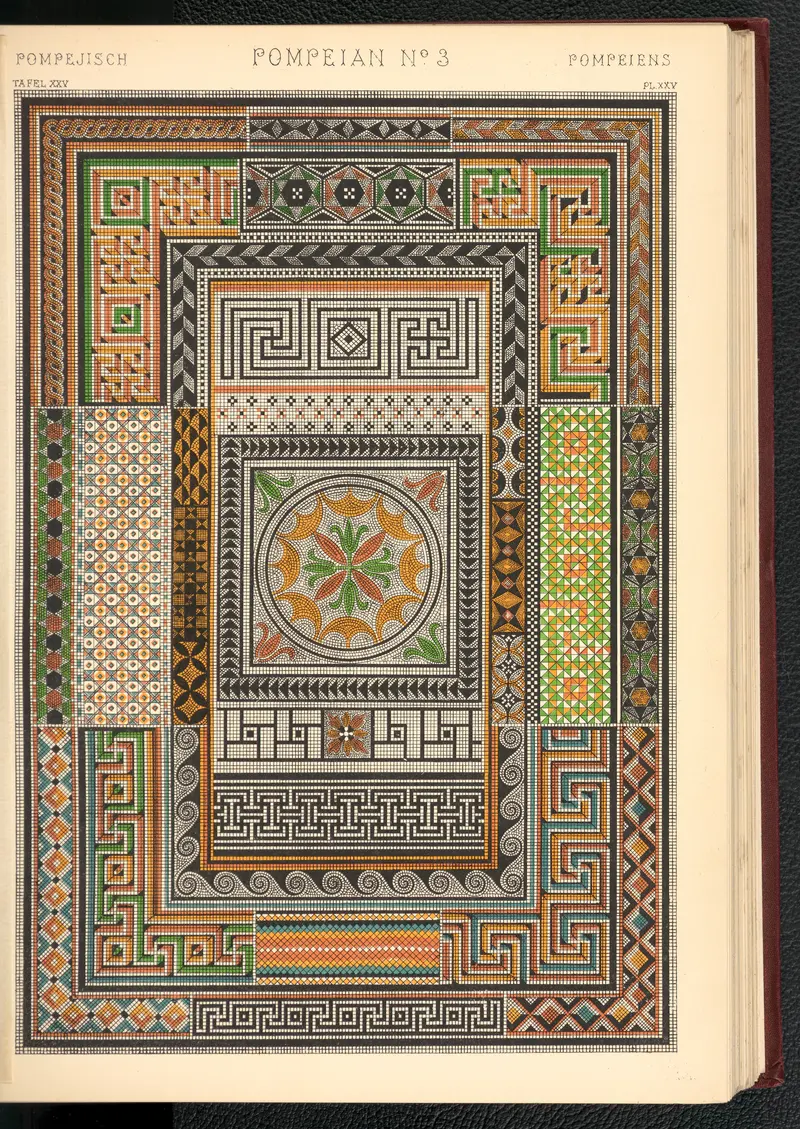
Pompeian Ornament No. 3
Owen Jones