
Romulus — History & Facts
When Jean Auguste Dominique Ingres sent Romulus to Paris in 1812, it was not as a finished painting but as a preparatory cartoon for a monumental ceiling in the French capital. Commissioned for the Salon du Conseil d’État at the Palais du Louvre, this work was part of Napoleon’s ambitious campaign to fill the city’s public buildings with heroic scenes from antiquity, aligning the new French Empire with the glory of Rome. The cartoon was praised for its clarity and grandeur, and even critics who found fault with Ingres’s style admitted the force of his vision.
The project itself, however, was never realized as planned, leaving Romulus as a rare surviving testament to the artist’s early ambitions in monumental decoration. At the heart of the composition, Romulus, the legendary founder of Rome, stands in the act of drawing the sacred furrow that would mark the city’s boundary. Ingres captures the moment of foundation, with Romulus’s arm outstretched and a plough at his side, while followers and augurs look on in solemn anticipation. The figure’s rigid profile, draped in classical robes, echoes the severe clarity of ancient reliefs, while the careful arrangement of figures and the rhythmic folds of their garments recall the influence of Jacques-Louis David.
Unlike David’s The Oath of the Horatii, which pulses with dramatic tension, Ingres’s scene is cool and hieratic, emphasizing ritual and order over emotion. Every gesture and object—the staff, the plough, the attentive crowd—serves to underline the weight of founding a city destined for greatness. Although the original commission for the Louvre ceiling was abandoned, the cartoon of Romulus survived and became an important milestone in Ingres’s career. It marked his transition from student to a painter sought after for major public projects, and it foreshadowed his lifelong fascination with antiquity and idealized form.
The cartoon itself passed through several hands before entering a public collection; today, it is preserved at the Musée Ingres in Montauban, the artist’s hometown. As one of the few large-scale preparatory works from this period to survive, Romulus offers a window into the ambitions and anxieties of French art during the Napoleonic era.
More Artworks by Jean Auguste Dominique Ingres
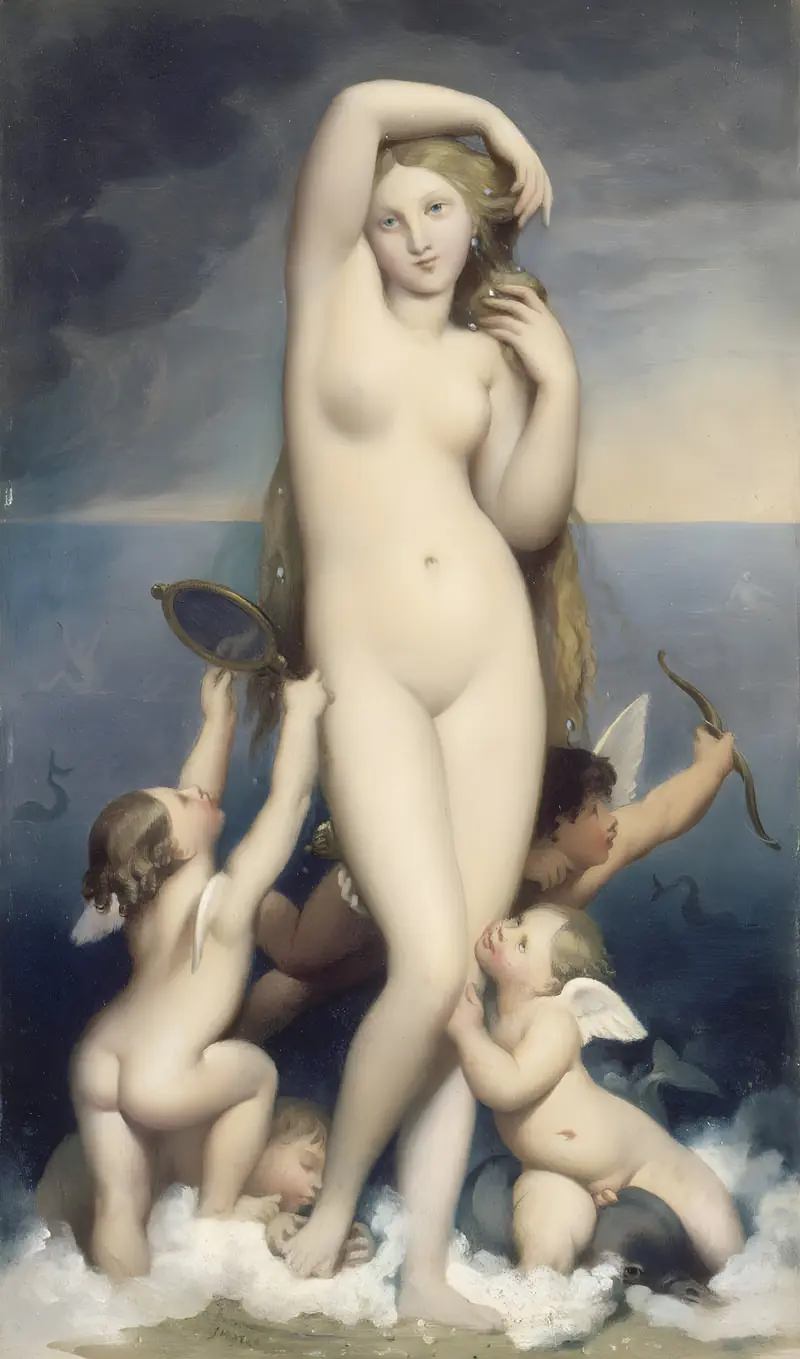
Vénus anadyomène
Jean Auguste Dominique Ingres
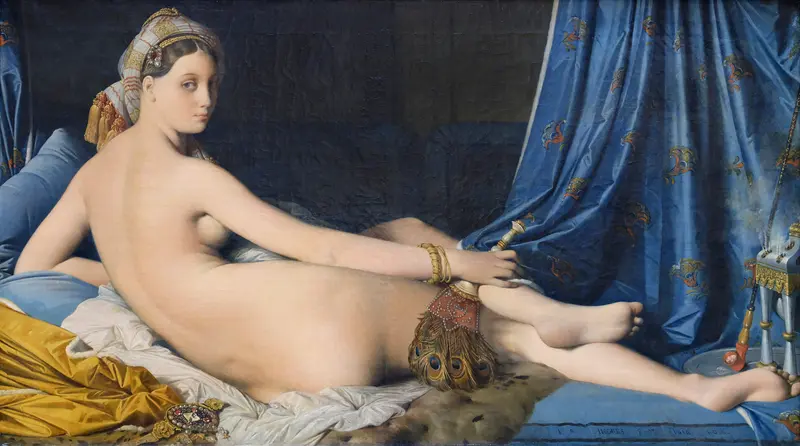
Grande Odalisque
Jean Auguste Dominique Ingres
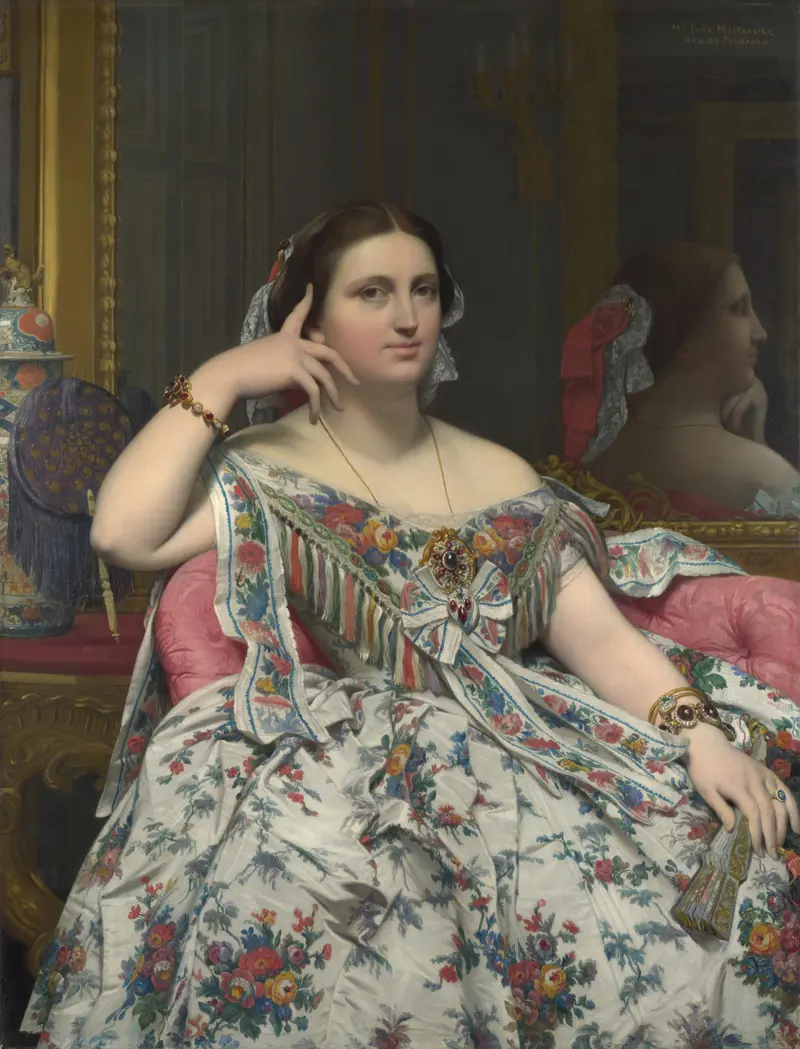
Madame Moitessier (seated)
Jean Auguste Dominique Ingres
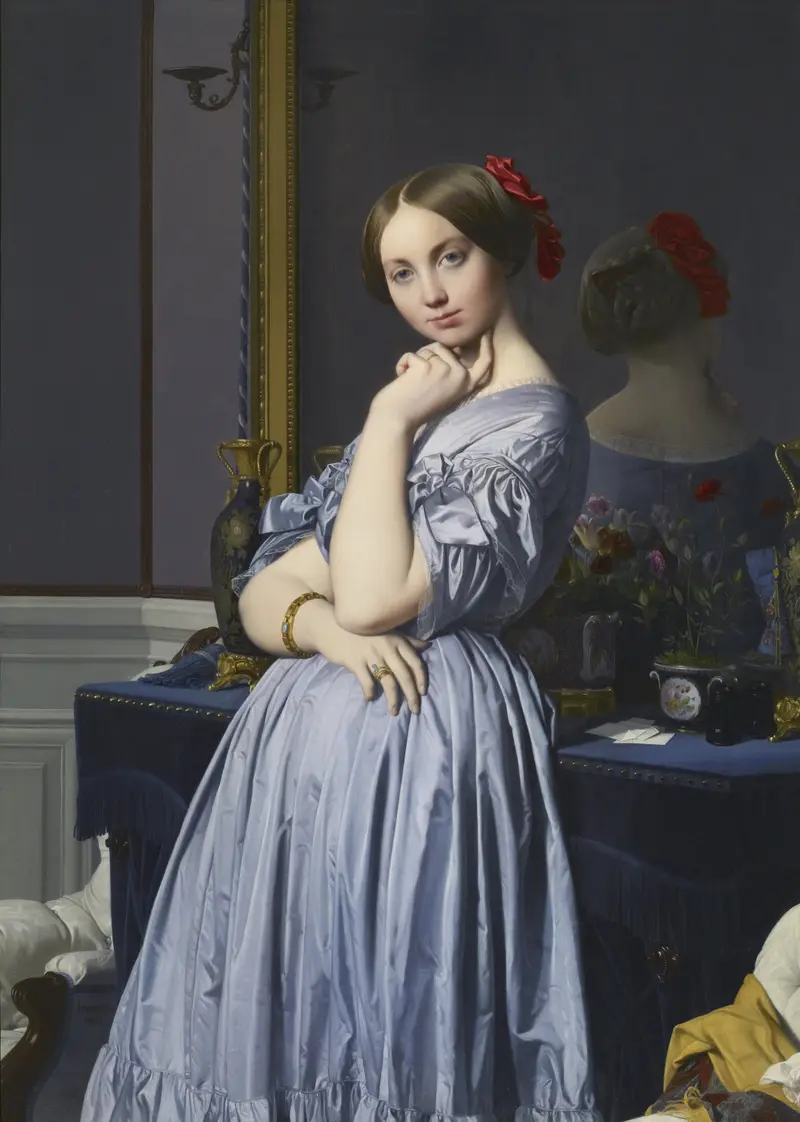
Portrait of Comtesse d’Haussonville
Jean Auguste Dominique Ingres
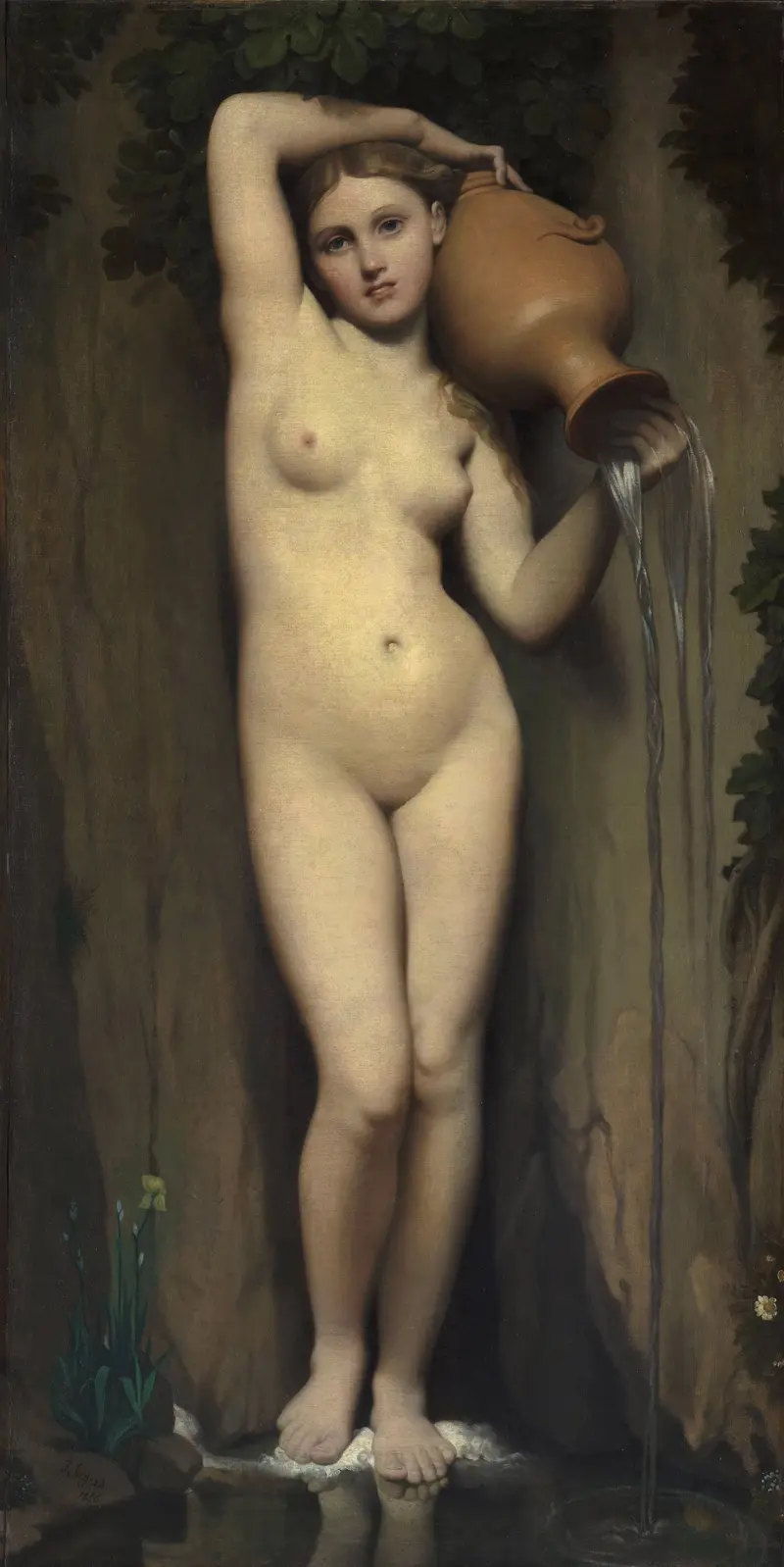
The Source
Jean Auguste Dominique Ingres
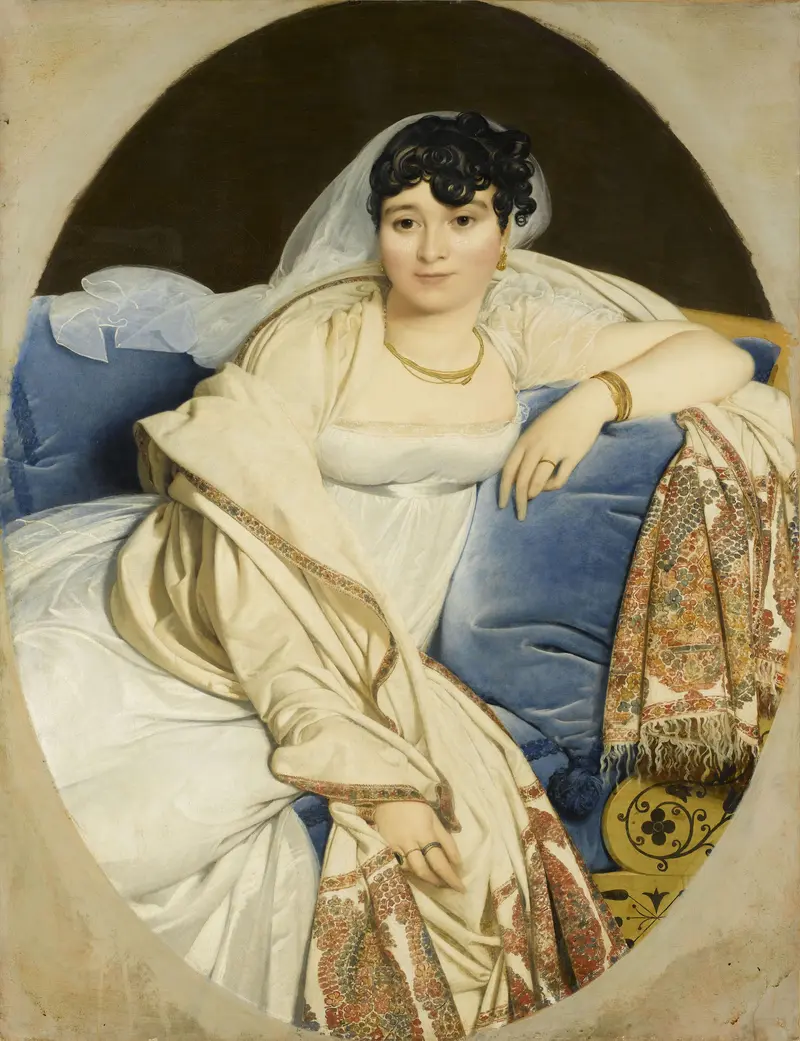
Madame Rivière
Jean Auguste Dominique Ingres

Madame Jean-Auguste-Dominique Ingres, née Madeleine Chapelle
Jean Auguste Dominique Ingres

Portrait of a Lady
Jean Auguste Dominique Ingres
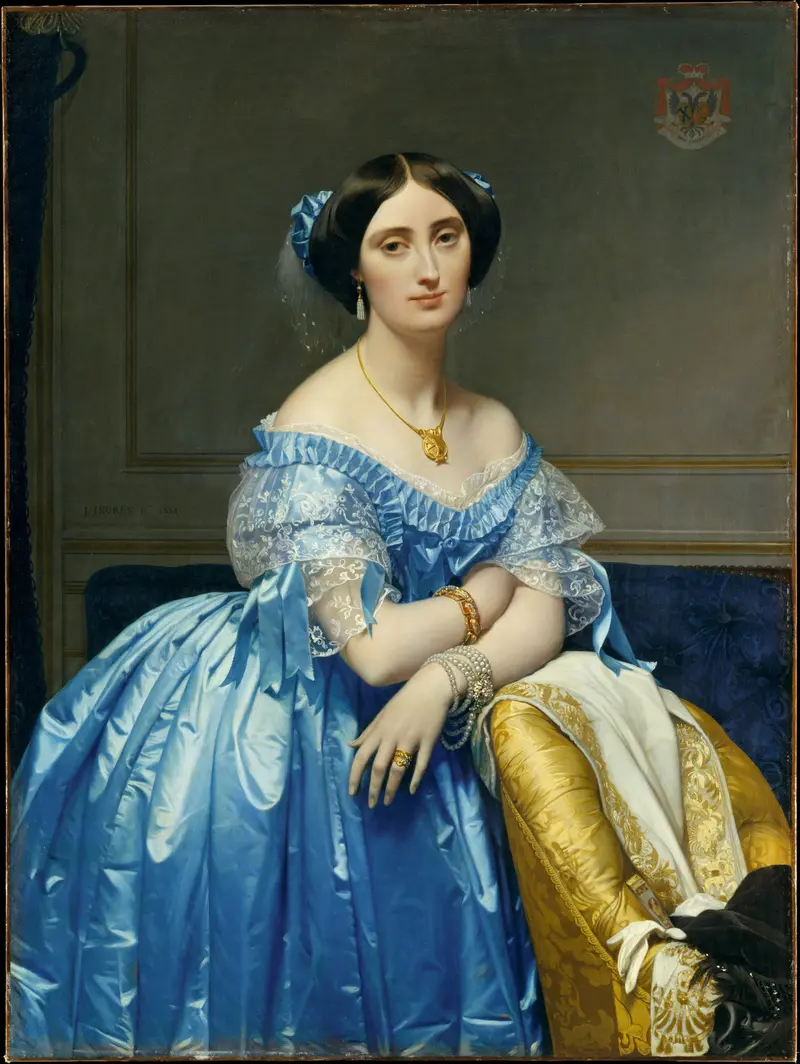
Joséphine-Éléonore-Marie-Pauline de Galard de Brassac de Béarn (1825–1860), Princesse de Broglie
Jean Auguste Dominique Ingres
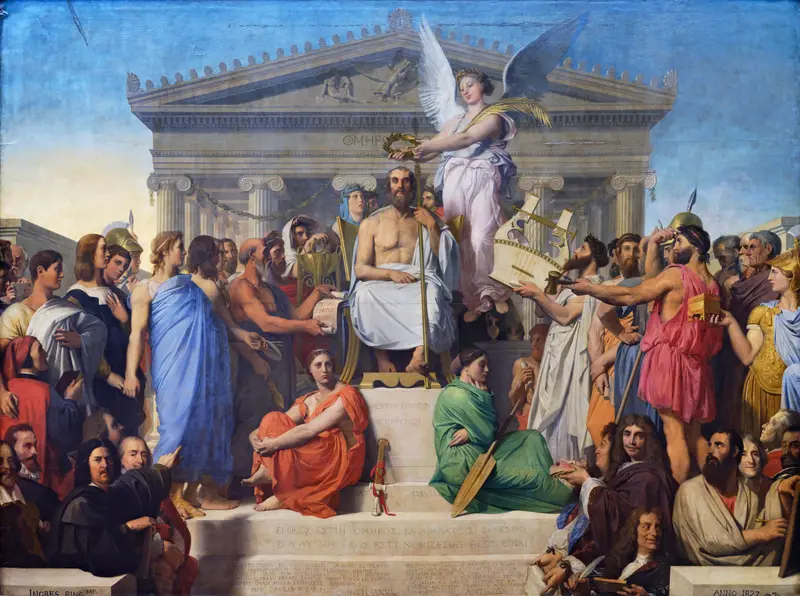
The Apotheosis of Homer
Jean Auguste Dominique Ingres





