
Saint Emerentiana (Santa Emerenciana) — History & Facts
The most intriguing fact about Saint Emerentiana is that it forms part of a celebrated series of female saints painted by Francisco de Zurbarán for the Monastery of the Order of Saint Jerome in Granada in 1637. These paintings were intended not only as devotional images but also as exemplars of steadfast faith for the nuns who lived there. The series, which includes saints like Saint Apollonia and Saint Casilda, is renowned for its serene dignity and the individuality Zurbarán gave to each figure, despite working from a common format.
Over time, these works have become scattered across museums and collections, making each surviving panel a rare encounter with Zurbarán’s vision of sanctity. At the moment Zurbarán chose to depict her, Saint Emerentiana stands quietly, a palm of martyrdom in one hand and a stone in the other—symbols of her death by stoning as a young catechumen at the tomb of Saint Agnes. Her gaze is calm, her posture upright, her clothing rendered in luminous whites and deep shadows that seem to glow against the dark background. The painter’s use of light isolates her from the world, focusing all attention on her steadfastness and purity.
Unlike the dramatic martyrdoms painted by Caravaggio or the emotional fervor of El Greco, Zurbarán’s saint is composed, almost introspective, inviting contemplation rather than pity. The exact medium of Saint Emerentiana is not always specified, but like much of Zurbarán’s work from the 1630s, it is likely oil on canvas. After its creation, the painting remained in the Granada monastery until the 19th-century dispersal of religious art during secularization reforms in Spain. Today, it is housed in the Museo del Prado, where it stands as a testament to Zurbarán’s role as the great painter of Spanish mysticism.
The series as a whole marks a high point in his career, blending the austerity of Spanish Counter-Reformation art with a subtle human warmth that has drawn admiration for centuries.
More Artworks by Francisco de Zurbarán
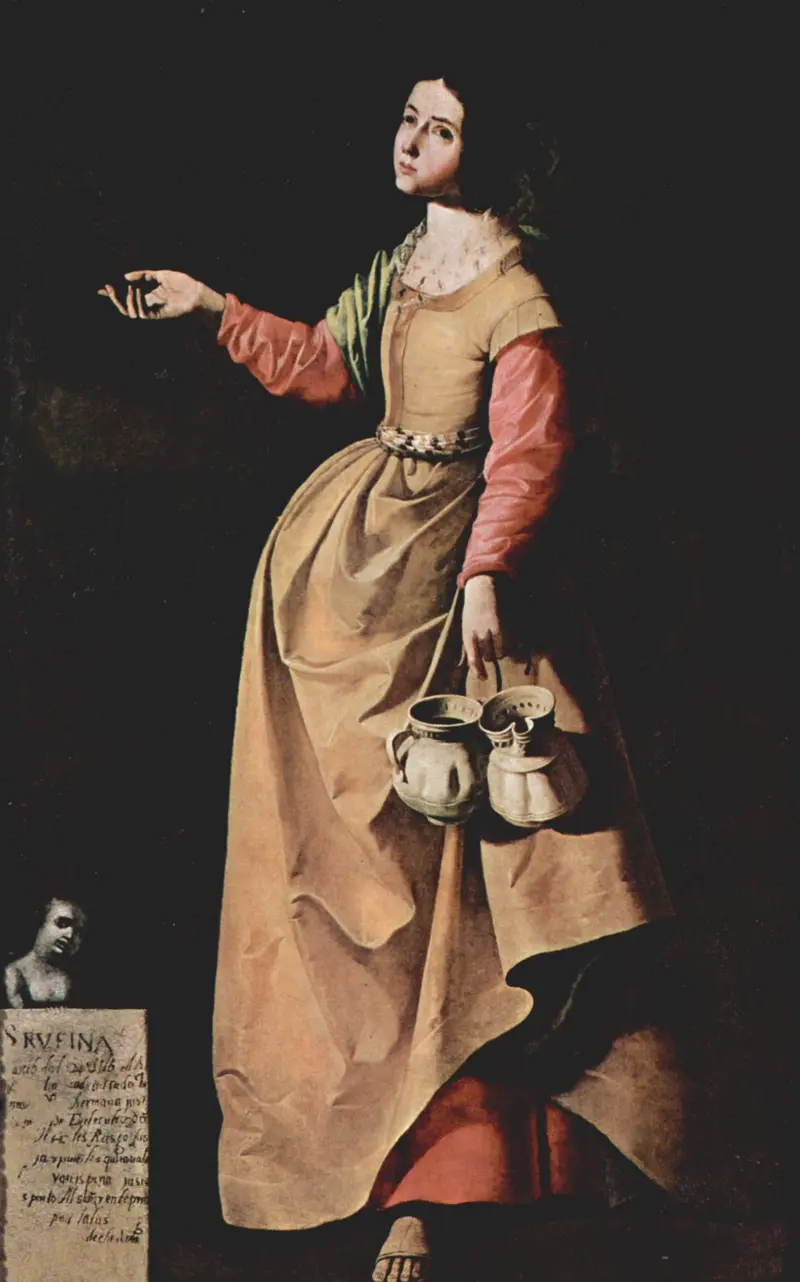
Saint Rufina
Francisco de Zurbarán
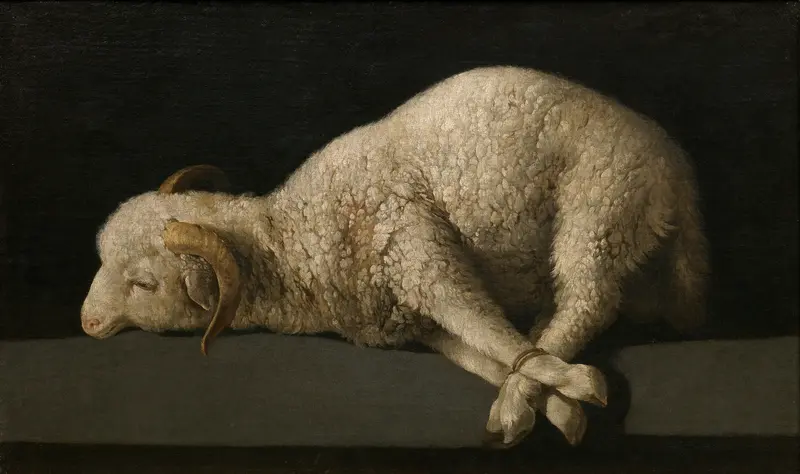
Agnus Dei
Francisco de Zurbarán
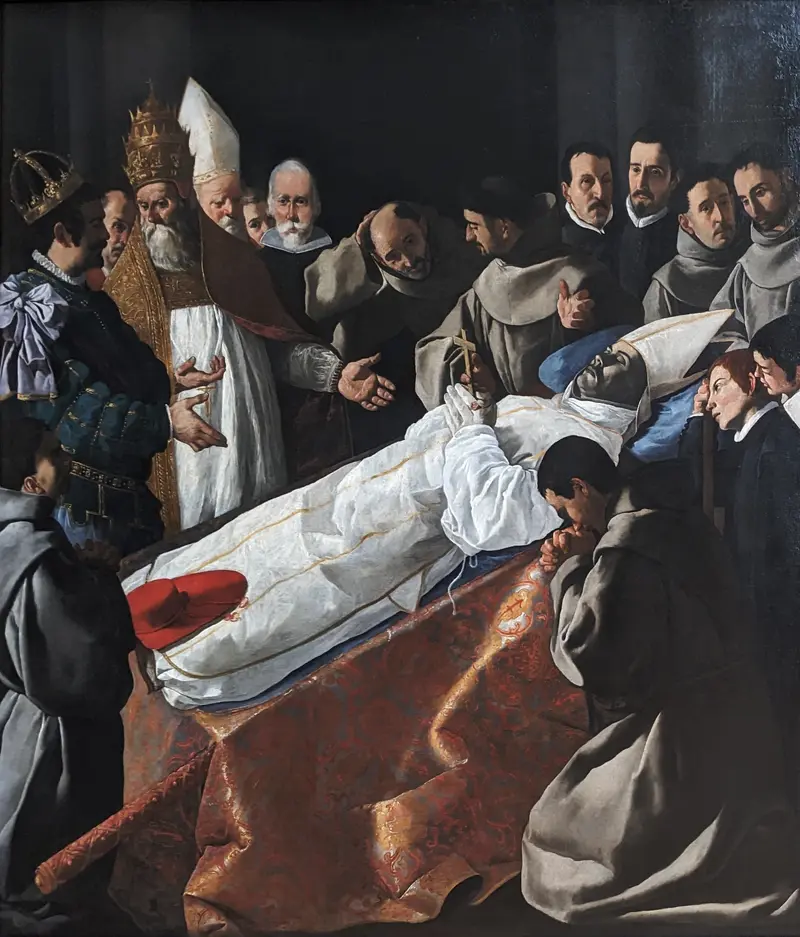
Saint Bonaventure's Body Lying in State
Francisco de Zurbarán
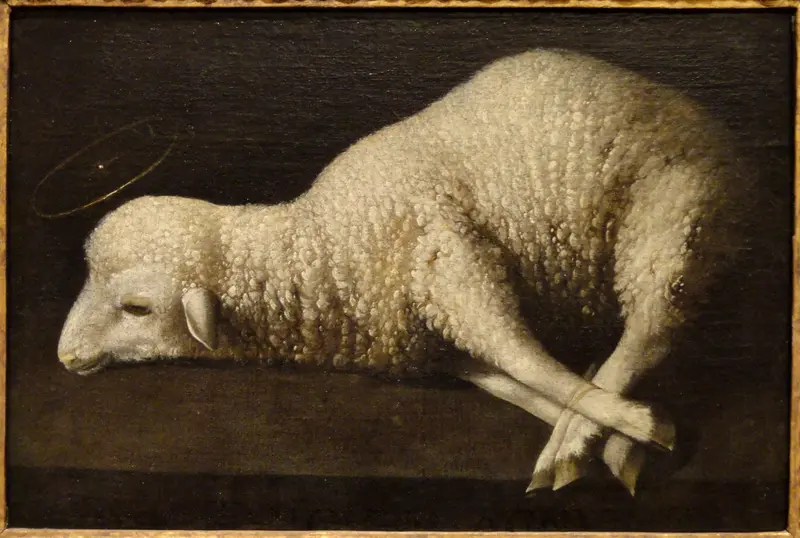
The Lamb of God
Francisco de Zurbarán

Adoration of the Magi
Francisco de Zurbarán
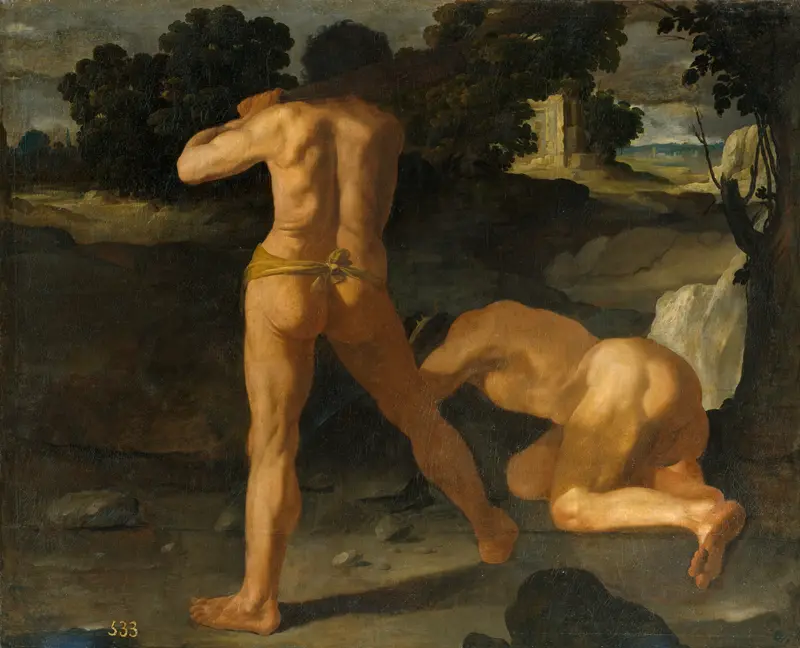
Hercules defeats King Geryon
Francisco de Zurbarán
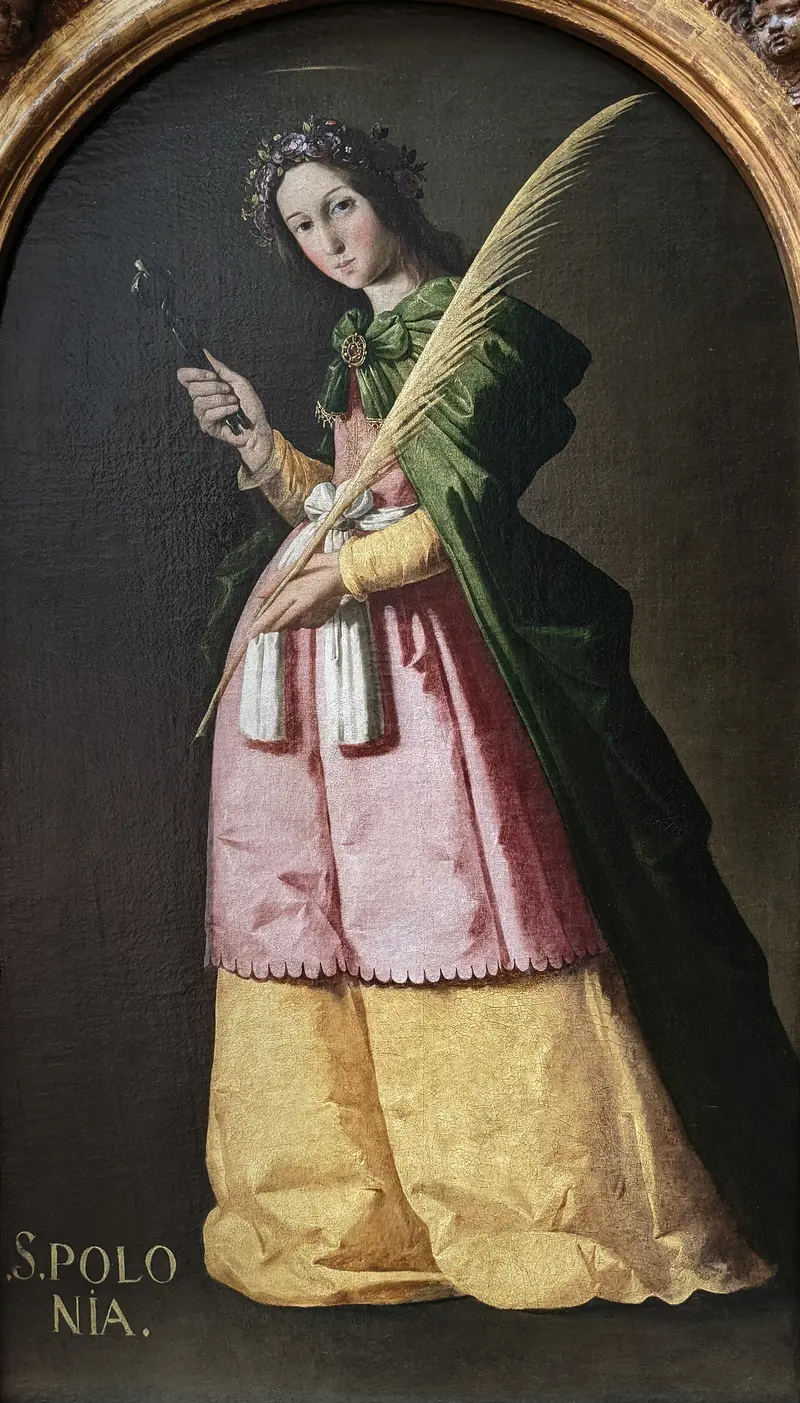
Saint Apollonia
Francisco de Zurbarán
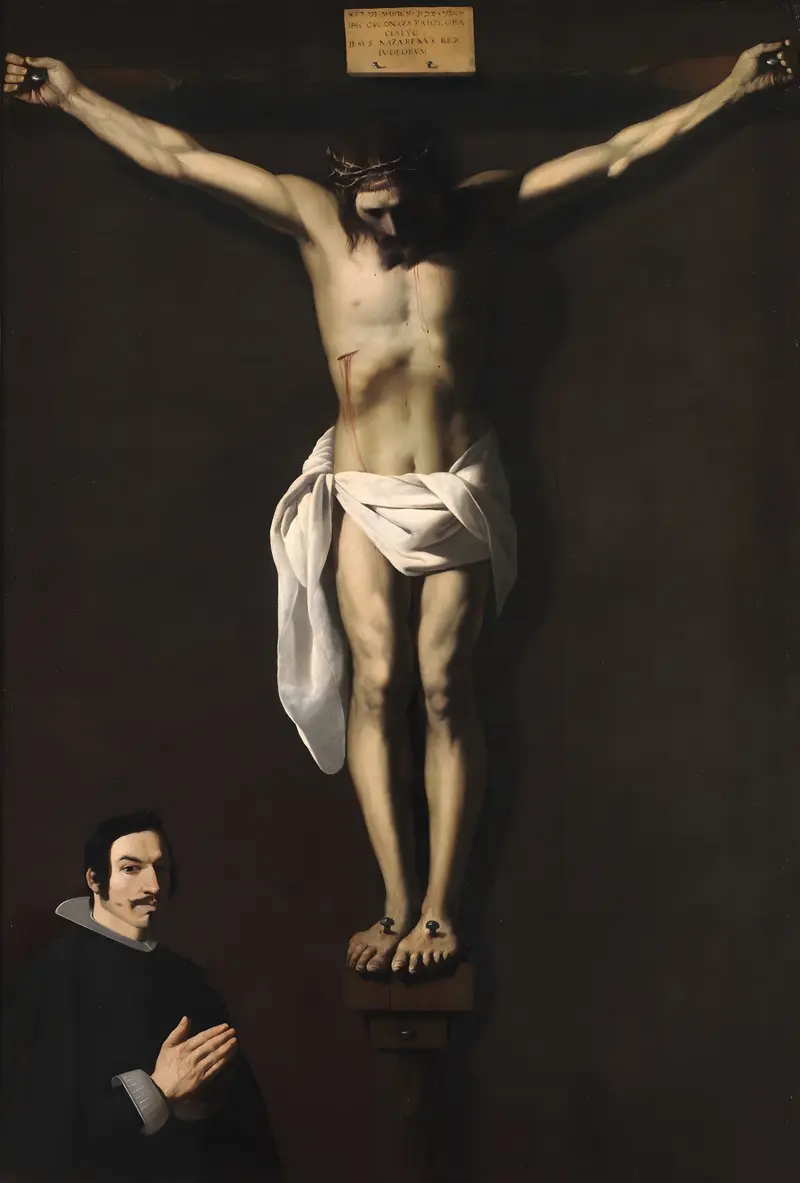
The Crucified Christ with a Donor
Francisco de Zurbarán
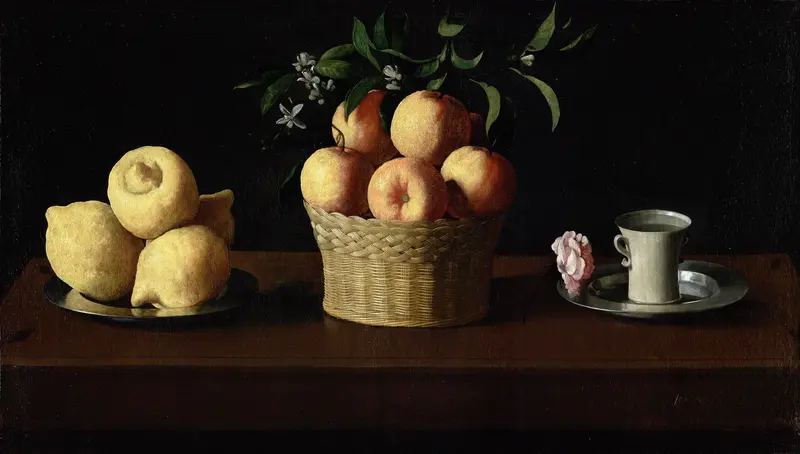
Still Life with Lemons, Oranges and a Rose
Francisco de Zurbarán
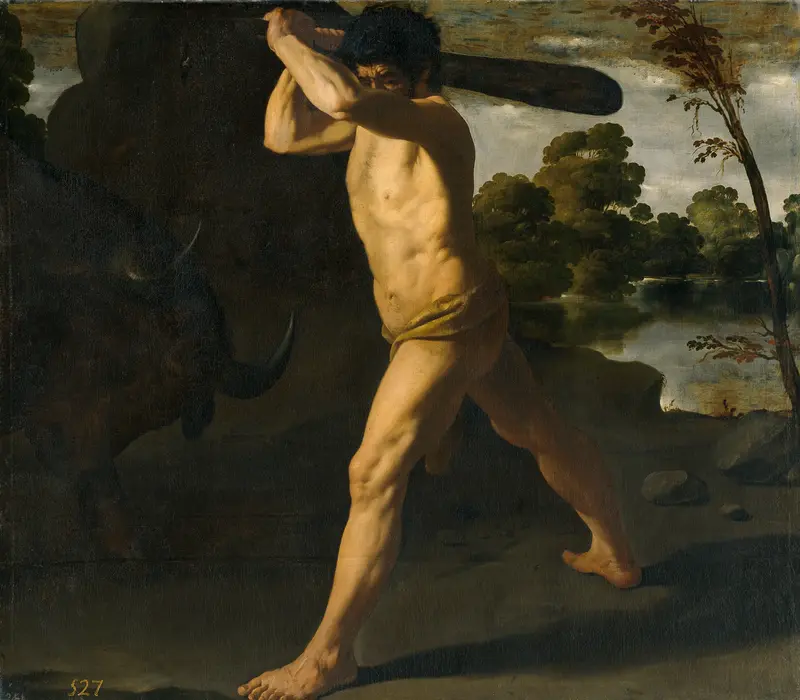
Hercules and the Cretan Bull
Francisco de Zurbarán





