
Saint Francis Expelling the Devils — History & Facts
The most intriguing aspect of Saint Francis Expelling the Devils is that its attribution to Giotto di Bondone has long been a subject of scholarly debate, with experts poring over stylistic details to distinguish the master's hand from those of his many followers. This uncertainty is heightened by the lack of a secure date or commission record, a rare situation for a work associated with such a pivotal figure in early Italian painting. The painting’s subject, however, is unmistakably tied to the Franciscan tradition, reflecting the intense interest in the saint’s miracles during the late 13th and early 14th centuries.
In the absence of definitive documentation, the work stands as a testament to the enduring fascination with both its creator and its holy subject. At the heart of the scene, Saint Francis confronts a group of writhing demons, his right hand raised in a gesture of command while his followers look on in awe and fear. The devils, rendered in dark, contorted forms, are driven from a tormented figure, illustrating the moment Francis’s faith triumphs over evil. The saint’s simple habit and bare feet underscore his humility, while the golden halo marks his sanctity.
Giotto’s approach is notably different from that of earlier painters, such as Cimabue, whose saints often float in abstracted gold backgrounds; here, the figures are grounded, their emotions palpable, the miracle unfolding in a believable space. The use of light and shadow, especially around Francis’s face and the expelled demons, draws the viewer’s eye to the drama of spiritual struggle. The physical history of Saint Francis Expelling the Devils is as enigmatic as its attribution. Without a clear record of its original location or patron, the painting is typically grouped with other Franciscan narratives from the period, possibly intended for a church or convent dedicated to the saint.
Over the centuries, works like this have often been moved, restored, or reattributed as scholarship has advanced, and this painting’s journey is no exception. Today, it is valued not only for its possible connection to Giotto but also as a vivid example of the new naturalism that swept through Italian art at the dawn of the Renaissance. Whether by Giotto’s own hand or that of a close follower, the painting remains a vital link in the story of how artists learned to bring the miraculous down to earth.
More Artworks by Giotto di Bondone
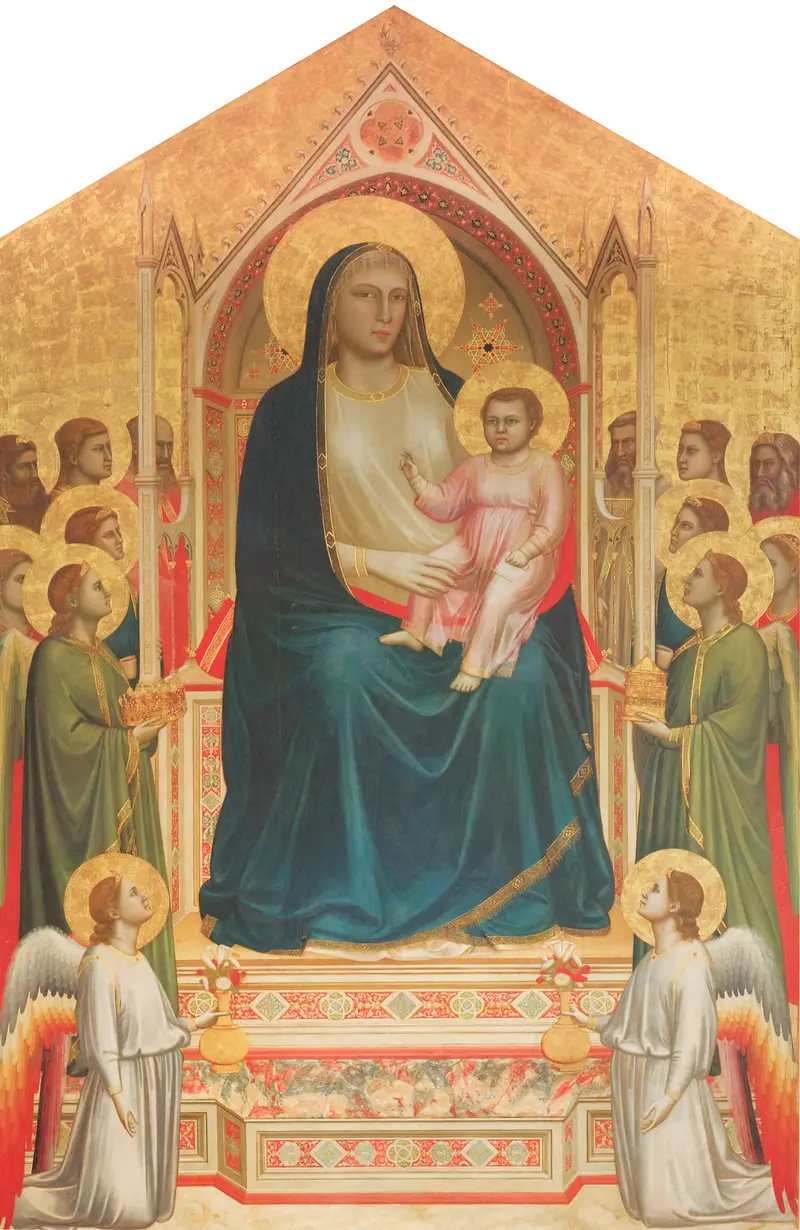
Ognissanti Madonna
Giotto di Bondone
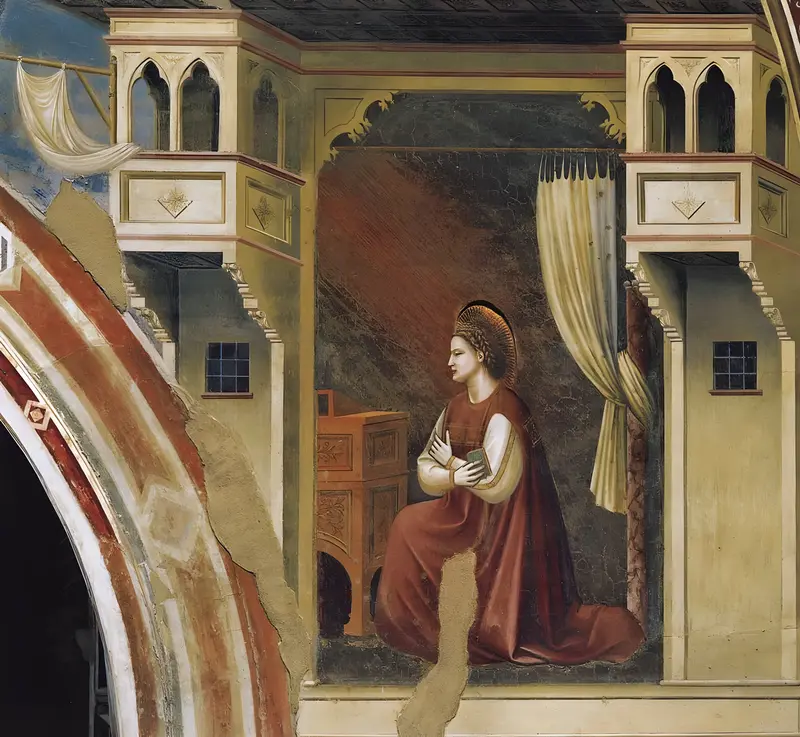
The Virgin of the Annunciation
Giotto di Bondone
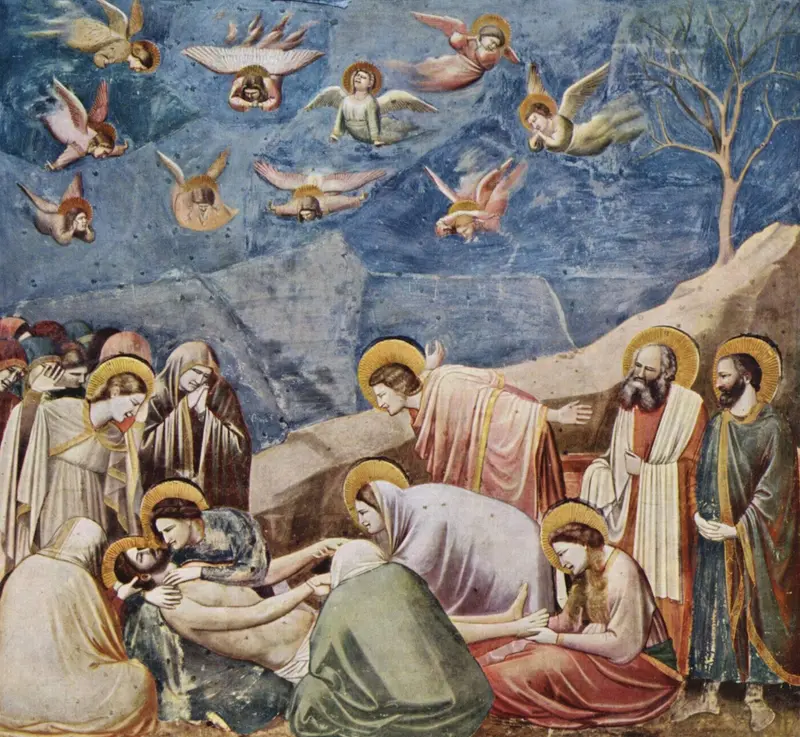
Lamentation (The Mourning of Christ)
Giotto di Bondone
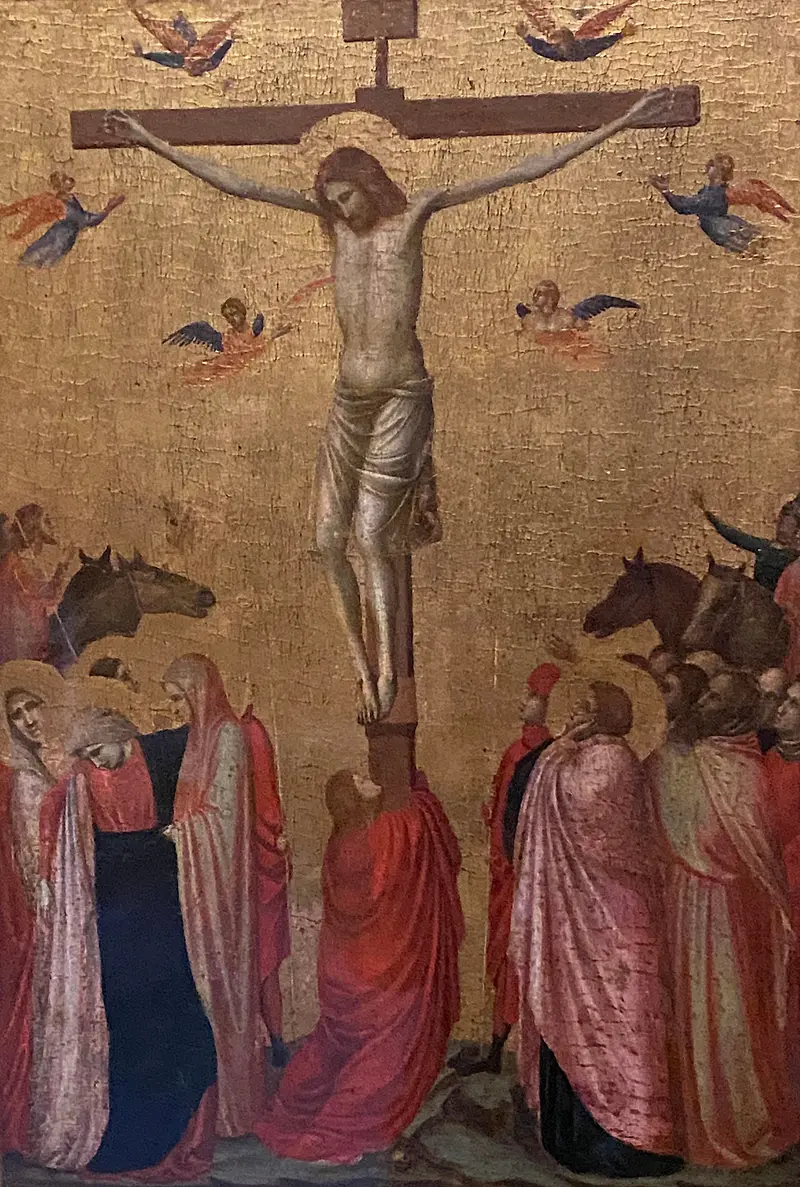
Crucifixion of Strasbourg
Giotto di Bondone
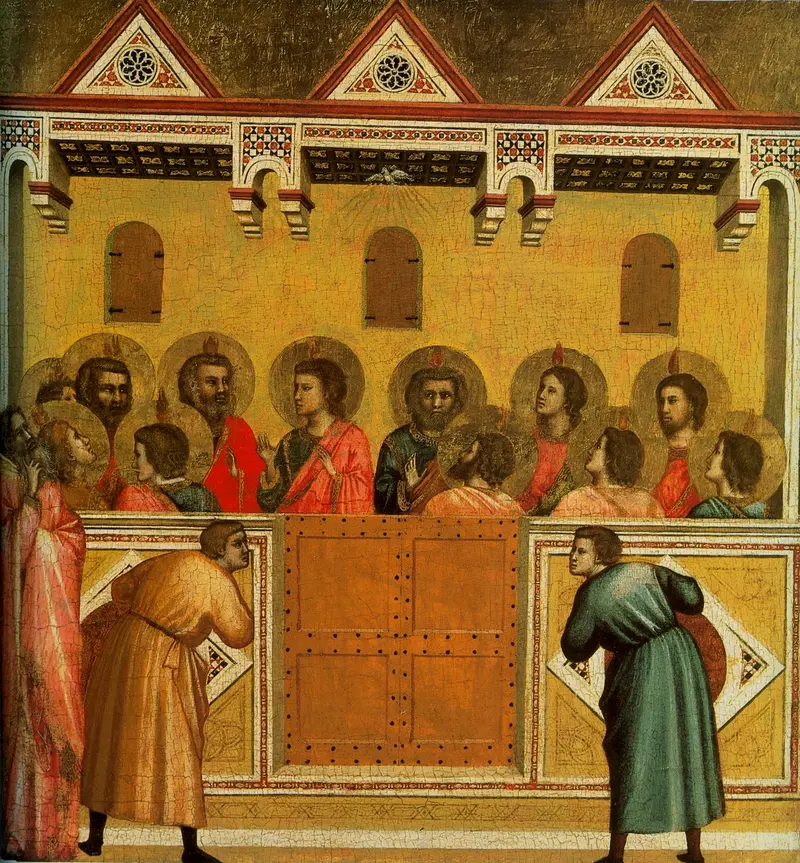
Pentecost
Giotto di Bondone
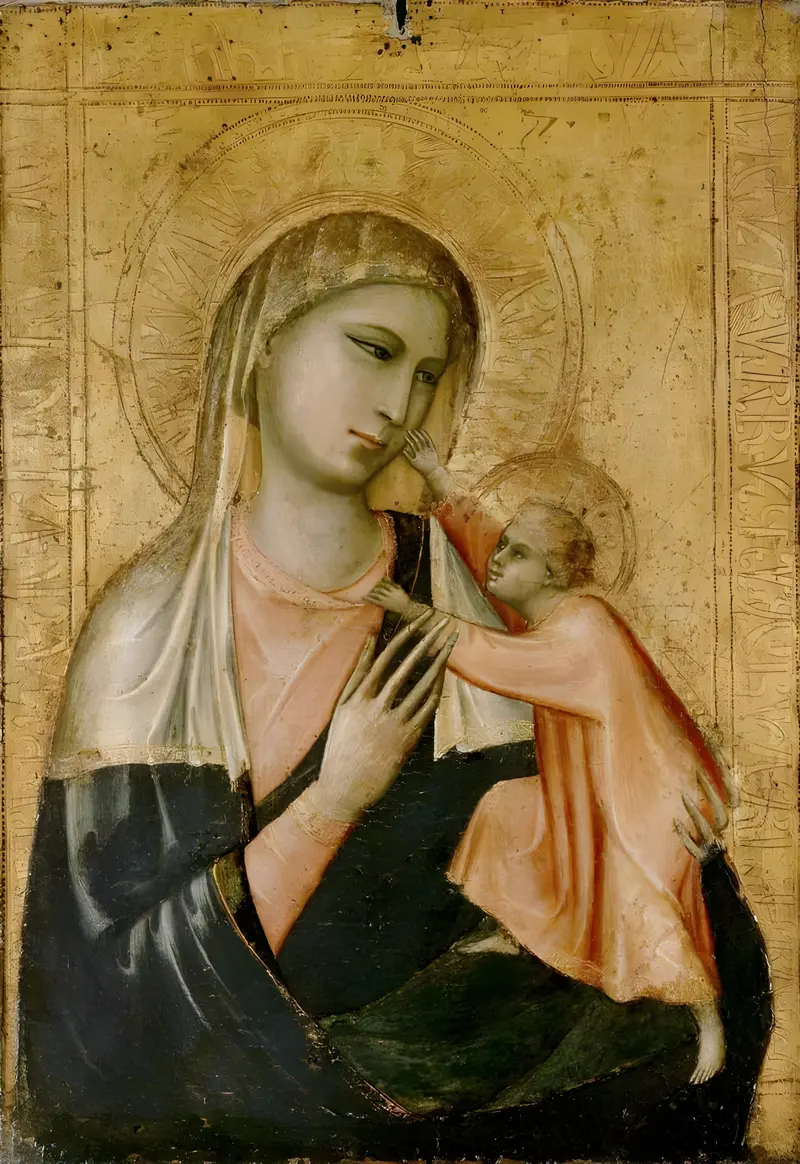
The Virgin and Child
Giotto di Bondone
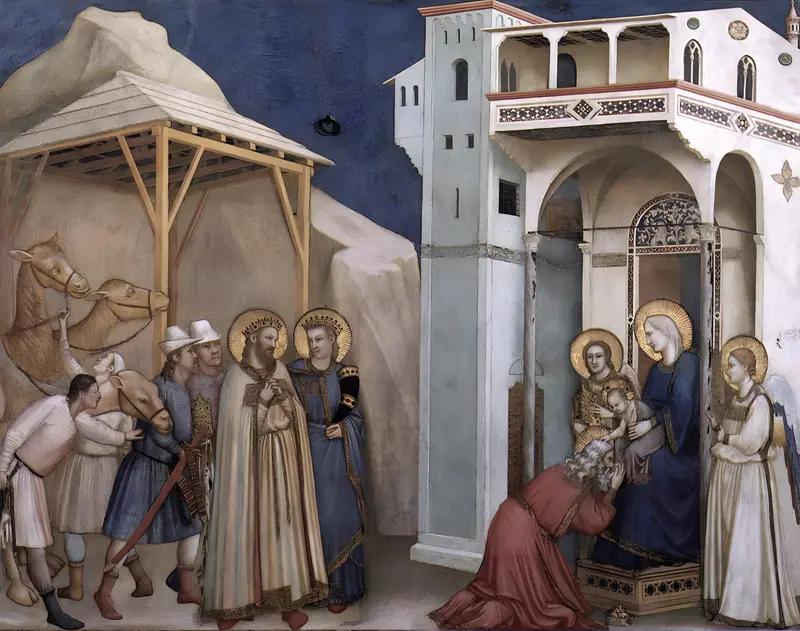
Anbetung der Könige
Giotto di Bondone
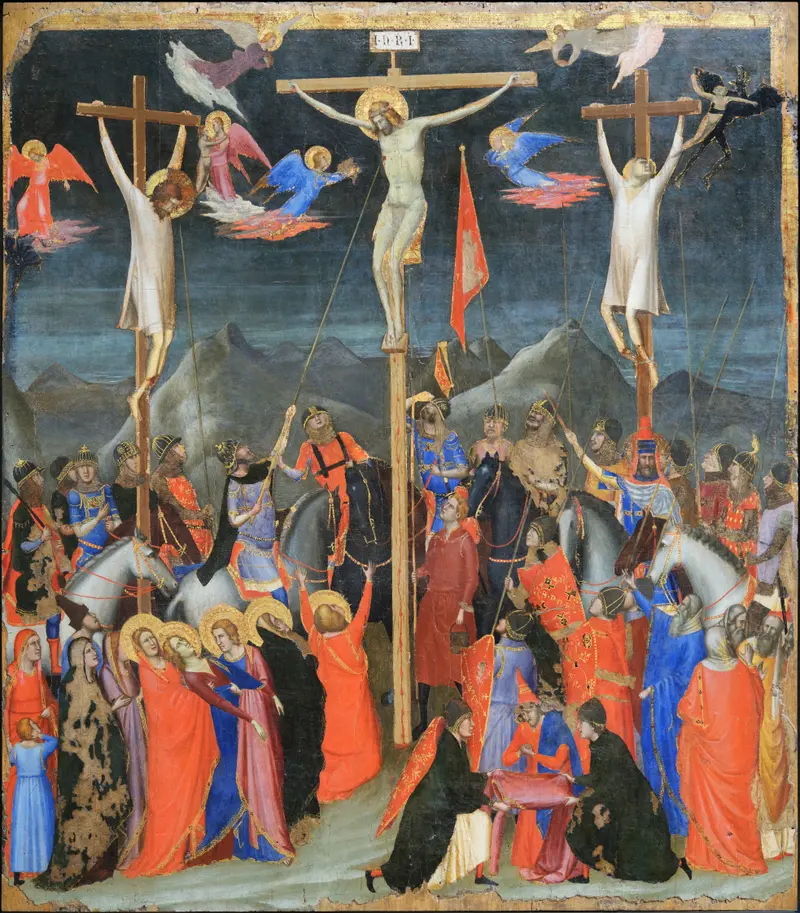
Crucifixion
Giotto di Bondone
The Visitation
Giotto di Bondone
Bologna Polyptych
Giotto di Bondone





