
Saint Francis in Meditation — History & Facts
No fewer than eight versions of Saint Francis in Meditation by Francisco de Zurbarán are known to exist, each with subtle variations, a testament to the demand for this image in 17th-century Spain. The painting’s popularity reflects the intense devotion to Saint Francis of Assisi during the Counter-Reformation, when images of the saint’s humility and penitence were in high demand among monastic patrons. This particular version dates from 1637, a period when Zurbarán was at the height of his powers and widely sought after by religious orders across Spain.
The proliferation of these works has led to ongoing debates among scholars about which version came first and which were painted by Zurbarán’s own hand or by his workshop. In this painting, Zurbarán captures Saint Francis at the moment of deepest meditation, hands clasped around a skull, his face emerging from the darkness. The rough habit, the knotted cord at his waist, and the bare simplicity of the scene all point to the saint’s embrace of poverty and contemplation of mortality. The skull is a traditional memento mori, a reminder of death and the vanity of earthly things, while the light falling across Francis’s face isolates him in a world of prayer and reflection.
Unlike Caravaggio’s more theatrical Saint Francis in Meditation, Zurbarán chooses restraint: the silence and solitude are palpable, the saint’s humility expressed not through drama but through stillness and shadow. The precise origins of this version remain uncertain, as is often the case with Zurbarán’s repeated subjects, but it is likely that it was commissioned by a Franciscan monastery or a private patron with a strong devotional interest. Over the centuries, the painting has been admired for its quiet intensity and has passed through various collections, sometimes attributed to the master himself, sometimes to his workshop. Today, it hangs as part of a major museum collection, where it is recognized as a key example of Zurbarán’s ability to blend spiritual gravity with painterly restraint.
For Zurbarán, these images of Saint Francis became a signature theme, helping to define his reputation as the leading painter of religious life in Golden Age Spain.
More Artworks by Francisco de Zurbarán
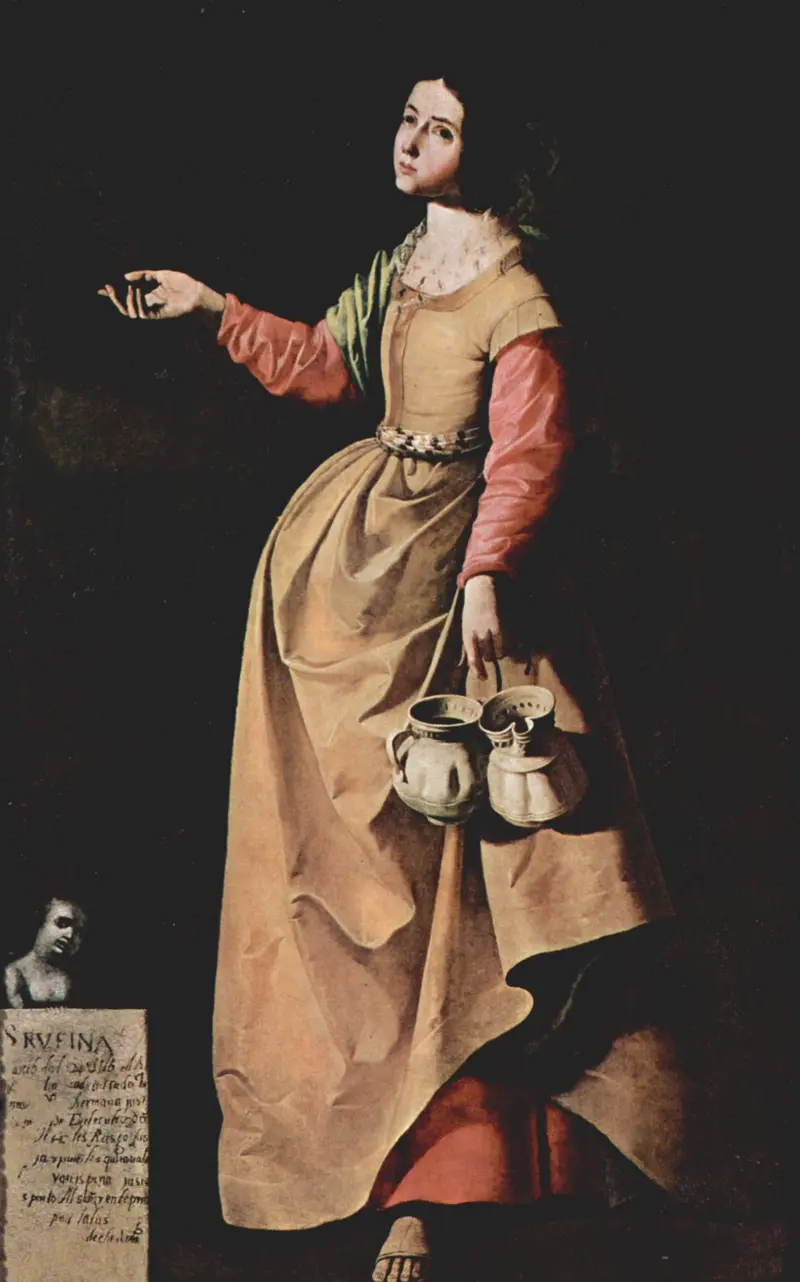
Saint Rufina
Francisco de Zurbarán
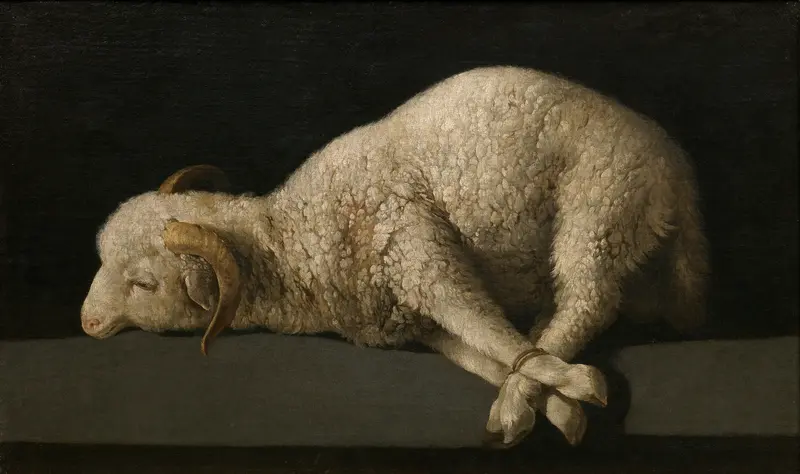
Agnus Dei
Francisco de Zurbarán
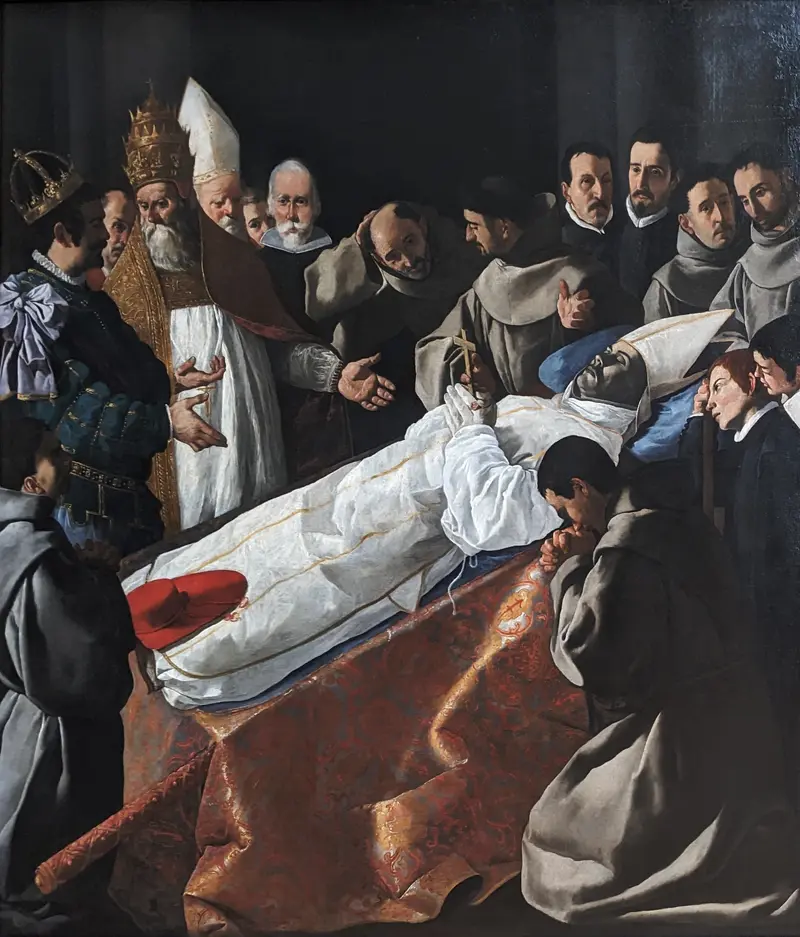
Saint Bonaventure's Body Lying in State
Francisco de Zurbarán
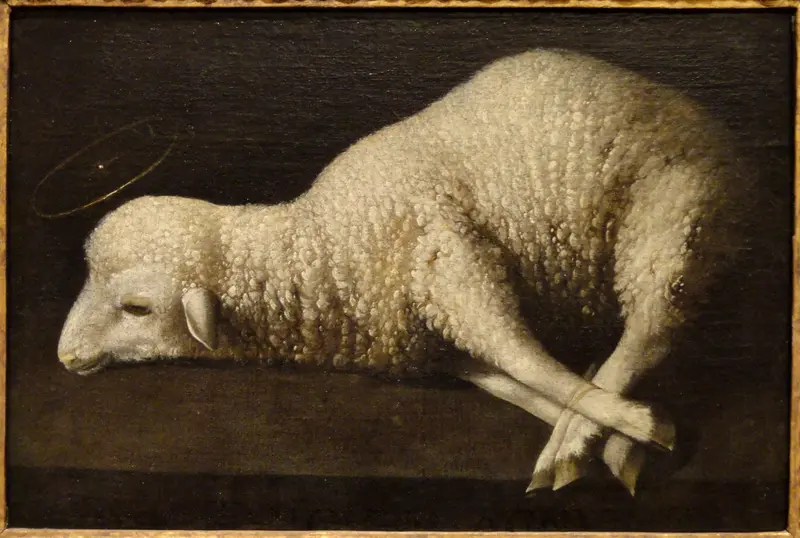
The Lamb of God
Francisco de Zurbarán

Adoration of the Magi
Francisco de Zurbarán
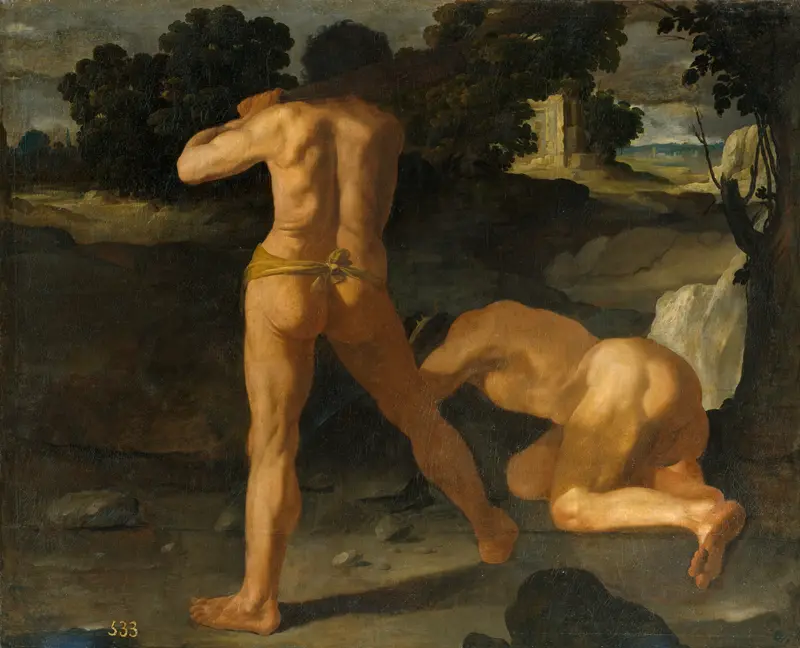
Hercules defeats King Geryon
Francisco de Zurbarán
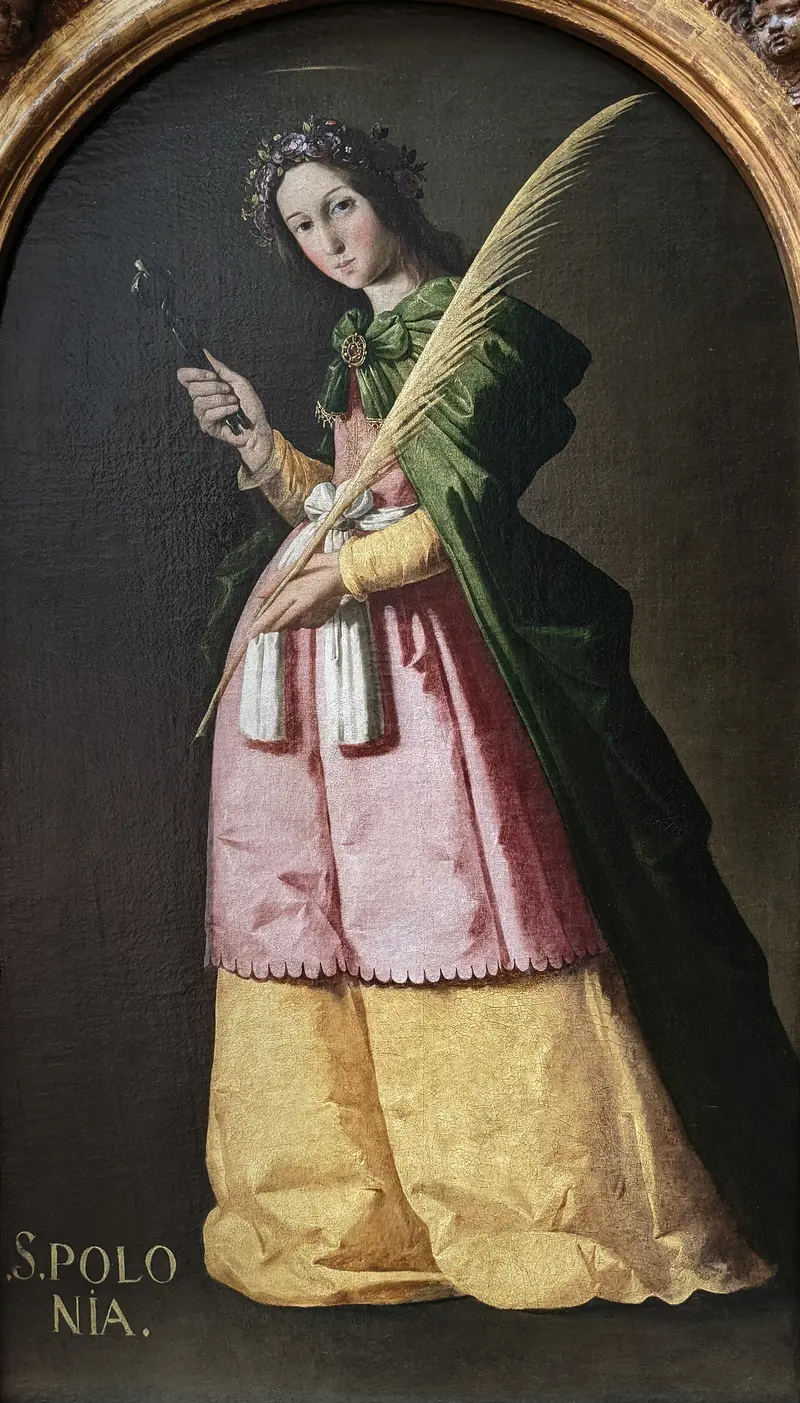
Saint Apollonia
Francisco de Zurbarán
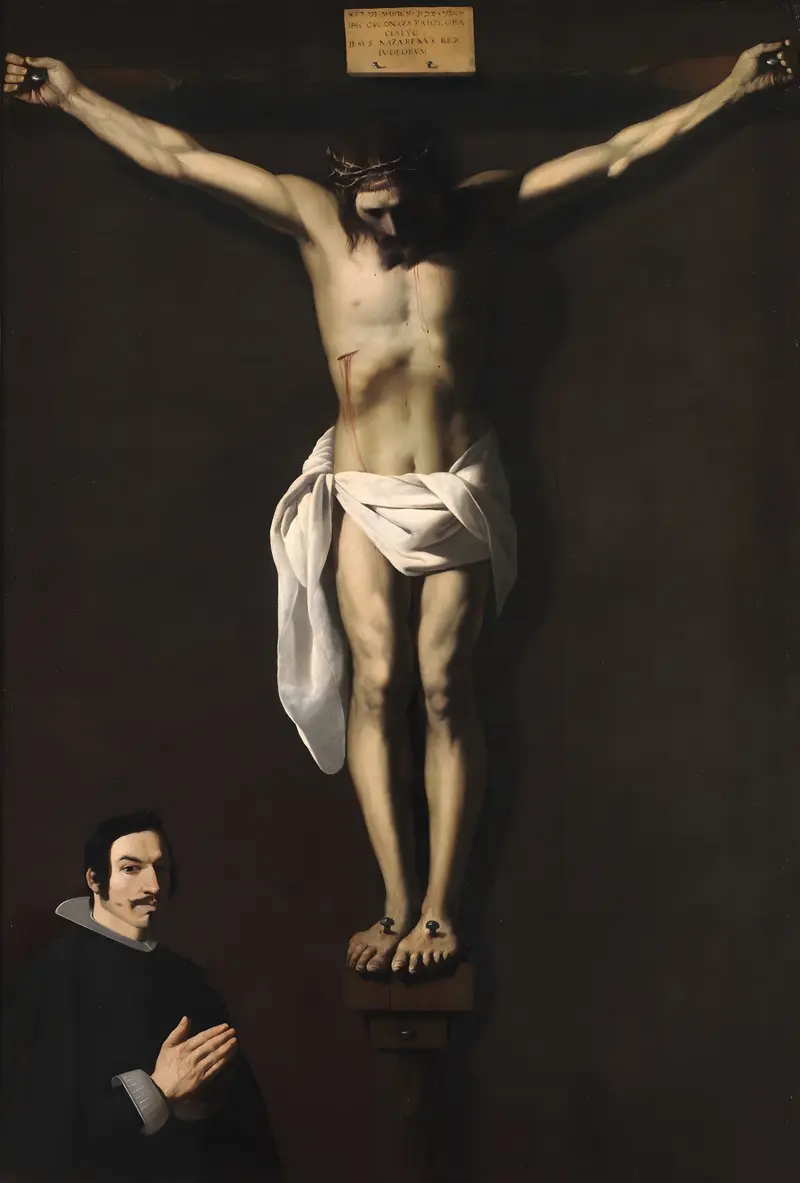
The Crucified Christ with a Donor
Francisco de Zurbarán
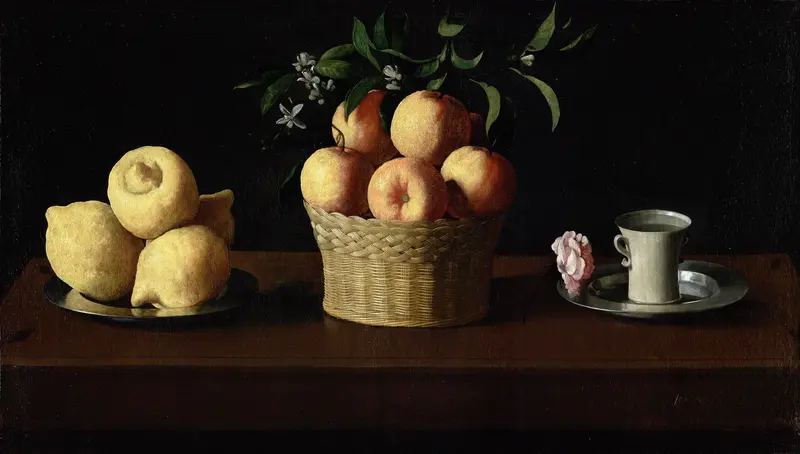
Still Life with Lemons, Oranges and a Rose
Francisco de Zurbarán
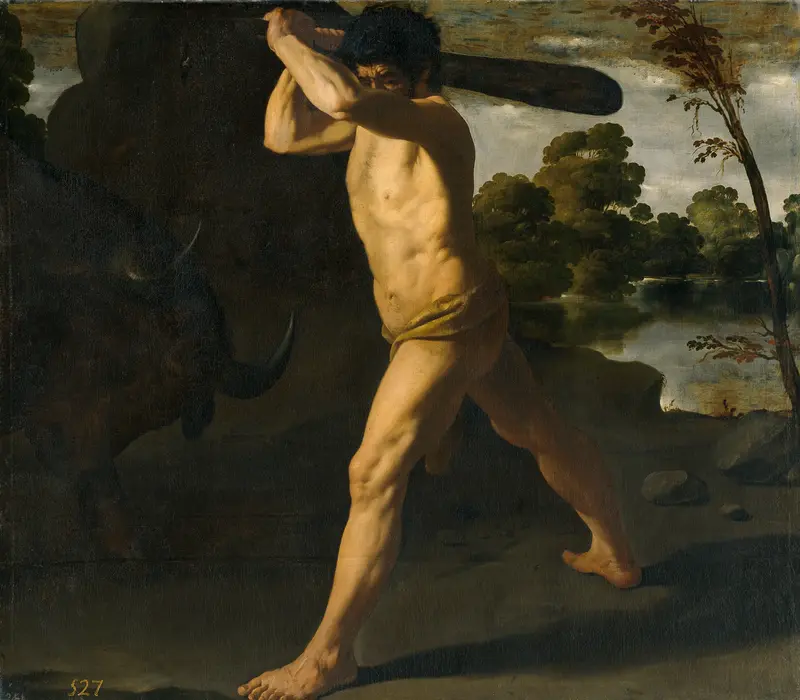
Hercules and the Cretan Bull
Francisco de Zurbarán





